
For many travelers, the ethereal beauty of cherry blossoms, or sakura, evokes images of picturesque springs in Japan, the vibrant parks of Washington D.C., or the gentle slopes of Europe. These iconic trees, with their delicate pink and white blooms, are often the centerpiece of major tourist events and seasonal celebrations, drawing visitors from across the globe. So, when contemplating a trip to the Sunshine State, a natural question for those enchanted by floral displays might arise: do cherry trees grow in Florida? The direct answer, for the most part, is no – at least not the traditional, ornamental varieties famous for their breathtaking mass bloom. Florida’s unique subtropical climate, while a haven for a myriad of other stunning plants, presents significant challenges for the cultivation of classic cherry trees. This guide delves into why conventional cherry trees don’t thrive here, and more importantly, what incredible botanical experiences Florida does offer to the discerning traveler, ensuring your visit is filled with equally captivating natural beauty.
Understanding Cherry Tree Requirements vs. Florida’s Climate
The primary reason behind the absence of extensive cherry blossom displays in Florida lies deep within the botanical requirements of these beloved trees. Understanding their needs helps clarify why the Sunshine State just isn’t their natural home.
The Chill Factor: A Prerequisite for Cherry Blossoms
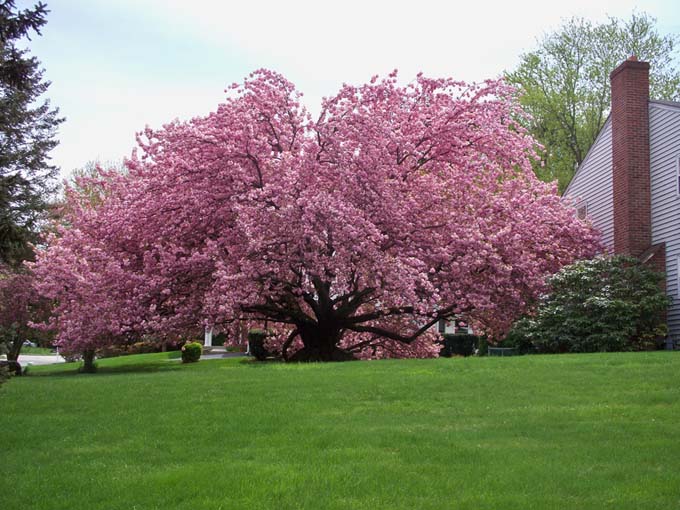
Most ornamental cherry trees, particularly the iconic Japanese varieties like Prunus serrulata (Kwanzan Cherry), Prunus subhirtella (Weeping Cherry), and Prunus x yedoensis (Yoshino Cherry), originate from temperate climates. A crucial requirement for these trees to flower and fruit effectively is a period of cold dormancy, measured in what horticulturists call “chill hours.” Chill hours refer to the total number of hours when the temperature is between 32°F and 45°F (0°C and 7°C) during the winter months. Without a sufficient accumulation of these cold hours, the tree’s internal clock doesn’t reset properly. This can lead to delayed bud break, erratic flowering (if any at all), poor fruit set, and overall weakened tree health. Different cherry varieties require varying amounts of chill, typically ranging from 700 to 1,000 or more hours for the most spectacular blossom displays.
Florida’s Subtropical Reality
Florida’s climate is defined by its warmth and humidity, classifying much of the state as subtropical, with South Florida bordering on tropical. While its mild winters are a major draw for tourists escaping colder climes, they are precisely the reason traditional cherry trees struggle. Across most of Florida, the annual accumulation of chill hours is simply too low to satisfy the needs of conventional cherry blossom varieties. Even North Florida, which experiences cooler temperatures and occasional frosts, generally falls short of the consistent cold required.
This lack of consistent, prolonged chill hours means that if one were to attempt planting a classic cherry tree, it would likely fail to thrive. It might produce a handful of sparse, lackluster blooms, if any, and would be prone to stress, diseases, and pests due to its unsuitable environment. For travelers envisioning groves of blooming cherry trees, Florida offers a different, albeit equally stunning, botanical narrative.
Are There Any “Cherries” in Florida? Exploring Native Alternatives
While the famous ornamental cherries are largely absent, Florida does host a variety of plants that bear “cherry” in their common name or possess characteristics that might evoke a similar sense of discovery for the inquisitive traveler. However, it’s crucial to distinguish these from the temperate Prunus species.
Florida-Friendly Cherry Look-Alikes and Relatives
Florida’s diverse ecosystems support a range of native and introduced species that, while not true cherries in the traditional sense, offer their own unique appeal.
One such plant is the Surinam Cherry (Eugenia uniflora). This evergreen shrub or small tree is a popular choice for hedges and edible landscaping throughout Florida. It produces small, fragrant white flowers, followed by distinctive ribbed, red-to-dark-purple fruits that are tart but edible and high in Vitamin C. While its flowers are not showy in the way cherry blossoms are, its fruit-bearing habit is a common sight.
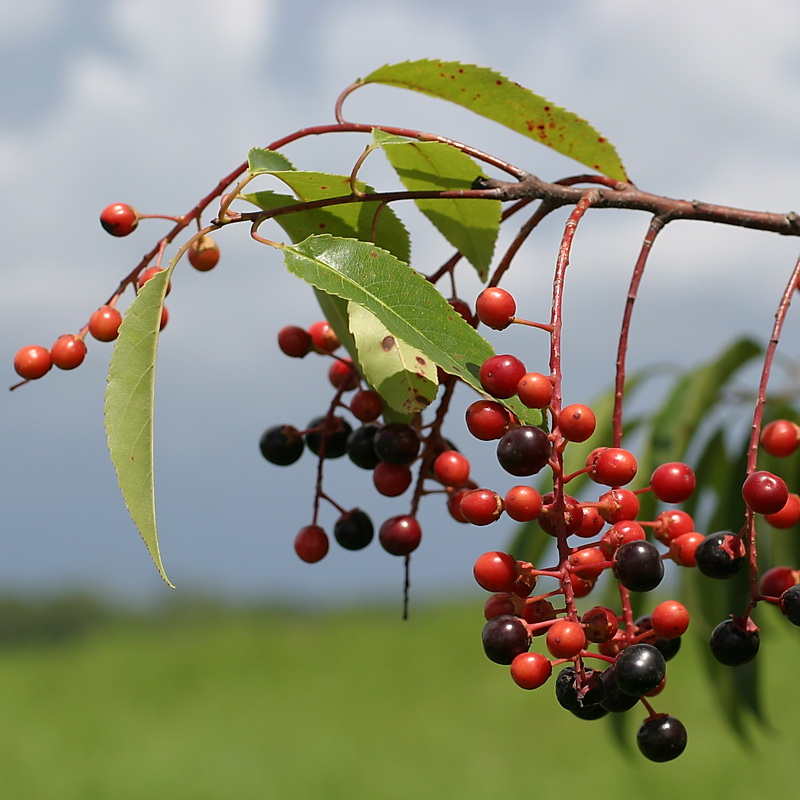
Another native species is the Black Cherry (Prunus serotina). This is a true member of the Prunus genus, making it a distant cousin to the ornamental cherry. Native to much of eastern North America, including parts of North Florida, it is a large deciduous tree. Its small, white flowers appear in elongated clusters (racemes) in spring, rather than the dense, cloud-like sprays of Japanese cherries. While they do not create the iconic cherry blossom spectacle, these flowers contribute to the native ecosystem, eventually developing into small, dark, edible (though somewhat bitter) cherries that are an important food source for wildlife.
The Barbados Cherry (Malpighia emarginata) is another common shrub found in Florida gardens. Not a true cherry, it’s famous for its extremely high vitamin C content. Its delicate pink or lavender flowers appear intermittently throughout the warmer months, followed by small, bright red, tart fruits. While the flowers are pretty, they are not the mass display visitors associate with cherry blossoms.
Cultivation Challenges for True Cherries in Florida
Even with the advent of “low-chill” fruit varieties designed for warmer climates, cultivating a true cherry (even a fruiting type like Cherry of the Rio Grande) in Florida for ornamental purposes remains impractical. Beyond the chill hour issue, Florida’s sandy soils, high humidity, and prevalent fungal diseases and pests pose significant challenges for temperate fruit trees. Maintaining the health and aesthetic appeal of a cherry tree in such conditions would require intensive, specialized care, far beyond what could sustain a widespread “cherry blossom season” for tourism. For travelers, the focus should shift away from seeking an experience Florida cannot genuinely offer and towards embracing the unique botanical splendor it proudly displays.
Florida’s Unique Botanical Attractions for Travelers
Instead of lamenting the absence of cherry blossoms, travelers to Florida can delight in an entirely different, yet equally spectacular, world of tropical and subtropical flora. The state’s warm climate, ample rainfall, and diverse ecosystems have fostered an incredible array of plant life, making it a premier destination for botanical enthusiasts.
Beyond Cherry Blossoms: A World of Tropical and Subtropical Flora
Florida boasts an astounding variety of plants that burst with color and unique forms, often blooming for much longer seasons than their temperate counterparts. For travelers seeking vibrant floral displays, several botanical gardens stand out as must-visit attractions:
- The Fairchild Tropical Botanic Garden in Coral Gables near Miami is a world-renowned conservation and research center. It showcases an incredible collection of tropical plants, including rare palms, cycads, flowering trees, and vines from around the globe. Its meticulously designed landscapes offer a sensory feast, with vibrant blooms appearing almost year-round.
- The Naples Botanical Garden offers a unique blend of cultivated gardens and natural habitats, focusing on the plants of the tropics and subtropics between 26 degrees North and 26 degrees South latitude. Visitors can explore gardens representing Brazil, the Caribbean, Asia, and Florida, each showcasing distinct flora.
- In Sarasota, the Marie Selby Botanical Gardens is internationally recognized for its living collection of epiphytes, particularly orchids and bromeliads. These stunning plants, often clinging to trees and appearing to float in the air, offer an exotic beauty completely unlike cherry blossoms.
Beyond these dedicated gardens, the general landscape of Florida is often adorned with breathtaking flowering plants. Look for the explosive colors of Bougainvillea cascading over walls, the iconic tropical elegance of Hibiscus in various hues, and the intricate beauty of native and cultivated Orchids. In late spring and early summer, the Royal Poinciana tree erupts with fiery orange-red flowers, creating a truly spectacular display. Similarly, the Jacaranda tree, with its profusion of lavender-blue trumpet-shaped flowers, offers a mass flowering event that can rival the visual impact of cherry blossoms, albeit with a different palette.
Experiencing Florida’s Natural Beauty
For those who appreciate nature in its rawest form, Florida’s state and national parks offer unparalleled opportunities to immerse oneself in unique ecosystems.
- Everglades National Park, a UNESCO World Heritage Site, is a vast wetland ecosystem unlike any other. While not about blossoms, it’s home to an incredible diversity of plant life, including sawgrass prairies, cypress swamps, and mangrove forests, all vital to the countless species of birds, alligators, and other wildlife that call it home.
- Adjacent to the Everglades, the Big Cypress National Preserve protects a massive freshwater swamp ecosystem dominated by ancient bald cypress trees, often adorned with air plants and orchids.
- Myakka River State Park, one of Florida’s oldest and largest state parks, offers visitors a chance to explore diverse habitats including pine flatwoods, hammocks, and wetlands. Its canopy walkway allows for a unique perspective on the forest ecosystem.
These natural areas provide a stark contrast to the manicured beauty of botanical gardens, showcasing Florida’s resilient and vibrant native flora. Exploring these environments offers a deeper understanding of the state’s ecological richness and its distinct natural identity.
Planning Your Botanical-Themed Florida Trip
Embracing Florida’s unique botanical offerings requires a slightly different approach than planning a trip around cherry blossoms, but the rewards are equally fulfilling, promising a riot of color and exotic beauty.
Best Times to Visit for Floral Displays
While Florida is blessed with year-round greenery, certain periods offer peak floral displays:
- Spring (March to May): This is arguably the best time for a general botanical visit. Many tropical trees and shrubs are in full bloom, including the spectacular Royal Poinciana and Jacaranda in late spring. The weather is also typically pleasant across the state, making outdoor exploration comfortable.
- Early Summer (June to July): While temperatures and humidity rise, many tropical plants continue to bloom profusely. This is a great time to see water lilies and other aquatic plants in full splendor.
- Winter (December to February): While not as universally vibrant as spring, winter offers comfortable temperatures for exploring. Many orchids and camellias bloom during this period, and the overall lushness of the evergreen landscape remains impressive.
Key Destinations for Plant Enthusiasts
For travelers specifically seeking out Florida’s botanical wonders, certain regions and attractions should be prioritized:
- South Florida: Home to Fairchild Tropical Botanic Garden in Coral Gables (near Miami) and the Naples Botanical Garden, this region is a mecca for tropical plant lovers. The Florida Keys also offer unique coastal flora adapted to saline conditions.
- Southwest Florida: Beyond Naples, this area offers access to the Everglades National Park and Big Cypress National Preserve for natural ecosystem exploration.
- Central Florida: While famous for theme parks like Walt Disney World in Orlando, many of these parks also feature exceptionally designed and maintained landscapes filled with tropical plants, offering an unexpected botanical treat. Bok Tower Gardens in Lake Wales provides a beautiful, serene experience with its historic carillon tower and lush gardens.
- Gulf Coast: The Marie Selby Botanical Gardens in Sarasota is a must-see for orchid and bromeliad enthusiasts.

Practical Tips for Botanical Explorers
To make the most of your botanical adventure in Florida, consider these tips:
- Sun Protection and Hydration: Florida’s sun can be intense. Always wear sunscreen, a hat, and sunglasses, and carry plenty of water.
- Comfortable Footwear: You’ll likely be doing a lot of walking, especially in botanical gardens and natural parks, so comfortable shoes are essential.
- Check Seasonality: If you have a particular flower or plant in mind, check with the specific garden or park about its blooming season before your visit.
- Respect Nature: When exploring natural areas, stay on marked trails, do not disturb wildlife, and leave no trace.
In conclusion, while the dream of strolling beneath archways of cherry blossoms may not materialize in Florida, the state offers an equally, if not more, vibrant and diverse floral spectacle. By shifting focus from temperate blossoms to the magnificent tropical and subtropical plants that thrive here, travelers can discover a unique botanical paradise. Florida’s botanical gardens, natural preserves, and even its urban landscapes are alive with color, fragrance, and an astounding array of plant forms, promising an unforgettable journey for any plant-loving adventurer. Embrace Florida’s own floral identity, and you’ll find a different kind of beauty that is uniquely captivating.
LifeOutOfTheBox is a participant in the Amazon Services LLC Associates Program, an affiliate advertising program designed to provide a means for sites to earn advertising fees by advertising and linking to Amazon.com. Amazon, the Amazon logo, AmazonSupply, and the AmazonSupply logo are trademarks of Amazon.com, Inc. or its affiliates. As an Amazon Associate we earn affiliate commissions from qualifying purchases.