
Planning a trip to Boston, Massachusetts, is an exciting endeavor, promising a rich tapestry of history, culture, and vibrant urban life. However, to truly maximize your experience in this iconic New England city, understanding its distinctive weather patterns is paramount. Boston’s climate is characterized by four dramatically different seasons, each offering its own unique charm and challenges for travelers. From the snowy winters to the humid summers and the picturesque springs and autumns, the weather in Boston is as dynamic and diverse as the city itself. This guide delves into what you can expect from Boston’s climate throughout the year, helping you pack appropriately, plan your activities, and ensure a seamless and enjoyable visit, regardless of when you choose to explore this historic destination.
Boston’s Distinct Seasons: A Climatic Overview
Boston’s location on the Atlantic coast in a temperate zone ensures it experiences all four seasons in their full glory, each bringing a unique ambiance and set of meteorological characteristics that travelers should be aware of.
Spring’s Awakening (March-May)
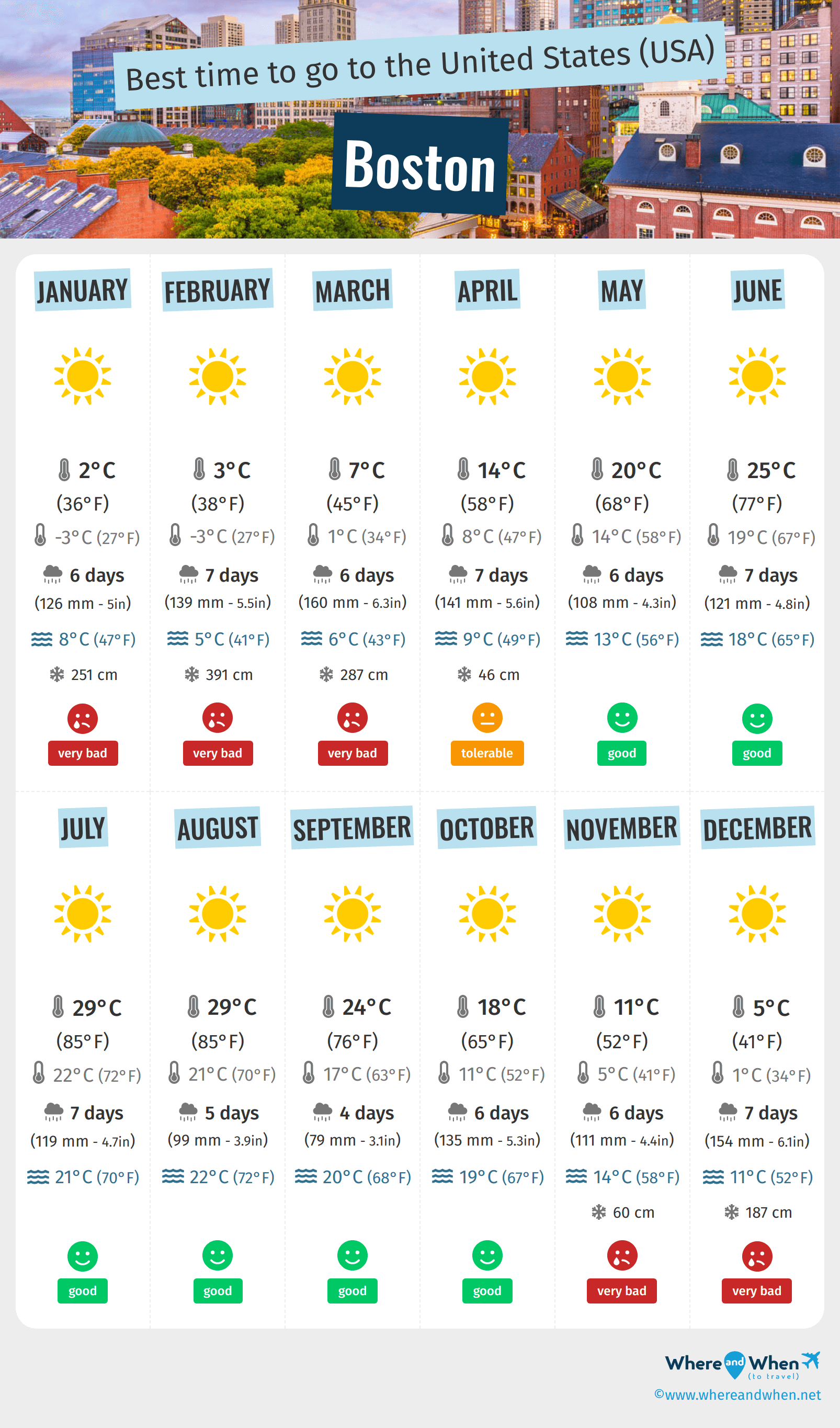
Spring in Boston is a season of transition, marked by a gradual warming trend and the blossoming of dormant nature. March can still feel very much like winter, with lingering cold snaps and even late-season snowfalls, especially in the earlier weeks. As April progresses, temperatures become milder, typically ranging from the low 40s to mid-60s Fahrenheit (4-18°C). May sees a more consistent warmth, with averages in the 50s and 70s Fahrenheit (10-24°C), making it a truly delightful time to visit. However, spring is also known for its variability; sunny, mild days can quickly turn to cool, rainy ones. Precipitation is common, making an umbrella or waterproof jacket an essential item. The city comes alive with budding trees, blooming flowers in Boston Common and the Public Garden, and the general energy of renewed life. This period is excellent for walking the Freedom Trail or exploring neighborhoods like Beacon Hill before the peak tourist crowds arrive.
Summer’s Warm Embrace (June-August)
Summer in Boston is generally warm to hot and often humid. June offers a pleasant start, with temperatures typically ranging from the mid-60s to mid-80s Fahrenheit (18-29°C), and relatively lower humidity. July and August are the warmest months, with daily highs frequently reaching into the 80s Fahrenheit (27-32°C) and occasionally climbing into the 90s (32°C+), accompanied by significant humidity that can make it feel even hotter. Thunderstorms can occur, particularly in the late afternoon or evening. Despite the heat, Boston’s summers are bustling with activity. Outdoor dining, events along the Charles River, and trips to nearby beaches like those on Cape Cod are popular. While the weather is ideal for water activities and enjoying Fenway Park, the heat and humidity necessitate light clothing, hydration, and seeking shade or air-conditioned indoor attractions like the Museum of Fine Arts or the New England Aquarium.
Autumn’s Vibrant Palette (September-November)
Autumn is arguably the most picturesque time to visit Boston, renowned globally for its stunning fall foliage. September brings a delightful transition, with warm, sunny days often giving way to crisp, cool evenings. Temperatures usually range from the low 50s to low 70s Fahrenheit (10-22°C). October is peak foliage season, especially in late September through mid-October, when the trees in and around the city explode in a riot of reds, oranges, and yellows. The air is typically dry and invigorating, with daytime temperatures often in the 40s to 60s Fahrenheit (4-18°C). November sees a more pronounced chill, with temperatures dropping into the 30s and 50s Fahrenheit (0-15°C) and the increasing likelihood of early winter weather, including frosty mornings. Rainfall is moderate throughout the season. This period is perfect for walking tours, enjoying outdoor cafes, and day trips to scenic areas outside the city. The comfortable temperatures and breathtaking scenery make it an incredibly popular time for travel, though it’s wise to book accommodations well in advance.
Winter’s Icy Charm (December-February)
Boston’s winters are cold, snowy, and can be quite harsh. Temperatures frequently hover around or below freezing, typically ranging from the 20s to 40s Fahrenheit (-7 to 4°C). January and February are generally the coldest months. Snowfall is a significant feature, with the city often experiencing several major snowstorms each winter, which can lead to accumulations of a foot or more. While snow can transform Boston into a postcard-perfect winter wonderland, it can also disrupt travel plans. Strong winds, especially from the Atlantic, can create a much colder “wind chill” effect. Despite the cold, winter offers unique experiences, such as ice skating on the Frog Pond in Boston Common, exploring festive holiday markets, and enjoying the cozy warmth of Boston’s historic taverns and world-class museums. Heavy winter clothing, including a warm coat, hat, gloves, and waterproof boots, is absolutely essential for visitors during these months.
Navigating Boston’s Microclimates and Weather Variability
Beyond the general seasonal trends, Boston’s weather can be surprisingly nuanced and prone to rapid changes, influenced by its geographical position and urban landscape. Understanding these factors can further enhance your travel preparations.
Coastal Influences
Being a coastal city, Boston is directly influenced by the Atlantic Ocean. The ocean has a moderating effect on temperatures, making coastal areas slightly warmer in winter and cooler in summer compared to inland regions. However, it also brings moisture, contributing to summer humidity and potentially heavier snowfall during winter storms known as “Nor’easters,” which draw significant moisture from the ocean. Sea breezes can provide welcome relief on hot summer days but can also make spring and fall evenings feel much cooler than inland forecasts suggest. Travelers should be mindful that weather conditions near the harbor or along the Charles River might feel different from those further inland.
Urban Heat Island Effect
Like many large cities, Boston experiences an “urban heat island” effect. This phenomenon means that built-up areas, with their asphalt, concrete, and buildings, absorb and retain more heat than surrounding rural areas. Consequently, downtown Boston can be a few degrees warmer than its suburbs, especially at night. This can be a factor to consider, particularly in summer when planning outdoor activities or choosing accommodations. The concrete canyons of the financial district might feel noticeably hotter than the tree-lined streets of Back Bay or the open spaces of the Esplanade.
Preparing for Rapid Changes
A common saying in New England is, “If you don’t like the weather, wait five minutes.” While an exaggeration, it highlights the region’s propensity for sudden weather shifts. A sunny morning can give way to an afternoon thunderstorm, or a mild day can unexpectedly turn cold. This variability makes layering crucial for any trip to Boston, regardless of the season. Always check the forecast close to your travel dates and be prepared with versatile clothing options that can adapt to changing conditions throughout the day.
Optimal Times to Visit Boston Based on Weather
While Boston offers something unique in every season, certain periods stand out for their particularly favorable weather conditions for travelers.

Spring & Fall: The Shoulder Seasons
For many, the shoulder seasons of spring (late April to early June) and fall (mid-September to late October) represent the optimal times to visit Boston. During these periods, the weather is generally pleasant and comfortable, with moderate temperatures perfect for walking and exploring. The city is less crowded than in the peak summer months, and accommodation prices can be more reasonable. Spring bursts with blossoms and a fresh energy, while fall dazzles with its famous foliage. These seasons strike a perfect balance, allowing visitors to enjoy both indoor attractions and outdoor activities without the extremes of summer heat or winter cold. It’s ideal for history buffs walking the Freedom Trail, students touring Harvard University, or anyone simply wanting to soak in the city’s atmosphere.
Summer: Peak Season for Outdoor Fun
Summer (July and August) is the peak tourist season in Boston, despite the higher temperatures and humidity. This is the time when the city truly comes alive with outdoor festivals, concerts on the Esplanade, and baseball games at Fenway Park. The long daylight hours are perfect for sightseeing, and proximity to the coast means day trips to Massachusetts beaches are easily accessible. If you don’t mind the heat and humidity, and you plan to engage in outdoor recreational activities, summer is an excellent choice. Be prepared for larger crowds and higher prices for flights and hotels during this period.
Winter: For the Festive and Frost-Resistant
Winter (December to early March) is perfect for travelers who enjoy cold weather, holiday festivities, or a quieter, more introspective travel experience. The crisp air, potential for snow, and festive decorations create a magical atmosphere, particularly during December. It’s an excellent time to explore Boston’s renowned museums, art galleries, and historical sites, as well as indulge in its acclaimed culinary scene. Fewer tourists mean shorter lines and more intimate experiences. However, be prepared for significant cold and the possibility of snowstorms, which can impact travel. For those who embrace the chill, Boston in winter offers a charming and authentic New England experience.
Packing Essentials for Boston’s Weather
Regardless of the season, smart packing is key to enjoying your Boston adventure.
Layering is Key
Due to Boston’s unpredictable weather and dramatic temperature swings, layering is the golden rule for packing. This allows you to easily add or remove clothing items to adapt to changing conditions throughout the day.
- Spring/Fall: A light jacket or trench coat, sweaters or cardigans, long-sleeved shirts, and t-shirts.
- Summer: Light, breathable fabrics like cotton or linen. Pack a light sweater or jacket for air-conditioned interiors or cooler evenings.
- Winter: A heavy, waterproof winter coat, thermal layers, sweaters, and scarves.
Footwear
Comfortable, sturdy walking shoes are a must, as Boston is a city best explored on foot.
- Spring/Fall: Waterproof walking shoes or ankle boots are ideal to handle potential rain and chilly mornings.
- Summer: Breathable sneakers or comfortable sandals.
- Winter: Waterproof, insulated boots with good grip are essential for snow and ice.
Accessories
Don’t forget the small but crucial items that can make a big difference:
- Umbrella: Absolutely essential for spring and often useful in summer and fall.
- Hat/Gloves/Scarf: Indispensable in winter; a light scarf can be useful in spring and fall.
- Sunscreen and Sunglasses: Important in all seasons, especially given reflective snow in winter and strong summer sun.
- Daypack: Handy for carrying layers, water, and essentials while exploring.
Planning Your Boston Itinerary Around the Forecast
Being adaptable and proactive with your planning will lead to a more enjoyable travel experience in Boston.
Flexibility is a Virtue
Have alternative plans for both indoor and outdoor activities. If rain is forecast, pivot to a museum visit, an afternoon at the New England Aquarium, or exploring the shops in Faneuil Hall Marketplace. If it’s unexpectedly sunny and warm, take advantage of the Boston Harborwalk or a ferry ride. This flexibility ensures that no matter what the weather brings, your day remains full of interesting possibilities.
Utilizing Weather Resources
Before and during your trip, regularly consult reliable weather forecasting services. Check daily forecasts for Boston to guide your clothing choices and activity planning for the next day. Local news channels and reputable weather apps provide up-to-date information, including wind chill factors and precipitation chances, which are particularly important during the colder months.

Seasonal Activities and Events
Aligning your itinerary with seasonal weather allows you to take full advantage of Boston’s offerings. In summer, prioritize outdoor events, boat tours on the Charles River, and strolls through Beacon Hill. Autumn is perfect for leaf-peeping walks and historical tours. Winter calls for cozy indoor attractions, perhaps a performance at the Boston Opera House or exploring the academic campuses of Harvard University and MIT. Spring offers the joy of watching the city reawaken, with opportunities to visit the Public Garden and its famous swan boats as they resume operation.
Understanding the unique climate of Boston, Massachusetts, is an invaluable step in preparing for an unforgettable journey. Each season unveils a different facet of this historic city, from the vibrant hues of fall to the crisp, snowy landscapes of winter and the bustling energy of summer. By being prepared for its distinctive weather patterns and embracing the variability that comes with its New England charm, travelers can ensure that their experience in Boston is not just comfortable, but truly magical. Pack wisely, stay flexible, and prepare to be captivated by Boston’s enduring allure, no matter the forecast.
LifeOutOfTheBox is a participant in the Amazon Services LLC Associates Program, an affiliate advertising program designed to provide a means for sites to earn advertising fees by advertising and linking to Amazon.com. Amazon, the Amazon logo, AmazonSupply, and the AmazonSupply logo are trademarks of Amazon.com, Inc. or its affiliates. As an Amazon Associate we earn affiliate commissions from qualifying purchases.