
The hum of the air conditioner, the glow of bedside lamps, the Wi-Fi signal keeping you connected to the world – these modern comforts we often take for granted in a hotel stay can be surprisingly vulnerable. Power outages, whether due to a regional blackout, a severe storm, or simply scheduled maintenance, can transform a luxurious escape into an inconvenient, even unsettling, experience. This raises a crucial question for any traveler planning their next trip: Do hotels have generators? The answer, as with many things in hospitality, is not a simple yes or no. It’s a nuanced reality shaped by location, star rating, size, and the specific needs of the establishment.
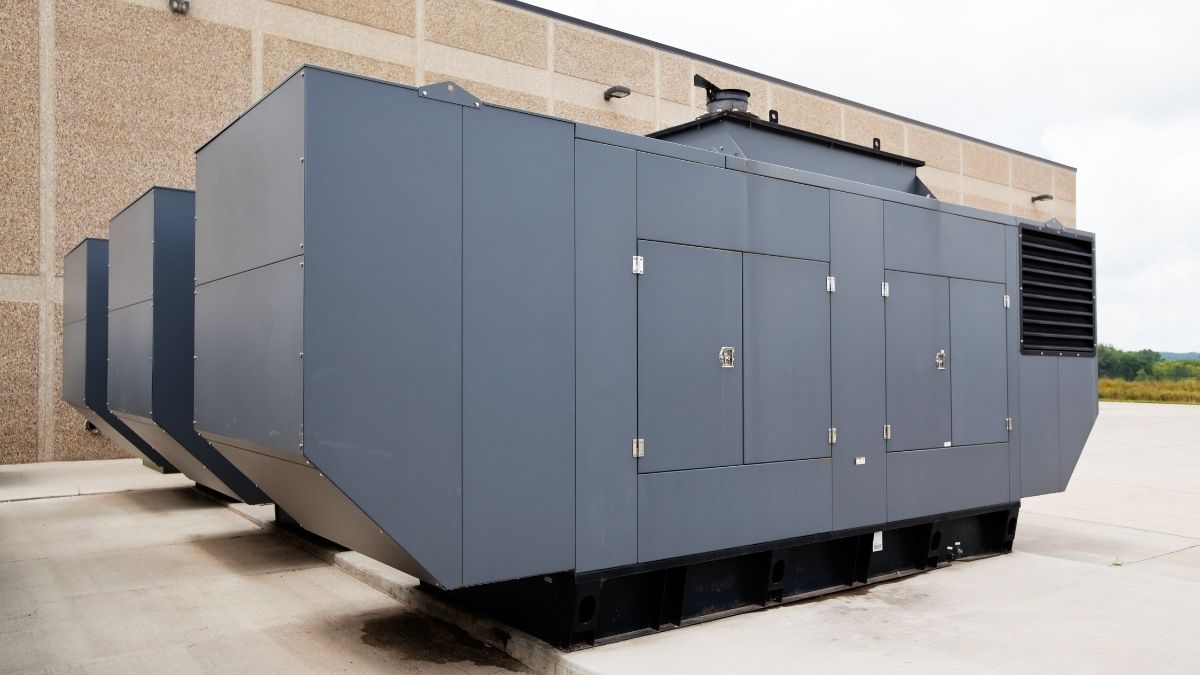
For many travelers, a hotel is more than just a place to sleep; it’s an integral part of the overall travel experience. From the opulent grandeur of a five-star resort like the Ritz Carlton to the cozy charm of a boutique hotel in Paris, the quality of amenities, including reliable power, significantly impacts guest satisfaction. Understanding the presence and capabilities of hotel generators can alleviate anxiety and ensure a smoother journey, especially when exploring destinations known for unpredictable weather patterns or aging infrastructure.
The Importance of Uninterrupted Power in Hospitality
In today’s interconnected world, a hotel’s reliance on electricity extends far beyond basic lighting and climate control. Modern hotel operations are deeply intertwined with technology. Think about it:
- Guest Comfort and Safety: Maintaining comfortable temperatures, powering essential medical equipment for guests with specific needs, and ensuring adequate lighting for security are paramount.
- Operational Continuity: Point-of-sale systems, elevators, kitchen appliances, refrigeration, laundry services, and communication systems all depend on a constant power supply. A prolonged outage can cripple a hotel’s ability to serve its guests and generate revenue.
- Technological Integration: High-speed internet, smart room controls, entertainment systems, and even digital key entry systems are now standard in many hotels. These technologies become useless without power.
- Reputation and Guest Reviews: Negative experiences due to power outages, especially if the hotel is unprepared, can quickly translate into damaging reviews on platforms like TripAdvisor, impacting future bookings.
The expectation of uninterrupted service is particularly high in luxury accommodations and resorts. Guests paying for premium experiences anticipate that all amenities will function flawlessly, regardless of external circumstances. Therefore, many establishments invest significantly in robust backup power solutions.
Factors Influencing Generator Availability
The likelihood of a hotel having a generator, and the capacity of that generator, is influenced by several key factors. These considerations help explain why a sprawling resort in a hurricane-prone region like Florida is far more likely to have extensive backup power than a small bed and breakfast in a city with a highly stable electrical grid.
Hotel Size and Star Rating
Larger hotels and those with higher star ratings generally have a greater probability of possessing generators.
- Five-Star Hotels and Luxury Resorts: Establishments aiming for the pinnacle of guest experience, such as the Four Seasons or a high-end resort in the Maldives, understand that power outages can severely detract from their brand promise. They are more likely to invest in powerful, whole-building generators that can sustain all operations, from guest rooms to restaurants and meeting spaces. These generators are often sized to handle the entire hotel’s electrical load.
- Mid-Range Hotels: Hotels in the three-to-four-star category might have generators, but their capacity could vary. Some may only have enough power to run essential services like emergency lighting, elevators, and a limited number of guest rooms, while others might aim for full backup.
- Budget Hotels and Hostels: Smaller, budget-friendly accommodations like hostels or basic motels are less likely to have generators. Their operational model often prioritizes cost-effectiveness, and the expense of installing and maintaining a generator may not be deemed essential for their target clientele, who may be more tolerant of minor inconveniences. However, even in these establishments, fire safety regulations might mandate some form of emergency lighting, which could be battery-powered or connected to a smaller, dedicated generator.
Location and Climate
The geographical location of a hotel plays a significant role in the decision to install backup power.
- Areas Prone to Natural Disasters: Regions frequently affected by hurricanes, blizzards, or earthquakes often experience widespread power outages. Hotels in such areas, like those in New Orleans during hurricane season or in the Northeast during winter storms, are almost certain to have generators to ensure guest safety and operational continuity.
- Urban vs. Rural: Major cities with robust infrastructure and redundant power grids may see fewer prolonged outages. In contrast, hotels in remote or rural locations might be more susceptible to power interruptions due to their reliance on less resilient power lines or the distance from repair crews.
- Countries with Unstable Grids: In some countries, particularly those undergoing rapid development or experiencing political instability, power outages can be a more frequent occurrence. Hotels catering to international travelers in these locations, such as in parts of Africa or South America, will often invest in generators as a standard operational necessity.
Hotel Infrastructure and Age
The age and design of a hotel can also be a factor. Older buildings might have been built before generators were considered a standard amenity. Retrofitting a generator into an older structure can be a significant engineering and financial undertaking. Newer constructions, especially those designed with resilience in mind, are more likely to incorporate generator systems from the outset. The sheer scale of a large convention hotel in a city like Las Vegas necessitates a robust power supply, often including backup generators to handle the massive demand.
What to Expect During a Power Outage
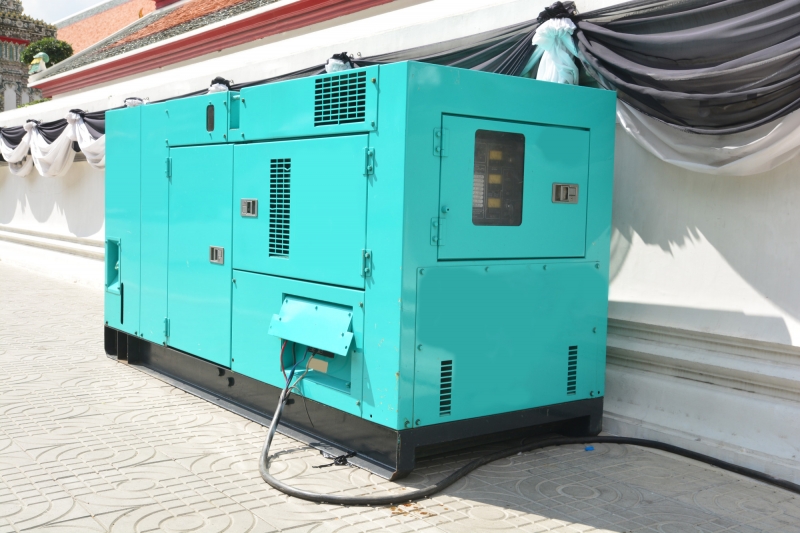
If a hotel does have a generator, what exactly will remain powered? This is where the generator’s capacity becomes critical.
Essential Services vs. Full Backup
- Essential Services Only: Many generators are sized to power only the most critical functions. This typically includes:
- Emergency Lighting: Illuminating stairwells, hallways, and exits to ensure safe evacuation.
- Fire Alarm Systems: Maintaining crucial safety systems.
- Elevators: Allowing guests to move between floors, although their operation might be prioritized to a limited number of cars.
- Basic Communication: Some phone lines or Wi-Fi access points might remain operational.
- Refrigeration: Keeping essential food and medical supplies cool.
- Partial Backup: Some generators might be able to power a percentage of the hotel’s electrical load, perhaps enough to keep a select number of guest rooms fully operational, along with key common areas like the lobby and a restaurant.
- Full Backup: The most comprehensive generator systems, often found in high-end hotels, are designed to power the entire property. This means guests can continue to enjoy air conditioning, lighting, in-room entertainment, internet access, and all hotel amenities as if no outage had occurred.
Generator Fuel and Runtime
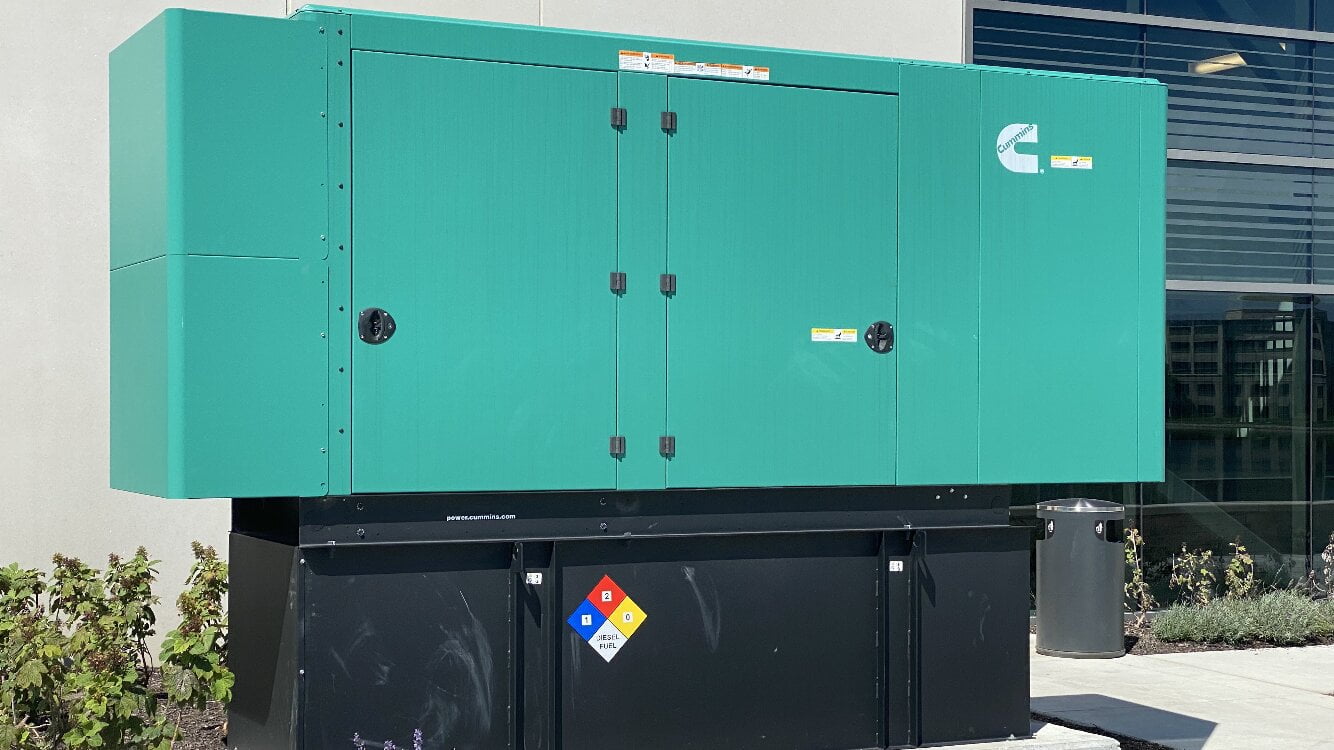
The duration a generator can operate depends on its fuel supply. Most hotel generators run on diesel fuel. The hotel’s management determines the size of the fuel tank and the frequency of refueling. A well-prepared hotel will have enough fuel to run its generator for several hours, or even days, depending on the size of the generator and the hotel’s consumption rate. Some larger hotels might have contracts for priority fuel delivery during widespread emergencies.
How to Find Out if a Hotel Has a Generator
For travelers who prioritize power reliability, knowing how to inquire about a hotel’s backup power is key.
Direct Inquiry
The most straightforward method is to ask directly.
- Before Booking: When researching hotels for your trip to a destination like Rome or a specific resort area, call the hotel’s reservations department or front desk. Clearly state your concern: “I’m looking to book a stay soon, and I was wondering if your hotel has backup generator power in case of an electrical outage.”
- During Check-in: If you’re particularly concerned or arriving during a time when outages are more likely (e.g., during a storm warning), you can politely inquire at the front desk upon arrival.
Reviewing Hotel Amenities Online
While not always explicitly listed, some hotel booking websites or the hotel’s own website might provide clues. Look for:
- “Full Backup Power” or “Generator”: These phrases might appear in the list of amenities, especially for luxury properties.
- “Resilience” or “Emergency Preparedness”: Some hotels, particularly those in disaster-prone areas, might highlight their preparedness measures.
- Guest Reviews: Savvy travelers sometimes mention power outages and how the hotel handled them in their reviews. Searching for terms like “power outage,” “generator,” or “blackout” within reviews can yield insights.
Considering the Hotel Type and Location
As discussed, the type of hotel (luxury resort, boutique hotel, budget motel) and its geographical location are strong indicators. A large convention hotel in downtown Chicago is more likely to have generators than a small inn in a rural part of Vermont.
Conclusion: Planning for Peace of Mind
The question of whether hotels have generators is a practical one that can significantly impact the comfort and convenience of your stay. While not every establishment is equipped with backup power, particularly smaller or budget-focused ones, larger hotels, luxury resorts, and those in disaster-prone regions are increasingly likely to have generators to ensure uninterrupted service.
For the discerning traveler, especially those on extended stays or those with specific needs, it’s wise to make this inquiry a part of your pre-travel planning. A quick phone call or a bit of online research can provide peace of mind, allowing you to focus on enjoying your journey, whether you’re exploring the historic streets of London or relaxing on a beach in Hawaii. By understanding the factors that influence generator availability and knowing how to ask, you can make more informed accommodation choices and ensure your travel experiences remain powered, connected, and comfortable, no matter what the grid throws your way.
LifeOutOfTheBox is a participant in the Amazon Services LLC Associates Program, an affiliate advertising program designed to provide a means for sites to earn advertising fees by advertising and linking to Amazon.com. Amazon, the Amazon logo, AmazonSupply, and the AmazonSupply logo are trademarks of Amazon.com, Inc. or its affiliates. As an Amazon Associate we earn affiliate commissions from qualifying purchases.