
The question of whether Nebraska is a swing state often sparks lively debate, particularly as election cycles approach. While its voting patterns might appear consistent on the surface, a deeper dive into its demographics, economic drivers, and the nuances of its political landscape reveals a state with more complexity than a simple red or blue designation might suggest. This exploration will delve beyond the political headlines to understand what makes Nebraska tick, examining its unique identity as a destination for travel, a hub for tourism, and a place that offers diverse lifestyle experiences, all of which contribute to its evolving political character.
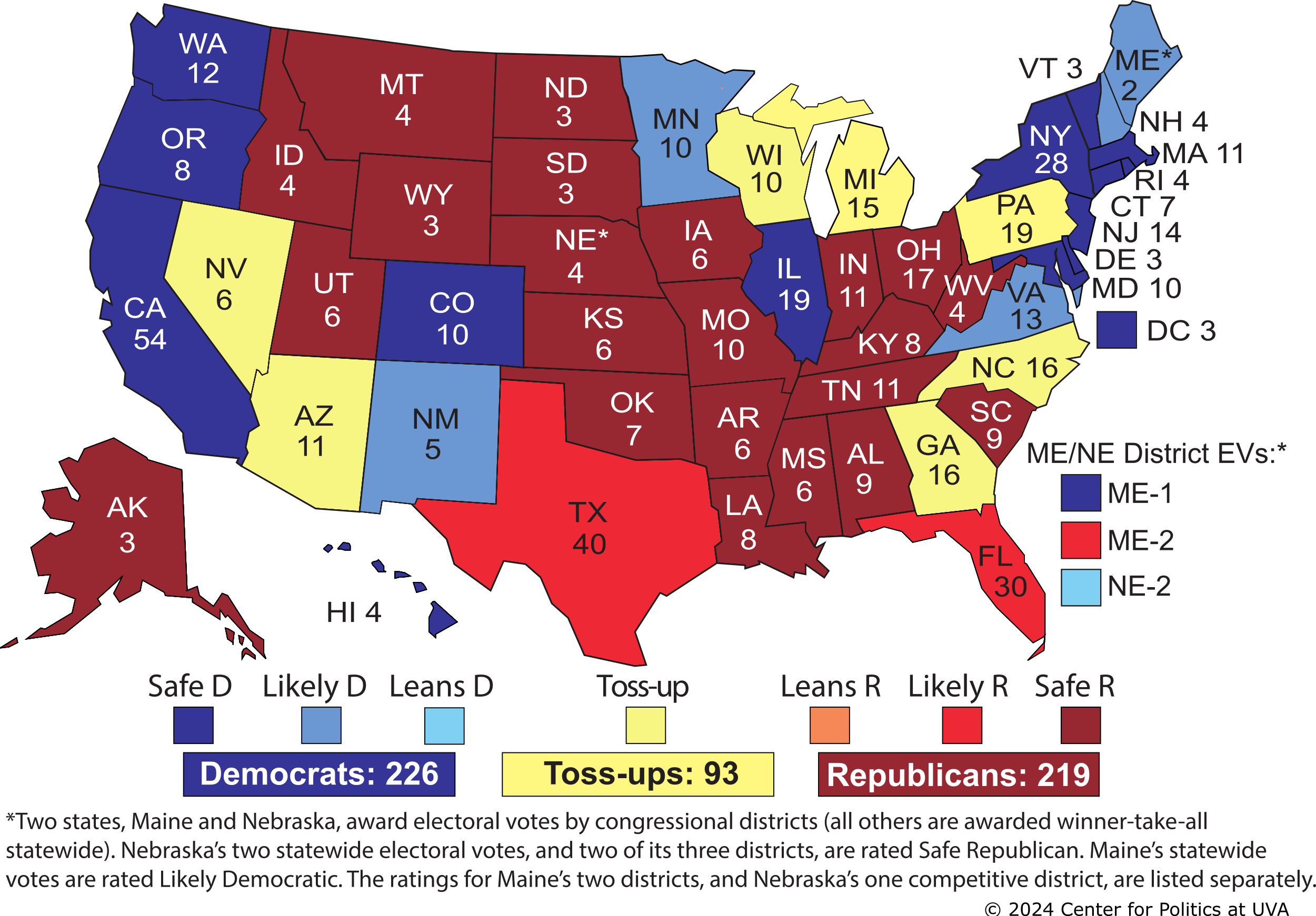
Unpacking Nebraska’s Political Identity
Historically, Nebraska has leaned Republican, solidifying its status as a reliably red state in presidential elections for decades. This perception is largely shaped by its rural character, agricultural backbone, and conservative cultural values prevalent in many of its communities. However, attributing Nebraska solely to one political leaning oversimplifies the diverse experiences and viewpoints within its borders. The state is not monolithic.
The Urban-Rural Divide
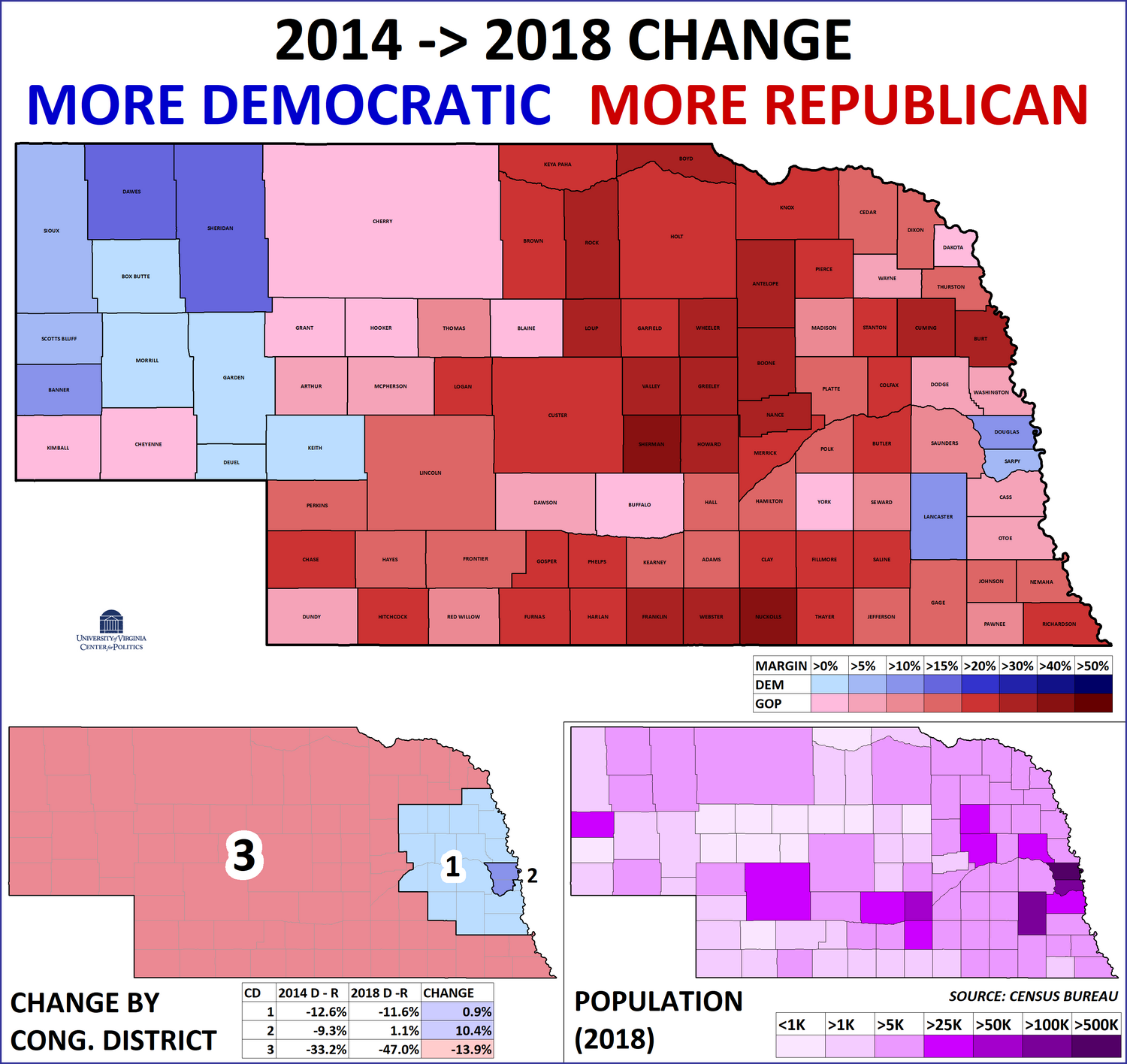
A significant factor influencing Nebraska‘s political leanings is the pronounced urban-rural divide. Omaha, the state’s largest city, and its capital, Lincoln, are bastions of more liberal thought and Democratic support. These urban centers are characterized by diverse populations, a growing professional class, and a more cosmopolitan outlook. Here, the economy is increasingly driven by sectors beyond agriculture, including finance, technology, and healthcare, which can foster different political perspectives.
In contrast, the vast rural areas of Nebraska are deeply rooted in traditional values and an economy heavily dependent on agriculture. Issues such as farm subsidies, land use, and commodity prices often take precedence, aligning voters with the Republican party’s platform on these matters. The close-knit communities and strong sense of heritage in these regions contribute to a more conservative voting bloc. This dichotomy between its urban cores and its extensive rural landscape creates a dynamic that, while generally favoring the Republican party, prevents it from being an unshakeable stronghold.
Shifting Demographics and Emerging Trends
Like many states, Nebraska is experiencing demographic shifts that could influence its future political trajectory. While the overall population growth might be modest compared to some coastal states, changes in age, ethnicity, and education levels are occurring. The growing Hispanic population, particularly in areas like Omaha and Grand Island, represents a demographic segment whose political engagement and preferences are vital to understanding the state’s evolving electorate.
Furthermore, the increasing presence of younger voters, many of whom have been educated in Nebraska‘s universities and may have different priorities than older generations, adds another layer of complexity. While Nebraska may not be a swing state in the same vein as Pennsylvania or Arizona, these subtle shifts indicate that its political landscape is not static. The state’s ability to attract and retain talent in its growing cities, coupled with the continued importance of its agricultural heritage, creates a unique blend of influences that could lead to closer contests in the future, especially at the state and local levels.
Nebraska: More Than Just Politics
Beyond the political discourse, Nebraska offers a compelling narrative as a travel destination and a vibrant tourism hub. Its attractions, often overlooked, provide a rich tapestry of experiences that cater to a wide range of interests, from outdoor adventures to cultural immersion. Understanding these facets of Nebraska provides context for the people who live there and vote, revealing a state with a distinct identity shaped by its landscape, history, and people.

Experiencing Nebraska’s Natural Beauty and Landmarks
Nebraska‘s natural beauty is often understated but deeply rewarding. The Sandhills, a vast expanse of rolling sand dunes and prairie grasslands, offer a unique ecosystem and opportunities for hiking, wildlife viewing, and experiencing a truly untamed American landscape. This region is home to diverse flora and fauna, making it a significant area for conservation efforts and a haven for those seeking tranquility and connection with nature.
Further west, Scotts Bluff National Monument stands as an iconic landmark, a towering testament to the pioneers who traversed the Oregon Trail. These dramatic bluffs served as a crucial landmark for emigrants heading west, and today, they offer stunning vistas and a glimpse into a pivotal chapter of American history. Visitors can explore trails that wind through the monument, visit the interpretive center, and imagine the arduous journey of those who passed through this rugged terrain.
The Niobrara River Valley in northeastern Nebraska is another natural gem, known for its dramatic canyons, waterfalls, and abundant wildlife. Activities like canoeing, kayaking, and wildlife watching are popular here, offering a refreshing contrast to the state’s more open prairie landscapes. The Niobrara State Park provides access to these natural wonders, showcasing the state’s surprising geological diversity.
Embracing Nebraska’s Culture and Culinary Delights
Nebraska‘s cultural scene is a blend of its agricultural roots and its growing urban sophistication. Omaha boasts a thriving arts and culture scene with institutions like the Joslyn Art Museum, which houses an impressive collection of European and American art. The city’s historic Old Market district is a charming area filled with cobblestone streets, unique boutiques, art galleries, and a vibrant restaurant scene, offering a taste of both local flavors and international cuisine.
When it comes to food, Nebraska is renowned for its beef. The state’s cattle industry is a cornerstone of its economy, and this translates into exceptional culinary experiences. From casual diners serving up hearty burgers to upscale steakhouses, visitors can savor some of the finest beef in the country. Beyond beef, Nebraska offers traditional Midwestern comfort food, with dishes like runzas (a savory meat and cabbage pastry) and hearty casseroles reflecting the state’s heritage. Exploring local farmers’ markets also provides an opportunity to taste fresh, seasonal produce and artisanal products, further highlighting the connection between the land and the plate.
Diverse Accommodation and Lifestyle Options
Nebraska offers a wide spectrum of accommodation options, catering to every type of traveler and lifestyle. In Omaha and Lincoln, travelers can find a range of hotels, from luxurious suites in downtown hotels like the Magnolia Hotel Omaha to boutique accommodations offering a more intimate experience. For those seeking extended stays or a home-away-from-home feel, serviced apartments and vacation rentals are increasingly available in these urban centers.
In the more rural parts of the state, visitors can discover charming bed and breakfasts nestled amidst scenic landscapes, or rustic cabins offering a secluded escape. Resorts in areas like the Sandhills provide opportunities for outdoor recreation, golf, and a chance to experience the grandeur of Nebraska‘s natural environment. The choice of accommodation often reflects the desired lifestyle of the visitor, whether it’s a bustling city break in Omaha, a peaceful retreat in the countryside, or an adventurous exploration of the state’s natural wonders. This accessibility to diverse lodging experiences makes Nebraska a practical and appealing destination for various travel styles, including luxury travel, budget-friendly trips, and family vacations.
Conclusion: A State of Evolving Identity
In conclusion, the question of whether Nebraska is a swing state is nuanced. While its historical voting record and demographic composition generally favor the Republican party, particularly in its rural heartland, the growing urban centers of Omaha and Lincoln are increasingly demonstrating more diverse political leanings. The state’s evolving demographics, alongside shifts in economic drivers and cultural influences, suggest a political landscape that is not entirely fixed.
Beyond politics, Nebraska stands as a compelling destination with a rich array of travel opportunities, from the breathtaking natural beauty of the Sandhills and Scotts Bluff National Monument to the vibrant cultural experiences in its cities. The diverse range of accommodations and lifestyle choices further underscores its appeal to a broad audience. Ultimately, Nebraska is a state of evolving identity, where tradition meets progress, and where the whispers of change can be heard beneath the steady hum of its agricultural economy. While it may not be a perennial swing state in presidential elections, its internal dynamics and the experiences it offers paint a picture of a state that is both grounded in its heritage and open to the future.
LifeOutOfTheBox is a participant in the Amazon Services LLC Associates Program, an affiliate advertising program designed to provide a means for sites to earn advertising fees by advertising and linking to Amazon.com. Amazon, the Amazon logo, AmazonSupply, and the AmazonSupply logo are trademarks of Amazon.com, Inc. or its affiliates. As an Amazon Associate we earn affiliate commissions from qualifying purchases.