
For travelers planning a getaway to the United States and specifically the tropical paradise of Hawaii, weather is often the primary consideration. Known for its eternal spring and golden beaches, the Aloha State is a dream destination. However, a common question arises during the planning phase: “Do hurricanes hit Hawaii?” While the islands are located in the heart of the Pacific Ocean, the answer is a nuanced combination of meteorological rarity, historical data, and essential tourism safety tips. Understanding these dynamics is vital for any visitor looking to balance adventure with peace of mind.
Understanding the Threat: Weather Patterns in the Central Pacific
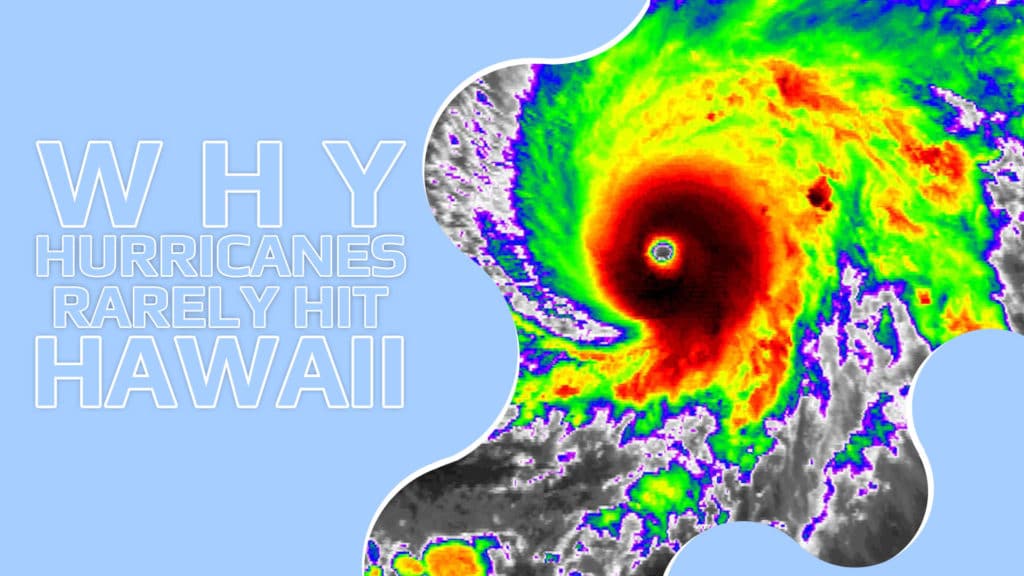
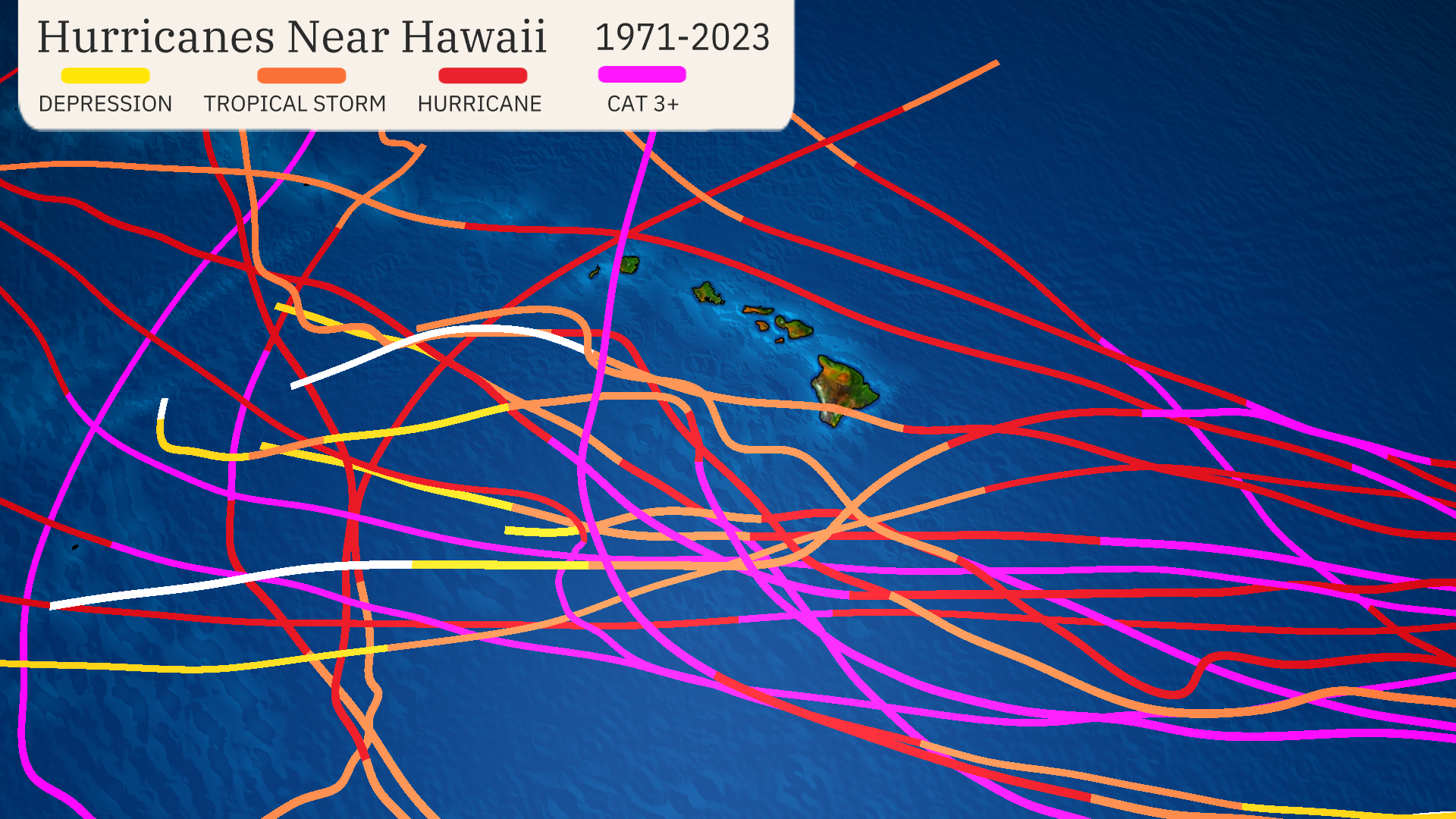
While the Atlantic Ocean and the Gulf of Mexico are frequently in the news for major storm events, the Central Pacific region operates under a different set of atmospheric rules. Hawaii technically has a hurricane season that mirrors the United States East Coast, running from June 1st through November 30th. However, direct hits are statistically rare.
The Science of Protection
Geographically, Hawaii is a tiny target in a vast ocean. Several natural factors act as a shield for the islands. First, a semi-permanent high-pressure ridge usually sits to the northeast of the archipelago, which tends to steer storms away from the islands. Second, the waters immediately surrounding Hawaii are often cooler than those further south. Hurricanes require warm water—typically above 80 degrees Fahrenheit—to maintain their strength. As storms move toward Honolulu or Hilo, they often encounter cooler patches or wind shear that rips the storm’s structure apart.
Hurricane Season vs. Tropical Storms
It is important for tourists to distinguish between a full-scale hurricane and a tropical storm or depression. While a Category 4 or 5 hurricane making landfall is an outlier, Hawaii frequently experiences the remnants of these systems. These often manifest as increased humidity, heavy rainfall, and higher surf on the North Shore or the eastern shores of the Big Island. For a visitor, this might mean a canceled snorkeling trip at Hanauma Bay rather than a full evacuation.
Historical Context: Notable Storms that Shaped the Islands
To understand the impact of weather on Hawaii tourism, one must look at the few times the natural defenses failed. These events have shaped how the state manages tourism and safety today.
Hurricane Iniki and the Impact on Kauai
The most significant event in modern history was Hurricane Iniki, which struck Kauai in September 1992. As a Category 4 storm, it caused massive damage to the Garden Isle. The tourism industry on Kauai took years to recover, but the lessons learned were invaluable. Today, the infrastructure on Kauai and the neighboring islands is significantly more resilient, with stricter building codes and sophisticated early warning systems.
Hurricane Iwa and Hurricane Dot
Other notable mentions include Hurricane Iwa in 1982, which passed near Kauai and Niihau, and Hurricane Dot in 1959. Each of these events taught the Hawaii Tourism Authority how to better coordinate with visitors. If you are staying at a major resort in Waikiki, you are benefiting from decades of disaster preparedness planning that began with these historical storms.
Recent Near Misses: Lane and Douglas
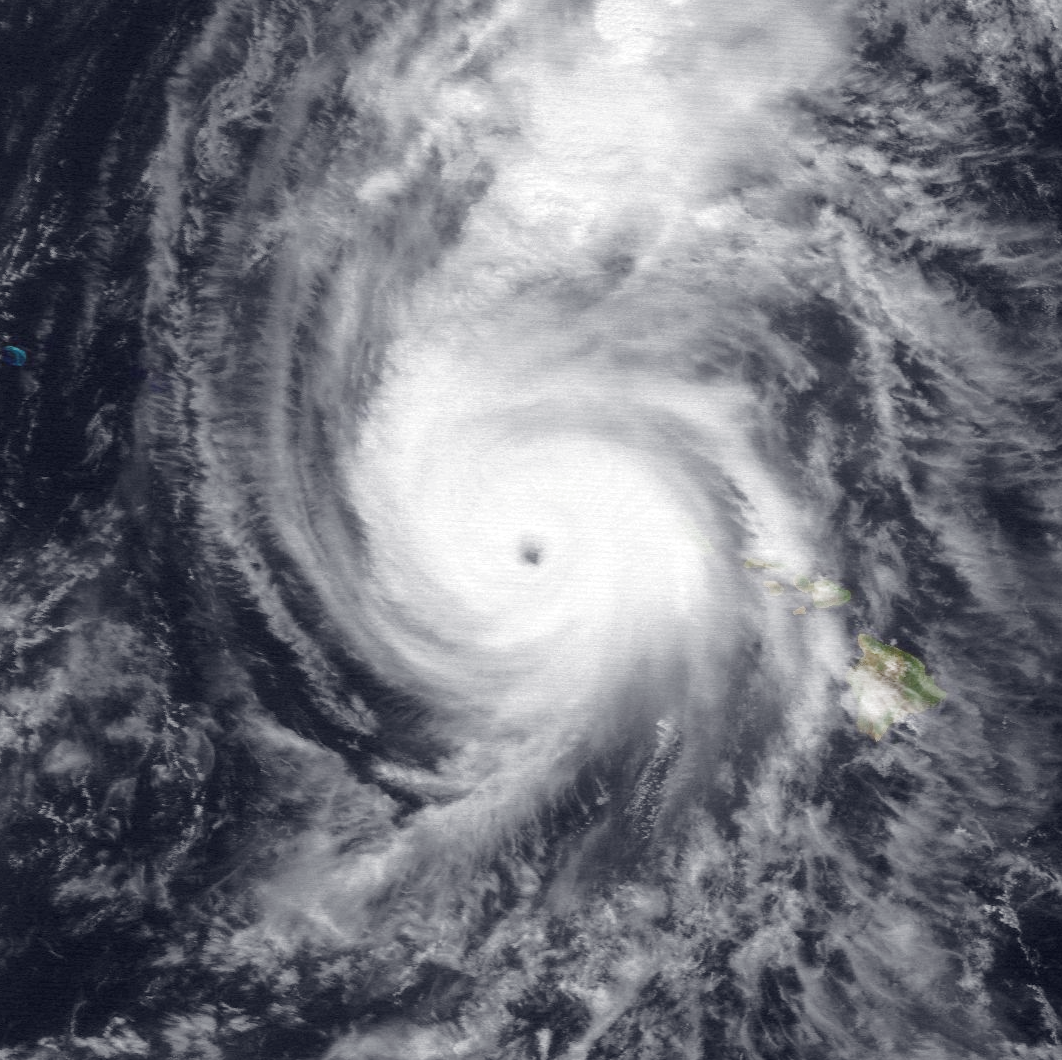
In more recent years, Hurricane Lane (2018) and Hurricane Douglas (2020) provided modern tests of the system. Hurricane Lane brought record-breaking rainfall to Hilo on the Big Island, causing flash flooding that affected local tours and access to Hawaii Volcanoes National Park. Hurricane Douglas passed dangerously close to Oahu, leading to temporary closures of popular sites like Pearl Harbor. These “near misses” emphasize that while landfalls are rare, the influence of a passing storm is something every traveler should be ready for.
Essential Tips for Travelers During Hurricane Season
If your trip to Maui, Lanai, or Molokai falls between June and November, there is no need to panic. With a few strategic steps, you can ensure your vacation remains enjoyable regardless of the forecast.
Monitoring the Central Pacific Hurricane Center
The most reliable source of information is the Central Pacific Hurricane Center based in Honolulu. Unlike generic weather apps, this organization provides specific tracks and wind speed probabilities for the Hawaiian Islands. Most hotels and resorts, such as those lining Kaanapali Beach, will display updates from this center in their lobbies during active weather events.
Travel Insurance and Flexibility
When booking a trip during the peak of hurricane season—typically August and September—purchasing travel insurance is highly recommended. Ensure your policy covers “trip cancellation or interruption” due to weather. If a tropical storm is approaching Lihue or Kona, airlines like Hawaiian Airlines often issue travel waivers, allowing you to rebook your flights without fees. Flexibility is the key to a stress-free experience.
Packing and Local Supplies
While you likely won’t need a full survival kit, having a few “just in case” items in your carry-on is wise. This includes a portable power bank, any necessary medications, and a waterproof jacket. If a storm warning is issued while you are in Lahaina or Kihei, locals will head to stores like Costco or Safeway to stock up. As a tourist, you should ensure you have enough water and non-perishable snacks for 48 hours, though your hotel will likely provide guidance and resources.
Tourism Infrastructure and Safety Protocols
Hawaii takes the safety of its visitors very seriously. The state’s economy relies heavily on tourism, and ensuring that guests are protected during natural disasters is a top priority for the Hawaii Emergency Management Agency.
Resort Safety Measures
Major tourist hubs like Waikiki Beach are well-equipped. Most high-rise hotels are built with reinforced concrete and are designed to serve as “shelter-in-place” locations. If a storm approaches Oahu, hotel management will provide detailed instructions on where to go. In many cases, guests are moved to interior hallways or lower-level ballrooms. Communication is streamlined through guest room phones and digital displays.
Communication Systems
The State of Hawaii utilizes a comprehensive siren system that is tested on the first business day of every month. While these sirens are used for tsunamis as well, they are part of a broader alert network. Visitors should also pay attention to Wireless Emergency Alerts (WEA) on their mobile devices. Whether you are hiking the Kalalau Trail or visiting Waimea Canyon State Park, these alerts can be life-saving.
Impact on Activities and Tours
Safety protocols often mean that outdoor activities are the first things to be canceled. Boat tours along the Na Pali Coast or helicopter rides over Manua Loa will be grounded well before a storm makes landfall. While this can be disappointing, it is done with the utmost caution. Local tour operators in Hawaii are experts at reading the conditions and will usually offer a refund or a reschedule date once the weather clears.
Planning Your Trip with Peace of Mind
Despite the potential for storms, the vast majority of visitors to Hawaii experience nothing but sunshine and gentle trade winds. The risk of a hurricane should not deter you from experiencing the beauty of the Polynesian culture and the stunning landscapes of the islands.
Rainy Day Alternatives
If a tropical system brings rain to your beach day at Poipu Beach or Hapuna Beach, use it as an opportunity to explore Hawaii’s indoor cultural treasures. In Honolulu, the Bishop Museum offers an incredible look into the history of the Pacific. You can also visit Iolani Palace, the only royal palace on United States soil, which provides a profound educational experience regardless of the weather outside.
Seasonal Benefits
Traveling during hurricane season actually has its perks. Late summer and fall often see fewer crowds at major attractions like the Road to Hana or the Diamond Head State Monument. You may also find more competitive pricing for accommodations in Kapalua or Princeville. By staying informed and prepared, you can take advantage of these benefits while minimizing the risks associated with the weather.
In conclusion, while hurricanes do occasionally hit or pass near Hawaii, they are not a frequent occurrence that should derail your travel plans. The combination of the islands’ natural geographic defenses and a highly sophisticated tourism safety infrastructure makes Hawaii one of the safest tropical destinations in the world. By keeping an eye on the Central Pacific Hurricane Center and maintaining a flexible itinerary, you can enjoy everything the Aloha State has to offer, from the lush rainforests of East Maui to the volcanic wonders of the Big Island, with complete confidence.
LifeOutOfTheBox is a participant in the Amazon Services LLC Associates Program, an affiliate advertising program designed to provide a means for sites to earn advertising fees by advertising and linking to Amazon.com. Amazon, the Amazon logo, AmazonSupply, and the AmazonSupply logo are trademarks of Amazon.com, Inc. or its affiliates. As an Amazon Associate we earn affiliate commissions from qualifying purchases.