
Embarking on a career as an Emergency Medical Technician (EMT) in Texas is a calling for those who are driven by a desire to help others and possess a calm demeanor under pressure. This vital role places you at the forefront of emergency medical services, providing immediate care to patients in critical situations. The path to becoming a certified EMT in the Lone Star State involves a structured process encompassing education, examination, and certification. This guide will navigate you through each essential step, ensuring you are well-prepared to join the ranks of these dedicated healthcare professionals.
Understanding the Role of an EMT in Texas
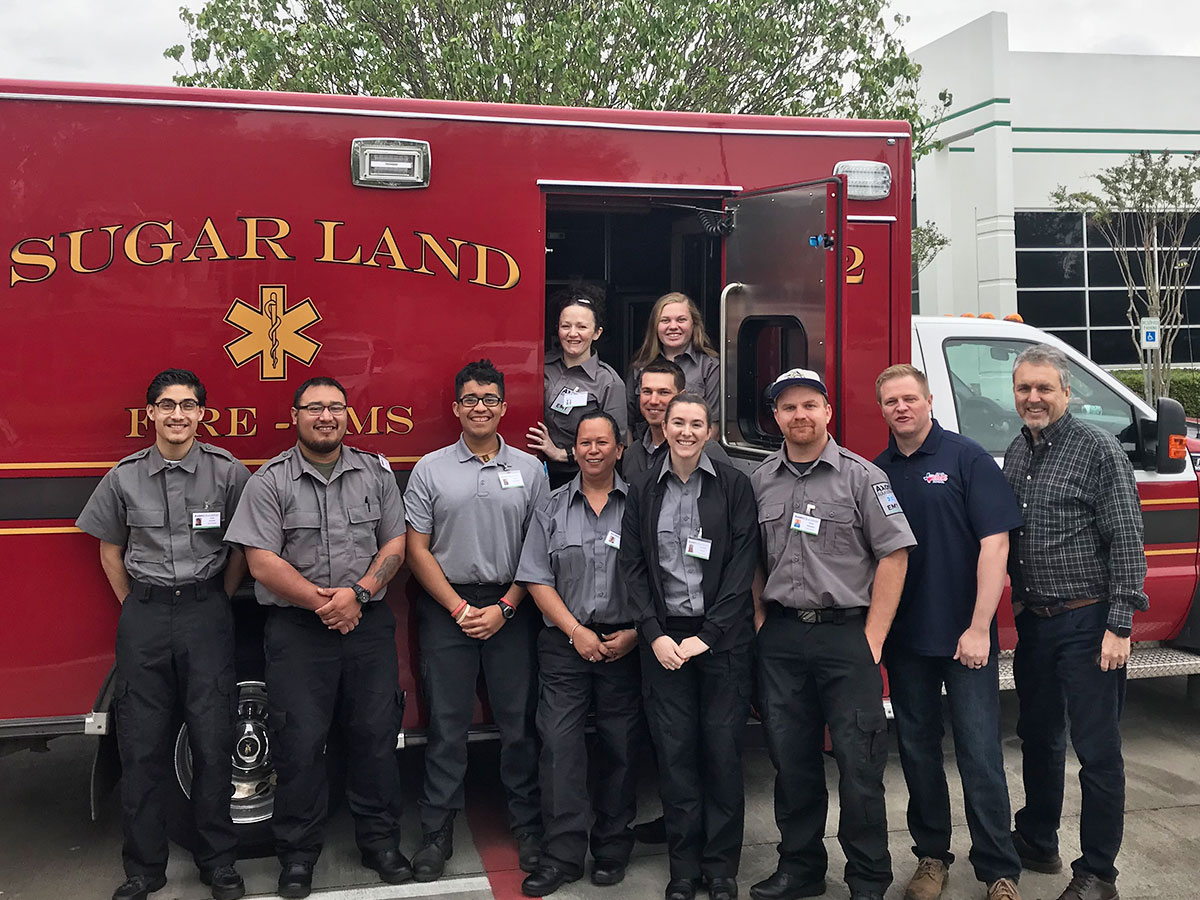
Emergency Medical Technicians are the first responders in medical emergencies. They assess patient conditions, administer basic life support, and transport patients to medical facilities. The scope of practice for an EMT in Texas is defined by the Texas Department of State Health Services (TDSHS) and involves a range of skills, from basic first aid and CPR to more advanced procedures like administering certain medications and stabilizing fractures. EMTs work in various settings, including ambulances, fire departments, hospitals, and private emergency medical services. The profession demands physical and emotional resilience, excellent communication skills, and a commitment to continuous learning.
Key Responsibilities and Skills
An EMT’s daily duties are diverse and often unpredictable. They are trained to:
- Assess Patient Conditions: Rapidly evaluate a patient’s situation, identify life-threatening conditions, and determine the appropriate course of action. This includes taking vital signs, checking for responsiveness, and observing for signs of trauma or illness.
- Administer Basic Life Support (BLS): Perform cardiopulmonary resuscitation (CPR), manage airway obstruction, and provide oxygen therapy.
- Control Bleeding and Treat Shock: Employ techniques to stop hemorrhaging and manage the physiological effects of shock.
- Stabilize Fractures and Immobilize Patients: Use splints and other devices to prevent further injury to fractures and suspected spinal injuries.
- Assist with Medication Administration: Under medical direction, administer certain prescribed medications.
- Communicate Effectively: Provide clear and concise information to patients, their families, dispatchers, and hospital staff.
- Operate Emergency Vehicles: Safely drive ambulances to and from emergency scenes and medical facilities.
- Maintain Equipment and Records: Ensure all medical equipment is functional and properly stocked, and accurately document patient care provided.
Educational Pathways and Requirements
To become an EMT in Texas, aspiring professionals must complete an accredited EMT training program. These programs are offered by community colleges, vocational schools, and private training institutions across the state. The curriculum is designed to equip students with the theoretical knowledge and practical skills necessary to perform their duties competently and safely.
EMT Training Programs
EMT training programs in Texas typically adhere to the national standards set by the National Registry of Emergency Medical Technicians (NREMT) and the curriculum framework established by the TDSHS. A standard EMT program usually lasts between 4 to 6 months and includes:
- Didactic Instruction: Classroom-based learning covering anatomy, physiology, medical terminology, pharmacology, patient assessment, and various medical and trauma emergencies.
- Skills Labs: Hands-on practice sessions where students learn and refine essential emergency procedures like airway management, wound care, splinting, and administering CPR.
- Clinical Rotations: Practical experience gained in real-world settings. This typically includes rotations on an ambulance, in an emergency room, and potentially other healthcare environments. These rotations are crucial for applying learned skills under the supervision of experienced healthcare professionals.
Prerequisites for Entry
Before enrolling in an EMT program, prospective students must meet certain prerequisites, which often include:
- Age: Be at least 18 years old.
- Education: Possess a high school diploma or GED.
- Background Check: Pass a criminal background check. Some programs may also require a drug screening.
- Immunizations: Provide proof of required immunizations.
- Physical Fitness: Demonstrate the ability to perform the physical demands of the job, which may include lifting, carrying, and bending.
The Certification and Licensure Process
Upon successful completion of an accredited EMT program, the next critical steps involve passing a national certification exam and obtaining a state license to practice in Texas.
National Certification (NREMT)
The National Registry of Emergency Medical Technicians (NREMT) administers a standardized cognitive and psychomotor exam. Passing the NREMT exam is a prerequisite for state licensure in most states, including Texas.
- Cognitive Exam: This is a computer-based test that assesses your knowledge of EMT principles and practices across various domains. It is adaptive, meaning the difficulty of subsequent questions adjusts based on your performance.
- Psychomotor Exam: This practical exam evaluates your ability to perform essential EMT skills in simulated emergency scenarios. You will be assessed on your competency in areas such as patient assessment, cardiac arrest management, and trauma management.
Texas State Licensure
Once you have successfully passed the NREMT exam, you can apply for an EMT license through the Texas Department of State Health Services (TDSHS). The application process typically involves:
- Submitting an Application: Completing the official EMT license application form provided by the TDSHS.
- Proof of NREMT Certification: Providing documentation of your successful completion of the NREMT certification exam.
- Background Check: Completing any required state-specific background checks.
- Fees: Paying the necessary application and licensing fees.
Upon approval of your application, you will be issued an EMT license, allowing you to practice legally in Texas.
Maintaining Your EMT Certification and License
EMT certification and licensure are not permanent. To maintain your status and continue practicing, you must meet ongoing requirements for continuing education and renewal.
Continuing Education (CE) Requirements
The TDSHS mandates a specific number of Continuing Education (CE) hours that EMTs must complete within each licensing period. These hours ensure that EMTs stay updated with the latest medical advancements, protocols, and best practices. CE courses cover a wide range of topics, from advanced airway management and cardiac care to mass casualty incidents and specific medical conditions. Many accredited organizations and training centers offer approved CE courses, both online and in-person.
Renewal Process
EMT licenses in Texas are typically valid for a set period, after which they must be renewed. The renewal process generally involves:
- Completing CE Hours: Documenting that you have met the required Continuing Education hours.
- Submitting a Renewal Application: Filling out and submitting the official renewal application form.
- Paying Renewal Fees: Covering the cost associated with license renewal.
- Maintaining NREMT Certification: In many cases, maintaining your NREMT certification also contributes to or fulfills state renewal requirements.
It is crucial to be aware of your license expiration date and begin the renewal process well in advance to avoid any lapses in your ability to practice.
Career Opportunities and Advancement
Becoming an EMT in Texas opens doors to a rewarding career with numerous opportunities for growth and specialization. The demand for skilled EMTs remains consistently high, driven by population growth and the essential nature of emergency medical services.
Diverse Employment Settings
EMTs can find employment in a variety of settings:
- Ambulance Services: This is the most common employer, providing emergency transport for patients to hospitals. This can include private ambulance companies, municipal services, and hospital-based EMS.
- Fire Departments: Many fire departments employ EMTs and paramedics, integrating them into their first-response teams.
- Hospitals: EMTs can work in emergency departments, assisting with patient care, or in other clinical support roles.
- Industrial Settings: Large industrial facilities or event venues may employ EMTs for on-site medical coverage.
- Government Agencies: Opportunities exist with federal, state, and local government entities.
Pathways for Advancement
The EMT certification often serves as a foundational step for further career development in emergency medical services and healthcare. Common advancement paths include:
- Advanced EMT (AEMT): This level involves more extensive training, allowing for a broader range of patient care interventions, including some advanced airway management and intravenous fluid administration.
- Paramedic: This is the highest level of pre-hospital emergency care provider, requiring extensive training and in-depth knowledge of advanced medical procedures, pharmacology, and critical care.
- Specialized Roles: With experience and additional training, EMTs can specialize in areas such as critical care transport, flight nursing, or medical instruction.
- Management and Administration: Experienced EMTs may move into supervisory or administrative roles within EMS agencies.
A career as an Emergency Medical Technician in Texas is a path of service, dedication, and continuous learning. By understanding and diligently following the educational, examination, and licensure requirements, you can successfully embark on this critical and deeply fulfilling profession, ready to make a profound difference in the lives of those in need.
LifeOutOfTheBox is a participant in the Amazon Services LLC Associates Program, an affiliate advertising program designed to provide a means for sites to earn advertising fees by advertising and linking to Amazon.com. Amazon, the Amazon logo, AmazonSupply, and the AmazonSupply logo are trademarks of Amazon.com, Inc. or its affiliates. As an Amazon Associate we earn affiliate commissions from qualifying purchases.