
Texas, a state renowned for its vast landscapes, scorching summers, and diverse microclimates, presents a unique challenge for many popular garden plants. Among these, the hydrangea, a genus celebrated for its voluminous, often vibrant blooms, sparks a frequent question among horticultural enthusiasts and casual gardeners alike: “Do hydrangeas grow in Texas?” The answer, while not a simple yes or no, leans towards a hopeful and achievable “yes,” with significant caveats and a need for careful selection and cultivation strategies. Understanding the specific environmental conditions of Texas is paramount to successfully coaxing these beloved shrubs to thrive.
Understanding Texas’s Horticultural Challenges for Hydrangeas
Texas’s climate is notoriously varied. From the humid subtropical conditions of East Texas to the arid extremes of West Texas, and the coastal plains with their salt-laced breezes, a single approach to gardening is rarely successful. Hydrangeas, particularly the popular Hydrangea macrophylla (Bigleaf Hydrangea) and Hydrangea serrata (Mountain Hydrangea), are generally woodland plants that prefer dappled shade, consistently moist soil, and protection from harsh winds and intense midday sun. These conditions are often at odds with the typical Texas environment.
Heat and Sun Intensity
The most significant hurdle is the intense Texas sun and heat, especially during the long summer months. Direct, scorching sunlight can quickly scorch hydrangea leaves, leading to wilting, browning, and a general decline in plant health. The high temperatures can also stress the root system, making it difficult for the plant to absorb enough water. Many gardeners in states with milder climates plant hydrangeas in full sun, a practice that is generally ill-advised in Texas.
Soil and Water Availability
While some parts of Texas, particularly the eastern and coastal regions, receive ample rainfall, others, like the Panhandle and West Texas, are significantly drier. Hydrangeas are thirsty plants, and their large leaves can lose a substantial amount of water through transpiration. In drier regions, consistent and adequate watering is crucial, often requiring more than natural rainfall can provide, especially during the hottest parts of the year. Furthermore, Texas soils can vary greatly, from heavy clays that can become waterlogged to sandy soils that drain too quickly. Hydrangeas prefer well-draining, fertile soil rich in organic matter. Amending Texas soils to meet these requirements is often a necessary step for success.
Wind Exposure
Strong winds, common in many parts of Texas, can dehydrate hydrangeas quickly, break delicate stems, and damage their large, showy flower heads. Planting hydrangeas in a location sheltered from prevailing winds is a vital consideration for their survival and aesthetic appeal.
Hydrangea Varieties Best Suited for Texas Climates
While not all hydrangeas are created equal when it comes to heat tolerance, several species and cultivars have proven more resilient and are recommended for Texas gardeners. The key is to choose varieties that can withstand higher temperatures and intense sunlight, or to provide them with the necessary protection.
Panicle Hydrangeas (Hydrangea paniculata)
Among the most adaptable and heat-tolerant hydrangeas for Texas is the panicle hydrangea (Hydrangea paniculata). Unlike the bigleaf hydrangeas, these shrubs produce cone-shaped flower clusters that mature from white to shades of pink or red as the season progresses. Varieties like ‘Limelight’, ‘Little Lime’, ‘Little Quick Fire’, and ‘Bobo’ are popular choices. They can tolerate more sun than other types and are generally hardier. While they still appreciate some afternoon shade, they are far more forgiving of Texas’s sunny disposition.
Smooth Hydrangeas (Hydrangea arborescens)
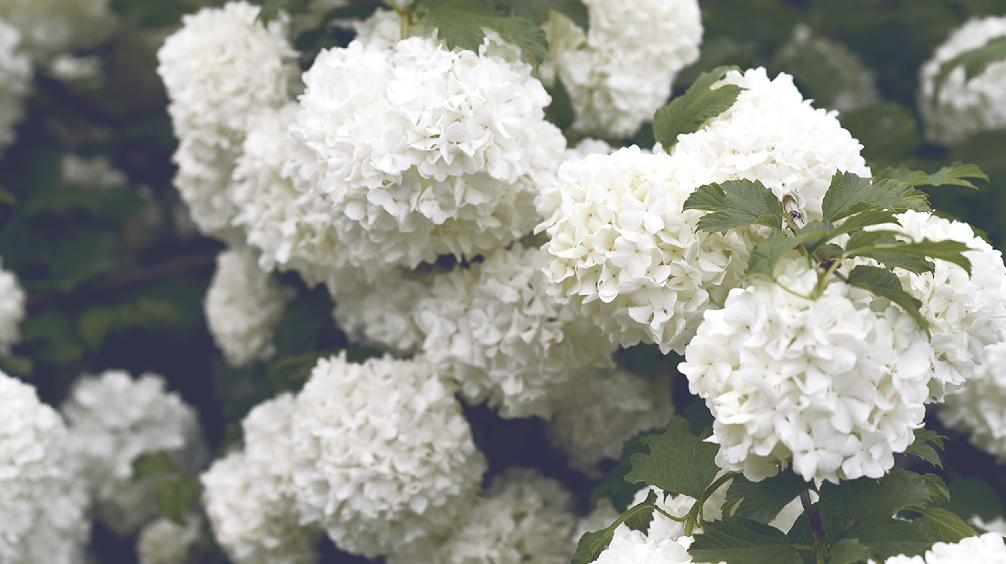
The smooth hydrangea (Hydrangea arborescens) is another excellent option, particularly for its resilience. The most famous cultivar is ‘Annabelle’, known for its large, white, globe-shaped blooms. Newer varieties like ‘Incrediball’ and ‘Invincibelle Spirit’ offer similar or even improved characteristics. Smooth hydrangeas are generally more heat-tolerant and drought-tolerant than bigleaf hydrangeas, though they still benefit from consistent moisture and partial shade.
Oakleaf Hydrangeas (Hydrangea quercifolia)
Native to the southeastern United States, oakleaf hydrangeas (Hydrangea quercifolia) are remarkably well-suited for many parts of Texas. They are named for their distinctively lobed leaves, which often turn attractive shades of red and burgundy in the fall. Their white, cone-shaped flowers fade to a rosy pink. Oakleaf hydrangeas are more drought-tolerant and exhibit better heat tolerance than bigleaf hydrangeas. They also offer multi-season interest with their unique foliage and fall color. Popular cultivars include ‘Alice’, ‘Snowflake’, and ‘Pee Wee’.
Bigleaf Hydrangeas (Hydrangea macrophylla) and Mountain Hydrangeas (Hydrangea serrata) – With Caution
These are the hydrangeas most people picture with their large, mophead or lacecap blooms, and they are the most challenging to grow successfully in Texas. However, it is not impossible. Success with these varieties hinges entirely on providing them with optimal conditions. Newer reblooming varieties, such as ‘Endless Summer’ and ‘Twist ‘n Shout’, have increased their popularity. These can bloom on both old and new wood, offering a longer flowering season. For these types, rigorous attention to location, soil, and watering is non-negotiable.
Strategic Planting and Care for Texas Hydrangeas
Successfully growing hydrangeas in Texas requires a proactive approach to site selection, soil preparation, and ongoing care. By implementing these strategies, gardeners can significantly increase their chances of enjoying these beautiful blooms.
Choosing the Right Location
The single most critical factor for hydrangea success in Texas is location.
- Morning Sun, Afternoon Shade: This is the ideal scenario. A spot that receives the gentle morning sun, which is less intense, and is protected from the harsh, direct afternoon sun of Texas is paramount for most hydrangea types, especially bigleaf and mountain hydrangeas. East-facing locations are often prime real estate.
- Dappled Shade: Under the canopy of large, established trees that allow some filtered sunlight to reach the plants can also be a good option. This mimics their natural woodland habitat.
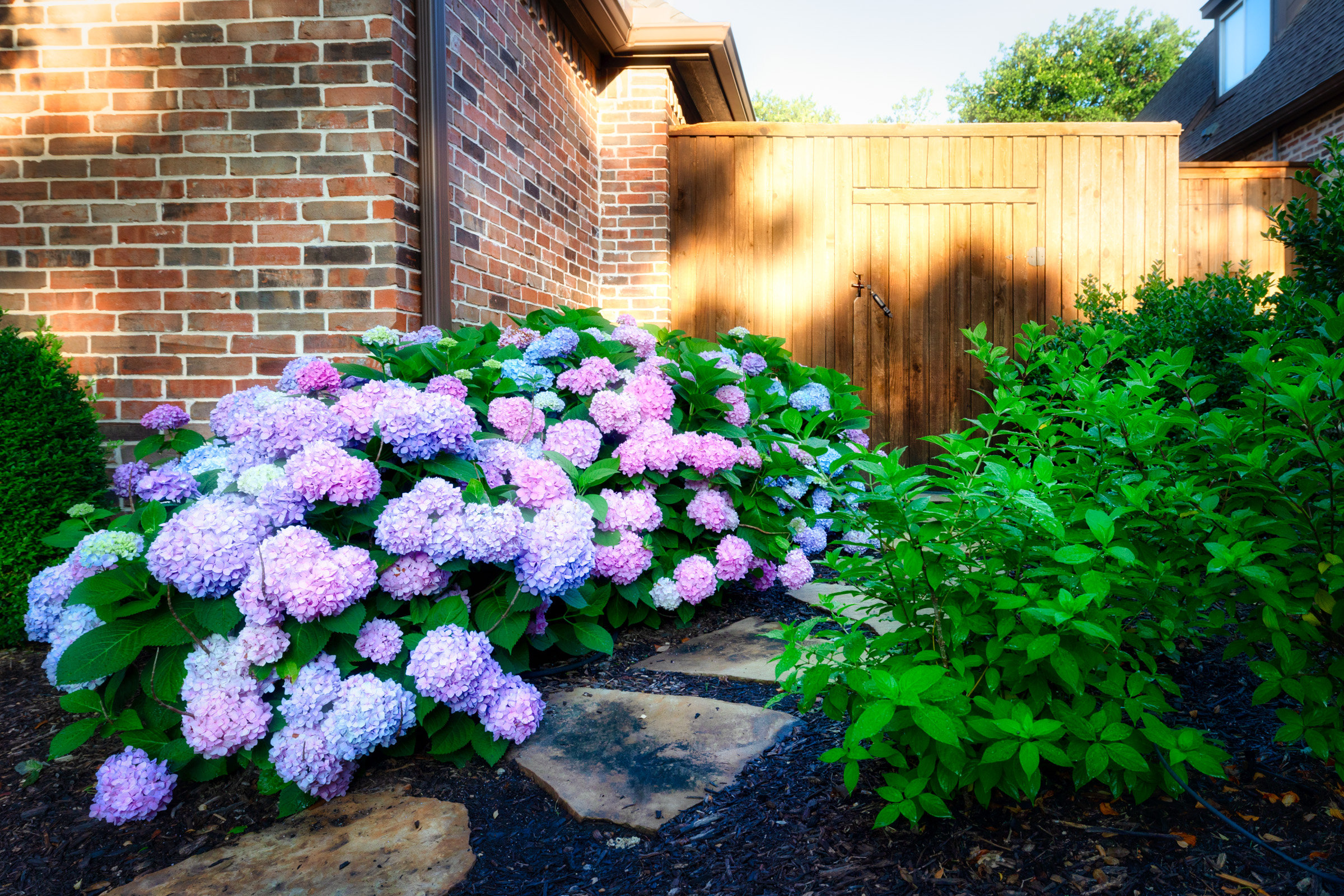
- Protection from Wind: Planting near a fence, wall, or larger shrubbery can provide a windbreak, protecting the delicate foliage and flowers.
Soil Preparation and Amendment
Texas soils can be problematic, so amending them is often a necessity.
- Drainage: Hydrangeas hate “wet feet.” If your soil is heavy clay, incorporate generous amounts of organic matter such as compost, aged manure, or peat moss to improve drainage. Raised beds can also be an excellent solution in areas with poor drainage.
- Fertility and Moisture Retention: Organic matter also helps retain moisture, which is crucial for thirsty hydrangeas. Aim for a rich, loamy soil that holds moisture without becoming waterlogged.
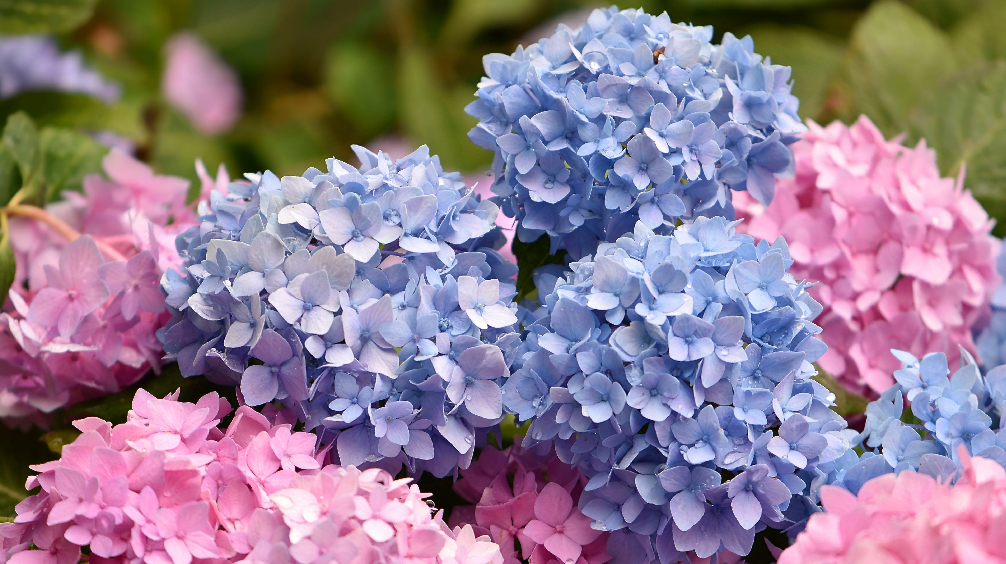
- Soil pH for Color (Bigleaf Hydrangeas): For Hydrangea macrophylla and Hydrangea serrata, the soil pH influences flower color. Acidic soils (lower pH) produce blue flowers, while alkaline soils (higher pH) result in pink flowers. White hydrangeas typically remain white. While achieving a specific color can be a fun endeavor, focusing on plant health first is more important in Texas. Amending the soil to a specific pH without addressing other needs can be counterproductive.
Watering and Mulching
Consistent moisture is key to vibrant blooms and healthy growth.
- Deep Watering: Water deeply and less frequently rather than shallowly and often. This encourages the roots to grow deeper into the soil, making the plant more drought-tolerant. Water at the base of the plant to avoid wetting the foliage, which can promote fungal diseases.
- Mulching: A generous layer of organic mulch (2-3 inches) around the base of the plant is essential. Mulch helps retain soil moisture, suppresses weeds, and keeps the soil temperature cooler. Avoid piling mulch directly against the stem.
- Monitoring: In the peak of summer, even with good watering practices, you may need to supplement watering. Check the soil moisture regularly by sticking your finger a few inches into the ground. If it feels dry, it’s time to water.
Pruning and Fertilizing
The timing and method of pruning depend on the type of hydrangea.
- Panicle and Smooth Hydrangeas: These types bloom on new wood, so they can be pruned in late winter or early spring before new growth begins. This is the best time to shape the plant and remove dead or damaged branches.
- Oakleaf Hydrangeas: These also bloom on new wood and can be pruned similarly to panicle and smooth hydrangeas.
- Bigleaf and Mountain Hydrangeas: These are the trickiest as they bloom on old wood (and some reblooming varieties also bloom on new wood). Pruning should be done immediately after flowering in the summer. Pruning in late winter or spring can remove the flower buds for the season. For reblooming varieties, a light trim to remove dead growth is usually sufficient.
- Fertilizing: Hydrangeas are not heavy feeders. Fertilize in early spring as new growth appears with a balanced, slow-release fertilizer. Over-fertilizing can lead to excessive leafy growth at the expense of flowers.
Hydrangeas as a Stunning Addition to Texas Landscapes
While Texas presents a demanding environment for many delicate plants, the allure of hydrangeas is undeniable. With the right knowledge, strategic planting, and attentive care, these magnificent shrubs can indeed flourish across the Lone Star State, transforming Texas gardens into vibrant displays of floral beauty. From the cool, shaded nooks of East Texas to more sun-drenched, carefully managed spots in the drier regions, the possibilities are more abundant than one might initially assume. By understanding the unique challenges and selecting the most suitable varieties, Texas gardeners can successfully cultivate these beloved blooms, proving that with a little insight and effort, hydrangeas can indeed be a triumphant part of the Texas landscape, gracing gardens from Austin to Dallas, and beyond.
LifeOutOfTheBox is a participant in the Amazon Services LLC Associates Program, an affiliate advertising program designed to provide a means for sites to earn advertising fees by advertising and linking to Amazon.com. Amazon, the Amazon logo, AmazonSupply, and the AmazonSupply logo are trademarks of Amazon.com, Inc. or its affiliates. As an Amazon Associate we earn affiliate commissions from qualifying purchases.