
Navigating the Lone Star State often conjures images of wide-open highways, sprawling ranches, and the vibrant energy of its major cities. For many visitors and new residents, a reliable set of wheels is essential to fully experience the diverse landscapes and attractions that Texas has to offer. From the historical depths of San Antonio to the musical heartbeat of Austin and the vastness of West Texas, a personal vehicle unlocks unparalleled freedom. However, as with any state, understanding and adhering to local regulations is paramount for a smooth journey. One common question that arises, particularly for those unfamiliar with Texas driving laws, is about the necessity and process of vehicle inspections. This guide aims to clarify the requirements and offer insights into why a car inspection might be a crucial step in your Texas travel or relocation plans.

Understanding Texas Vehicle Inspection Requirements
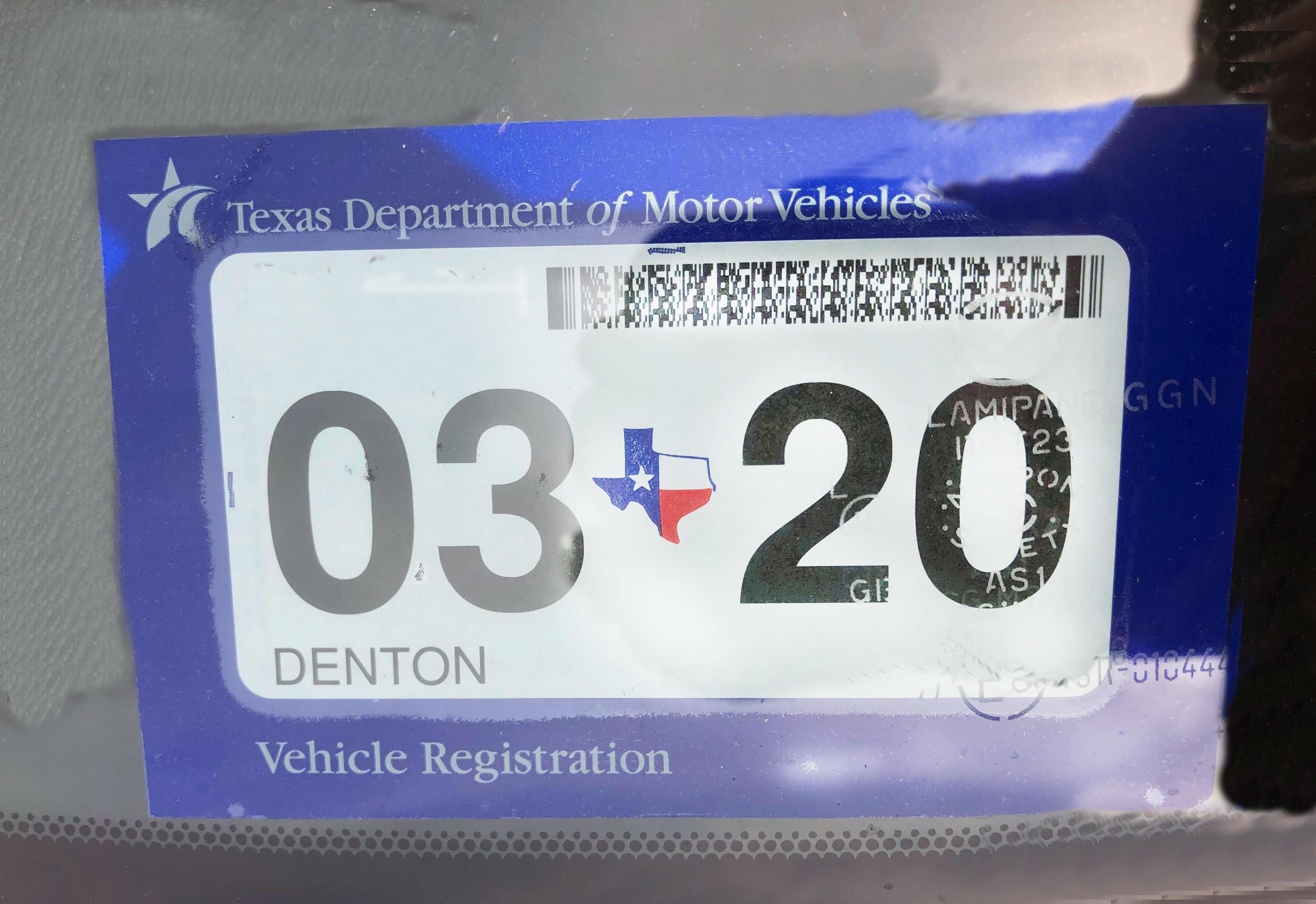
For years, Texas mandated a two-step vehicle inspection process: a safety inspection and, for most counties, an emissions inspection. However, recent legislative changes have altered this landscape significantly, leading to widespread confusion. Understanding these changes is vital for anyone operating a vehicle within the state.
The Evolution of the Texas Inspection Program
Historically, Texas required all passenger vehicles to undergo an annual safety inspection. This inspection ensured that critical components such as brakes, lights, tires, and windshield wipers were in good working order, contributing to overall road safety. In addition to the safety check, many counties, particularly those in metropolitan areas with higher population densities, also required an annual emissions test. This was designed to curb air pollution by ensuring vehicles met certain exhaust emission standards. The two-step process meant drivers would visit an inspection station, receive a safety sticker, and if applicable, an emissions sticker.
The Shift Away from Mandatory Inspections
In 2025, Texas will officially eliminate the mandatory annual safety inspection requirement for most passenger vehicles. This change was enacted through House Bill 3297, which was signed into law in 2023. This marks a significant shift in the state’s approach to vehicle safety and environmental regulation. The rationale behind this move often cites a desire to reduce burdens on vehicle owners and streamline the registration process. However, it’s crucial to understand that this repeal does not absolve drivers of their responsibility to maintain their vehicles in safe operating condition.
What Does This Mean for You?
As of September 1, 2025, you will no longer be required to obtain an annual safety inspection sticker for your passenger vehicle in Texas. The emissions inspection requirement will also be phased out in a similar manner, though specific implementation details may vary slightly depending on the county and vehicle type. This means you will not need to present an inspection certificate when renewing your vehicle registration.
However, this does not mean the end of vehicle maintenance obligations. Law enforcement officers can still stop vehicles if they have reasonable suspicion that the vehicle is unsafe. This includes issues with brakes, lights, or excessive smoke, regardless of whether a mandatory inspection sticker is required. Furthermore, many mechanics and service centers will likely continue to offer safety checks as a recommended maintenance service to ensure your vehicle is in optimal condition for driving on Texas roads, whether you are en route to the Alamo or exploring the Big Bend National Park.
When a Car Inspection is Still Relevant in Texas
While the mandatory annual inspection is being phased out, there are specific scenarios where an inspection remains highly relevant, and in some cases, legally required. Understanding these exceptions will help you stay compliant and ensure your vehicle is road-ready.
Vehicle Registration and Title Transfers
Even with the phasing out of annual inspections, new vehicle registrations and title transfers will still require a vehicle inspection for the foreseeable future. This is to ensure that vehicles entering the Texas registry meet basic safety and operational standards at the point of acquisition or transfer. This is a standard practice in many states to prevent the registration of vehicles that are already in a dangerous state of disrepair. You will likely need to obtain a safety inspection (and emissions, if applicable based on location and vehicle age) to complete the registration process. This inspection might be conducted at authorized inspection stations.
Commercial Vehicles and Specialized Use Vehicles
The new law primarily targets passenger vehicles. Commercial vehicles, buses, trucks, and other specialized vehicles may still be subject to specific inspection requirements. These requirements are often more stringent due to the nature of their use, the weight they carry, and the potential impact on public safety and infrastructure. If you operate a business that relies on a fleet of vehicles or use your vehicle for commercial purposes, it is crucial to verify the specific inspection mandates applicable to your vehicle type. Consult with the Texas Department of Motor Vehicles or a local DMV office for the most accurate and up-to-date information concerning commercial vehicle inspections.
Out-of-State Travelers and Temporary Residents
For those visiting Texas from other states, your current vehicle registration and inspection status from your home state will generally be recognized. However, if you are planning to become a long-term resident or relocate to Texas, you will eventually need to comply with Texas registration requirements, which, as mentioned, will include inspections for new registrations. If you are driving a vehicle that is not registered in Texas and it is in a visibly poor state of repair (e.g., broken headlights, bald tires), you could still be pulled over and cited by law enforcement.
Rental Cars

Rental car companies are responsible for ensuring their fleets are in safe operating condition. They typically maintain their vehicles according to state and federal regulations. When you rent a car in Texas, you can generally assume it has undergone the necessary checks to be roadworthy, even with the impending changes to mandatory inspections. However, it’s always wise to do a quick visual check yourself before driving off the lot, looking for any obvious issues like flat tires or malfunctioning lights.
The Importance of Proactive Vehicle Maintenance
The move to eliminate mandatory inspections does not diminish the importance of keeping your vehicle in good condition. In fact, it places a greater emphasis on individual responsibility and proactive maintenance. Regular checks and timely repairs are not just about avoiding tickets; they are fundamental to ensuring your safety and the safety of others on the road, especially when exploring attractions like Galveston Island or navigating the bustling streets of Houston.
Safety First: Beyond the Sticker
A car inspection sticker was always a benchmark, not a guarantee. Many issues could arise between inspections, and vehicles with valid stickers could still be unsafe. The absence of a mandatory sticker means drivers must be more attuned to their vehicle’s performance.
- Brakes: Listen for squealing or grinding noises, and pay attention to any changes in pedal feel.
- Tires: Regularly check tire pressure and tread depth. Worn tires are a significant safety hazard.
- Lights: Ensure all headlights, taillights, brake lights, and turn signals are functioning correctly.
- Steering and Suspension: Notice any unusual noises, vibrations, or handling issues.
- Windshield and Wipers: Keep your windshield clean and ensure wipers effectively clear rain and debris.
Environmental Responsibility
While emissions testing is being phased out, drivers should still be mindful of their vehicle’s environmental impact. Regular maintenance, such as proper engine tuning and filter replacements, can help ensure your vehicle runs as efficiently as possible, reducing unnecessary emissions.
Peace of Mind for Travelers
Whether you are embarking on a cross-country road trip through Texas or simply commuting daily, knowing your vehicle is in excellent working order provides invaluable peace of mind. Investing in regular maintenance, even when not legally mandated, can prevent costly breakdowns and ensure a safer, more enjoyable travel experience. This is particularly true when planning extended stays or road trips to more remote areas like the Texas Hill Country or the coastline.
Where to Get Vehicle Inspections in Texas (When Required)
For those situations where an inspection is still mandated (e.g., new registrations, title transfers), locating an authorized inspection station is straightforward.
Authorized Inspection Stations
Texas has a network of licensed inspection stations throughout the state. These are typically auto repair shops, dealerships, and dedicated inspection centers. They are authorized by the state to perform the required safety and emissions inspections. You can usually identify these stations by a sign displaying the official Texas Inspection Station logo.
Fees and What to Expect
Inspection fees are set by the state and can vary slightly depending on the type of inspection and the station. For a safety inspection, the cost is generally a fixed amount. If an emissions inspection is also required for your vehicle and location, there will be a separate fee. The inspection process itself is typically quick, often taking less than an hour, provided there are no significant issues found.
Maintaining Records
Even though the annual requirement is changing, it is always a good practice to keep records of any maintenance or inspections performed on your vehicle. This can be useful for resale value, warranty claims, or simply for your personal records.
Conclusion: Staying Informed and Prepared
The regulatory landscape for vehicle inspections in Texas is evolving. While the imminent elimination of the mandatory annual safety inspection will undoubtedly simplify the registration process for many, it shifts the responsibility for vehicle upkeep directly onto the owner. For visitors and new residents alike, staying informed about these changes is crucial. Remember that while a sticker may no longer be required for daily driving, the fundamental need for a safe and well-maintained vehicle remains. Whether you’re planning a scenic drive along the Bluebonnet Trail or navigating the urban sprawl of Dallas, prioritizing your vehicle’s condition ensures a safer and more enjoyable experience across the vast and beautiful state of Texas. Always consult official sources like the Texas Department of Public Safety or the Texas Department of Motor Vehicles for the most current and definitive information regarding vehicle regulations.
LifeOutOfTheBox is a participant in the Amazon Services LLC Associates Program, an affiliate advertising program designed to provide a means for sites to earn advertising fees by advertising and linking to Amazon.com. Amazon, the Amazon logo, AmazonSupply, and the AmazonSupply logo are trademarks of Amazon.com, Inc. or its affiliates. As an Amazon Associate we earn affiliate commissions from qualifying purchases.