
While the mention of snow in New Orleans might conjure images of an unusual anomaly rather than a typical winter forecast, understanding meteorological phenomena in this vibrant Louisiana city offers a unique lens through which to view its tourism landscape. The question of “how much snow” in New Orleans is less about accumulating drifts and more about the ripple effects of even the slightest wintry precipitation on its world-renowned cultural offerings, culinary scene, and overall visitor experience. This article delves into the infrequent yet impactful instances of snow in the Crescent City, examining what these events mean for travelers and how the city, a jewel of American tourism, adapts and perseveres.

The Infrequent Embrace of Winter: Snowfall in a Subtropical Climate
New Orleans, situated in the humid subtropical climate zone, experiences relatively mild winters. Snowfall is a rare occurrence, often limited to light dustings that melt upon contact with the warmer ground. The city’s geographical location, bordering the Gulf of Mexico, significantly moderates its temperatures, making prolonged periods of freezing weather uncommon. When snow does fall, it’s typically a fleeting event, often accompanied by icy rain or sleet, creating a spectacle that captures the attention of both locals and visitors.
Historical Snowfall Events
Throughout its history, New Orleans has recorded a handful of notable snowfall events. The most significant recorded snowfall was in February 1895, when approximately 7 inches accumulated, causing considerable disruption. More recent events, like the one in December 2008 and January 2011, saw light snow and sleet, leading to traffic challenges and a temporary halt to some outdoor activities. These historical instances, while infrequent, underscore the unique meteorological character of the region and highlight how even a modest amount of snow can transform the familiar urban landscape of the French Quarter or the banks of the Mississippi River. The rarity of these events often turns them into local lore and memorable talking points for tourists who happen to be present.
Meteorological Factors
The confluence of several meteorological factors is necessary for snow to form and fall in New Orleans. Primarily, there must be a deep layer of cold air in the atmosphere, extending from the upper levels down to the surface. This is often associated with a strong cold front originating from the north or northwest, a phenomenon that becomes more likely during the winter months. Secondly, there needs to be sufficient moisture in the atmosphere to form precipitation. When these two conditions align, and the temperature at ground level is at or below freezing (32°F or 0°C), snowflakes can reach the ground without melting. The proximity to the Gulf of Mexico can sometimes introduce moisture, but the critical element remains the presence of a significantly cold air mass. Often, even when temperatures dip to near freezing, the air is too dry for snow, resulting in a cold, clear day instead. The city’s elevation, being largely at or below sea level, doesn’t play a significant role in preventing snow, but the moderating influence of the gulf is paramount.
Impact on Tourism and Local Life
While New Orleans is celebrated for its vibrant street life, outdoor festivals, and historic architecture, even light snowfall can necessitate adjustments for tourists and locals alike. The city’s infrastructure is not typically equipped to handle significant winter weather.
Transportation and Accessibility
During rare snow events, transportation in New Orleans can be significantly affected. Roads, particularly bridges and overpasses, can become slick and hazardous due to ice accumulation. Public transportation services, including streetcars and buses, may experience delays or cancellations. This can impact visitors’ ability to reach popular attractions such as the French Quarter, the Garden District, or the National WWII Museum. Car rental companies might see an uptick in demand for vehicles with better traction, though such vehicles are not a standard offering given the climate. Visitors are often advised to check local advisories and allow for extra travel time. For those staying at hotels like the Roosevelt New Orleans, Hotel Monteleone, or The Ritz-Carlton, New Orleans, the immediate vicinity might be accessible, but venturing further afield requires careful planning.

Cultural Events and Outdoor Activities
Many of New Orleans‘ most beloved tourist experiences are outdoor-centric. Parades, second lines, and street performances are integral to the city’s identity, especially during the lead-up to Mardi Gras. Snowfall, however light, can disrupt these planned events. Musicians, performers, and event organizers may have to cancel or postpone due to safety concerns or the inability of participants to travel. For instance, a planned jazz performance in Jackson Square or a walking tour of the historic cemeteries might be less appealing or feasible. Restaurants known for their outdoor seating, such as those along Bourbon Street or in the Frenchmen Street district, might see reduced patronage. However, this infrequency can also create unique opportunities. Tourists who witness snow in New Orleans often find it a novel and memorable experience, capturing unique photos and stories. Some may even embrace the unusual weather, finding cozy indoor alternatives like exploring museums or enjoying the warmth of a classic New Orleans café.
Economic Implications
For businesses, the economic impact of snow in New Orleans is multifaceted. While some establishments that rely on outdoor activities or foot traffic might experience a temporary downturn, others, particularly indoor attractions and restaurants offering warm, comforting cuisine, might see an increase in visitors seeking refuge from the cold. Hotels might experience cancellations from travelers wary of travel disruptions, but also benefit from those who embrace the unexpected weather and decide to extend their stay. The overall economic disruption is typically minimal and short-lived compared to regions accustomed to heavy snowfall. The rarity of the event often means that the city’s resilience and adaptability quickly come into play, with most services returning to normal as soon as the weather clears.
Embracing the Unpredictable: Tips for Travelers
Experiencing snow in New Orleans is a rare treat, and with a little preparation, travelers can make the most of this unusual meteorological event.
Staying Informed and Prepared
The most crucial tip for any traveler in New Orleans is to stay informed about weather conditions. Local news channels, radio stations, and official city advisories are excellent resources. Before your trip, it’s wise to check the forecast for New Orleans and pack layers of clothing, including a warm coat, hat, and gloves, even during the typically mild winter months. Should snow be in the forecast during your visit, be prepared for potential transportation delays and a revised schedule of outdoor activities. Having a flexible itinerary is key. Consider booking accommodations that offer easy access to indoor attractions or are located in walkable neighborhoods like the French Quarter.
Alternative Attractions and Activities
If snow interrupts your planned outdoor adventures, New Orleans offers a wealth of indoor attractions.
- Museums: Explore the extensive collections at the New Orleans Museum of Art, the Historic New Orleans Collection, or delve into the city’s storied past at the New Orleans Pharmacy Museum.
- Culinary Experiences: New Orleans is a food lover’s paradise. Use the opportunity to sample iconic dishes like gumbo, jambalaya, and beignets at renowned restaurants. Consider a cooking class to learn the secrets of Creole and Cajun cuisine.
- Live Music Venues: Warm up with the soulful sounds of New Orleans jazz at indoor clubs on Frenchmen Street or in the French Quarter.
- Historic Homes and Architecture: Take a guided tour of the stunning mansions in the Garden District or explore the interiors of historic buildings in the French Quarter.
- Aquariums and Zoos: The Audubon Aquarium of the Americas and the Audubon Zoo offer engaging indoor experiences.
Documenting the Rare Phenomenon
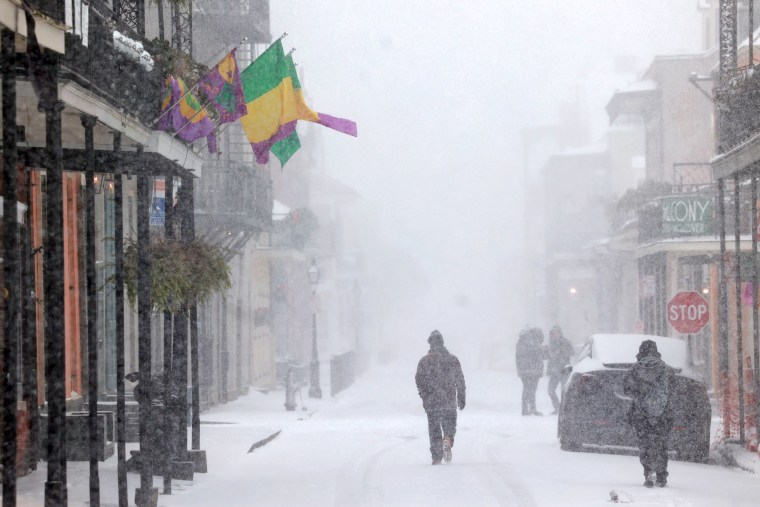
For photographers and memory keepers, a snowfall in New Orleans presents a unique opportunity. The juxtaposition of snow against the backdrop of historic architecture, wrought-iron balconies, and palm trees creates surreal and captivating images. Documenting how locals react, the temporary transformations of familiar streets, and the unusual quiet that can sometimes accompany such events can result in a truly memorable travelogue. Even a light dusting can transform the city into a picturesque, albeit temporary, winter wonderland, offering a perspective on New Orleans that few visitors ever get to witness. The question of “how much snow” is less about the quantity and more about the extraordinary quality of the experience it provides, adding another layer to the endlessly fascinating tapestry of this iconic American city.
LifeOutOfTheBox is a participant in the Amazon Services LLC Associates Program, an affiliate advertising program designed to provide a means for sites to earn advertising fees by advertising and linking to Amazon.com. Amazon, the Amazon logo, AmazonSupply, and the AmazonSupply logo are trademarks of Amazon.com, Inc. or its affiliates. As an Amazon Associate we earn affiliate commissions from qualifying purchases.