
For many travelers dreaming of sun-drenched beaches, vibrant culture, and lush rainforests, the question of travel documentation often arises. Specifically, for those considering a trip to the enchanting island of Puerto Rico, the query “Do I need a passport to fly to Puerto Rico?” is a common one. The straightforward answer, particularly for citizens of the United States, is often a pleasant surprise, making this Caribbean gem an incredibly accessible destination.
This comprehensive guide will delve into the specific identification requirements for flying to Puerto Rico, explore the reasons behind these regulations, and provide essential insights for both U.S. citizens and international visitors. Beyond the practicalities of travel, we’ll also journey through the myriad attractions, accommodations, and unique cultural experiences that make Puerto Rico an unforgettable escape, offering valuable tips to ensure your trip is as smooth and enjoyable as possible.
The Simple Answer for U.S. Citizens
For citizens of the United States, the good news is that a passport is generally not required to fly to Puerto Rico. As a U.S. territory, travel between the mainland United States and Puerto Rico is considered domestic travel. This significantly simplifies the planning process for millions of Americans, opening up a world of tropical adventure without the need for international travel documents.
Understanding Puerto Rico’s Status
Puerto Rico holds a unique political status as an unincorporated territory of the United States. This means that while Puerto Ricans are U.S. citizens, they do not have full voting representation in the U.S. Congress, nor do they vote in presidential elections. However, the critical implication for travel is that it operates under U.S. federal laws, including those pertaining to immigration and customs.
For U.S. citizens, flying from any state or other U.S. territory to Puerto Rico is akin to flying from New York to California. There are no customs checks between the two, and you do not pass through international immigration. This makes Puerto Rico an ideal destination for those who want an exotic Caribbean experience without the typical international travel complexities. It’s an opportunity to immerse oneself in a distinct Latin American culture while still enjoying the familiarity and ease of domestic travel. The official currency is the U.S. dollar, and the official languages are Spanish and English, making communication relatively straightforward for English-speaking visitors. This blend of familiarity and vibrant cultural difference is part of what makes Puerto Rico such a captivating destination for a wide range of lifestyles, from budget travel to luxury travel.
Acceptable Identification for Domestic Flights
While a passport isn’t mandatory for U.S. citizens, you will still need a valid, government-issued photo identification to clear security checkpoints at the airport, just as you would for any domestic flight within the United States. The Transportation Security Administration (TSA) enforces these rules to ensure the safety and security of all air travelers.
Acceptable forms of identification include:
- State-issued Driver’s License or ID Card: This is the most common and convenient form of ID for many travelers.
- U.S. Passport Book or Passport Card: While not strictly required, a passport book or card is always a valid form of identification for domestic travel.
- Permanent Resident Card (Green Card): For lawful permanent residents of the United States.
- U.S. Military ID: For active-duty military personnel and their dependents.
- Federally recognized tribal-issued photo ID.
- Airline or airport-issued ID (if issued under a TSA-approved security plan).
- Trusted Traveler Cards: Such as Global Entry, NEXUS, and SENTRI cards.
- Other government-issued IDs: Provided they contain a photo and meet TSA requirements.
It’s crucial to ensure your chosen ID is current and in good condition. An expired or heavily damaged ID may not be accepted by the TSA. For those embarking on family trips with minors, typically children under 18 traveling with an adult do not need to show ID when traveling domestically. However, it’s always wise to carry their birth certificates, just in case, or verify current TSA guidelines for specific scenarios.
Preparing for the REAL ID Act Deadline
An important consideration for all domestic air travelers, including those flying to Puerto Rico, is the upcoming enforcement of the REAL ID Act. Beginning May 7, 2025, every air traveler 18 years of age and older will need a REAL ID compliant driver’s license or another acceptable form of identification, such as a passport or U.S. military ID, to fly within the United States.
A REAL ID compliant driver’s license or state ID typically features a star in the upper corner. If your state-issued ID does not have this star, it means it is not REAL ID compliant, and you will need to present an alternative form of identification after the deadline. This federal requirement, mandated by the U.S. Department of Homeland Security, is designed to enhance security standards for state-issued driver’s licenses and identification cards. Travelers should check their state’s Department of Motor Vehicles website to determine if their current ID is compliant and, if not, to learn how to obtain one. Planning ahead for this change will prevent any last-minute travel disruptions.
Travel Requirements for Non-U.S. Citizens
While U.S. citizens enjoy the convenience of domestic travel to Puerto Rico, the rules are different for international visitors. For non-U.S. citizens, the travel requirements to Puerto Rico are the same as those for entering the mainland United States. This means a valid passport is essential, and depending on your country of origin, a visa may also be necessary.
Passport and Visa Essentials
Any foreign national planning to visit Puerto Rico must possess a valid passport from their home country. This passport must generally be valid for at least six months beyond their intended period of stay. The specific visa requirements will depend entirely on the traveler’s nationality. Some countries have visa-waiver agreements with the United States, while others require visitors to obtain a visa prior to their travel.
Travelers should consult the official website of the U.S. Embassy or Consulate in their country of residence to determine their specific visa requirements. The application process for a U.S. visa can take time, involving forms, interviews, and background checks, so it’s advisable to begin this process well in advance of your planned trip. Incorrect or incomplete documentation can lead to significant delays or even denial of entry, impacting your travel plans and experience.
Navigating the Visa Waiver Program (VWP)
For citizens of countries participating in the Visa Waiver Program (VWP), a visa is not required for stays of up to 90 days. However, these travelers must obtain an approved authorization through the Electronic System for Travel Authorization (ESTA) prior to boarding their flight to the United States or Puerto Rico. The ESTA application is typically completed online and usually processed within minutes, though it’s recommended to apply at least 72 hours before departure.
It’s critical for VWP travelers to understand that an approved ESTA does not guarantee entry into the United States or Puerto Rico. Final admission is at the discretion of U.S. Customs and Border Protection officers at the port of entry. Travelers should be prepared to articulate the purpose of their visit, provide proof of onward or return travel, and demonstrate sufficient funds to cover their stay. Understanding these nuances is crucial for any international visitor to ensure a smooth journey to this captivating destination.
Why Puerto Rico Should Be Your Next Destination
Beyond the logistical ease of travel for U.S. citizens, Puerto Rico offers an incredibly rich and diverse travel experience. From its deep historical roots and vibrant cultural expressions to its stunning natural landscapes and world-class culinary scene, the island is a treasure trove waiting to be explored. Whether you’re seeking adventure, relaxation, or cultural immersion, Puerto Rico delivers.
A Tapestry of Culture and History
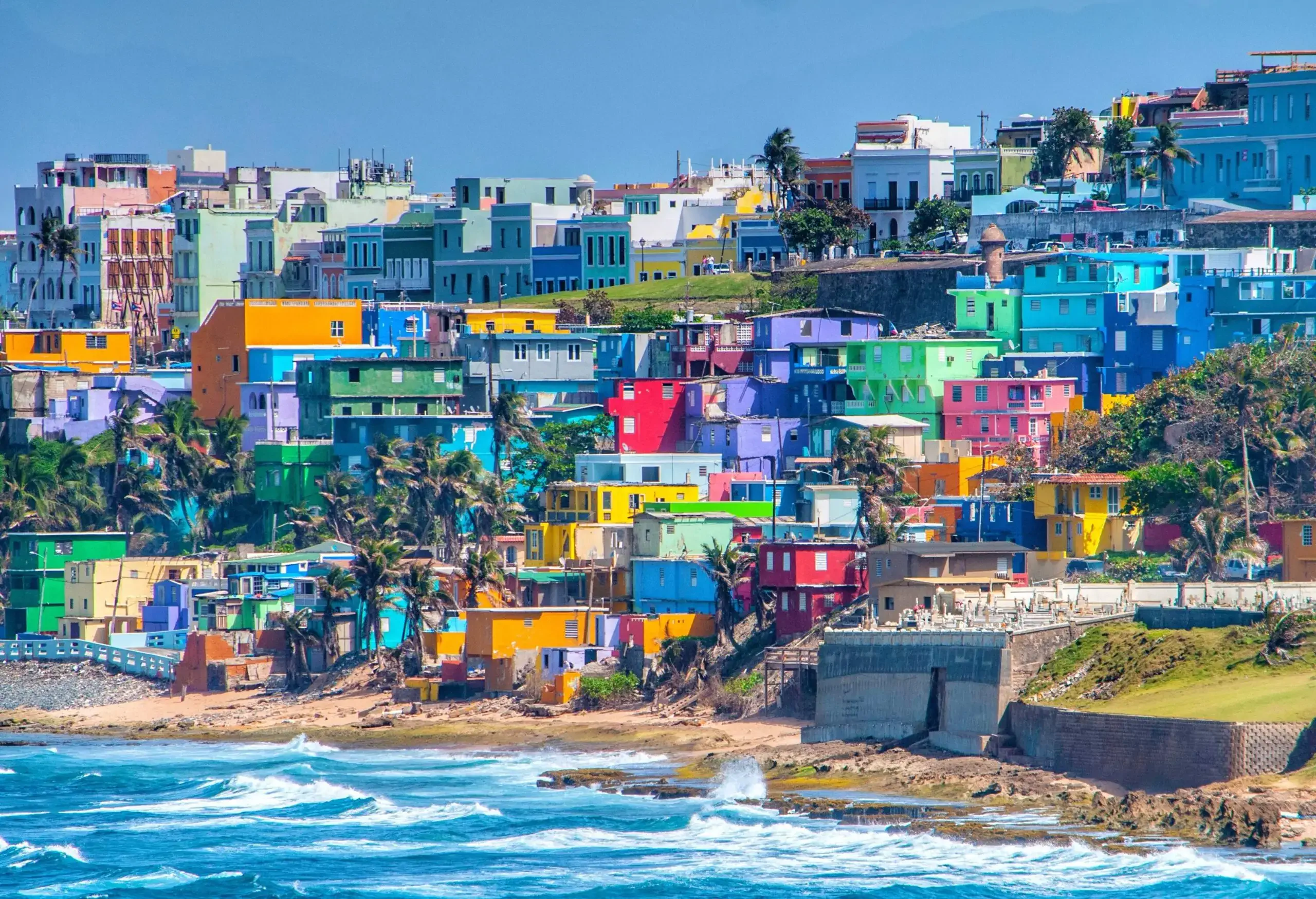
Puerto Rico’s history is a fascinating blend of indigenous Taíno heritage, Spanish colonial influence, and a modern American connection. This rich tapestry is most evident in Old San Juan, a UNESCO World Heritage site and one of the oldest European-founded cities in the Americas. Walking through its cobblestone streets, flanked by brightly colored colonial buildings, feels like stepping back in time. Landmarks such as El Morro (Castillo San Felipe del Morro) and Castillo San Cristóbal, massive 16th-century fortresses, stand as proud sentinels guarding the bay, offering breathtaking views of the Atlantic Ocean. These historical attractions provide a profound insight into the island’s strategic importance and its resilience through centuries of change.
The local culture of Puerto Rico is equally captivating. Music and dance, particularly salsa, are integral to daily life, with lively street parties and dance halls found across the island, especially in San Juan. The vibrant art scene, from traditional crafts to contemporary galleries, reflects the island’s diverse influences. Festivals, like the San Sebastian Street Festival in January, showcase the warmth and celebratory spirit of the Puerto Rican people. Don’t miss the opportunity to visit Casa Bacardi, the “Cathedral of Rum,” for a fascinating tour into the island’s rum-making traditions. The blend of Spanish and African influences, visible in towns like Loíza, adds another layer of cultural depth, offering unique music, dance, and culinary traditions.

Natural Wonders and Outdoor Adventures
Puerto Rico’s geographical diversity is a paradise for nature lovers and adventure seekers. The crown jewel is El Yunque National Forest, the only tropical rainforest in the U.S. National Forest System. Here, cascading waterfalls, lush vegetation, and diverse wildlife—including the iconic coqui frog—create an otherworldly experience. Hiking trails cater to all levels, from gentle strolls to challenging ascents, leading to stunning vistas and refreshing swimming holes.
Beyond the rainforest, the island boasts some of the world’s most spectacular beaches. Flamenco Beach on Culebra island consistently ranks among the top beaches globally, famous for its white sands and turquoise waters, perfect for swimming and snorkeling. Surfing enthusiasts flock to the western coast, particularly Rincón, known for its excellent waves.
One of Puerto Rico’s most unique natural wonders are its bioluminescent bays. Mosquito Bay in Vieques is considered the brightest in the world, where microscopic organisms light up the water with every movement, creating a magical glow. Other notable bioluminescent bays include Laguna Grande in Fajardo and La Parguera on the southwest coast. Kayaking through these glowing waters is an unforgettable adventure. Whether it’s zip-lining through the canopy, scuba diving in vibrant coral reefs, or simply relaxing on a pristine beach, Puerto Rico offers an endless array of outdoor activities for every kind of traveler.
Culinary Delights and Vibrant Nightlife
No trip to Puerto Rico is complete without indulging in its incredible food scene. Puerto Rican cuisine, or “cocina criolla,” is a flavorful fusion of Spanish, African, and Taíno influences, characterized by savory stews, fresh seafood, and tropical fruits. Staples like mofongo (fried plantains mashed with garlic and pork cracklings), lechón (slow-roasted pork), and alcapurrias (fried fritters typically filled with meat or crab) are must-tries. From fine dining restaurants in San Juan to bustling food kiosks in Luquillo, there’s a dish to satisfy every palate. Don’t forget to sample local tropical fruits, fresh juices, and of course, a refreshing piña colada, which was reportedly invented in Puerto Rico.
As the sun sets, Puerto Rico comes alive with a vibrant nightlife. San Juan offers everything from sophisticated rooftop bars and pulsating dance clubs in areas like Condado and Isla Verde to cozy jazz clubs and traditional salsa venues in Old San Juan. The atmosphere is infectious, with locals and tourists alike enjoying live music, delicious cocktails, and the warm Caribbean breeze. Whether you prefer a quiet evening admiring the views or dancing until dawn, Puerto Rico offers diverse options for evening entertainment, cementing its status as a dynamic and engaging travel destination for all lifestyles.
Planning Your Trip: Practical Considerations
Once you’ve confirmed your travel documentation, the real fun begins: planning your ultimate Puerto Rico adventure. From choosing the perfect accommodation to navigating the island and making the most of your visit, a few practical considerations will ensure a seamless and memorable trip.
Choosing Your Ideal Accommodation
Puerto Rico boasts an extensive range of accommodation options to suit every preference and budget, from opulent luxury resorts to charming boutique hotels and budget-friendly guesthouses. For those seeking lavish amenities and direct beach access, areas like Condado, Isla Verde, and Dorado offer renowned properties such as the Condado Vanderbilt Hotel and St. Regis Bahia Beach Resort. These hotels and resorts often feature multiple pools, spas, gourmet dining, and concierge services, ideal for a luxury travel experience or a romantic getaway.
If you prefer a more local and immersive experience, consider a vacation rental or a guesthouse in Old San Juan. These options can offer a deeper dive into the island’s culture and provide more space for family trips or longer stays. Boutique hotels found throughout the island, particularly in areas like Miramar or Ponce, offer personalized service and unique charm. For adventure seekers, eco-lodges near El Yunque or surf camps in Rincón provide specialized accommodations that align with specific activities. When booking, always check reviews and compare options to find the perfect fit for your travel style and budget.
Getting There and Getting Around
The primary gateway to Puerto Rico is Luis Muñoz Marín International Airport (SJU) in San Juan. Major airlines like American Airlines, Delta, United Airlines, and JetBlue offer frequent direct flights from numerous U.S. cities, making access incredibly convenient. Upon arrival at SJU, travelers have several options for getting around.
Car rental is highly recommended if you plan to explore beyond San Juan and visit sites like El Yunque, Fajardo’s bioluminescent bays, or the western beaches of Rincón. All major rental car companies operate at SJU. Driving in Puerto Rico is generally straightforward, though some rural roads can be narrow and winding.
For urban travel within San Juan, taxis and ride-sharing services (like Uber or Lyft) are readily available and efficient. Public transportation, including buses and the Tren Urbano (urban train), serves specific routes within the greater San Juan metropolitan area. For trips to the smaller islands of Vieques and Culebra, you can take a ferry from Fajardo or Ceiba, or opt for a short commuter flight. Planning your transportation in advance, especially during peak seasons, is a smart travel tip.
Essential Travel Tips for a Smooth Journey
To maximize your Puerto Rico experience, keep these essential tips in mind:
- Best Time to Visit: The peak season is typically from December to May when the weather is dry and cooler. The hurricane season runs from June to November, with higher humidity and a chance of tropical storms, but also fewer crowds and lower prices. Regardless of the season, Puerto Rico is beautiful year-round.
- Currency and Language: The official currency is the U.S. dollar, and credit cards are widely accepted. While Spanish is the dominant language, English is widely spoken in tourist areas, especially in San Juan and at major hotels and attractions. Learning a few basic Spanish phrases, however, will enhance your interaction with locals and is always appreciated.
- Safety: Like any travel destination, it’s important to be aware of your surroundings. Major tourist areas are generally safe, but exercise caution, especially at night. Keep valuables secure and be mindful of petty crime.
- Packing Essentials: Pack light, breathable clothing, swimwear, comfortable walking shoes for exploring, and insect repellent, especially if visiting El Yunque or the bioluminescent bays. Sunscreen and a hat are also crucial for protection against the strong Caribbean sun.
- Connectivity: Wi-Fi is widely available in hotels, resorts, and many cafes. U.S. cell phone providers typically offer service in Puerto Rico without roaming charges, making it easy to stay connected.
By addressing these practical aspects, you can ensure your focus remains on enjoying the incredible attractions, vibrant culture, and unforgettable experiences that Puerto Rico has to offer. This stunning island truly is an accessible paradise, promising a journey filled with discovery, relaxation, and adventure.
LifeOutOfTheBox is a participant in the Amazon Services LLC Associates Program, an affiliate advertising program designed to provide a means for sites to earn advertising fees by advertising and linking to Amazon.com. Amazon, the Amazon logo, AmazonSupply, and the AmazonSupply logo are trademarks of Amazon.com, Inc. or its affiliates. As an Amazon Associate we earn affiliate commissions from qualifying purchases.