
Embarking on a new chapter in a vibrant state like California often involves a myriad of exciting adjustments, from exploring stunning landscapes and diverse cultures to finding your rhythm in a new community. As you settle into your California lifestyle, whether you’re a long-term resident or considering making the Golden State your permanent home, understanding your civic responsibilities and opportunities for engagement is a fundamental aspect of truly integrating. One common question that arises for new and even established residents concerns the process of voting: “Do I need ID to vote in California?” The answer, surprisingly to some, reveals a progressive and inclusive approach designed to ensure every eligible voice can be heard.
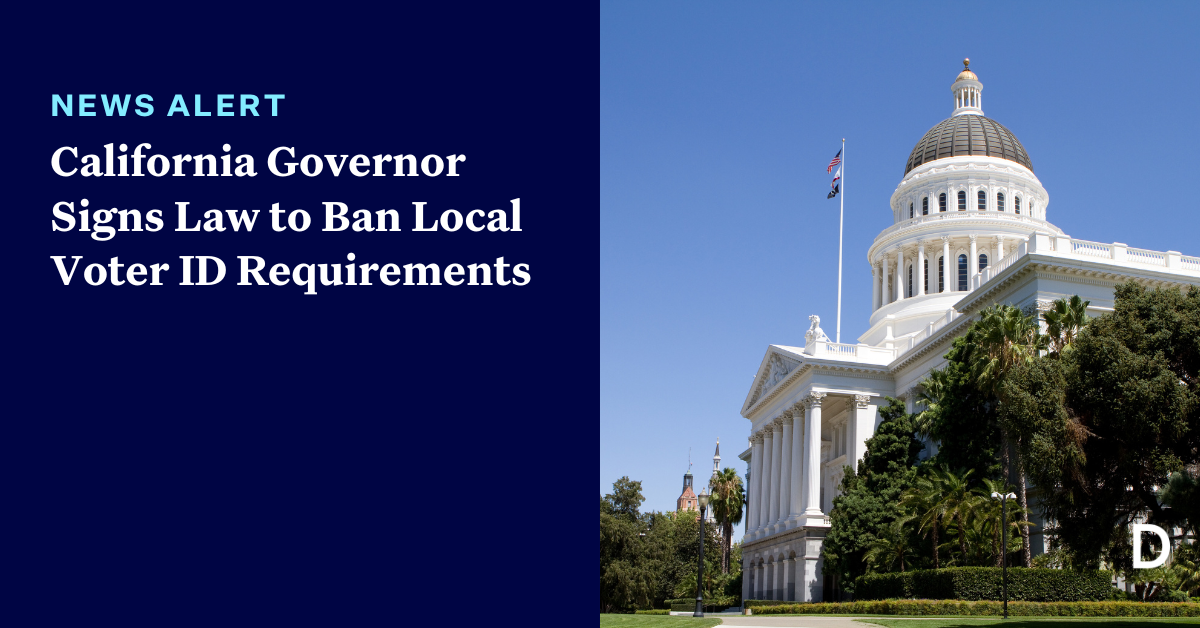
In the spirit of cultivating a holistic lifestyle that includes active participation in your chosen community, delving into the specifics of California’s voter identification laws is crucial. Unlike many other states across the United States, California has adopted a system that prioritizes accessibility, making the act of voting a less bureaucratic and more straightforward experience for its residents. This article will guide you through the intricacies of California’s voting requirements, shedding light on what you truly need (and don’t need) to cast your ballot, and how this fits into a lifestyle dedicated to community engagement and informed citizenship.
The Golden State’s Approach to Voter Identification
California stands out in the national landscape for its particularly voter-friendly laws, especially when it comes to identification requirements. This progressive stance is a reflection of the state’s broader commitment to maximizing voter participation and ensuring that logistical hurdles do not disenfranchise eligible citizens. For those looking to establish roots and immerse themselves in the local fabric, understanding this foundational aspect of civic life is paramount.
California’s Unique Voter ID Landscape
The straightforward answer to the question “Do I need ID to vote in California?” is generally no, not in the same way that many other states mandate photo identification at the polling place. California does not require voters to show photo identification when they vote in person, provided they have already registered to vote. This policy is a cornerstone of the state’s efforts to ensure that factors like not possessing a driver’s license or a state ID card do not prevent an eligible citizen from exercising their fundamental right to vote. For individuals who may have recently moved, are transient, or simply prefer not to carry extensive documentation, this approach significantly simplifies the voting process and reduces potential barriers.
The primary identifier in California is your voter registration. Once you are properly registered, your signature at the polling place (or on your mail-in ballot envelope) is the key verification method. Election officials compare the signature on your ballot envelope or sign-in sheet with the signature on file from your voter registration record. This emphasis on signature verification over photo ID speaks to a system built on trust and the proactive registration of voters, rather than a last-minute identification check at the ballot box. This thoughtful design allows for a smoother, more welcoming experience, making civic participation an integral and accessible part of the California lifestyle.
Federal vs. State Laws: A Balancing Act
It’s important to understand that voting laws are a complex interplay between federal and state regulations. While the United States Constitution establishes the fundamental right to vote, individual states largely determine the specific procedures and requirements for elections. The Help America Vote Act (HAVA) of 2002, a federal law, introduced some requirements for voter identification, particularly for first-time voters who register by mail and do not provide their driver’s license number or the last four digits of their Social Security number on their registration form.
Under HAVA, if you are a first-time voter in a federal election and registered by mail without providing one of these identifying numbers, you may be asked to show identification the first time you vote. However, even in this specific scenario, the identification can be a utility bill, bank statement, government check, or another document showing your name and address, not necessarily a photo ID. This federal provision is an exception rather than the rule for most California voters, who either register online or in person, or have previously provided sufficient identification information during their registration.
For the vast majority of voters in California—those who are already registered and have participated in previous elections, or who completed their registration with the necessary information—the federal HAVA requirements for first-time mail registrants typically do not apply. This balancing act ensures federal standards are met while preserving California’s state-level commitment to broad voter access, making the path to civic engagement clear for all who choose to make California their home.
Registering to Vote in California
Before you can even consider whether you need an ID to vote, the crucial first step in your civic journey in California is voter registration. This process is not only straightforward but is also designed to be as inclusive as possible, reflecting the state’s dedication to an engaged citizenry. For those building a new life or deepening their roots in the Golden State, understanding the ease of registration is key to unlocking your voice in local and national elections.
Eligibility and Initial Requirements
To register to vote in California, you must meet several basic eligibility criteria. These are relatively standard across the United States and ensure that only qualified citizens participate in the electoral process. You must be:
- A United States citizen.
- A resident of California.
- At least 18 years old by Election Day.
- Not currently serving a state or federal prison term for the conviction of a felony.
- Not currently found mentally incompetent to vote by a court.
When you register, you’ll be asked to provide some basic personal information, including your full name, residential address, date of birth, and driver’s license or California identification card number. If you don’t have either of these, you can provide the last four digits of your Social Security number. This information is primarily used for verification during registration and to prevent duplicate registrations, not necessarily for a direct ID check at the polling place itself. The provision of these identifying numbers at registration is what often satisfies federal HAVA requirements, thus negating the need for further ID presentation on Election Day for most voters.
The Online Registration Process
California offers a highly efficient and user-friendly online voter registration system, making it incredibly convenient for busy individuals integrating into their new California lifestyle. You can register to vote or update your existing registration at the official website of the California Secretary of State. The process is typically quick, taking just a few minutes to complete. You’ll need access to the identifying information mentioned above (driver’s license, state ID, or last four digits of your Social Security number).

Once you’ve submitted your online registration, the system verifies your information, and you’ll typically receive a confirmation in the mail. This confirmation serves as proof of your registration and often includes information about your polling place and upcoming elections. This streamlined process means that establishing your civic presence in California is often just a few clicks away, integrating seamlessly with other digital aspects of modern living. The ease of online registration reinforces California’s commitment to making voting an accessible right for all eligible residents.
What to Expect on Election Day
Once you’re properly registered, navigating Election Day in California is generally a smooth process, devoid of the anxiety that might accompany strict ID requirements in other states. For those embracing a California lifestyle that values community participation, understanding the polling place experience is key to confidently casting your ballot.
Voting in Person: The ID Question
As previously mentioned, for the vast majority of registered voters in California, you do not need to show photo identification when voting in person at a polling place. When you arrive at your designated polling location, election officials will ask for your name and address. They will then locate your name on the roster of registered voters. You will be asked to sign your name on a poll list or roster. This signature is then compared to the signature on file with your voter registration record. If the signatures match, you will be issued a ballot, and you can proceed to cast your vote.
The focus here is entirely on confirming your identity through your unique signature, which is considered a reliable and secure method. This system minimizes the burden on voters, especially those who may not carry government-issued photo ID regularly or who might find obtaining one challenging. This inclusive approach ensures that the act of voting is truly about exercising your right, not about navigating administrative hurdles. It’s a reflection of California’s dedication to making civic engagement a natural part of life, accessible to everyone who calls the state home.
Provisional Ballots and Their Purpose
In some specific circumstances, you might be asked to vote using a provisional ballot. This typically occurs if:
- Your name does not appear on the voter roll at the polling place, but you believe you are registered.
- You moved recently and your address hasn’t been updated on the voter roll, and you’re trying to vote at a different polling place.
- You are a first-time voter who registered by mail and did not provide sufficient identification information on your registration form, and you were asked to show ID but could not.
- You previously requested a vote-by-mail ballot but wish to vote in person instead.
A provisional ballot ensures that no eligible voter is turned away from the polls. It allows you to cast your ballot, which is then kept separate from regular ballots. After Election Day, election officials research your voter registration status to verify your eligibility. If your registration is confirmed and you are eligible to vote, your provisional ballot will be counted.
If you are asked to vote a provisional ballot, it’s a good idea to ensure the poll worker provides you with a receipt or instructions on how to check the status of your provisional ballot. This allows you to confirm that your vote was ultimately counted. While it requires an extra step, the provisional ballot system is another safeguard in California’s electoral process, ensuring that even in ambiguous situations, every eligible citizen has the opportunity to make their voice heard—a testament to the state’s commitment to democratic participation as a core aspect of its lifestyle.
Beyond the Ballot Box: Civic Engagement in Your California Lifestyle
While understanding the specifics of voting ID is crucial, integrating into the civic life of California extends far beyond merely casting a ballot on Election Day. Your lifestyle in the Golden State can be enriched by a continuous engagement with your community, staying informed, and taking advantage of the various methods California offers to facilitate voter participation.
Absentee Voting and Mail-In Ballots
One of the most significant aspects of California’s voter-friendly laws, particularly relevant to a flexible and active lifestyle, is its robust vote-by-mail system. In California, every registered voter automatically receives a mail-in ballot for every election. This means that for most residents, the question of needing an ID at a polling place becomes largely irrelevant, as you can conveniently vote from the comfort of your home, at your own pace, well before Election Day.
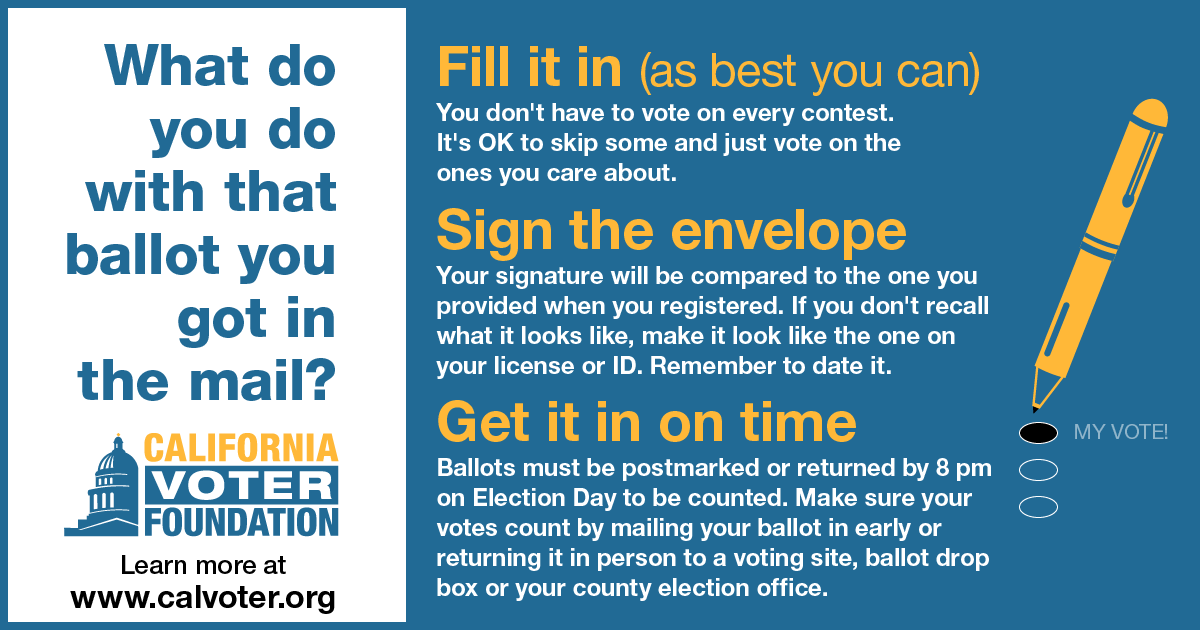
When you receive your mail-in ballot, you simply fill it out, place it in the provided return envelope, and sign the envelope. The signature on the return envelope is the key to verifying your identity; it’s compared against the signature on file from your voter registration. You can then mail your ballot back (postage is pre-paid), drop it off at a secure drop box location, or even turn it in at any polling place on Election Day. This widespread access to vote-by-mail significantly enhances voter convenience and participation, aligning perfectly with a lifestyle that values efficiency and flexibility. It empowers residents to make their voices heard without disrupting their daily routines, whether they are busy professionals, parents, or individuals who travel frequently.
Staying Informed and Active in Your Community
Beyond the mechanics of voting, truly embracing a California lifestyle means staying informed and actively participating in the issues that shape your local and state environments. The California Secretary of State’s website is an invaluable resource for election information, including upcoming election dates, candidate information, and propositions on the ballot. Local county election offices also provide detailed information specific to your area.
Engaging with local news, attending community meetings (often available virtually), and participating in neighborhood groups can further connect you to the civic pulse of your area. Understanding local government decisions, school board policies, and environmental initiatives directly impacts your quality of life and allows you to make more informed decisions when you cast your vote. This continuous engagement transforms voting from a periodic obligation into an ongoing, integral part of your active and responsible California lifestyle. It’s about being a stakeholder in your community, not just a resident.
In conclusion, the question “Do I need ID to vote in California?” reveals a state committed to accessible and inclusive democratic participation. For most registered voters, the answer is no; your signature is your primary identifier. Coupled with automatic mail-in ballots for all registered voters and a straightforward online registration process, California has created an environment where civic engagement is not just a right but an easily achievable aspect of a fulfilling and connected lifestyle. Embrace this opportunity to make your voice heard and truly become a part of the vibrant community that defines the Golden State.
LifeOutOfTheBox is a participant in the Amazon Services LLC Associates Program, an affiliate advertising program designed to provide a means for sites to earn advertising fees by advertising and linking to Amazon.com. Amazon, the Amazon logo, AmazonSupply, and the AmazonSupply logo are trademarks of Amazon.com, Inc. or its affiliates. As an Amazon Associate we earn affiliate commissions from qualifying purchases.