
When you check into a luxury property like the Ritz-Carlton or a boutique stay in Paris, the expectation of service is high. You are paying for the convenience of being looked after, which includes daily housekeeping, fresh linens, and a sanitized space. Yet, travelers often find themselves standing in a room littered with snack wrappers or damp towels, grappling with a lingering sense of guilt or social obligation. The question of whether you need to clean your hotel room is one that occupies a strange space between common courtesy and the explicit service agreement of the hospitality industry.
The Professional Standard: Understanding Hotel Operations
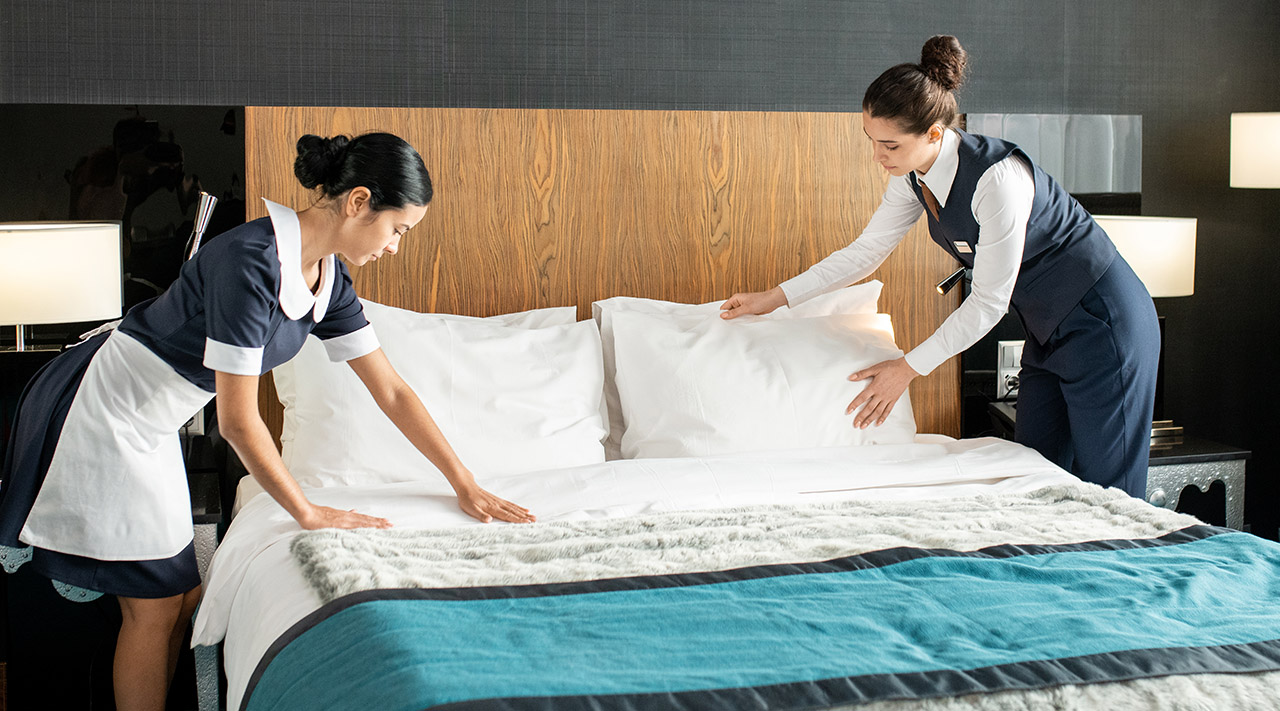
To answer the question of necessity, one must first understand what the housekeeping department of a reputable establishment—such as the Four Seasons Hotel—actually does. Their role is not merely to “tidy,” but to perform a deep, systematic reset of the environment.
The Scope of Housekeeping Duties
When a room is turned over, staff members are trained to follow a strict protocol. This involves stripping beds, sanitizing high-touch surfaces, scrubbing bathrooms with professional-grade chemicals, vacuuming carpets, and replenishing amenities. Because this process is so comprehensive, a guest’s attempt to “pre-clean” often proves redundant. Whether you straighten your magazines or pile your trash neatly in the corner, the staff will remove these items and reset the room to its base state regardless of how you left it.
The Limits of Service
However, there is a clear distinction between “cleaning” and “maintaining.” While you are under no obligation to act as a junior custodian, the hospitality industry relies on a base level of guest cooperation. Excessive clutter, hazardous waste, or significant spills that require specialized deep cleaning equipment go beyond standard turnover. At resorts like Atlantis Paradise Island, housekeepers are prepared for normal usage, but they are not equipped for excessive debris that interferes with their ability to meet tight occupancy turnover schedules.
The Etiquette of Modern Travel
Even if you aren’t required to scrub the shower or vacuum the rug, there is a distinct difference between being a guest and being a burden. The rise of social media and global travel has placed a spotlight on the treatment of service workers, and many seasoned travelers prioritize a level of consideration that exceeds the bare minimum.
The “Leave No Trace” Philosophy
The concept of “leaving no trace,” often associated with outdoor recreation in places like Yosemite National Park, applies surprisingly well to hotel stays. You aren’t required to clean the room, but you should aim to leave the space in a condition that respects the next occupant and the person cleaning it.
Simple acts of consideration include:
- Consolidating trash into the provided bins.
- Placing used towels in the bathtub or on the bathroom floor, rather than leaving them strewn across the furniture.
- Ensuring that personal belongings are packed away so the staff has unobstructed access to surfaces that need to be wiped down.
- Reporting major spills or damages immediately rather than hiding them.

When Cleaning Becomes a Burden
There is a fine line where a guest’s desire to be helpful can actually hinder the housekeeping staff. For instance, attempting to “make the bed” if the linens are dirty often results in the housekeeper having to undo your work just to ensure the bed is stripped properly for sanitary reasons. Similarly, organizing items in a way that hides dirt or stains can inadvertently make the staff’s job harder. The best policy is to keep the room orderly but leave the actual cleaning to the professionals who have the training and equipment to do it safely.
Navigating Different Types of Accommodations
The necessity of cleaning varies depending on the type of accommodation you book. Staying at a massive complex like the MGM Grand in Las Vegas presents a different set of expectations compared to a private villa in Tuscany.
Standard Hotel Stays vs. Vacation Rentals
In a traditional hotel setting, there is an expectation that cleaning is part of the daily service. Your daily rate accounts for the time and effort required to refresh your room. However, when booking through platforms that specialize in private apartments or villas, the rules often shift. Many hosts include a significant “cleaning fee” in the total price, but they also include house rules that may require guests to take out the trash or load the dishwasher before departure. Always check the fine print of your booking to avoid unexpected surcharges or disputes.
Business Stays and Long-term Lodging
For those on long-term assignments at properties like the Marriott Residence Inn, housekeeping might be less frequent—perhaps once a week. In these instances, the room becomes more of a temporary home. You aren’t “cleaning the hotel room” so much as you are maintaining your own living environment. Keeping your space organized in these situations is as much for your own comfort as it is for the ease of the housekeeping team when they finally arrive for their scheduled service.
The Human Element: Tipping and Respect
Ultimately, the best way to handle the state of your hotel room is not by wielding a sponge, but by acknowledging the human beings who perform the labor. If you feel that your room is messier than usual—perhaps due to a spill or a long stay with children—the most “professional” thing you can do is not to clean it yourself, but to provide an additional tip for the staff.
The Value of Recognition
Housekeeping staff are the backbone of the hospitality industry. They work under strict time constraints, often having only 20 to 30 minutes to turn around a room. If you have created a situation that requires extra effort, a cash tip left with a note of appreciation goes a long way. This acknowledgement is far more valuable to a staff member than a vacuumed carpet.

Cultivating a Culture of Respect
Whether you are staying at the Burj Al Arab or a budget-friendly motel in London, the underlying theme remains the same: treat the space with the same respect you would want a guest to show your own home. You are not a cleaner, and you are not required to scrub the bathroom. However, you are a participant in a service transaction that functions best when there is mutual respect. By keeping your clutter contained and maintaining a baseline of order, you enable the staff to perform their duties efficiently, ensuring that your stay—and the stay of the guest after you—is as comfortable and hygienic as possible.
In summary, you do not need to clean your hotel room. You are the guest, and cleaning is the service. As long as you maintain a reasonable level of tidiness and treat the staff with the courtesy they deserve, you are fulfilling your role in the travel experience perfectly.
LifeOutOfTheBox is a participant in the Amazon Services LLC Associates Program, an affiliate advertising program designed to provide a means for sites to earn advertising fees by advertising and linking to Amazon.com. Amazon, the Amazon logo, AmazonSupply, and the AmazonSupply logo are trademarks of Amazon.com, Inc. or its affiliates. As an Amazon Associate we earn affiliate commissions from qualifying purchases.