
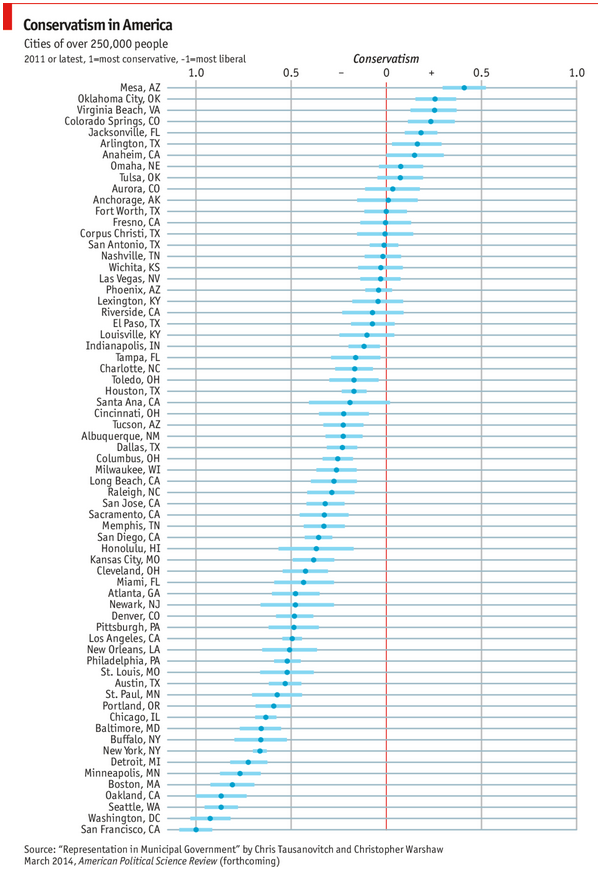
When travelers look toward the heart of the American Midwest, they often encounter a tapestry of cultural contradictions. Kansas City sits prominently at this cultural crossroads, straddling the state line between Missouri and Kansas. For visitors planning a trip to explore its renowned jazz heritage, world-class barbecue, and sprawling boulevards, a common question arises regarding the region’s political and cultural identity: Is Kansas City liberal or conservative?
Understanding the political leaning of this dynamic metropolis requires looking beyond simplistic red-versus-blue binaries. Kansas City functions as a vibrant urban oasis characterized by progressive social values, thriving arts districts, and diverse neighborhoods, while simultaneously being influenced by the more traditional, conservative currents of the broader Midwest. For travelers, tourists, and culture enthusiasts, navigating this duality enhances the appreciation of a city that defies easy categorization.

The Urban Core: A Progressive Enclave in Missouri
To understand the political and cultural texture of the region, one must first examine Jackson County and the primary urban center situated within Missouri. While the state of Missouri has trended reliably conservative in statewide and national elections over recent decades, its major urban centers maintain a distinct identity.
Voting Patterns and Local Governance
Politically, the municipal government of Kansas City leans decidedly Democratic and progressive. Mayors and city council members typically champion policies aligned with urban liberalism, such as investment in public transit, affordable housing initiatives, and environmental sustainability.
- Mayoral Leadership: Recent mayoral administrations have focused on progressive urban planning, including the implementation of America’s first major fare-free public transit system on the Kansas City Streetcar.
- Policy Priorities: Local legislation frequently reflects socially liberal priorities, including ordinances protecting LGBTQ+ rights and progressive labor standards that often outpace state-level legislation.
Cultural Manifestations of Urban Liberalism
This progressive streak manifests visibly in the city’s neighborhoods. Districts like the Crossroads Arts District and Westport serve as hubs for avant-garde art galleries, independent coffee shops, eclectic dining, and inclusive community spaces. Visitors wandering through these creative quarters will find a welcoming, diverse atmosphere that champions artistic expression, multiculturalism, and contemporary social movements. The vibrant energy during events like First Fridays highlights a community that celebrates openness and modern cultural curation.
Suburban Dynamics and the State-Line Divide
While the urban core of Kansas City, Missouri, exhibits strong liberal tendencies, the broader metropolitan statistical area tells a more nuanced story. The definition of Kansas City extends across state boundaries, encompassing sprawling suburbs that present a different political and cultural landscape.
The Kansas Side: Johnson County’s Political Evolution
A significant portion of the metropolitan population resides on the western side of the state line in Kansas, particularly within Johnson County. Historically, this region was a bastion of traditional midwestern conservatism, characterized by suburban family life, affluent communities, and reliable Republican voting patterns.
However, political dynamics here have shifted significantly in recent years. Johnson County has evolved into a crucial political swing region. Moderate Republicans, independent voters, and an influx of younger, college-educated professionals have pushed parts of suburban Kansas toward a more centrist or even center-left posture on social issues, while maintaining fiscal conservatism. Cities like Overland Park and Prairie Village reflect this delicate balance between traditional suburban values and modern progressive shifts.
Missouri Suburbs: Traditionalism Meets Modernity
Conversely, the eastern and northern suburbs located within Missouri—such as Independence and parts of Clay County—often retain a more traditional, working-class conservative ethos. These areas emphasize community heritage, outdoor recreation around Lake Jacomo, and a slower-paced suburban lifestyle that contrasts with the fast-paced artistic bustle of downtown.
Cultural Identity Beyond Politics: Food, Music, and Mid-American Hospitality
For the traveler, political labels only tell part of the story. The true soul of Kansas City lies in its rich cultural institutions, culinary traditions, and legendary hospitality—elements that transcend partisan divides and welcome visitors from all walks of life.
The Great Barbecue Consensus
Nothing unites the political spectrum quite like the city’s legendary culinary craft. Whether a visitor leans progressive or conservative, everyone agrees on the supremacy of local slow-smoked meats. Iconic establishments like Arthur Bryant’s Barbeque, Gates Bar-B-Q, and Joe’s Kansas City Bar-B-Q serve as cultural equalizers where politicians, artists, business executives, and blue-collar workers stand side by side in line, united by a shared appreciation for burnt ends and secret-recipe sauces.
Jazz Heritage and Historic Landmarks
The city’s deep roots in African American history and jazz music further define its cultural identity. The American Jazz Museum and the Negro Leagues Baseball Museum, both located in the historic 18th and Vine Historic District, honor the profound contributions of minority communities to American culture. This historical preservation speaks to an inclusive civic pride that values the diverse threads of its past, appealing to culturally curious travelers regardless of their political background.
Architectural Splendor and Public Spaces
Known as the “City of Fountains,” the municipality boasts stunning public architecture and expansive green spaces. From the Spanish-inspired luxury shopping at the Country Club Plaza to the neoclassical grandeur of Liberty Memorial and the National WWI Museum and Memorial, the physical landscape blends traditional Midwestern civic pride with progressive urban planning that prioritizes public parks and community gathering spots.

Conclusion: A Complex Tapestry for the Visitor
So, is Kansas City liberal or conservative? The most accurate answer is that it is both, depending entirely on where you stand and what aspect of the community you are experiencing.
The urban center champions progressive values, vibrant arts, and diverse social inclusivity, mirroring major metropolitan areas across the United States. Meanwhile, the surrounding suburbs and regional context reflect the more measured, traditional, and independent spirit of the Heartland.
For tourists and travelers, this duality is precisely what makes the destination so compelling. It avoids the monochromatic feel of strictly partisan enclaves, offering instead a rich, multifaceted environment where world-class cuisine, deep historical roots, and warm midwestern hospitality create an inviting experience for everyone, no matter their worldview.
LifeOutOfTheBox is a participant in the Amazon Services LLC Associates Program, an affiliate advertising program designed to provide a means for sites to earn advertising fees by advertising and linking to Amazon.com. Amazon, the Amazon logo, AmazonSupply, and the AmazonSupply logo are trademarks of Amazon.com, Inc. or its affiliates. As an Amazon Associate we earn affiliate commissions from qualifying purchases.