
Navigating the journey to one of the most iconic metropolises in the world requires careful planning, strategic decision-making, and a clear understanding of the logistics involved in aerial transit. Whether you are arriving for a whirlwind weekend or an extended exploration, your entry into New York is the first chapter of your travel story. From selecting the right gateway to managing airport transfers, the logistics of your flight can significantly impact the quality of your arrival.
Navigating the Major Gateways
The first step in planning your flight is determining which airport best suits your itinerary. The New York City metropolitan area is served by three primary international airports, each offering distinct advantages depending on your final destination and airline preference.

John F. Kennedy International Airport
John F. Kennedy International Airport, located in Queens, is the primary international hub for the region. It handles the vast majority of long-haul international flights and is the primary base for many global carriers. If you are flying from outside the United States, there is a high probability your journey will conclude here. Its extensive infrastructure includes the AirTrain, which connects passengers to the Long Island Rail Road and the New York City Subway, providing a reliable, albeit sometimes crowded, route into Manhattan.
LaGuardia Airport
Located closer to the urban core, LaGuardia Airport primarily services domestic flights and short-haul international routes to Canada. Recent renovations have transformed this terminal complex into a modern, streamlined facility. While it lacks a direct subway connection, the improved bus transit systems and its proximity to the heart of the city make it an attractive option for those prioritizing travel time over expansive international connections.
Newark Liberty International Airport
Situated across the Hudson River in New Jersey, Newark Liberty International Airport serves as a major gateway for both domestic and international travelers. Many passengers overlook this option, yet it often provides a more efficient transit experience to the western side of Manhattan via NJ Transit trains, which deposit passengers directly into Penn Station.
Strategic Booking and Timing
Securing the best flight experience goes beyond simply finding the lowest fare. It involves timing your arrival to minimize the stress of metropolitan congestion and selecting flight classes that align with your comfort requirements.
Choosing the Ideal Arrival Time
Peak congestion in the skies and on the ground often correlates with standard business travel hours. Arriving during mid-week, particularly on a Tuesday or Wednesday, can lead to smoother immigration processes at John F. Kennedy International Airport and less frantic transit into the city. Furthermore, timing your flight to avoid the height of morning and evening rush hours—roughly 7:00 AM to 9:30 AM and 4:00 PM to 7:00 PM—can save hours of frustration if you choose to take a taxi or ride-share service to your accommodation.

Airline Alliances and Loyalty
If you are a frequent traveler, prioritizing airlines that operate within major global alliances can streamline your journey. Carriers like Delta Air Lines, United Airlines, and American Airlines maintain significant footprints in the region. Booking through these carriers often provides access to expedited security screening services, which are invaluable in high-traffic hubs. Additionally, considering premium economy or business class for long-haul flights into the Northeast can ensure you arrive refreshed rather than depleted, allowing you to hit the ground running upon landing.
Mastering Ground Transportation
Once the aircraft touches down, the final leg of your journey begins. Understanding the nuances of moving from the tarmac to the street is essential for a seamless arrival.
Public Transit Versus Private Transfers
For those traveling light, the New York City Subway and regional rail lines offer the most cost-effective and predictable method of travel. By bypassing the unpredictable gridlock of the Long Island Expressway or the Van Wyck Expressway, you gain total control over your arrival time.
However, if you are traveling with significant luggage or are staying in a part of the city not immediately served by a rail stop, private transfers or regulated taxi services are the standard. Always utilize official taxi queues found outside the baggage claim areas to avoid solicitations from unlicensed drivers. Apps like Uber or Lyft are widely used, but be prepared for dynamic pricing, which can spike significantly during peak arrival hours or inclement weather.
Navigating the Terminal Environment
Modern travel requires vigilance, especially when navigating complex multi-terminal airports. Check your flight status regularly using real-time tracking tools to ensure you are aware of gate changes. If you are arriving on an international flight, ensure your documentation—including electronic travel authorizations or visas—is readily accessible for inspection by United States Customs and Border Protection. Having these documents digitized, while keeping hard copies as a backup, is a professional traveler’s best practice.
Essential Tips for the New York Traveler
To truly master the art of flying to New York, one must consider the peripheral elements that turn a standard transit into a premium experience.
- Connectivity: Upon landing, ensure your mobile device is ready for local roaming or purchase a temporary eSIM. Navigating the city effectively requires constant access to maps and transit apps.
- Climate Preparedness: The weather in the Northeast can be highly variable. Check the forecast before departure. If you are arriving in the winter months, ensure your outerwear is easily accessible from your carry-on, as terminal temperatures often fluctuate significantly.
- The Power of Pre-Booking: If you require a private car service to take you directly from the airport to a landmark hotel such as The Plaza Hotel, pre-booking is essential. This guarantees that a driver is tracking your flight and will be waiting for you, even if your plane experiences delays.
- Airport Lounges: If your flight entails a long layover or a significant delay, accessing airline lounges can provide a necessary sanctuary. Many lounges at Newark Liberty International Airport and John F. Kennedy International Airport offer showers, workspaces, and refined dining options that are worlds away from the bustle of the departure gates.
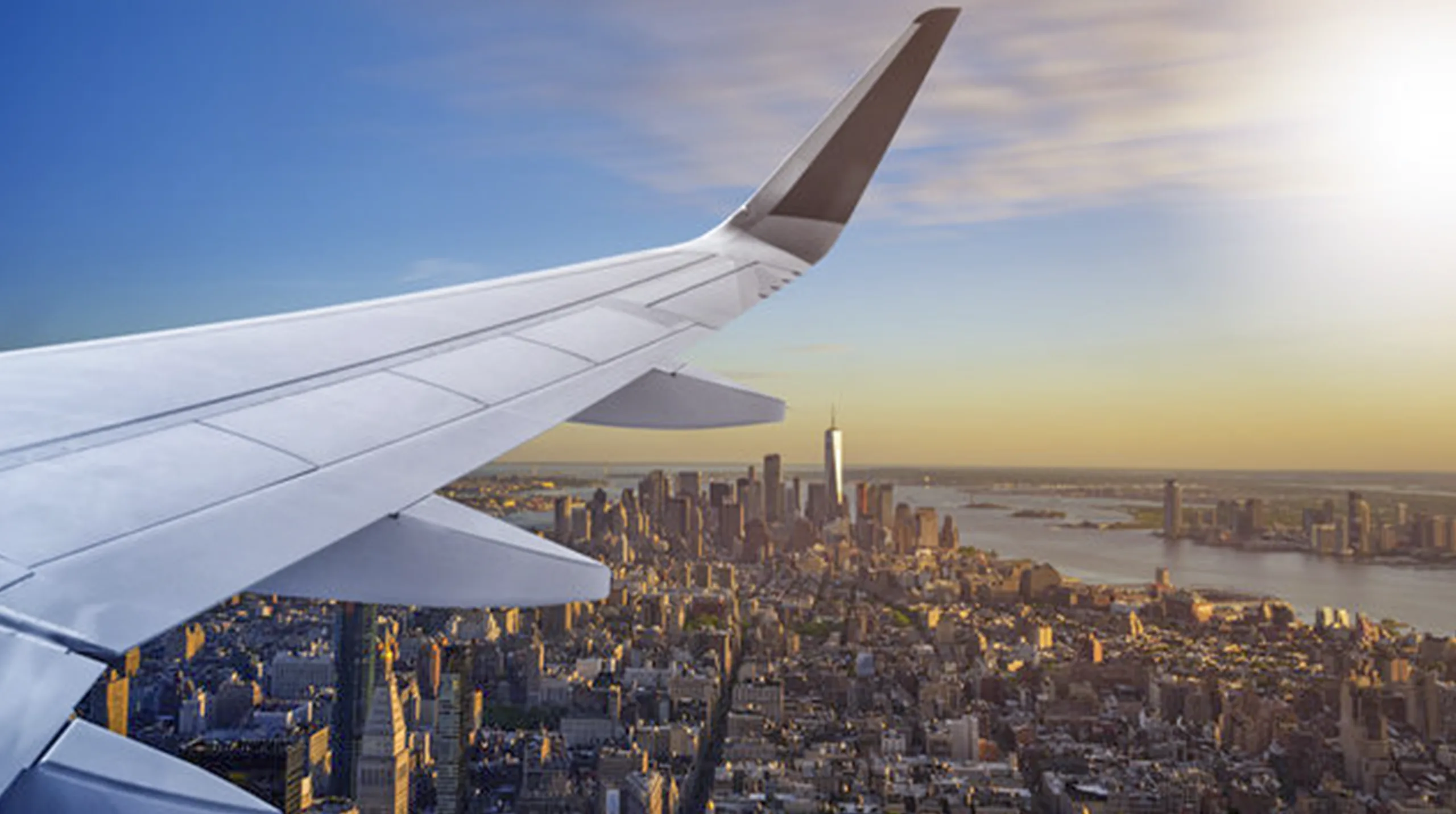
Traveling to New York City is an exercise in preparation. By selecting the correct airport, understanding the local transit infrastructure, and anticipating the logistical demands of a high-volume travel hub, you can transform the stress of air travel into a refined and efficient process. Whether you are descending toward the Statue of Liberty or making your final approach over the Atlantic Ocean, your journey is the prologue to an unforgettable experience in the greatest city on earth. Through strategic planning and a proactive approach, your flight becomes not just a necessity, but the foundation of a successful visit to one of the most vibrant urban centers in the Western Hemisphere.
LifeOutOfTheBox is a participant in the Amazon Services LLC Associates Program, an affiliate advertising program designed to provide a means for sites to earn advertising fees by advertising and linking to Amazon.com. Amazon, the Amazon logo, AmazonSupply, and the AmazonSupply logo are trademarks of Amazon.com, Inc. or its affiliates. As an Amazon Associate we earn affiliate commissions from qualifying purchases.