
Embarking on a road trip across the vast and diverse landscapes of Texas is an exciting prospect, promising everything from sprawling metropolises to charming small towns, and from the sun-drenched coast to the rugged beauty of West Texas. Whether you’re planning a leisurely exploration of Austin‘s live music scene, a deep dive into the history of San Antonio, or a journey through the oil fields of the Permian Basin, having your vehicle in top condition is paramount. This brings a crucial question to the forefront for many travelers and new residents: “Do I need to get my car inspected in Texas?” Understanding Texas vehicle inspection requirements is not just about adhering to the law; it’s about ensuring your safety, the safety of others, and the smooth continuation of your adventures.

For those visiting Texas for an extended stay, perhaps considering a longer exploration of its rich culture, or even contemplating a permanent move, navigating the state’s regulations is a vital part of the process. The Lone Star State, with its unique blend of Southern hospitality and frontier spirit, has specific rules in place to maintain road safety and environmental standards. This article aims to demystify the process, providing clarity on whether a vehicle inspection is a prerequisite for your journey or residency in Texas.
Understanding Texas Vehicle Inspection Requirements
The short answer to whether you need a car inspection in Texas is: yes, if you are registering a vehicle in the state, and for most vehicles driven in the state. This requirement is part of Texas’s Two Steps One Sticker program, which combines vehicle safety inspection and emissions testing into a single, unified process. This program is designed to ensure that vehicles operating on Texas roads meet established safety and environmental standards, contributing to a better quality of life for all residents and visitors alike.
The Two Steps One Sticker Program: A Unified Approach
Historically, Texas had separate inspections for safety and emissions. However, the implementation of the Two Steps One Sticker program has streamlined this into a single annual inspection. This program is primarily for vehicles registered in counties that participate in the emissions testing program. The inspection covers both the safety features of your vehicle, ensuring it is roadworthy, and its emissions control systems, helping to reduce air pollution.
What Does the Inspection Cover?
A comprehensive Texas vehicle inspection typically checks a range of critical components:
- Brakes: Ensuring they are functioning correctly and meet minimum performance standards. This is a cornerstone of vehicle safety.
- Lights: Checking all exterior lights, including headlights, taillights, brake lights, and turn signals, to ensure they are operational and visible.
- Tires: Examining tire tread depth and overall condition to ensure they provide adequate traction and are safe for driving.
- Horn: Verifying that the horn is functional and loud enough to be heard.
- Windshield Wipers and Defroster: Ensuring these are in working order to maintain visibility in various weather conditions.
- Mirrors: Checking that mirrors are present, properly mounted, and not cracked or damaged.
- Exhaust System: Inspecting for leaks and ensuring the muffler is in place and functioning to reduce noise and emissions.
- Steering and Suspension: Examining these critical systems for wear and tear that could affect vehicle control.
- Engine Components: For vehicles subject to emissions testing, this includes checking the catalytic converter, oxygen sensors, and other emission control devices.
Upon passing the inspection, you will receive a certificate of completion. The inspection station will then electronically transmit the results to the Texas Department of Motor Vehicles (DMV). This information is then linked to your vehicle’s registration.
Exemptions and Specific Considerations
While the Two Steps One Sticker program applies broadly, there are certain vehicles and situations that may be exempt from some or all of the inspection requirements. Understanding these exemptions is crucial for avoiding unnecessary hassle.
Vehicles Not Requiring Emissions Testing
Emissions testing is not required for all vehicles in Texas. Generally, vehicles that are:
- Model year 25 years or older: This exemption applies to classic cars and older vehicles that are often kept in excellent condition but may not meet current emissions standards.
- Newer than two model years old: Vehicles that are two model years old or newer are generally exempt from emissions testing. However, they still require a safety inspection if they are registered in a county that requires inspections.
- Electric vehicles: As electric vehicles produce zero tailpipe emissions, they are exempt from emissions testing.
- Motorcycles: Motorcycles are not subject to emissions testing in Texas.
- Diesel-powered vehicles: Most diesel-powered vehicles are exempt from emissions testing.
Counties Requiring Emissions Testing
It’s important to note that emissions testing is only mandatory in specific metropolitan areas within Texas where air quality is a greater concern. These counties include:
- Brazoria
- Collin
- Dallas
- Denton
- Fort Bend
- Galveston
- Harris
- Hunt
- Johnson
- Kaufman
- Montgomery
- Parker
- Rockwall
- Tarrant
- Travis
- Van Zandt
- Victoria
- Wood
- Waller
If you are traveling through or residing in these counties, your vehicle will likely need to pass both a safety and emissions inspection. For counties not listed above, only a safety inspection is typically required.
Other Exemptions
Certain types of vehicles may also be exempt from inspections, such as:
- Vehicles registered as historic or antique.
- Vehicles owned and operated by a governmental entity.
- Vehicles used exclusively for off-highway purposes.
The Process of Getting Inspected
When you are ready to get your vehicle inspected, you can visit any licensed Texas vehicle inspection station. These stations are typically found at auto repair shops, tire stores, and some dealerships throughout the state.
What to Bring
To ensure a smooth inspection process, you should bring the following with you:
- Your vehicle: This is, of course, the most important item!
- Proof of current Texas registration: If your vehicle is already registered in Texas, you’ll need to show the current registration certificate.
- Proof of insurance: Texas law requires drivers to carry liability insurance, and you’ll need to present proof of this.
- Your driver’s license: The inspector may ask to see your driver’s license.
The inspection itself typically takes about 15-30 minutes, depending on the station’s volume and the type of inspection required.
Costs Associated with Inspection
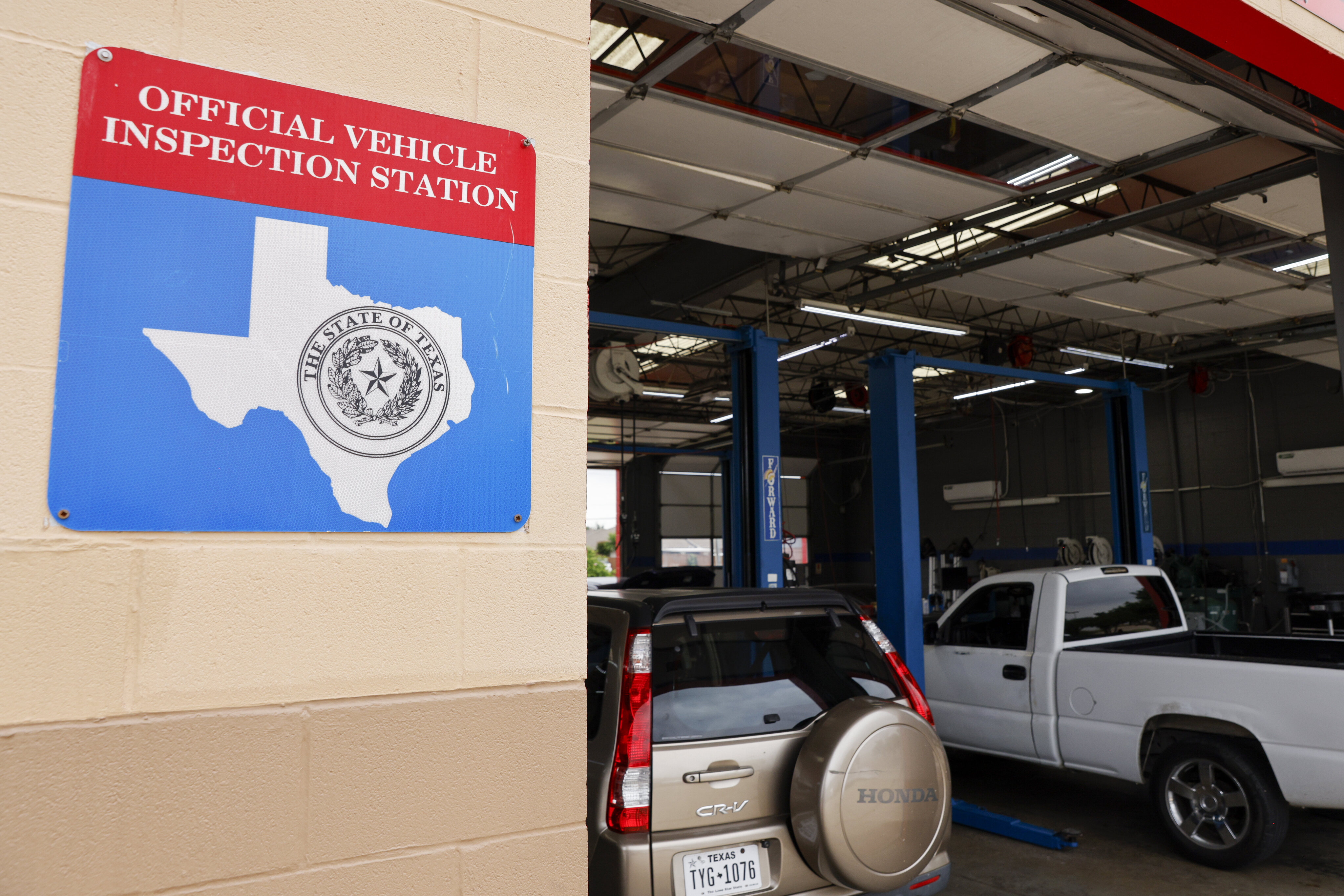
The cost of the vehicle inspection varies by station and the type of inspection performed. Safety inspections and emissions inspections are priced separately, though they are conducted concurrently under the Two Steps One Sticker program. The state of Texas sets the maximum prices for these inspections. You can expect to pay around $30-$40 for a combined safety and emissions inspection in counties where both are required. For counties requiring only a safety inspection, the cost will be lower. It’s always a good idea to inquire about the price beforehand to avoid any surprises.
What Happens If Your Vehicle Fails Inspection?
If your vehicle fails the inspection, you will be given a report detailing the reasons for failure. You will then have a grace period to make the necessary repairs and have the vehicle re-inspected.
Making Repairs and Re-inspection
Once the repairs are completed, you can return to any licensed inspection station for a re-inspection. The re-inspection for emissions testing is often free if completed within a specific timeframe at the same station. For safety inspections, there may be a fee for the re-inspection. It’s crucial to address the issues promptly to ensure your vehicle is compliant and safe to drive.
The Sticker System
Upon passing the safety inspection, you will receive a safety inspection sticker to place on your windshield. For vehicles requiring emissions testing, passing the emissions inspection is also noted. This is where the “Two Steps One Sticker” program gets its name. The inspection station electronically transmits the results to the Texas DMV. When you go to renew your vehicle registration, the DMV will check that your vehicle has passed its inspection. If it hasn’t, you will not be able to renew your registration. Therefore, keeping your inspection up-to-date is directly linked to your ability to legally operate your vehicle in Texas.
Navigating Texas with Your Vehicle: A Traveler’s Guide
For tourists and temporary visitors to Texas, understanding these inspection requirements can seem daunting. However, for most visitors who are not registering their vehicle in Texas, the immediate concern is less about mandatory inspections and more about ensuring their vehicle is in good working order for the journey.
Temporary Visitors and Out-of-State Plates
If you are visiting Texas with your vehicle registered in another state and are not establishing residency, you are generally not required to obtain a Texas inspection. Your vehicle should be in compliance with the laws of the state where it is registered. However, it is always advisable to ensure your vehicle is in excellent mechanical condition for any long-distance travel. This includes checking tires, brakes, fluids, and all essential safety features.
For those planning a long road trip, perhaps exploring the vastness from the Big Bend National Park to the historic sites of Goliad, a well-maintained vehicle is paramount. The unpredictable weather and diverse terrains of Texas can put a strain on your car, making a pre-trip check-up a wise investment regardless of inspection requirements.
Establishing Residency and Registration
If your plans in Texas extend beyond a temporary visit, and you intend to establish residency, you will need to register your vehicle with the Texas Department of Motor Vehicles. This process requires obtaining a Texas title and registration, and crucially, passing the state’s vehicle inspection.
The Registration Process
Once you have established residency in Texas, you will have a limited time (typically 30 days) to register your vehicle. This process involves:
- Obtaining a Texas Title: If you are bringing a vehicle from out of state, you will need to transfer the title to Texas.
- Getting a Texas Inspection: Your vehicle must pass the required Texas safety and, if applicable, emissions inspection.
- Obtaining Proof of Insurance: You’ll need to provide proof of Texas liability insurance.
- Applying for Registration: Visit your local County Tax Assessor-Collector’s office with all necessary documentation to apply for your Texas license plates and registration.
This registration process ensures that all vehicles operating within the state meet Texas safety and environmental standards, contributing to the overall well-being of the state’s infrastructure and its inhabitants.
Frequently Asked Questions About Texas Vehicle Inspections
To further clarify any lingering questions, here are some frequently asked questions regarding vehicle inspections in Texas.
How often do I need to get my car inspected in Texas?
Vehicle inspections in Texas are typically required annually. The inspection is tied to your vehicle’s registration renewal. You must have a current inspection to renew your registration.
Can I get my car inspected at any location in Texas?
You can get your vehicle inspected at any licensed Texas vehicle inspection station. These are authorized businesses that have met state requirements for inspection equipment and personnel.
What if my car is older than 25 years?
Vehicles that are 25 model years or older are generally exempt from emissions testing. However, they may still be subject to a safety inspection, depending on the county in which they are registered.
Does my out-of-state inspection sticker mean I don’t need one in Texas?
If you are visiting Texas and your vehicle is registered in another state, your out-of-state inspection sticker is generally sufficient. However, if you establish residency in Texas, you will need to obtain a Texas inspection and registration within the required timeframe.

What are the benefits of keeping my car inspected?
Regular vehicle inspections ensure that your car is safe to drive, reducing the risk of accidents caused by mechanical failures. They also help to identify potential problems early, saving you money on costly repairs down the line. Furthermore, passing emissions tests contributes to cleaner air and a healthier environment for everyone.
In conclusion, whether you’re planning a scenic drive along the Texas Hill Country, a culinary tour through Houston, or simply a relocation to the Lone Star State, understanding the vehicle inspection requirements is an essential part of your preparation. By staying informed and ensuring your vehicle meets state standards, you can enjoy a safe, legal, and hassle-free experience on Texas roads.
LifeOutOfTheBox is a participant in the Amazon Services LLC Associates Program, an affiliate advertising program designed to provide a means for sites to earn advertising fees by advertising and linking to Amazon.com. Amazon, the Amazon logo, AmazonSupply, and the AmazonSupply logo are trademarks of Amazon.com, Inc. or its affiliates. As an Amazon Associate we earn affiliate commissions from qualifying purchases.