
Montana, often dubbed “Big Sky Country,” is a state that evokes images of vast, untamed wilderness, towering mountain ranges, and a sense of profound solitude. Its sheer scale and the dramatic landscapes that define it naturally lead to a contemplation of its inhabitants. “What is Montana population?” is a question that delves beyond mere numbers; it touches upon the lifestyle, the distribution, and the very essence of life in this expansive American West state. Understanding Montana’s population is intrinsically linked to understanding its appeal for travelers seeking adventure, its demand for unique accommodations, and its burgeoning tourism industry.

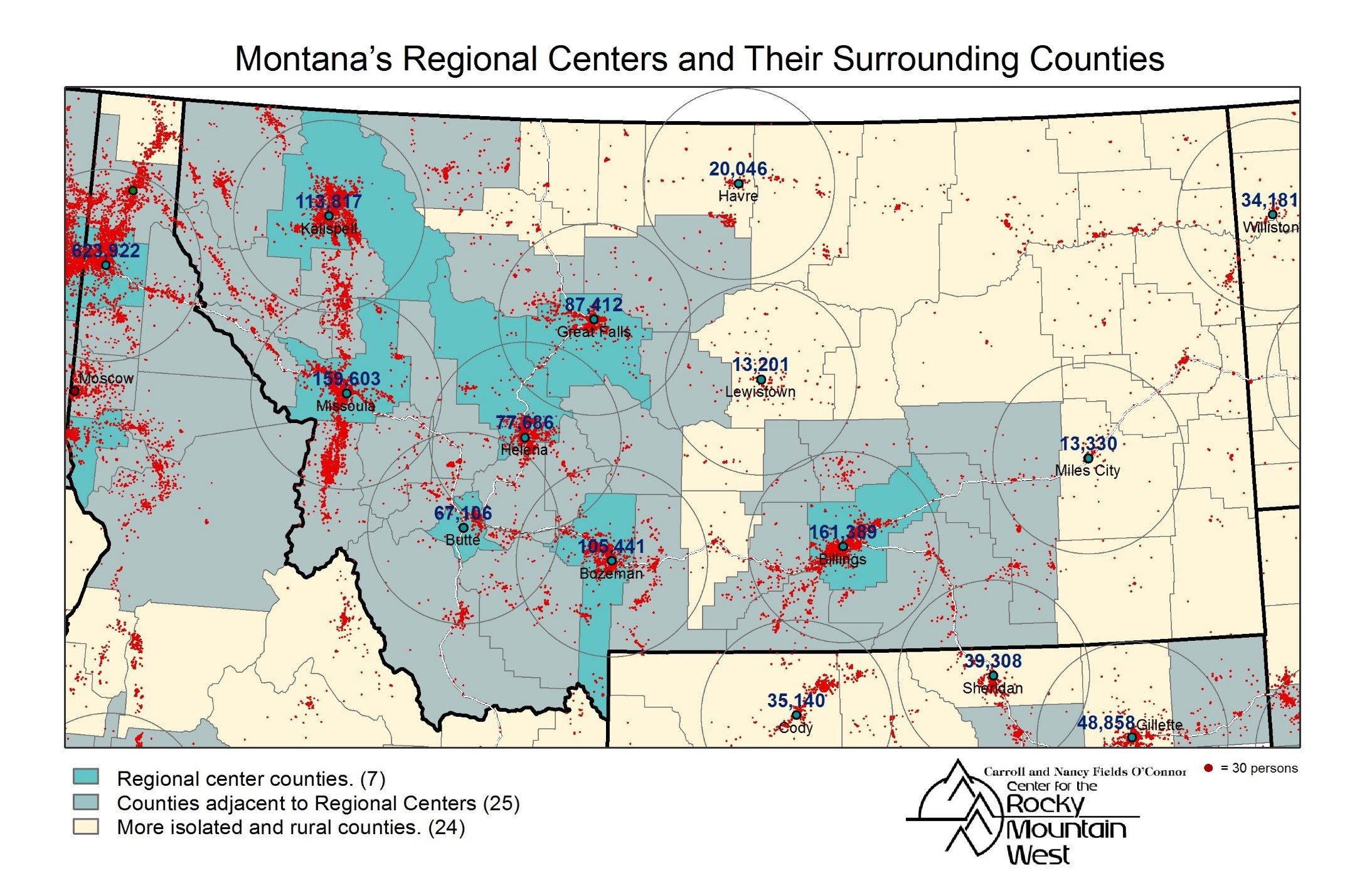
The population of Montana is characterized by its sparse density. As of recent estimates, Montana’s population hovers around 1.1 million people. This figure, when spread across an area of over 147,000 square miles, makes it one of the least densely populated states in the United States. This low density is a fundamental aspect of Montana’s allure, particularly for those looking to escape crowded urban environments. It translates to more open space, fewer traffic jams, and an unparalleled connection with nature. For travelers, this means more opportunities for solitude in places like the Glacier National Park or along the scenic drives of the Beartooth Highway. The limited population also influences the types of tourism experiences available, often prioritizing outdoor activities and genuine interactions with local culture.
Population Distribution and Its Impact on Travel
The distribution of Montana’s population is as important as the total number. The majority of Montanans reside in a few key urban centers, with the rest of the state being sparsely populated. The largest cities, such as Billings, Missoula, and Great Falls, serve as hubs for commerce, services, and cultural activities. These cities offer a range of amenities for visitors, including diverse hotel options, from budget-friendly motels to more upscale suites and apartments. For instance, Billings boasts a variety of hotels catering to business travelers and tourists alike, offering convenient access to local attractions and dining. Similarly, Missoula is known for its vibrant arts scene and access to outdoor recreation, making it a popular destination for families and adventure seekers.
However, the true magic of Montana for many visitors lies beyond these urban centers. The vast rural expanses are dotted with smaller towns and ranches, offering a glimpse into a more traditional way of life. These areas are where the population density drops dramatically, creating the iconic vastness that Montana is famous for. For tourists, this means that reaching prime natural landmarks often involves driving through considerable distances with little human habitation. This journey itself becomes part of the experience, a chance to soak in the immense landscapes that have drawn explorers and artists for generations. The limited population in these rural areas also means that accommodations might be more specialized, perhaps focusing on rustic lodges, cabins, or even working ranches offering unique guest experiences.
The low population density has a direct impact on the tourism sector. While the National Parks and popular destinations like Yellowstone National Park can experience significant visitor numbers, the overall impact on the state’s infrastructure is managed more easily than in more densely populated areas. This allows for a more authentic and less crowded experience in many parts of the state, even during peak seasons. The tourism industry in Montana thrives on showcasing its natural beauty, and the sparse population ensures that this beauty remains largely unspoiled and accessible to those willing to venture out. Local culture is often deeply intertwined with the land, and smaller communities often offer intimate glimpses into these traditions, from agricultural practices to local festivals.
Accommodation and Lifestyle in a Sparsely Populated State

The unique population characteristics of Montana significantly shape its accommodation landscape and lifestyle offerings. With fewer people spread across a larger area, there’s a strong emphasis on utilizing the natural environment for leisure and living. This translates to a higher demand for vacation rentals, cabins, and resorts situated in scenic locations, offering guests direct access to hiking trails, fishing rivers, and breathtaking vistas. For those considering a long-term stay or a more immersive experience, the availability of apartments in larger towns provides a comfortable base, while rural properties offer a chance to truly live the Montana lifestyle.
The concept of luxury travel in Montana often involves expansive private lodges or boutique resorts that blend seamlessly with their natural surroundings. These establishments prioritize privacy and exclusivity, catering to a clientele seeking tranquility and personalized service. Think of a luxurious suite at a resort nestled in the Absaroka-Beartooth Wilderness, offering unparalleled views and access to guided outdoor adventures. On the other hand, budget travel is also accommodated, with a network of campgrounds, modest motels in small towns, and more basic cabin rentals providing accessible options for exploring the state’s wonders.
Family trips in Montana often revolve around outdoor activities, from exploring the wonders of Glacier National Park with its accessible trails and educational programs to enjoying the adventure opportunities near Bozeman, a city that has seen significant growth due to its proximity to outdoor recreation. Business stays, while less common in the remote areas, are well-catered for in cities like Billings and Helena, with hotels offering business amenities and conference facilities.
The lifestyle in Montana is often characterized by a deep appreciation for the outdoors and a slower pace of life. This permeates the service industry as well. Hotels might offer amenities that enhance the outdoor experience, such as gear rentals, packed lunches for hikers, or shuttle services to trailheads. The local food scene often emphasizes fresh, regional ingredients, with restaurants in both urban and rural areas showcasing Montana’s agricultural bounty. Tips for visitors often include embracing the self-reliance and preparedness needed for exploring vast landscapes, and respecting the environment that is so integral to the state’s identity.
Landmarks, Nature, and the Sense of Space
Montana’s population, or rather its scarcity, is what allows its landmarks and natural beauty to remain such prominent draws. The state is home to some of the most iconic natural wonders in the United States, with Glacier National Park and portions of Yellowstone National Park being prime examples. These protected areas, while experiencing visitor influx, are managed to preserve their natural integrity, offering an unparalleled experience of nature’s grandeur. The sheer scale of these parks, coupled with the surrounding wilderness, creates a profound sense of space that is a hallmark of the Montana experience.
Beyond the major national parks, Montana is replete with other significant landmarks. The Little Bighorn Battlefield National Monument offers a deep dive into American history, while the unique geological formations found in areas like the Makoshika State Park showcase the state’s diverse natural heritage. The architecture in historic towns like Virginia City provides a tangible link to the state’s frontier past.
The appeal of Montana’s natural landscapes extends to its rivers, lakes, and mountain ranges. The Missouri River carves a significant path through the state, offering opportunities for fishing, boating, and scenic drives along its banks. The Rocky Mountains dominate the western part of the state, providing a dramatic backdrop and a playground for outdoor enthusiasts. These natural attractions are not just passive sights; they are integral to the Montana lifestyle and a primary driver of its tourism industry.
The limited population density means that even outside of designated parks, one can find vast stretches of undeveloped land. This accessibility to nature is a significant factor for people choosing to live in or visit Montana. It allows for activities like backcountry camping, wildlife viewing, and simply enjoying the quiet solitude that is increasingly rare in other parts of the world. The understanding of Montana’s population is, therefore, an understanding of how a low number of people can coexist with and cherish an abundance of natural splendor, creating a unique and compelling destination for travelers and residents alike.
LifeOutOfTheBox is a participant in the Amazon Services LLC Associates Program, an affiliate advertising program designed to provide a means for sites to earn advertising fees by advertising and linking to Amazon.com. Amazon, the Amazon logo, AmazonSupply, and the AmazonSupply logo are trademarks of Amazon.com, Inc. or its affiliates. As an Amazon Associate we earn affiliate commissions from qualifying purchases.