
Navigating the intricacies of vehicle ownership in the Lone Star State can sometimes feel like traversing a vast, unmarked highway. Among the many questions that arise for Texas residents and visitors alike, one that frequently surfaces, particularly with recent legislative changes, is: “Do I still need a vehicle inspection in Texas?” This seemingly straightforward query touches upon practical considerations for travelers, affects budget-conscious lifestyle choices, and ultimately influences how smoothly you can enjoy the diverse tourism and accommodation options Texas offers. Understanding the current requirements is crucial, not just for legal compliance, but also for ensuring your journeys across the state, whether for business stays, family trips, or exploring local culture, are seamless and worry-free.

The landscape of vehicle inspections in Texas has indeed undergone a significant shift. For many years, the dual-item inspection, covering both safety and emissions, was a mandatory part of vehicle registration. This meant an annual trip to an authorized inspection station, a fee, and a sticker affixed to your windshield, signifying your vehicle met the state’s standards. However, as of January 1, 2025, a pivotal change has taken effect, altering this long-standing requirement for most passenger vehicles. This shift is directly linked to the implementation of House Bill 3297, which eliminated the mandatory safety inspection for most civilian vehicles. This means that for the vast majority of car owners, the annual safety inspection, as it was traditionally known, is no longer a prerequisite for renewing your vehicle’s registration.
This change has sparked considerable discussion and, for some, a sense of relief. The annual inspection fee, which varied but added an extra cost to vehicle ownership, has been removed from the registration process for many. This can translate into tangible savings, particularly for those managing a budget travel lifestyle or juggling multiple expenses. For families planning road trips to attractions like the Alamo or resorts near Galveston Island, the elimination of this fee might free up funds for other aspects of their vacation, such as booking a more spacious suite or indulging in local culinary experiences. It’s a tangible benefit that aligns with a more flexible and potentially budget-friendly approach to travel and lifestyle.
However, it’s crucial to understand that the elimination of the safety inspection does not mean a complete abandonment of vehicle checks. For certain types of vehicles and in specific circumstances, inspections remain a requirement. This nuance is vital for anyone relying on their vehicle for extensive travel, perhaps a business stay in Dallas or a lengthy exploration of the Texas Hill Country. It’s also important for those considering long-term stays in different Texas cities, where understanding local regulations is paramount. The distinction between safety and emissions inspections, and which still apply, is where much of the current confusion lies.
The Nuances of Texas Vehicle Inspections: What You Need to Know
The legislative change primarily addresses the safety inspection component for most passenger vehicles. This means that if you own a standard car, SUV, or light truck used for personal transportation, you likely no longer need to undergo a separate safety inspection to renew your vehicle registration. This update is designed to streamline the registration process and reduce the financial burden on vehicle owners. For many Texans, this translates to a simpler renewal experience at the local county tax assessor-collector’s office or online.
However, this exemption does not apply universally. Certain categories of vehicles are still subject to mandatory safety inspections. These typically include commercial vehicles, buses, ambulances, and vehicles that are older or have been modified in specific ways. If your vehicle falls into one of these categories, you will still need to present proof of a valid safety inspection when registering your vehicle. This is particularly relevant for those operating businesses that rely on transportation, such as tour operators in San Antonio or delivery services catering to the hospitality sector. For them, ensuring their fleet is compliant with all inspection regulations remains a critical operational requirement.
Furthermore, the state of Texas has implemented a system where a portion of the previous inspection fee has been rolled into the vehicle registration fee. This means that while you may not pay for a separate inspection sticker, the overall cost of your registration may have seen a slight increase. This is a detail that can impact budget planning for any traveler, whether they are a frequent visitor to Texas landmarks like Big Bend National Park or a resident planning their annual road trip to the Gulf Coast. Understanding this slight adjustment in registration costs is part of staying informed about the practicalities of vehicle ownership in the state.
The focus of the inspection requirements has also shifted towards emissions testing in certain counties. While the statewide safety inspection has been largely phased out for passenger vehicles, Texas Commission on Environmental Quality (TCEQ) mandates emissions testing in 11 highly populated counties. These counties include: Brazoria, Collin, Denton, Fort Bend, Galveston, Harris, Hunt, Johnson, Montogomery, Rockwall, and Tarrant. If your vehicle is registered in any of these counties, you will still be required to have your vehicle pass an emissions test as part of your annual registration renewal. This is a critical distinction for residents and frequent visitors to major metropolitan areas like Houston and the Dallas-Fort Worth Metroplex, where air quality concerns are a priority.
What This Means for Your Travel and Lifestyle in Texas
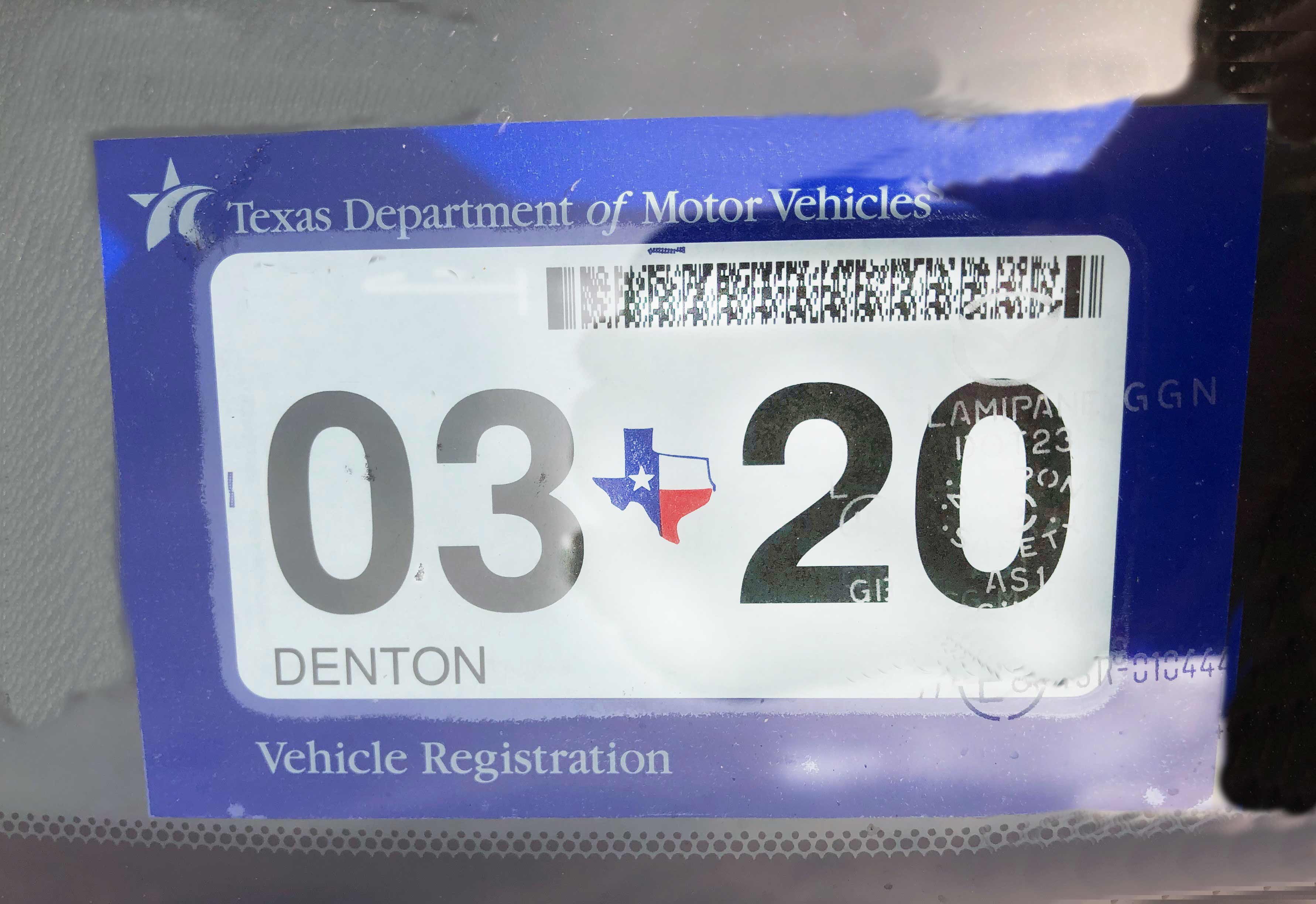
The changes to vehicle inspection requirements in Texas have several practical implications for how you experience the state, impacting everything from your travel plans to your lifestyle choices. For the vast majority of passenger vehicle owners, the elimination of the mandatory safety inspection means one less annual task and a potential reduction in upfront costs associated with vehicle ownership. This can be particularly beneficial for those who are budget-conscious and are planning trips to explore Texas’s diverse offerings.
Simplified Registration and Budgetary Advantages
The primary benefit is a simplified vehicle registration process. No longer do you need to schedule an appointment or visit an inspection station solely for a safety check. This frees up your time and, for many, a small but consistent annual expense. Consider the savings: if you were paying around $30-$40 annually for a safety inspection, that amount can now be reallocated. For a family planning a getaway to San Antonio to visit the Riverwalk and perhaps stay at a resort like the JW Marriott San Antonio Hill Country Resort & Spa, these savings, however modest, can contribute to booking an extra night, enjoying a more elaborate meal, or purchasing souvenirs.
This financial advantage aligns perfectly with a lifestyle that embraces smart spending without compromising on experiences. Whether you’re a luxury traveler looking to optimize your travel budget for more exclusive accommodations, or a budget traveler aiming to stretch your dollars further to explore more of Texas’s natural beauty like the Palo Duro Canyon State Park, these savings can make a difference. For individuals planning business stays in cities like Austin, the reduced hassle and cost can contribute to a smoother and more efficient trip.
Continued Emissions Testing in Key Areas
Despite the removal of the safety inspection for most, it is imperative to remember the continued requirement for emissions testing in specific counties. If you reside in or frequently travel through the 11 counties mentioned earlier – Brazoria, Collin, Denton, Fort Bend, Galveston, Harris, Hunt, Johnson, Montogomery, Rockwall, and Tarrant – you must ensure your vehicle passes an emissions test. This requirement is tied to air quality regulations and aims to reduce pollution in these heavily populated regions.
For visitors planning to drive through these areas, or for residents within them, this means continuing to factor in the emissions test into your vehicle maintenance and registration schedule. Failing to do so can result in penalties and prevent you from renewing your vehicle registration, which could then impact your ability to book accommodations or explore attractions across the state. Imagine planning a road trip from El Paso to Houston and being unable to proceed due to an unregistered vehicle. This underscores the importance of staying informed about these specific regional requirements.

The Importance of Vehicle Maintenance Remains
It is vital to emphasize that the elimination of the mandatory safety inspection does not absolve vehicle owners of their responsibility to maintain their vehicles in safe operating condition. The law may no longer mandate a safety check for registration purposes for most passenger vehicles, but driving an unsafe vehicle remains illegal and, more importantly, incredibly dangerous. Tires with insufficient tread, faulty brakes, or malfunctioning lights can lead to accidents, jeopardizing your safety and the safety of others on the road, whether you are navigating the bustling streets of Fort Worth or the open highways leading to South Padre Island.
The spirit of the safety inspection, which was to ensure vehicles on the road were roadworthy, still holds true. It is still recommended, and indeed prudent, for all vehicle owners to conduct regular self-inspections or to have their vehicles checked by a qualified mechanic. This proactive approach to maintenance is essential for any lifestyle that involves regular travel, including business stays, family trips, or extended explorations of Texas’s diverse landscapes. A well-maintained vehicle ensures reliability, enhances fuel efficiency, and ultimately contributes to a more enjoyable and secure travel experience. This proactive approach to your vehicle’s condition is a cornerstone of responsible lifestyle choices for any driver in Texas.
Ultimately, while the landscape of vehicle inspections in Texas has changed, the core principle of ensuring road safety and environmental responsibility remains. By understanding the specific requirements for your vehicle and your location, you can navigate the process smoothly, save money, and continue to enjoy all the travel, tourism, and lifestyle opportunities that the great state of Texas has to offer, from the historic missions in San Antonio to the vast ranches of West Texas.
LifeOutOfTheBox is a participant in the Amazon Services LLC Associates Program, an affiliate advertising program designed to provide a means for sites to earn advertising fees by advertising and linking to Amazon.com. Amazon, the Amazon logo, AmazonSupply, and the AmazonSupply logo are trademarks of Amazon.com, Inc. or its affiliates. As an Amazon Associate we earn affiliate commissions from qualifying purchases.