
Navigating the costs associated with end-of-life arrangements is a sensitive yet crucial aspect of personal planning. While the thought of death and associated expenses can be daunting, understanding the financial implications of cremation in California empowers individuals to make informed decisions and eases the burden on loved ones. This comprehensive guide delves into the various factors influencing cremation costs in the Golden State, offering a clear picture of what to expect.
The cost of cremation in California is not a one-size-fits-all figure. It’s a mosaic of services, choices, and individual circumstances that collectively determine the final price. Understanding these components is key to budgeting and planning effectively.
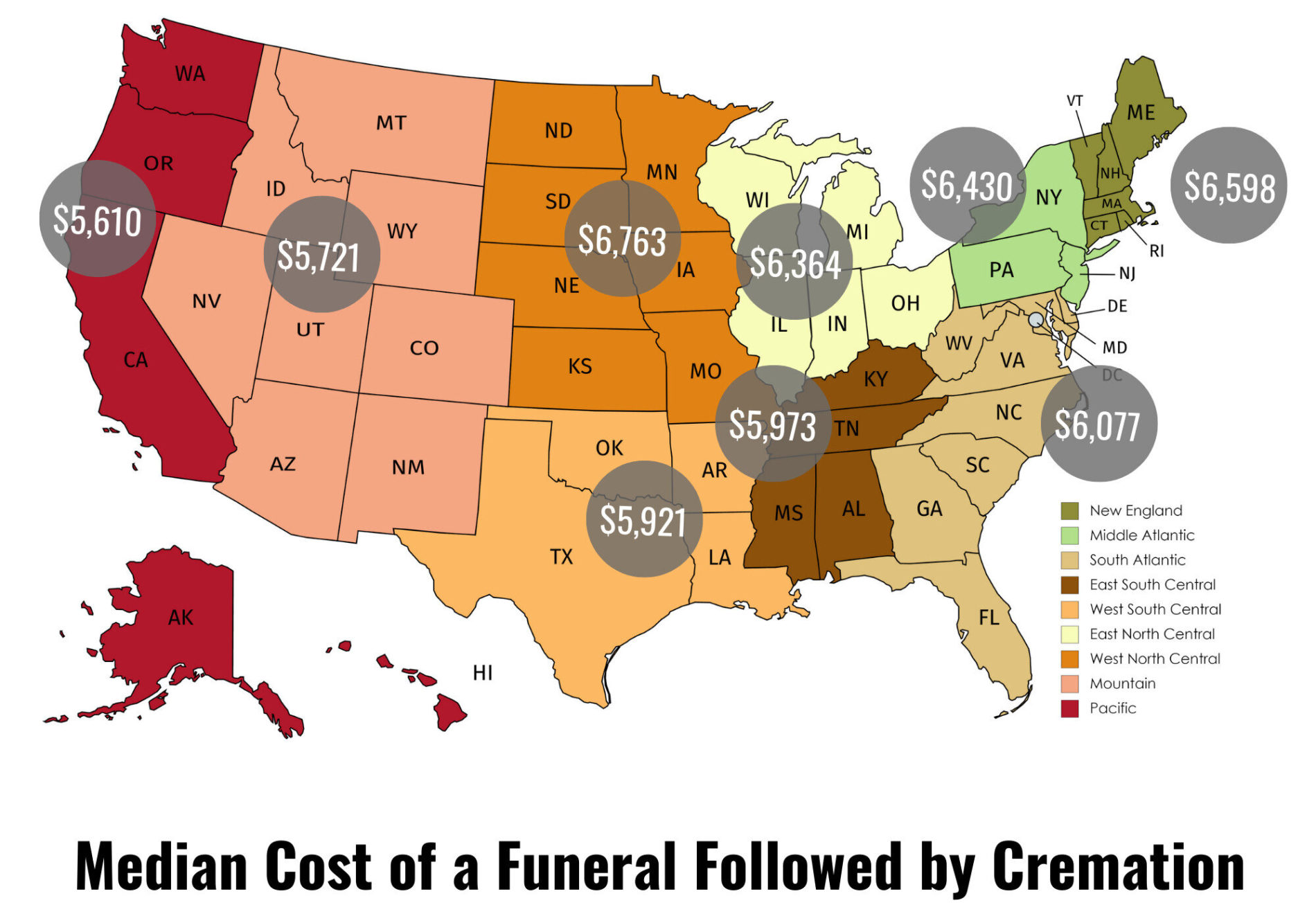
Understanding the Core Components of Cremation Costs
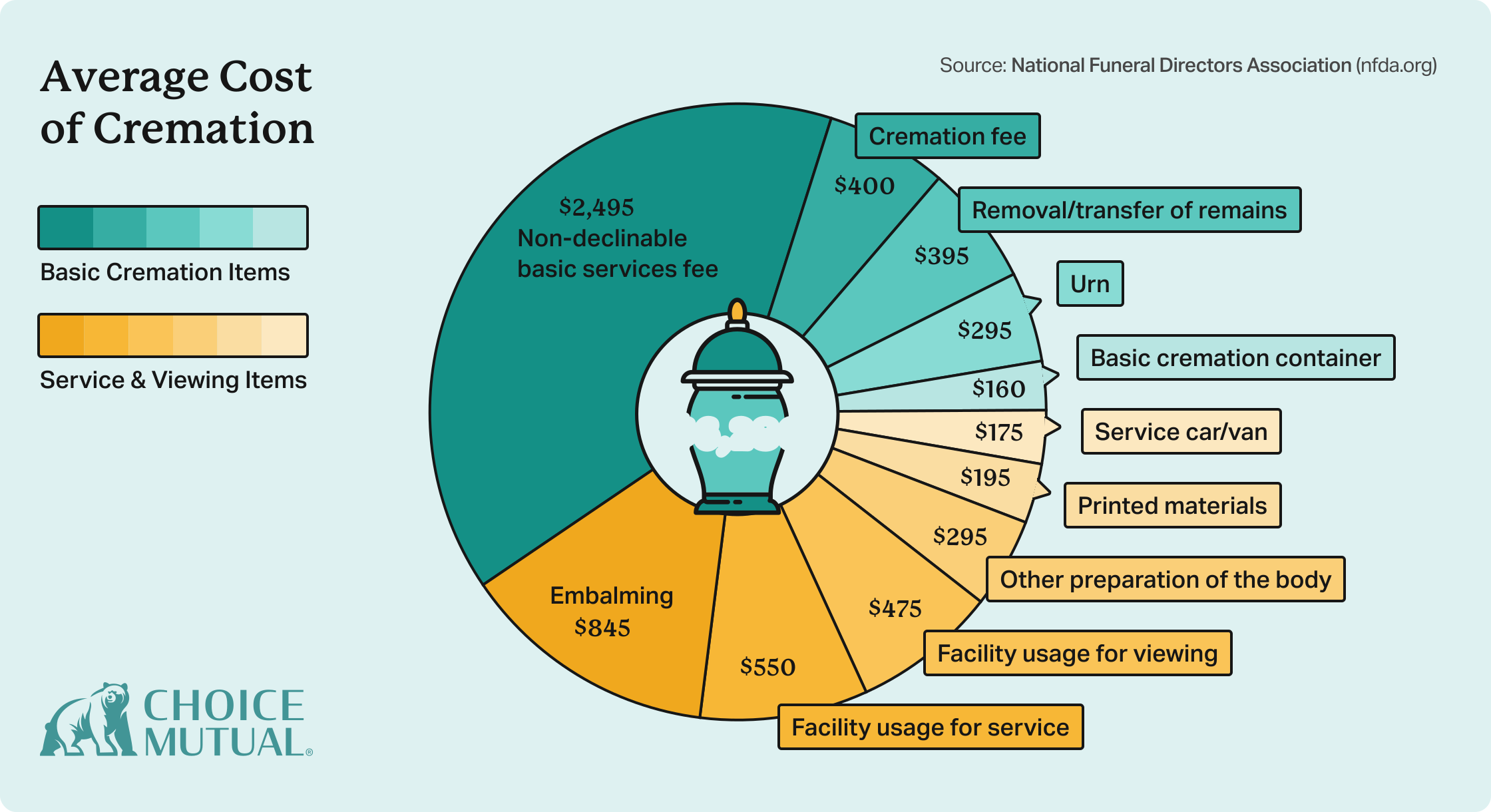
At its heart, cremation involves the process of reducing a body to bone fragments and ashes through intense heat. However, the price tag extends far beyond this singular service. Several key elements contribute to the overall expense, and each offers an opportunity for customization and, consequently, cost variation.
Direct Cremation: The Most Budget-Friendly Option
For those seeking the most economical cremation option, direct cremation stands out. This service typically includes the transportation of the deceased from the place of death to the crematorium, the cremation process itself, and the return of the cremated remains in a basic urn or container. Direct cremation providers often operate with streamlined processes, minimizing overhead and passing those savings onto consumers.
The appeal of direct cremation lies in its simplicity and affordability. It’s an ideal choice for individuals or families who do not wish to have a formal viewing or memorial service prior to cremation. This can significantly reduce the overall expenditure, as it excludes costs associated with embalming, viewing rooms, funeral directors’ services for a public service, and elaborate caskets.
When considering direct cremation, it’s important to clarify exactly what is included. Some packages might offer basic identification viewing, while others strictly prohibit it. The type of container for the ashes can also vary, from simple cardboard boxes to more decorative urns, with the latter often being an additional expense.
Standard Cremation with Services: A More Comprehensive Approach
Beyond direct cremation, a more comprehensive package often includes a range of services designed to facilitate a meaningful farewell. This category encompasses arrangements for viewings, memorial services, or even traditional funeral services followed by cremation. The cost escalation here is driven by the added layers of personalized care and ceremonial elements.
These services typically involve:
- Funeral Director’s Professional Services: This is a broad category that covers the expertise and time of the funeral director and their staff. It can include coordinating all aspects of the cremation, obtaining necessary permits and death certificates, and providing guidance and support to the family.
- Transportation: While direct cremation often includes basic transportation, more involved services might cover transport from the place of death to the funeral home, and then to the crematory, especially if there are intermediate stops for viewings or services.
- Embalming and Preparation: If a viewing or open-casket service is planned, embalming is usually a requirement. This process involves preserving the body and preparing it for presentation. The cost of embalming can be substantial.
- Casket or Viewing Container: For viewings, a casket or a specialized viewing container is necessary. The price of these items can range from very basic to luxurious, significantly impacting the overall cost. Even for cremation without a viewing, a combustible container is required by the crematory, which is often included in the package but can be upgraded.
- Facility Use: If a funeral home’s facilities are used for a viewing, wake, or memorial service, there will be charges for their use, including staffing and amenities.
- Memorialization Items: This can include things like memorial folders, prayer cards, acknowledgement cards, and even flower arrangements, which are often arranged by the funeral home and added to the bill.
The flexibility within this “standard” cremation with services allows families to tailor the experience to their needs and budget, making it possible to honor their loved one with a fitting tribute.
Additional Costs and Considerations
Beyond the core cremation services, several other factors can influence the final bill. Understanding these can help in creating a more accurate budget and avoiding unexpected expenses.
The Role of the Urn
The urn is the vessel that holds the cremated remains. While basic containers are often included in cremation packages, many families choose to select a more personalized or decorative urn. The price of urns varies dramatically based on material, craftsmanship, and design.
- Materials: Urns can be crafted from a wide range of materials, including wood, metal (bronze, brass, pewter), ceramic, marble, stone, and even biodegradable materials.
- Artistry and Personalization: Elaborately carved wooden urns, hand-painted ceramic pieces, or intricately designed metal urns will command higher prices. Engraving with names, dates, or significant symbols also adds to the cost.
- Specialty Urns: There are also specialized urns designed for specific purposes, such as scattering urns, keepsake urns (to divide remains among family members), or urns designed to incorporate ashes into jewelry or art.
The choice of urn is a deeply personal one, and its cost can range from under $100 for a simple option to several thousand dollars for a custom-designed piece.
Handling of Cremated Remains
Once the cremation process is complete, families have several options for handling the cremated remains, each with potential associated costs.
- Scattering: Remains can be scattered in a special location, such as a favorite park, the ocean, or a designated scattering garden. While the scattering itself may be free, obtaining permits or using a professional scattering service might incur fees.
- Columbarium Niches: Many cemeteries offer columbarium niches, which are small compartments designed to hold urns. Purchasing or renting a niche can be a significant expense, varying greatly depending on the cemetery’s location and prestige.
- Burial: Urns can also be buried in a traditional cemetery plot or a dedicated cremation garden. This often involves the cost of a burial plot, opening and closing fees, and a grave marker or headstone.
- Keepsakes: Dividing remains into smaller keepsake urns or memorial jewelry also incurs the cost of these specialized items.
Geographical Location and Provider Choice
California is a vast state, and costs can fluctuate significantly based on the region.
- Metropolitan Areas vs. Rural Areas: Major metropolitan areas like Los Angeles and San Francisco generally have higher costs of living, which can translate into higher prices for funeral and cremation services compared to more rural or less populated areas.
- Provider Reputation and Services: The reputation, established history, and the breadth of services offered by a funeral home or crematorium can also influence pricing. Premium providers or those offering highly specialized services may charge more.
- Online vs. Traditional Providers: Increasingly, online cremation providers are emerging, offering a streamlined, often more affordable alternative to traditional brick-and-mortar funeral homes. These providers typically have lower overhead and can pass on savings. However, it’s crucial to ensure they are fully licensed and accredited.
Additional Services and Personal Touches
Many families opt for additional services to personalize the memorialization process. These can include:
- Obituaries and Death Certificates: The cost of placing an obituary in newspapers or online, as well as purchasing certified copies of death certificates, can add to the overall expense.
- Flowers and Music: Arranging for floral tributes or live musicians for a service will incur additional costs.
- Cremation Jewelry and Keepsakes: As mentioned earlier, personalized jewelry or other keepsakes made from cremated remains are a popular choice for many families.
- Pre-Need Arrangements: Planning and paying for cremation services in advance (pre-need arrangements) can sometimes lock in current prices and offer peace of mind. However, the cost itself at the time of purchase is still a factor.
Average Cost of Cremation in California
Given the myriad of factors, providing a single definitive average cost for cremation in California is challenging. However, based on industry averages and general market trends, we can establish a range:
- Direct Cremation: This can range from approximately $1,000 to $3,000. This is typically the most straightforward and cost-effective option.
- Cremation with a Memorial Service: When a viewing or memorial service is included, the cost can escalate to $3,000 to $7,000 or more. This range accounts for the funeral director’s professional services, embalming, facility use, and other related preparations.
- Full Traditional Funeral with Cremation: For a complete traditional funeral service followed by cremation, the costs can range from $5,000 to $10,000+. This includes everything from a formal viewing and service to a casket for the viewing and other ceremonial elements.
It is essential to obtain itemized price lists from multiple providers to compare services and costs accurately. Many funeral homes are legally required to provide a General Price List (GPL) that details the cost of each individual service and product.
Legal Requirements and Paperwork
While not a direct “cost” in terms of services rendered, understanding the legal aspects of cremation is important. Obtaining a death certificate is a necessary step, and there are fees associated with each certified copy. These fees are set by the state and county and are usually a few dollars per copy. Funeral homes will handle the processing of these documents for you, and their fee for this service might be included in their overall professional service charges.
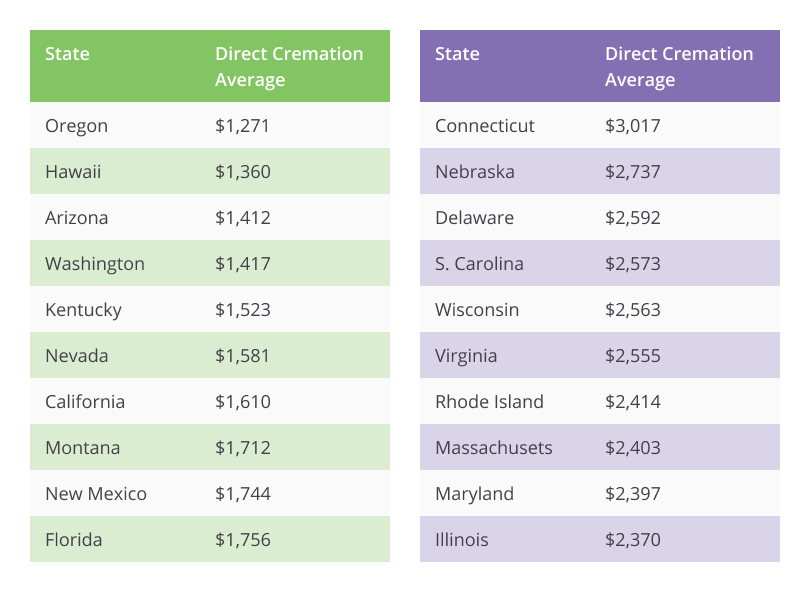
Tips for Managing Cremation Costs
Planning for cremation, whether in advance or at the time of need, offers opportunities to manage expenses effectively:
- Get Multiple Quotes: Contact at least three different cremation providers in your desired area. Compare their General Price Lists (GPLs) to understand what is included in each package.
- Understand What’s Included: Carefully review the services and items listed in each quote. Ask clarifying questions about any jargon or services you don’t fully understand.
- Consider Direct Cremation: If a viewing or formal service isn’t a priority, direct cremation is the most economical choice. A separate memorial service can be held later in a less expensive venue or even at home.
- Explore Urn Options: Research urn prices beforehand. You can often find more affordable options online or at specialty stores compared to those offered by funeral homes.
- Discuss Pre-Need Options: If planning in advance, discuss pre-need payment plans. This can lock in current prices and potentially offer payment flexibility. However, ensure you understand the terms and conditions, especially regarding price guarantees.
- Ask About Package Deals: Some providers offer bundled packages that can be more cost-effective than selecting individual services.
- Consider DIY Elements: For memorial services, consider handling aspects like readings, music selection, or reception arrangements yourself to save on professional service fees.
By understanding the breakdown of costs and exploring the available options, individuals can make informed decisions that align with their financial circumstances and personal wishes, ensuring a respectful and dignified farewell in California.
LifeOutOfTheBox is a participant in the Amazon Services LLC Associates Program, an affiliate advertising program designed to provide a means for sites to earn advertising fees by advertising and linking to Amazon.com. Amazon, the Amazon logo, AmazonSupply, and the AmazonSupply logo are trademarks of Amazon.com, Inc. or its affiliates. As an Amazon Associate we earn affiliate commissions from qualifying purchases.