
The Sunshine State’s Olive Potential
Florida, a state renowned for its citrus groves, sugar cane fields, and a vibrant tourism industry, might not be the first place that comes to mind when discussing olive cultivation. However, beneath the surface of its popular tourist attractions and bustling cities lies an intriguing agricultural landscape that is increasingly being explored for its potential to grow olives. While the Mediterranean climate has long been considered the traditional home for olive trees, advancements in horticultural science and the introduction of new olive varieties are opening doors for cultivation in less conventional regions. This shift is prompting a closer look at whether Florida, with its unique climate and agricultural heritage, can indeed contribute to the world’s olive production.
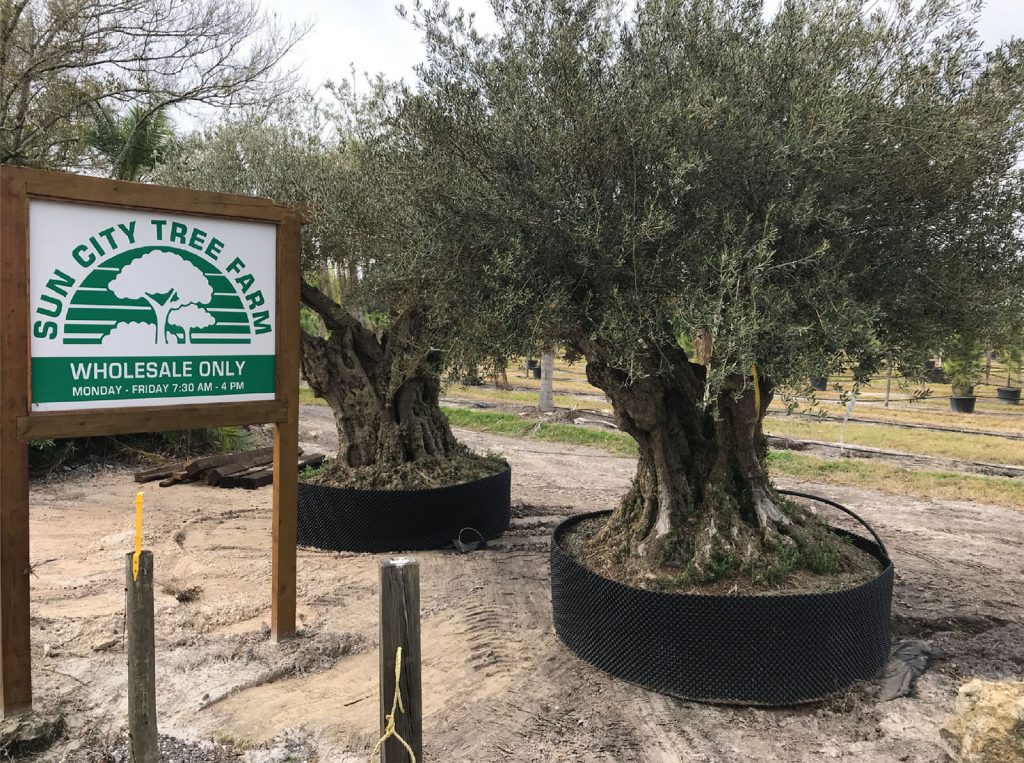
The question of whether olives grow in Florida is not a simple yes or no. It is a nuanced inquiry that delves into the specific climatic requirements of olive trees, the various cultivars available, and the innovative practices being employed by agricultural pioneers in the state. For decades, the prevailing wisdom suggested that Florida’s high humidity and subtropical climate, characterized by intense summer rains and potential for frost in some northern regions, were not conducive to the successful growth and fruit production of traditional olive varieties. These trees typically thrive in hot, dry summers and mild, wet winters, a profile that aligns more closely with regions like the Mediterranean basin, parts of California, and Australia.
However, as the agricultural sector seeks diversification and new opportunities, particularly in the face of changing weather patterns and market demands, the exploration of alternative crops becomes paramount. This has led researchers and farmers in Florida to investigate the viability of cultivating olives, not just as a niche crop, but potentially as a sustainable and profitable agricultural endeavor. The journey to answer “Do olives grow in Florida?” involves understanding the challenges, the successes, and the future outlook for this ancient fruit in a modern, subtropical setting.
Understanding Olive Cultivation Requirements
Olive trees (Olea europaea) are remarkably resilient and have been cultivated for millennia across diverse geographical locations. However, they are not without their specific needs. Understanding these requirements is key to assessing their suitability for any given region, including Florida.
Climate and Soil
The most crucial factor for successful olive cultivation is climate. Olive trees require a period of chilling during winter to set fruit properly. While Florida does experience cooler temperatures in its northern regions, the overall chill hours are significantly lower than those typically needed by traditional Mediterranean olive varieties. High humidity, prevalent in Florida for much of the year, can also increase the susceptibility of olive trees to fungal diseases, such as olive leaf spot and anthracnose, which can impact both tree health and fruit quality.
Soil is another important consideration. Olive trees prefer well-drained soils, as they are susceptible to root rot in waterlogged conditions. While Florida has a variety of soil types, some areas are prone to poor drainage, especially in the southern parts of the state. Therefore, careful site selection and potential soil amendments are crucial for establishing a healthy olive grove.
Sunlight and Water
Olive trees are sun-loving plants and require ample sunlight for optimal growth and fruit production. Florida’s abundant sunshine is generally favorable in this regard. Water requirements vary depending on the tree’s age and the climate. Young trees need consistent watering to establish a strong root system. Mature trees are quite drought-tolerant once established, but irrigation during prolonged dry spells, particularly during fruit development, can significantly improve yield and quality. However, overwatering, especially in combination with high humidity, can be detrimental.
Pests and Diseases
The subtropical environment of Florida can present unique challenges regarding pests and diseases. While traditional olive-growing regions face their own set of issues, Florida’s warmer and more humid conditions can foster the proliferation of certain pests and fungal pathogens that may not be as prevalent elsewhere. This necessitates careful monitoring and integrated pest management strategies to protect the olive trees and their developing fruit.
Florida’s Olive Pioneers and Promising Varieties
Despite the inherent challenges, a growing number of individuals and organizations in Florida are dedicated to proving that olives can indeed be cultivated successfully in the Sunshine State. This pioneering spirit is driven by a passion for agricultural innovation and a belief in the untapped potential of Florida’s land.
Research and Development
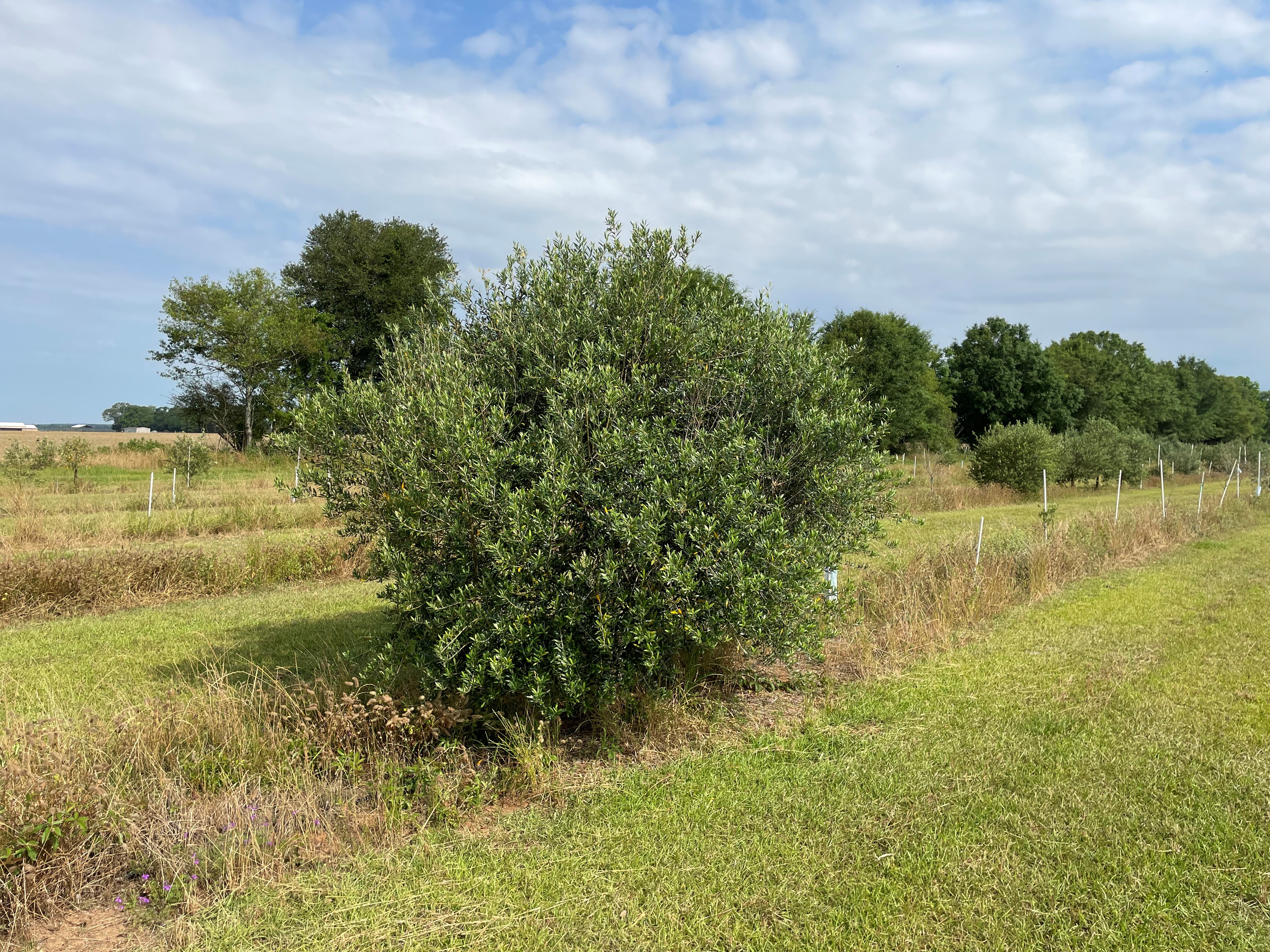
Several agricultural research institutions and private entities are actively engaged in researching and developing olive cultivation techniques suitable for Florida’s climate. This includes experimenting with different irrigation methods, fertilization programs, and disease control strategies. The focus is on adapting existing knowledge and developing new approaches that specifically address the unique environmental conditions of Florida.
Cultivar Selection
A key element in the success of olive cultivation in Florida lies in the selection of appropriate olive varieties. While traditional cultivars from regions like Spain, Italy, and Greece may struggle, breeders and growers are focusing on varieties that have demonstrated greater tolerance to warmer climates, higher humidity, and lower chill hours.
- Arbequina: This Spanish variety is known for its adaptability and ability to produce fruit in warmer regions. It is a popular choice for many growers exploring new territories.
- Koroneiki: Another Greek cultivar, Koroneiki is highly regarded for its oil quality and can perform well in various climates.
- Picual: This Spanish variety is also known for its resilience and is being trialed in Florida.
- Manzanilla: While often associated with table olives, Manzanilla can also produce oil and is being considered.
Beyond these well-known varieties, research is also being conducted on less common cultivars and even on developing new hybrids that are specifically tailored to thrive in Florida’s environment. This careful selection process, combined with advanced horticultural practices, is crucial for overcoming the climatic limitations.
Early Successes and Case Studies
While large-scale commercial olive groves are not yet a dominant feature of Florida’s agricultural landscape, there are documented instances of successful smaller-scale operations. These early adopters are providing valuable insights and demonstrating the feasibility of growing olives in various parts of the state, from the Panhandle to South Florida. These groves, often planted in carefully selected microclimates and managed with meticulous attention to detail, are serving as living laboratories, showcasing the potential for this ancient crop to flourish in the Sunshine State. Their successes, though often hard-won, offer a beacon of hope and a testament to the dedication of Florida’s agricultural innovators.
The Future of Olive Cultivation in Florida
The prospect of olives thriving in Florida is more than just an agricultural curiosity; it represents an opportunity for economic diversification, enhanced local food systems, and the potential to introduce a new dimension to the state’s already rich tapestry of culinary experiences. As research continues and more growers embrace the challenge, the future of olive cultivation in Florida looks increasingly promising.
Economic Viability and Market Opportunities
The establishment of a viable olive industry in Florida could offer significant economic benefits. The demand for high-quality olive oil and table olives continues to grow, both domestically and internationally. If Florida can produce premium olive products, it can tap into this lucrative market. Furthermore, a local olive industry could create new jobs in farming, processing, and related sectors, contributing to the economic vitality of rural communities. The potential for agritourism, where visitors can tour olive groves, learn about the cultivation process, and sample locally produced olive oil, also presents an exciting avenue for growth and a unique experience for tourists visiting Florida.
Addressing Environmental Challenges
Ongoing research is crucial for developing sustainable and environmentally friendly methods for olive cultivation in Florida. This includes exploring water-efficient irrigation techniques, organic pest and disease management, and methods to improve soil health. By embracing sustainable practices, Florida’s olive growers can minimize their environmental footprint and ensure the long-term viability of their groves. This focus on ecological stewardship will be essential for building a respected and enduring olive industry.

A New Culinary Destination
The eventual success of olive cultivation in Florida could also lead to its emergence as a new culinary destination. Imagine local restaurants featuring exquisite Florida-produced olive oils, paired with the state’s abundant fresh produce, and perhaps even locally cured olives. This integration of a new agricultural product into the culinary scene would further enhance Florida’s reputation as a food-lover’s paradise, adding a Mediterranean-inspired flavor to its existing tropical and Southern influences. The creation of distinct regional olive oils, with unique flavor profiles shaped by Florida’s soil and climate, could become a celebrated part of the state’s gastronomic identity.
In conclusion, while the journey of cultivating olives in Florida is still in its nascent stages, the dedicated efforts of researchers, growers, and enthusiasts are steadily paving the way. The question “Do olives grow in Florida?” is evolving from a point of skepticism to one of optimistic anticipation. With continued innovation, careful cultivar selection, and a commitment to sustainable practices, the Sunshine State may well find its place on the map of olive-producing regions, adding another unique and delicious dimension to its already vibrant character. The potential is ripe for the picking.
LifeOutOfTheBox is a participant in the Amazon Services LLC Associates Program, an affiliate advertising program designed to provide a means for sites to earn advertising fees by advertising and linking to Amazon.com. Amazon, the Amazon logo, AmazonSupply, and the AmazonSupply logo are trademarks of Amazon.com, Inc. or its affiliates. As an Amazon Associate we earn affiliate commissions from qualifying purchases.