
New York, a city that pulses with an inimitable energy, a melting pot of cultures, and a global epicenter for finance, fashion, arts, and innovation. The dream of not just visiting, but truly living, working, and thriving in the Empire State is a powerful one. But what does it mean to become a resident of New York? It’s more than just renting an apartment in Manhattan or buying a property in Brooklyn. It signifies a deeper connection, an integration into the fabric of this dynamic metropolis. This guide will delve into the various facets of establishing residency in the state and its iconic city, covering practicalities, lifestyle considerations, and the intangible essence of New York living.
Understanding Residency in New York
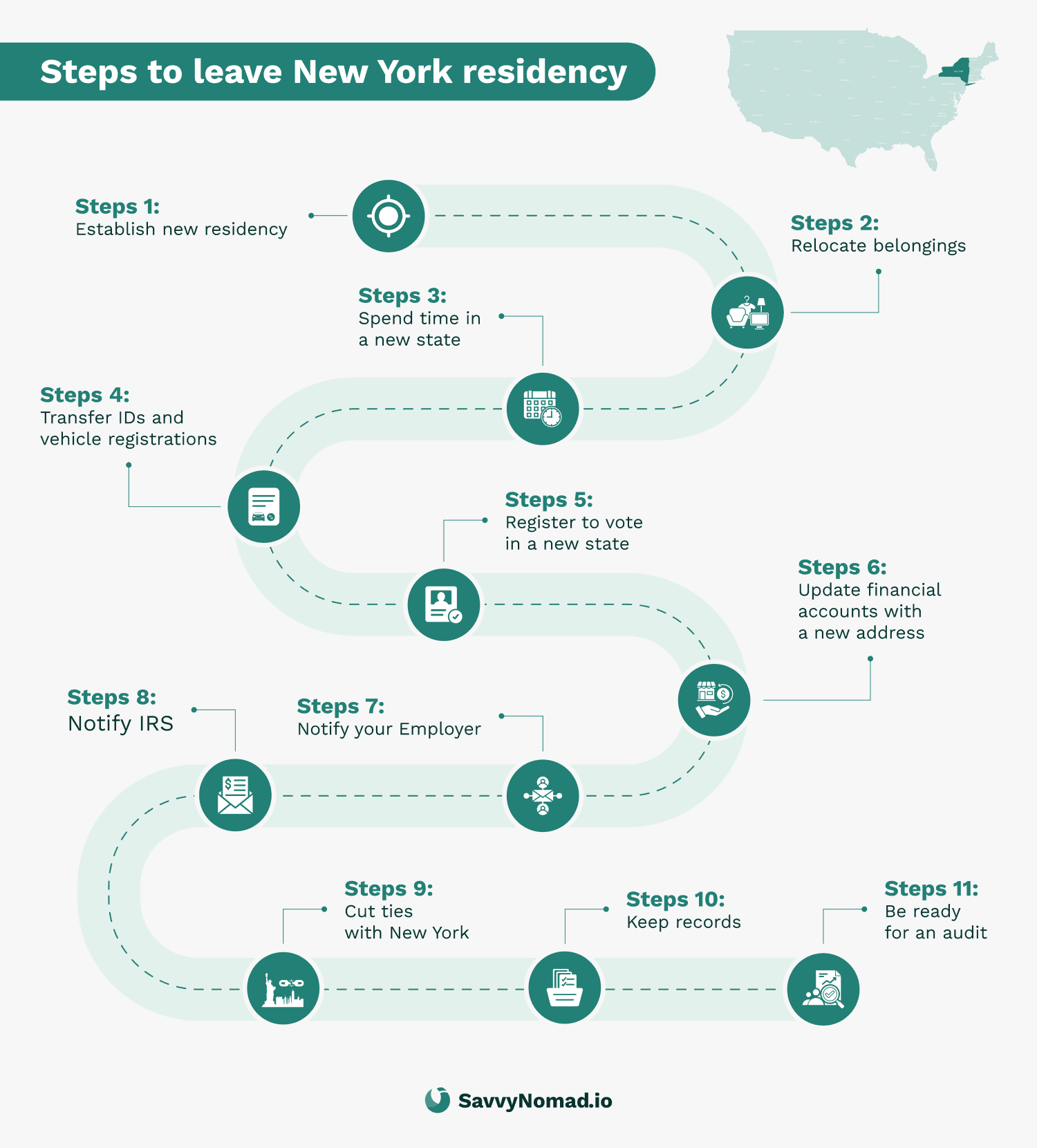
Residency in New York, for legal and practical purposes, often hinges on demonstrating a primary place of abode and intent to remain indefinitely. This distinction is crucial for various aspects, including taxation, voting, access to in-state tuition at public universities, and eligibility for certain state benefits. While the specific legal definitions can be nuanced and depend on the context (e.g., for tax purposes, for driver’s licenses, or for establishing domicile), there are common threads that define being a resident.
Domicile vs. Residency
It’s important to differentiate between domicile and residency. Domicile is your permanent legal home, the place you intend to return to whenever you are away. You can only have one domicile. Residency, on the other hand, can be more fluid. You might have several residences, but only one domicile. For tax purposes, New York generally looks at domicile and the amount of time spent in the state. If your domicile is New York, you are considered a resident for tax purposes. If your domicile is elsewhere, but you spend a significant amount of time in New York (generally 183 days or more in a tax year) and maintain a place to live there, you might also be considered a resident.
Establishing Legal Residency
The most straightforward way to establish legal residency is through a combination of factors. This typically includes:
- Obtaining a New York Driver’s License or Non-Driver ID: This is a key indicator of your intent to reside in the state. You will need to provide proof of identity and New York State residency.
- Registering to Vote in New York: Voting in local, state, and federal elections in New York signifies your commitment to the community and its governance.
- Leasing or Owning Property in New York: Having a lease agreement or a deed for a property, whether it’s a studio apartment in the West Village or a larger home in Upstate New York, is a strong piece of evidence.
- Opening Bank Accounts in New York: Conducting your financial affairs through New York-based institutions further solidifies your connection to the state.
- Registering Your Vehicle in New York: If you own a car, registering it in New York demonstrates your intent to operate it within the state permanently.
- Filing New York State Income Tax Returns: Consistently filing tax returns as a New York resident is perhaps the most compelling evidence.
The state may require multiple pieces of documentation to confirm your residency. It’s always advisable to consult with a legal professional or tax advisor for personalized guidance, especially if you have complex circumstances or ties to other states or countries.
The Practicalities of Moving to New York
Beyond the legal definitions, becoming a resident involves a significant logistical undertaking. Moving to New York, especially the city, requires careful planning and execution.
Finding Your New York Home
The search for a place to live is often the first and most daunting step. New York’s housing market is notoriously competitive and expensive.
- Renting: For many, renting is the initial entry point. The process involves finding an apartment, often through brokers (who typically charge a fee of 10-15% of the annual rent), and passing credit checks and income verification. Popular neighborhoods vary widely in price and atmosphere, from the bustling streets of Times Square to the charming brownstones of Greenwich Village. The cost of living, particularly for housing, is significantly higher than in most other parts of the United States.
- Buying: Purchasing property is a substantial investment. The process involves mortgages, down payments, and closing costs. Real estate prices in New York City are among the highest globally, with opportunities for buyers ranging from studios in Queens to luxury penthouses overlooking Central Park.
- Short-Term Rentals and Co-living: For those testing the waters or seeking flexibility, short-term rental platforms or co-living spaces can be viable options before committing to a long-term lease.
Securing Employment
New York is a hub for numerous industries, including finance, media, technology, fashion, and the arts. Securing employment is often a prerequisite for establishing financial stability and demonstrating a reason to reside in the state.
- Job Market: Research the specific industries that interest you and understand the demand for your skills. Networking is incredibly important in New York; many opportunities arise through connections.
- Work Visas: For international individuals, securing the appropriate work visa is paramount. This often involves sponsorship from a New York-based employer.
Navigating Daily Life

Once you have your housing and employment sorted, integrating into daily life is key.
- Transportation: New York’s public transportation system, particularly the Metropolitan Transportation Authority (MTA) subway and bus network, is extensive and often the most efficient way to get around. Owning a car in the city can be expensive due to parking costs and traffic.
- Utilities and Services: Setting up utilities like electricity, gas, and internet is a standard part of moving. Research providers like Con Edison for energy services.
- Healthcare: Ensuring you have adequate health insurance is vital. New York has a wide range of healthcare providers and facilities, from small clinics to major hospitals like New York-Presbyterian Hospital.
Embracing the New York Lifestyle
Becoming a resident of New York is not just about ticking boxes on legal forms; it’s about immersing yourself in a unique and exhilarating lifestyle.
Cultural Immersion
New York is a global stage for culture and entertainment.
- Arts and Museums: From the iconic Metropolitan Museum of Art and the Museum of Modern Art to countless smaller galleries, artistic expression is everywhere. Catching a Broadway show in the Theater District is a quintessential New York experience.
- Performing Arts: Beyond Broadway, the city offers world-class opera at the Metropolitan Opera, ballet at the New York City Ballet, and a vibrant live music scene across numerous venues.
- Festivals and Events: Throughout the year, New York hosts a multitude of festivals, parades, and events, from the Macy’s Thanksgiving Day Parade to the New York City Marathon.
Culinary Delights
The culinary landscape of New York is as diverse as its population.
- Global Cuisine: You can find authentic dishes from virtually every corner of the globe, from street food carts selling hot dogs and halal platters to Michelin-starred restaurants.
- Neighborhood Flavors: Explore distinct culinary traditions in neighborhoods like Flushing for Chinese food, Arthur Avenue for Italian, and Jackson Heights for South Asian fare.
- Iconic Foods: Don’t forget to try classic New York foods like bagels, pizza, cheesecake, and pastrami on rye.
Urban Exploration and Green Spaces
Despite its reputation as a concrete jungle, New York offers abundant opportunities for exploration and respite.
- Iconic Landmarks: Visit world-renowned landmarks such as the Statue of Liberty, the Empire State Building, and the Brooklyn Bridge.
- Parks: Escape the hustle and bustle in expansive green spaces like Central Park, Prospect Park, and the newly developed Little Island.
- Neighborhood Exploration: Each borough and neighborhood offers a distinct character waiting to be discovered. Wander through the art galleries of Chelsea, the historic streets of the Lower East Side, or the vibrant street art of Bushwick.
Long-Term Commitment and Community
Becoming a true resident goes beyond the initial move; it involves a commitment to building a life and contributing to the community.
Building Connections
New York can feel overwhelming, but finding your community is essential.
- Networking: Connect with people through work, hobbies, or local organizations. New Yorkers are often busy but also passionate and welcoming once connections are made.
- Volunteerism: Contributing your time and skills to local charities or community initiatives is a rewarding way to integrate and give back.
- Joining Groups: Whether it’s a book club, a sports league, a hiking group, or a professional association, finding like-minded individuals can create a sense of belonging.
Understanding the Pace of Life
New York operates at a unique tempo. It’s a city of ambition, innovation, and constant movement. Adapting to this pace, while also finding moments of calm, is part of the residency experience. It demands resilience, adaptability, and a willingness to embrace the extraordinary. Becoming a resident of New York is an adventure, a challenge, and ultimately, an unparalleled opportunity to be at the heart of it all.
LifeOutOfTheBox is a participant in the Amazon Services LLC Associates Program, an affiliate advertising program designed to provide a means for sites to earn advertising fees by advertising and linking to Amazon.com. Amazon, the Amazon logo, AmazonSupply, and the AmazonSupply logo are trademarks of Amazon.com, Inc. or its affiliates. As an Amazon Associate we earn affiliate commissions from qualifying purchases.