
The allure of tropical islands, vibrant cultures, and sun-drenched beaches often sparks a common question for many United States citizens: what are the travel requirements for visiting destinations like Puerto Rico? Specifically, does a United States citizen need a passport to travel to this unincorporated territory? The answer, for the most part, is a resounding no, making Puerto Rico a uniquely accessible tropical escape for Americans. This ease of access, however, comes with a nuanced understanding of its political status and the specific documentation that is still advisable for a smooth travel experience.

Puerto Rico holds a special place in the United States as an unincorporated territory. This status means that while Puerto Rico is a part of the United States, it is not a state. For travelers, this translates into a borderless journey for US citizens flying directly from the mainland. Unlike international travel to foreign countries, no passport is required when flying from any US airport to San Juan, the capital, or any other destination within the island. This significantly simplifies the planning process for a spontaneous getaway or a well-planned vacation, eliminating the need for passport applications and renewals, which can often be time-consuming.
The primary reason for this passport-free travel is that Puerto Rico is considered domestic territory for travel purposes. Therefore, travel between the United States mainland and Puerto Rico is treated similarly to flying between New York and California. You don’t need a passport to travel between states within the United States, and the same applies here. This makes Puerto Rico an attractive destination for Americans seeking an international feel without the complexities of obtaining a passport.
Documentation for US Citizens Traveling to Puerto Rico
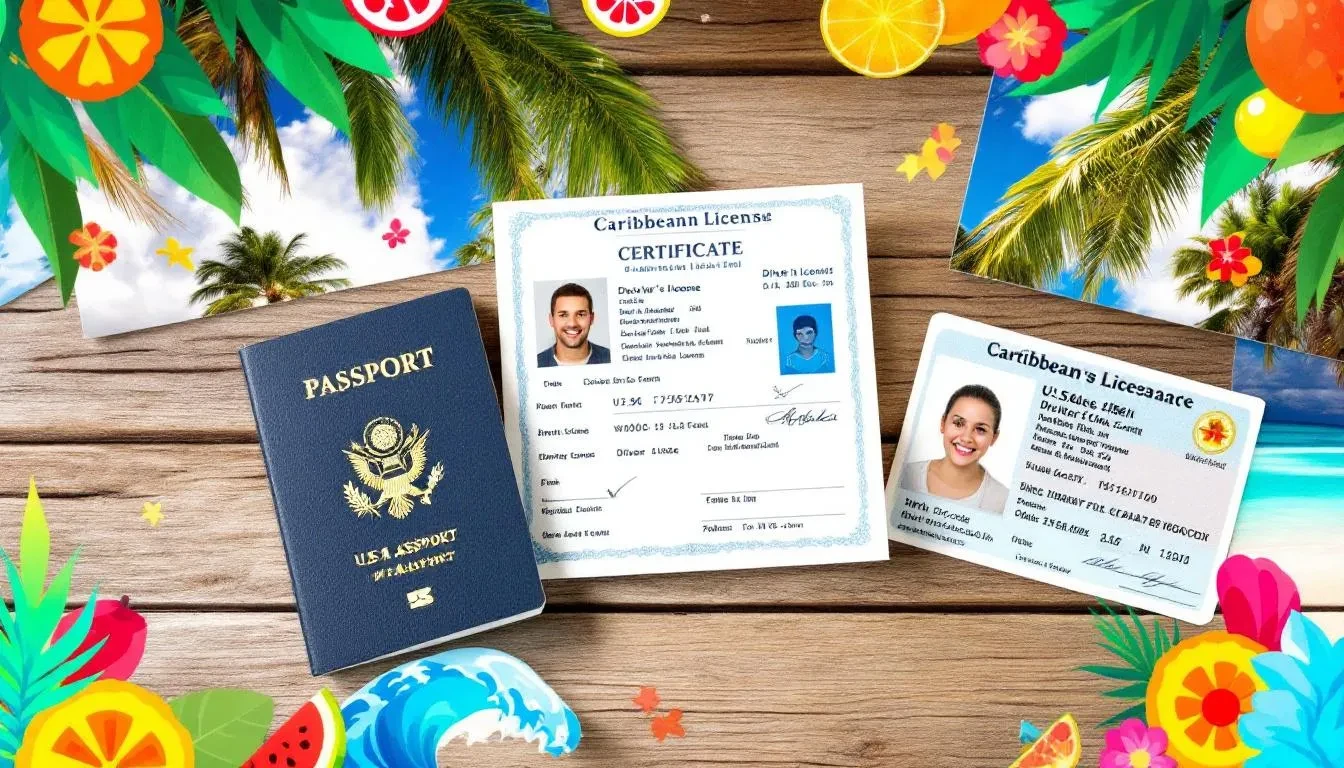
While a passport is not strictly required for US citizens flying directly from the United States to Puerto Rico, it is always advisable to carry valid government-issued photo identification. This can include a driver’s license, state-issued ID card, or a military ID. These forms of identification are essential for boarding flights, as required by the Transportation Security Administration (TSA). For those who already possess a passport, carrying it can serve as an additional layer of identification and may be useful in certain situations, although it’s not a prerequisite for entry.
Valid Identification is Key
When you arrive at the airport for your flight to Puerto Rico, the airline will require you to present a valid form of identification. For US citizens, this typically means a government-issued photo ID. A driver’s license issued by your home state is the most common and accepted form. If you do not drive, a state-issued ID card serves the same purpose. Military personnel can use their military ID. These documents confirm your identity and citizenship, allowing you to proceed with your travel plans without issue.
The TSA mandates that all travelers aged 18 and over present valid identification at the security checkpoint. Therefore, even though Puerto Rico is not a foreign country, the standard domestic travel identification requirements still apply. It is always best practice to ensure your identification is current and not expired to avoid any last-minute travel disruptions.
When a Passport Might Be Advantageous
Although not mandatory, carrying a passport to Puerto Rico can offer certain advantages, especially if your travel plans are not strictly limited to flying directly from the United States. For instance, if you plan to visit the US Virgin Islands or other Caribbean destinations before or after your Puerto Rico trip, a passport becomes essential for those international legs of your journey. It can simplify the process of moving between different jurisdictions, even if some are also US territories.
Furthermore, in the unlikely event of an emergency that requires you to fly out of Puerto Rico to an international destination, having your passport readily available will prevent delays. It also serves as definitive proof of citizenship, which can be helpful in various scenarios, such as opening a bank account if you’re considering a longer stay or dealing with certain administrative matters. For frequent travelers who already possess a passport, bringing it along for a trip to Puerto Rico is simply a matter of convenience and preparedness.

Travel to Puerto Rico: Beyond the Documentation
The passport-free entry is just one aspect of the seamless travel experience that Puerto Rico offers to US citizens. The island, brimming with a rich tapestry of history, culture, and natural beauty, provides a diverse range of experiences for every type of traveler. From the cobblestone streets of Old San Juan with its historic forts like El Morro and San Cristobal, to the bioluminescent bays of Vieques and Fajardo, the island is a treasure trove of attractions.
Exploring the Island’s Rich Offerings
Puerto Rico is a destination that caters to all interests. For history buffs, exploring the colonial architecture of Old San Juan, a UNESCO World Heritage site, is a must. The imposing Castillo San Felipe del Morro and Castillo San Cristobal stand as testaments to centuries of history and offer breathtaking ocean views. Nature enthusiasts will find paradise in the lush rainforest of El Yunque National Forest, the only tropical rainforest in the United States National Forest system, featuring hiking trails, waterfalls, and diverse wildlife.
The island’s coastline is dotted with pristine beaches, from the surfing mecca of Rincón on the west coast to the tranquil waters of Luquillo and Isla Verde near San Juan. Adventure seekers can partake in water sports like snorkeling, diving, paddleboarding, and kayaking. For a truly magical experience, a visit to one of Puerto Rico’s bioluminescent bays, such as Mosquito Bay on Vieques, is unforgettable.
Accommodation and Culinary Delights
When it comes to accommodation, Puerto Rico offers a wide array of options to suit every budget and style. From luxurious resorts like the Dorado Beach, a Ritz-Carlton Reserve to charming boutique hotels in Old San Juan and vacation rentals scattered across the island, finding a place to stay is straightforward. Many hotels, such as the Hyatt Regency Grand Reserve Puerto Rico, offer world-class amenities and stunning oceanfront views.
The culinary scene in Puerto Rico is a vibrant fusion of Taino, Spanish, African, and American influences. Visitors can savor local delicacies like mofongo (mashed plantains with garlic and broth, often filled with meat or seafood), lechón (roasted whole pig), and fresh ceviche. Exploring the local mercados (markets) and panaderías (bakeries) offers a glimpse into the island’s gastronomic culture. From casual beachside chinchorros serving pinchos (skewers) to fine dining establishments in San Juan, the food experience is as enriching as the historical and natural attractions.
Traveling from Puerto Rico to Other Destinations
The passport-free travel to Puerto Rico from the United States is a significant benefit. However, it’s important to understand how this status affects onward travel. For US citizens, traveling from Puerto Rico to another US territory, such as the US Virgin Islands or Guam, generally does not require a passport, as these are also considered domestic travel.
However, if your travel plans include visiting a foreign country directly from Puerto Rico, then a passport is absolutely necessary. For example, flying from San Juan to Dominican Republic or Mexico would require you to present a valid passport, just as if you were departing from any other US city. This distinction is crucial for planning international excursions from the island.
In conclusion, for US citizens planning to fly directly from the United States to Puerto Rico, a passport is not required. A valid government-issued photo ID, such as a driver’s license, is sufficient for boarding flights. Nevertheless, carrying a passport can be beneficial for international travel, unforeseen circumstances, or simply for added security. Puerto Rico offers an accessible, yet exotic, travel experience, rich in culture, history, and natural beauty, making it a prime destination for Americans seeking a tropical adventure without the hassle of international travel requirements.
LifeOutOfTheBox is a participant in the Amazon Services LLC Associates Program, an affiliate advertising program designed to provide a means for sites to earn advertising fees by advertising and linking to Amazon.com. Amazon, the Amazon logo, AmazonSupply, and the AmazonSupply logo are trademarks of Amazon.com, Inc. or its affiliates. As an Amazon Associate we earn affiliate commissions from qualifying purchases.