
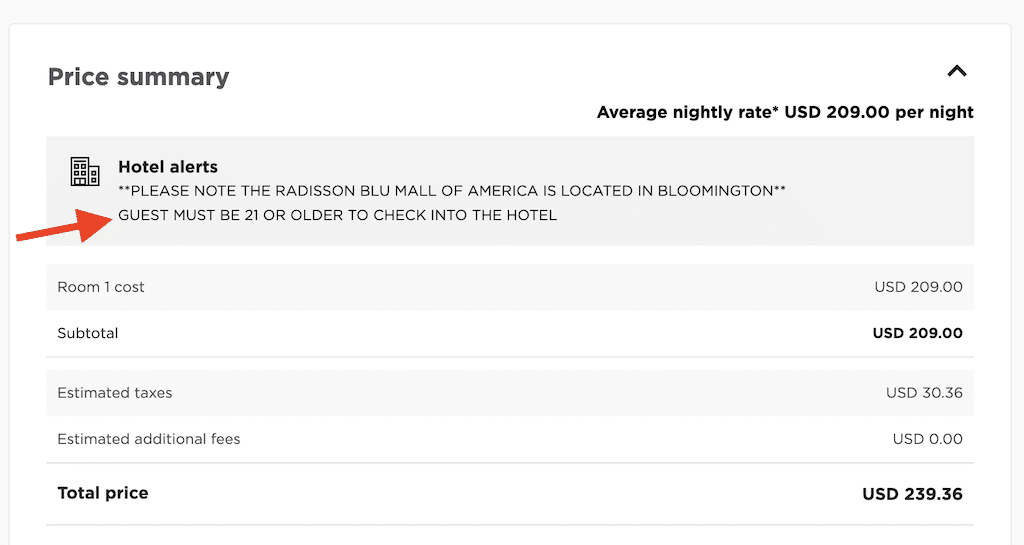
The question of whether one must be 21 to book a room is a common point of confusion for young travelers, students, and early-career professionals planning their first solo trips. While the age of majority in the United States and many other western nations is 18, the hospitality industry often operates under a different set of internal regulations. The short answer is that while the legal minimum age to enter into a contract is typically 18, many individual properties and major chains set their own minimum check-in age at 21 for a variety of logistical, legal, and financial reasons.

Understanding the nuances of these policies is essential for any traveler under the age of 25. The requirements can vary significantly depending on the city, the type of property, and the specific brand. For instance, a boutique hotel in New York City might have a strict 21+ policy, while a roadside motel in Texas may allow anyone over 18 to secure a room. Navigating the world of accommodation requires a deep dive into how these policies are formed and how they impact the booking process.
The Legal Foundations and Policy Standards of Booking Age
From a strictly legal standpoint in most jurisdictions, including the United Kingdom, Canada, and the United States, an 18-year-old is considered an adult capable of signing a binding contract. Since a hotel reservation is essentially a short-term rental contract, 18-year-olds are technically eligible to book. However, the hospitality industry is granted significant leeway in setting “house rules.” As long as a policy does not violate civil rights or anti-discrimination laws—which typically protect against discrimination based on race, religion, or disability rather than age (provided the guest is an adult)—hotels can legally refuse service to those under 21.
Contractual Liability and Property Rights
Hotels often cite “freedom of contract” as the basis for their age restrictions. Property managers argue that younger guests may present a higher risk of property damage or noise complaints. By setting the minimum age at 21, the management at a Marriott International or a Hilton property aims to ensure a specific atmosphere and mitigate the potential for “party” environments that could disturb other guests. In high-traffic tourist zones like Miami or Las Vegas, these rules are often even stricter due to the prevalence of nightlife and alcohol.
The Role of Local Ordinances
In some cases, the hotel’s hands are tied by local laws. Certain cities have passed ordinances that mandate a minimum check-in age for all lodging providers to curb underage drinking or spring break-related disturbances. Conversely, some regions have “public accommodation” laws that prevent hotels from turning away guests based on age if they are over 18. For example, in California, some legal interpretations suggest that hotels cannot discriminate based on age, leading many properties in Los Angeles or San Francisco to be more lenient than those in Florida.
Liability and Operational Risks Driving 21+ Policies
The decision to implement a 21-and-over policy is rarely about personal bias and almost always about the bottom line. Insurance and liability play the largest roles in how a resort or hotel defines its guest profile.
Alcohol and the Minibar Problem
One of the primary drivers for the 21+ rule is the presence of alcohol on the premises. Many upscale rooms in InterContinental Hotels Group properties or Hyatt locations feature well-stocked minibars. If a hotel allows an 18-year-old to check into a room containing alcohol, they face a significant legal risk. Even if the guest does not consume the alcohol, the mere accessibility can lead to complications with local liquor boards. Furthermore, hotels with prominent bars or casinos, such as those found in Atlantic City, often require guests to be 21 to ensure they are legally allowed to be on the gaming floor or in the lounge areas.
Insurance Premiums and Risk Management
Insurance companies often charge lower premiums to hotels that enforce a 21+ check-in policy. Statistics used by actuaries suggest that guests between the ages of 18 and 20 are statistically more likely to be involved in incidents requiring insurance payouts, ranging from accidental fires to room-wide water damage. By raising the age limit, the property manager effectively lowers the “risk profile” of the building, which results in substantial annual savings on liability coverage.
Reputation Management
For luxury brands like Four Seasons or The Ritz-Carlton, the guest experience is centered on tranquility and exclusivity. These brands often find that a 21+ policy helps maintain the “quiet enjoyment” expected by their primary clientele—business travelers and older vacationers. While many 18-year-olds are perfectly respectful guests, the industry often applies a broad brush to prevent the possibility of disruptive groups booking multiple rooms for unregulated social gatherings.
Analyzing Brand Policies Across the Industry
While many independent hotels have the freedom to change their rules at will, major global chains often have corporate guidelines that are then interpreted by individual franchise owners. This means that a Best Western in Arizona might have different rules than one in Maine.
Chains That Frequently Allow 18-Year-Olds
Some brands are known for being more “youth-friendly,” often because they cater to budget travelers or road-trippers who need a quick place to rest. Motel 6 and Red Roof Inn are famous for generally allowing guests 18 and older to check in, provided they have a valid government-issued ID and a credit card. Similarly, Choice Hotels, which includes brands like Comfort Inn and Quality Inn, frequently has locations that permit 18+ check-ins, though this is still subject to the discretion of the individual owner.
The 21+ Standard in Upscale Markets
In contrast, more upscale or “lifestyle” brands such as W Hotels or Kimpton Hotels are much more likely to enforce a strict 21+ rule. This is particularly true in major urban centers where the hotel functions as a social hub. In Chicago or Boston, the majority of high-end accommodations will require all primary guests on the reservation to prove they have reached the age of 21.
Alternative Accommodations
For those under 21 who find themselves blocked by traditional hotel policies, the rise of alternative platforms has provided a workaround. Airbnb and Vrbo allow users who are 18 and older to create accounts and book properties. While individual hosts on these platforms can set their own house rules regarding age, the platforms themselves are generally open to all legal adults. This has made short-term apartment rentals a primary choice for younger travelers visiting cities like Seattle or Portland.
Global Variations in Accommodation Standards
The “21 to book” rule is a phenomenon primarily concentrated in the United States. In many other parts of the world, the hospitality industry aligns much more closely with the legal age of adulthood.
Europe and the United Kingdom
In Europe, it is almost unheard of for a hotel to require a guest to be 21. From London to Paris and Berlin to Rome, the standard check-in age is 18. This is partly due to different cultural attitudes toward alcohol and adulthood. In countries like Spain and Italy, 18-year-olds are treated as full adults in every commercial sense. Furthermore, the prevalence of hostels—often booked through Hostelworld—provides a massive infrastructure specifically designed for the 18-to-24 demographic.
Asia and the Pacific
In Asia, policies are generally consistent with the local age of majority. In Japan, where the age of majority was recently lowered from 20 to 18, most hotels in Tokyo and Osaka allow 18-year-olds to book, though some may still request a parental consent form for those under 20. In Australia and New Zealand, 18 is the universal standard for booking everything from luxury resorts in Sydney to budget stays in Auckland.
Mexico and the Caribbean
For many young travelers, Mexico is a popular destination for “all-inclusive” experiences. In Cancun or Cabo San Lucas, many resorts allow check-ins at 18. However, during the peak spring break season (March and April), some properties temporarily raise their minimum age to 21 or even 25 to control the volume of students.
Technicalities of the Check-In Process
Even if a hotel allows an 18-year-old to book, there are several technical hurdles that the traveler must be prepared to clear. Modern property management systems are designed to flag age-related discrepancies during the digital or physical check-in process.
The Requirement of a Major Credit Card
Regardless of age, almost all hotels require a valid credit card for an “incidental hold” or security deposit. Many 18-to-20-year-olds rely on debit cards or prepaid cards, which can be a significant obstacle. Properties like Wyndham Hotels and Resorts or Hilton Garden Inn often place a hold of several hundred dollars on a card to cover potential damages. If a young traveler does not have a Visa, Mastercard, or American Express with a sufficient credit limit, the hotel may refuse the booking even if they meet the age requirement.
Verification and ID Procedures
At the front desk, the first thing a guest is asked for is a government-issued photo ID. This ID is scanned into the system, and many modern software suites will automatically calculate the guest’s age and alert the clerk if it falls below the house minimum. It is highly inadvisable to attempt to bypass these rules. If a guest is found to have misrepresented their age on a platform like Expedia or Booking.com, the hotel has the right to cancel the reservation without a refund upon arrival.
Military Exceptions
One notable exception to the 21+ rule in the United States is for active-duty military personnel. Many hotels that normally require guests to be 21 will waive this requirement for individuals who are 18 or older and can present a valid military ID. This is a common practice across major brands as a gesture of support for the armed forces, particularly in “military towns” near bases in North Carolina or Virginia.

The Importance of Pre-Booking Verification
The most effective way for a young traveler to ensure a smooth check-in is to contact the property directly before making a non-refundable payment. While third-party sites like Priceline or Hotels.com usually list the minimum age in the “fine print” or “important information” section, these details can sometimes be outdated. A quick phone call to the front desk of the specific hotel is the only way to guarantee that the 18-year-old guest will be welcomed upon arrival. This proactive approach is the hallmark of a savvy traveler in the modern accommodation market.
LifeOutOfTheBox is a participant in the Amazon Services LLC Associates Program, an affiliate advertising program designed to provide a means for sites to earn advertising fees by advertising and linking to Amazon.com. Amazon, the Amazon logo, AmazonSupply, and the AmazonSupply logo are trademarks of Amazon.com, Inc. or its affiliates. As an Amazon Associate we earn affiliate commissions from qualifying purchases.