
Understanding the monetary unit of a destination is a fundamental aspect of planning any journey. For travelers venturing to the vibrant island of Puerto Rico, this knowledge not only aids in budgeting and financial transactions but also offers a subtle insight into its economic and political ties. While Puerto Rico is a territory of the United States, its currency is not a unique entity but rather an integral part of the American financial system.
The Familiarity of the United States Dollar
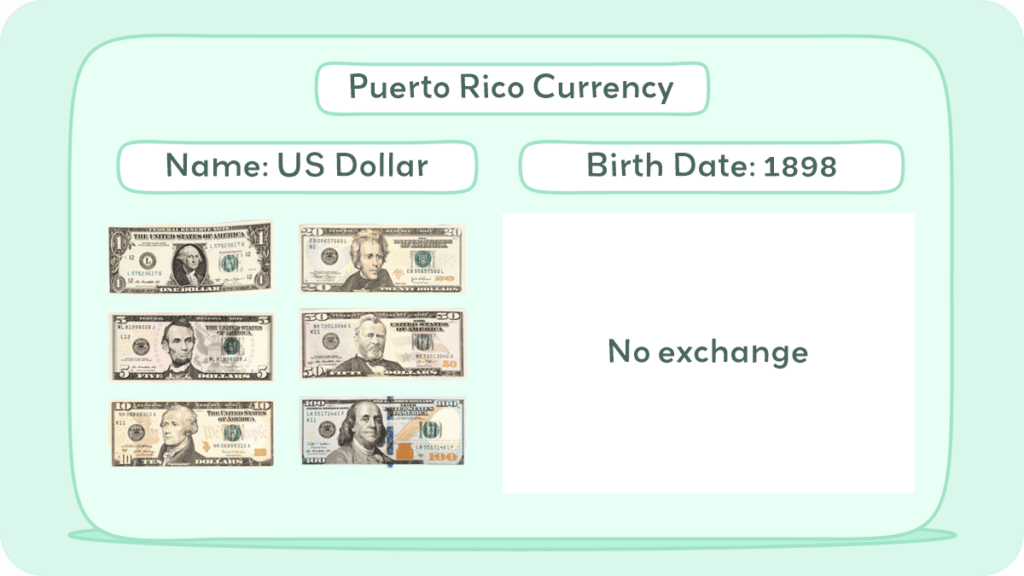
The monetary unit of Puerto Rico is, unequivocally, the United States Dollar (USD). This means that the same banknotes and coins used across the continental United States are legal tender throughout the island. For visitors from the United States, this translates into a seamless financial experience, eliminating the need for currency exchange and the associated fees and complexities. Travelers can use their American credit cards, debit cards, and cash with the same ease as they would in New York or California.
Implications for Travelers
The use of the United States Dollar simplifies many aspects of travel to Puerto Rico:
- Budgeting: Tourists can easily estimate expenses based on familiar American pricing. There’s no need to convert prices from a foreign currency, making it straightforward to track spending on accommodation, dining, activities, and transportation.
- Payments: Credit and debit cards from major American banks are widely accepted in hotels, restaurants, shops, and at car rental agencies. ATMs dispensing US Dollars are readily available in urban centers and tourist areas.
- Exchanges: The absence of a separate currency means no currency exchange offices are needed, saving time and avoiding potentially unfavorable exchange rates. This is particularly beneficial for last-minute purchases or unexpected expenses.
- Tips and Gratuities: Tipping practices in Puerto Rico largely mirror those in the United States, with standard gratuities of 15-20% expected for service staff in restaurants and for other services.
This familiarity with the US Dollar is a significant draw for many visitors, contributing to Puerto Rico’s appeal as an accessible and hassle-free travel destination within the Caribbean.
Historical Context and Economic Ties
The adoption of the United States Dollar in Puerto Rico is deeply rooted in its political status as an unincorporated territory of the United States. Following the Spanish-American War, Spain ceded Puerto Rico to the United States in 1898 under the Treaty of Paris. Subsequently, the United States Congress established the United States Dollar as the official currency in 1900 with the Foraker Act.
The Shift from the Spanish Peso
Before American control, Puerto Rico used the Spanish Peso, a currency that reflected its colonial past under Spain. The transition to the US Dollar marked a significant economic and symbolic shift, aligning Puerto Rico’s financial system with that of its new governing power. This integration facilitated trade and investment between the island and the mainland United States, contributing to economic development, albeit with its own set of complexities and debates surrounding Puerto Rico’s political and economic future.
Modern Economic Landscape
Today, the United States Dollar underpins Puerto Rico’s economy, influencing everything from local wages to the cost of imported goods. While the island has its own unique economic challenges and opportunities, the consistent currency provides a stable foundation for financial planning and business operations. For the tourism sector, this stability is crucial, assuring international and domestic visitors of a predictable monetary environment.

Beyond the Dollar: Practical Financial Tips for Visitors
While the US Dollar makes financial matters straightforward, travelers may still benefit from a few practical tips to enhance their experience in Puerto Rico:
Cash vs. Card
While credit and debit cards are widely accepted, especially in tourist hubs like San Juan, carrying some cash is always advisable. Smaller, locally-owned businesses, food stalls, and vendors at local markets might prefer cash. Having smaller denominations on hand is also useful for spontaneous purchases, public transportation in some areas, or small tips.
ATMs and Banking
ATMs are plentiful in most towns and cities. Banks operate on standard American business hours, typically Monday through Friday, with some branches offering Saturday morning services. It’s a good idea to inform your bank of your travel dates to Puerto Rico to avoid any potential holds on your cards due to unusual activity.
Currency Exchange at Airports
While generally not necessary for visitors from the United States, if you are arriving from a country with a different currency, be aware that airport currency exchange kiosks often offer less favorable rates than those in the city. It’s usually best to withdraw local currency from an ATM upon arrival or exchange a small amount for immediate needs.
Tipping Etiquette
As mentioned, tipping practices align with those in the United States. In restaurants, a 15-20% tip is customary for good service. Bellhops, housekeepers, tour guides, and taxi drivers also appreciate gratuities for their services.
Understanding Local Pricing
While prices are in US Dollars, the cost of living and tourism in Puerto Rico can vary. Major tourist destinations and resorts might have higher prices than more remote or local areas. Familiarizing yourself with typical costs for activities, meals, and transportation in different regions will help in managing your budget effectively. For instance, dining in the upscale restaurants of Old San Juan will naturally be more expensive than eating at a “kiosko” in Luquillo.

Conclusion: A Familiar Currency for a Distinct Destination
The monetary unit of Puerto Rico is the United States Dollar. This fact simplifies financial transactions for most visitors, particularly those from the United States, making budgeting and spending a seamless part of the travel experience. This economic alignment, stemming from Puerto Rico’s status as a U.S. territory, removes a common layer of complexity for travelers. Whether exploring the historic streets of Old San Juan, relaxing on the beaches of Culebra, or hiking in the El Yunque National Forest, knowing that your US Dollars are universally accepted allows you to focus on the rich culture, stunning landscapes, and warm hospitality that Puerto Rico has to offer. The island’s unique blend of American accessibility and vibrant Caribbean spirit makes it a truly special destination, and its familiar currency is a quiet enabler of that experience.
LifeOutOfTheBox is a participant in the Amazon Services LLC Associates Program, an affiliate advertising program designed to provide a means for sites to earn advertising fees by advertising and linking to Amazon.com. Amazon, the Amazon logo, AmazonSupply, and the AmazonSupply logo are trademarks of Amazon.com, Inc. or its affiliates. As an Amazon Associate we earn affiliate commissions from qualifying purchases.