
Navigating the sun-drenched waterways of Florida offers an unparalleled experience, from the vibrant marine life of the Florida Keys to the serene inlets along the Gulf Coast. Whether you’re dreaming of chartering a fishing expedition, cruising along the Intracoastal Waterway, or simply enjoying a leisurely paddle, understanding the regulations surrounding boat operation is crucial for a safe and legal adventure. A common question that arises for both seasoned mariners and first-time visitors is: “Do you have to have a boater’s license in [Florida]?” The answer, like many things in the Sunshine State, has nuances worth exploring.

Understanding Florida’s Boating Regulations
[Florida] mandates specific requirements for operating a vessel on its public waters. These regulations are primarily enforced by the Florida Fish and Wildlife Conservation Commission (FWC) and are designed to promote safety and protect the state’s precious aquatic resources. The core of these requirements revolves around age and whether the vessel requires registration.Age Requirements and Boating Education
The primary determinant for requiring a boater’s education card in [Florida] is age.
Minimum Age for Operating a Vessel
In [Florida], a person must be at least 18 years of age to operate a vessel legally without supervision. Those who are 14, 15, 16, or 17 years of age can operate a vessel if they have in their possession a boater education identification card issued by the FWC. This card is obtained after successfully completing an approved boating safety course.
Navigating Under 14 Years of Age
Individuals under the age of 14 are generally prohibited from operating a vessel on [Florida] waters, with a critical exception: they may operate a vessel if they are accompanied by a person who is at least 18 years of age and who holds a valid boater education card or is exempt from the boater education requirement. This accompanying adult must be in a position to take control of the vessel if necessary.
The Importance of Boater Education
The boater education card serves as proof that an individual has completed a boating safety course recognized by the FWC. These courses cover essential topics such as navigation rules, safe operation practices, emergency procedures, and [Florida]-specific boating laws. The goal is to equip operators with the knowledge and skills necessary to prevent accidents, ensure the safety of passengers, and minimize environmental impact. Many online providers offer these courses, often with flexible scheduling to accommodate busy lifestyles. Upon completion, participants receive a certificate, which can then be exchanged for the official identification card.
When a Boater’s License (Boater Education Card) is Required
It’s important to clarify that [Florida] does not issue a traditional “boater’s license” in the same vein as a driver’s license. Instead, the requirement centers on possessing a boater education card under specific circumstances.
Operating Vessels Over 10 Horsepower
Generally, a boater education card is required for anyone born on or after January 1, 1988, who is operating a vessel powered by a motor of 10 horsepower or more. This means that as of 2024, virtually all adults operating a motorized boat in [Florida] will need to meet this requirement unless they fall under specific exemptions. The intent behind this regulation is to ensure that a broad spectrum of boaters has received formal safety training.
Who is Exempt?
There are a few key exemptions to the boater education card requirement:
- Those born before January 1, 1988: If you were born before this date, you are generally exempt from needing a boater education card to operate a vessel in [Florida]. However, it is still highly recommended to take a boating safety course, as the knowledge gained is invaluable for safe operation.
- Individuals with a valid U.S. Coast Guard Master’s License: Holders of a valid U.S. Coast Guard Master’s license are exempt from [Florida]’s boater education requirements.
- Operating a sailboat: Sailboats are exempt from the boater education card requirement, regardless of size or whether they have an auxiliary motor.
- Operating a manually propelled vessel: Canoes, kayaks, paddleboards, and other manually propelled vessels do not require a boater education card.
Understanding Vessel Registration
Beyond individual operator requirements, the vessel itself must also comply with [Florida] regulations.
Requirement for Registration
Any motorboat operating on [Florida] waters must be registered and titled with the Florida Department of Highway Safety and Motor Vehicles (FLHSMV), unless it meets specific exemption criteria. This includes personal watercraft (PWCs) like jet skis, as well as larger vessels.
Exemptions from Vessel Registration
- Out-of-state registered vessels: Vessels that are properly registered in another state and are only visiting [Florida] for 90 days or less are generally exempt.
- Non-motorized vessels: Canoes, kayaks, rowboats, and other vessels that are not powered by a motor are typically exempt from registration.
- Lifeboats: Approved and used as lifeboats on vessels that are registered.
- Public vessels: Vessels owned and operated by federal, state, or local governments.
What to Carry Onboard
When you head out on the water, it’s essential to have the correct documentation readily available.
- Proof of Registration: The registration certificate for the vessel must be kept onboard and be accessible.
- Proof of Insurance: While not always mandated by law for recreational vessels, carrying proof of insurance is a prudent measure and may be required by charter companies or marinas.
- Operator Identification: Operators should carry a valid photo identification.
- Boater Education Card (if required): As discussed, if you are required to have one based on your birth date and the vessel’s horsepower, you must have your boater education card with you.
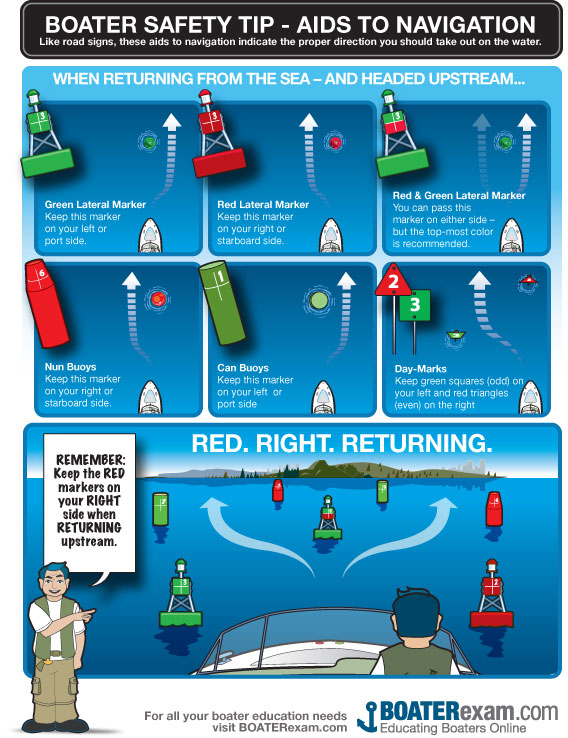
Navigating Florida’s Waters Safely and Responsibly
Operating a boat in [Florida] is a privilege that comes with the responsibility of ensuring the safety of yourself, your passengers, and others on the water. Adhering to these regulations is not just about avoiding fines; it’s about contributing to a culture of maritime safety.
Choosing the Right Vessel and Equipment
The type of vessel you choose will significantly influence your experience and the requirements you need to meet.
Personal Watercraft (PWCs)
Operating a PWC, such as a Sea-Doo or Yamaha WaveRunner, in [Florida] has specific regulations. All PWC operators must be at least 14 years of age and possess a boater education card, regardless of birth date. PWCs are also subject to registration and titling requirements. Additionally, riders under the age of 16 must be accompanied by a person who is at least 18 years old.
Rental Vessels and Charter Services
If you plan to rent a boat or join a charter excursion, the responsibility often falls on the rental agency or charter captain to ensure compliance. However, it is always wise to confirm that the vessel is properly registered and equipped with required safety gear, including life jackets. Rental companies will typically verify your credentials if a boater education card is necessary for the vessel you are operating.
Essential Safety Equipment
Regardless of whether a boater education card is required, all vessels in [Florida] must carry a certain amount of safety equipment. This typically includes:
- Personal Flotation Devices (PFDs): One wearable PFD of appropriate size must be available for each person on board. For individuals under 6 years of age, they must wear a Type I or Type II PFD.
- Fire Extinguishers: Depending on the size and type of vessel, approved fire extinguishers are mandatory.
- Visual Distress Signals (VDS): Vessels 16 feet or longer must carry VDS.
- Sound-Producing Devices: Whistles or horns are required.
Responsible Boating Practices
Beyond legal requirements, adopting responsible boating practices significantly enhances safety and enjoyment.
Speed Limits and No-Wake Zones
Be aware of posted speed limits and designated no-wake zones, particularly in populated areas, near shorelines, and around other vessels. These zones are in place to protect shoreline property, reduce erosion, and ensure the safety of swimmers and other watercraft.
Navigation Rules and Right-of-Way
Familiarize yourself with the “Rules of the Road” for boating. Understanding right-of-way procedures is crucial for preventing collisions. Generally, the vessel that has the other on its starboard (right) side is the “give-way” vessel and must take action to stay clear.
Wildlife Observation and Protection
[Florida]’s waters are teeming with marine life, from playful dolphins to majestic manatees. It is imperative to observe wildlife from a safe distance and avoid disturbing their natural habitats. Regulations are in place to protect manatees, and operating a vessel recklessly in areas where they are present can result in severe penalties.Alcohol and Drug Policies
Operating a vessel under the influence of alcohol or drugs is just as dangerous and illegal as driving a car impaired. [Florida] has strict laws against boating under the influence (BUI), with penalties similar to DUI offenses, including fines, license suspension, and potential jail time.
Planning Your [Florida] Boating Adventure
Whether you own a boat or are planning to charter one for a vacation, understanding the licensing and registration requirements is the first step to a hassle-free and enjoyable time on the water.
Researching Rental Options
Many coastal towns and cities in [Florida], such as Miami, Fort Lauderdale, and Key West, offer a wide range of boat rental and charter services. These can range from small pontoon boats perfect for a family outing on a lake to larger yachts for deep-sea fishing adventures. Always book with reputable companies that can provide clear information on their vessel requirements and their own safety protocols.

Preparing for Your Excursion
Before you set out, ensure you have all necessary documentation and safety equipment. If you need to obtain a boater education card, factor in the time required for course completion. A little preparation goes a long way in ensuring a smooth and memorable experience on [Florida]’s beautiful waterways.
By understanding and adhering to [Florida]’s boating regulations, you can ensure a safe, enjoyable, and legal experience for yourself and everyone around you, allowing you to fully immerse yourself in the wonders of the Sunshine State’s aquatic playground.
LifeOutOfTheBox is a participant in the Amazon Services LLC Associates Program, an affiliate advertising program designed to provide a means for sites to earn advertising fees by advertising and linking to Amazon.com. Amazon, the Amazon logo, AmazonSupply, and the AmazonSupply logo are trademarks of Amazon.com, Inc. or its affiliates. As an Amazon Associate we earn affiliate commissions from qualifying purchases.