
The High Line in New York City is more than just a park; it’s a testament to urban renewal, a vibrant green artery woven through the heart of Manhattan, and a must-visit destination for any traveler seeking a unique perspective on the city. This elevated linear park, built on a former freight rail line, offers a captivating blend of art, nature, and stunning cityscapes. Understanding its location is the first step to experiencing its magic.
Discovering the High Line’s Geographical Footprint
The High Line stretches across the west side of Manhattan, tracing the path of the historic West Side Line. This former railway, once a crucial artery for transporting goods, has been transformed into a beloved public space, extending for approximately 1.45 miles (2.33 kilometers). Its northern terminus is located in the vibrant Hudson Yards neighborhood, while its southern end reaches into the trendy Meatpacking District.

Understanding the Neighborhoods it Connects
The High Line acts as a bridge, not just physically, but culturally, connecting distinct and dynamic neighborhoods.
The Northern Anchor: Hudson Yards
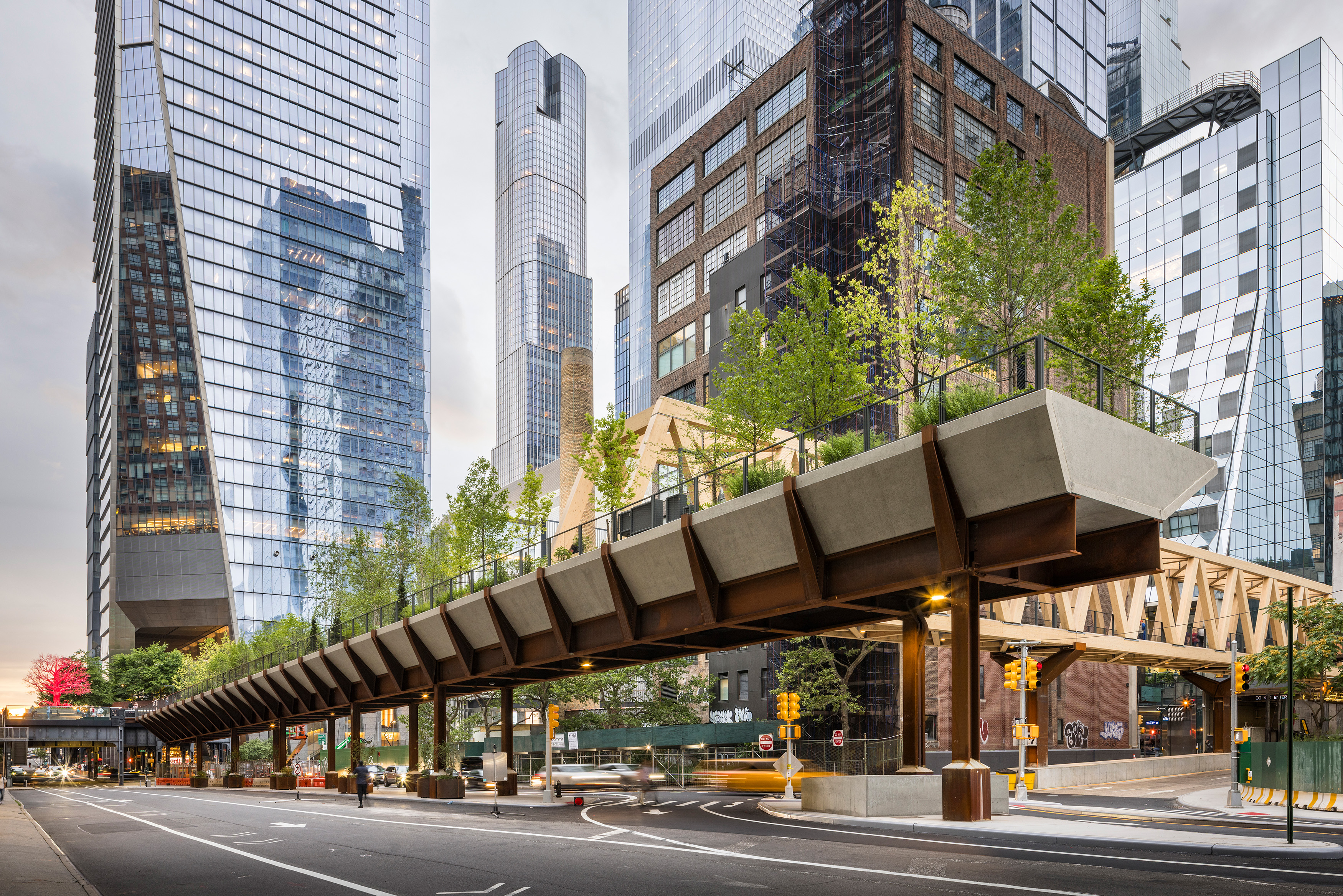
Beginning your journey at the northernmost point, you’ll find yourself in Hudson Yards, a relatively new, master-planned neighborhood that exemplifies modern urban development. This area is characterized by its impressive contemporary architecture, high-end retail spaces, and innovative public art installations. The High Line entrance here offers immediate access to this forward-thinking district, allowing visitors to seamlessly transition from the elevated park to the bustling streets below, which feature attractions like The Vessel and the Edge observation deck.
The Artistic Corridor: Chelsea
As the High Line meanders south, it passes through the renowned Chelsea neighborhood, a district globally recognized for its thriving contemporary art scene. Numerous art galleries are clustered around the park, offering visitors an enriching cultural experience. Many of these galleries are easily accessible from the various High Line access points, making it possible to combine a leisurely stroll with an immersive art tour. The park itself also serves as a platform for rotating art installations, further enhancing its artistic character.
The Southern Gateway: Meatpacking District
The southern terminus of the High Line deposits visitors into the energetic Meatpacking District. This area, historically known for its wholesale meat markets, has undergone a remarkable transformation into a fashionable hub of boutiques, upscale restaurants, and vibrant nightlife. The cobblestone streets and converted industrial buildings lend a unique charm, and the High Line provides a picturesque arrival or departure point for exploring this lively district. Its proximity to the Whitney Museum of American Art further solidifies its cultural significance.
Navigating Access Points: How to Get On and Off the High Line
The beauty of the High Line lies in its accessibility. With numerous staircases, elevators, and ramps strategically placed along its length, visitors can hop on and off at various points to suit their exploration plans. Understanding these access points is crucial for planning your visit efficiently.
Entry and Exit Points: A Comprehensive Guide
The Friends of the High Line organization meticulously maintains the park and provides detailed maps of all access points.
-
Northern End:
- Hudson Yards: Access is available at 34th Street and 11th Avenue, with elevators and stairs. This is a primary entry point for those exploring the Hudson Yards area.
- 10th Avenue at 30th Street: Another accessible point in the Hudson Yards vicinity.
-
Mid-Park Access:
- 23rd Street: This is a popular and central access point, with both stairs and an elevator, offering easy connections to the Chelsea art galleries.
- 20th Street: Accessible via stairs.
- 18th Street: Accessible via stairs.
- 16th Street: Accessible via stairs.
- 14th Street: A significant access point with stairs and an elevator, leading directly into the bustling Meatpacking District and close to the Whitney Museum of American Art.
-
Southern End:
- Gansevoort Street: The southernmost entrance, offering a direct connection to the Meatpacking District and the surrounding cobblestone streets.
Tip for Planning: Consider starting at one end and walking the entire length, or use the various access points to create a custom itinerary, focusing on specific neighborhoods or attractions along the way. Always check the Friends of the High Line website for the most up-to-date information on access and any temporary closures.
Experiencing the High Line: Beyond Just a Walk
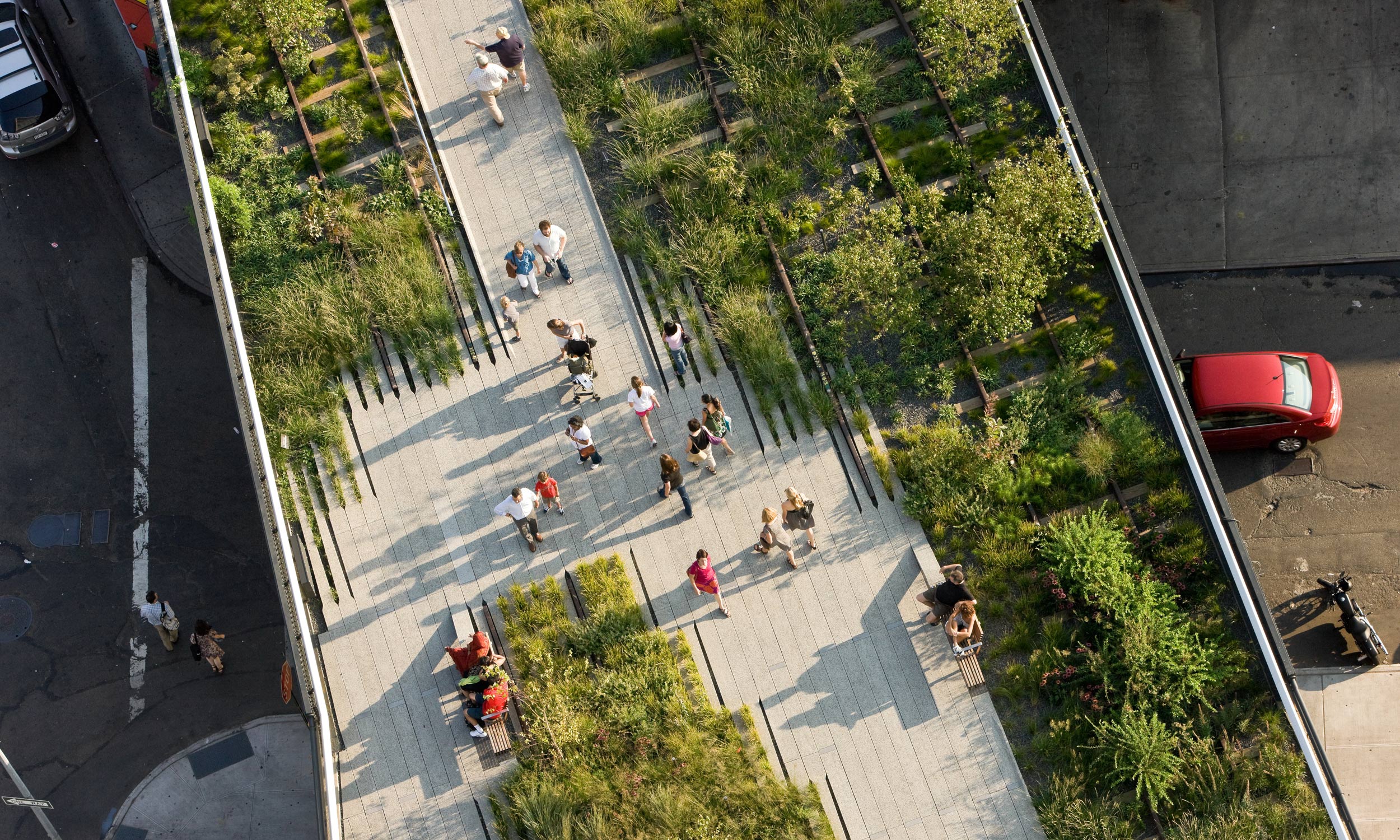
The High Line is not merely a path; it’s an experience. Designed with landscape architecture in mind, it features diverse plantings, seating areas, public art, and often, unexpected city views.
Landscape and Design
The park’s design is a masterpiece of sustainable urban planning. Landscape architects James Corner Field Operations, with architects Diller Scofidio + Renfro and planting designer Piet Oudolf, transformed the derelict railway into a verdant oasis.
- Planting Palettes: The plantings are designed to mimic the wild, self-seeded vegetation that took root on the abandoned tracks. This approach results in a naturalistic, ever-evolving landscape that changes with the seasons, offering a unique visual spectacle year-round. Expect to see a variety of grasses, perennials, and shrubs that thrive in an urban environment.
- Architectural Integration: The park seamlessly integrates with the surrounding architecture, offering glimpses into building interiors and showcasing new developments alongside historic structures. The contrast between the verdant park and the urban backdrop is one of its most striking features.
- Art and Installations: The High Line is a living gallery. Throughout the park, rotating sculptures, murals, and temporary installations transform the space into an open-air museum, engaging visitors with contemporary art in an unconventional setting.
Amenities and Activities
Beyond its visual appeal, the High Line offers amenities and activities that enhance the visitor experience.
- Seating and Relaxation: Ample seating, from benches to lounge chairs, is integrated into the design, inviting visitors to pause, relax, and soak in the atmosphere. The “Perspectives” seating areas, for instance, offer unique vantage points for people-watching and city gazing.
- Food and Drink: Several food vendors and cafés are located along or adjacent to the High Line, offering refreshments and snacks. From artisanal ice cream to gourmet coffee, there are options to satisfy various tastes.
- Public Programs: The Friends of the High Line regularly hosts events, including guided tours, art talks, and family-friendly activities, enriching the visitor experience and providing deeper insights into the park’s history and design.
- Views and Photo Opportunities: The elevated perspective provides unparalleled views of the Hudson River, the Manhattan skyline, and the dynamic street life below. It’s a photographer’s paradise, offering endless opportunities for capturing iconic New York moments.
Planning Your Visit to the High Line
To make the most of your visit to the High Line, a little planning goes a long way. Considering the time of year, day of the week, and your personal interests will help you tailor the perfect experience.
Best Times to Visit
The High Line is open year-round, and each season offers a distinct charm.
- Spring: Witness the park come alive with blooming flowers and fresh greenery. It’s a refreshing time to visit as the city shakes off winter’s chill.
- Summer: The park is in full bloom, offering a vibrant and lush environment. Summer evenings are particularly magical, with cooler temperatures and city lights twinkling. However, be prepared for larger crowds.
- Autumn: The fall foliage paints the park in warm hues of red, orange, and yellow, creating a breathtaking spectacle. The crisp air makes for pleasant walking.
- Winter: While some plants may be dormant, the skeletal beauty of the structure and the quiet charm of the park offer a unique perspective. Special winter installations and decorations often add to the appeal.
Navigating Crowds and Peak Hours
The High Line is one of New York’s most popular attractions, so it can get crowded, especially during peak tourist seasons and on weekends.
- Weekdays: Visiting on a weekday, particularly in the morning or late afternoon, will generally offer a more serene experience.
- Early Mornings: Arriving shortly after opening allows you to enjoy the park with fewer people and capture unobstructed photos.
- Late Evenings: In the warmer months, the park remains open until late, offering a different atmosphere as the city lights up.
Practical Tips for a Memorable Experience
- Wear Comfortable Shoes: You’ll likely be doing a lot of walking, so comfortable footwear is essential.
- Check the Weather: New York weather can be unpredictable. Dress in layers and be prepared for various conditions.
- Bring Water and Snacks: While there are vendors, having your own provisions can be convenient, especially if you plan to spend several hours exploring.
- Utilize the Map: Familiarize yourself with the High Line map, available online or at access points, to identify desired entry/exit points, art installations, and amenities.
- Respect the Space: Help maintain the beauty of the park by disposing of trash properly and being mindful of other visitors.
- Consider Nearby Attractions: The High Line is conveniently located near other major attractions, such as the Whitney Museum of American Art, the Chelsea Market, and numerous galleries. Plan to incorporate these into your itinerary.
The High Line is a dynamic and evolving urban landscape, offering a truly unique New York experience. Whether you’re a first-time visitor or a seasoned resident, its charm and innovation continue to captivate, making it an essential stop on any exploration of the city.
LifeOutOfTheBox is a participant in the Amazon Services LLC Associates Program, an affiliate advertising program designed to provide a means for sites to earn advertising fees by advertising and linking to Amazon.com. Amazon, the Amazon logo, AmazonSupply, and the AmazonSupply logo are trademarks of Amazon.com, Inc. or its affiliates. As an Amazon Associate we earn affiliate commissions from qualifying purchases.