
Texas, a state renowned for its vast landscapes, vibrant cities, and abundant waterways, offers a plethora of opportunities for aquatic adventures. From the shimmering shores of the Gulf Coast to the serene inland lakes, boating is a cherished pastime for both residents and visitors. As you plan your next excursion on the water, a crucial question arises: do you need a boating license in Texas? Understanding the regulations surrounding boat operation is essential for ensuring safety, compliance, and a truly enjoyable experience. This guide will navigate you through the requirements, age restrictions, and essential knowledge needed to captain a vessel legally and confidently in the Lone Star State.

The allure of Texas waters is undeniable. Imagine cruising across Lake Travis, with its crystal-clear waters and dramatic limestone cliffs, or perhaps exploring the intricate bay systems along the Texas Coast, spotting dolphins and enjoying the gentle sea breeze. Whether you’re drawn to the thrill of water sports or the tranquility of a sunset cruise, Texas provides the perfect backdrop. However, with this freedom comes responsibility. The Texas Parks and Wildlife Department (TPWD) oversees boating regulations to promote safety and protect the environment. Familiarizing yourself with these rules is not just a legal obligation but a cornerstone of responsible boating.
Navigating Texas Boating Regulations: Who Needs a License?
The primary determinant for requiring a boating license in Texas hinges on the operator’s age and the type of vessel being used. Texas law mandates that individuals born on or after September 1, 1993, who operate a watercraft with a motor of 15 horsepower or more, must possess a valid Texas Boating Certificate. This certificate is often colloquially referred to as a “boating license” and signifies that the holder has successfully completed an approved boating safety course.
Age Restrictions and Boating Safety Education
The age of the operator is a critical factor in determining licensing requirements. For individuals born on or after September 1, 1993, the requirement for a Boating Certificate is in full effect if they are operating a motorboat with 15 horsepower or greater. This rule is in place to ensure that a fundamental understanding of safe boating practices is acquired by those who are more likely to be operating vessels independently and frequently.
For those born before September 1, 1993, there is generally no requirement to obtain a Boating Certificate to operate a motorboat of any horsepower in Texas. This exemption acknowledges that this demographic has had more time to gain experience on the water. However, it’s crucial to understand that even if you are exempt from the Boating Certificate requirement, you are still expected to operate your vessel safely and in accordance with all Texas boating laws and regulations. Ignorance of the law is not a defense, and unsafe operation can lead to citations, fines, and in severe cases, more serious legal repercussions.
It’s also important to note that while the law focuses on operators born after a specific date, the TPWD strongly encourages all boaters, regardless of age or experience, to complete a boating safety course. These courses provide invaluable knowledge on navigation, right-of-way rules, emergency procedures, and environmental stewardship, all of which contribute to a safer and more enjoyable experience for everyone on the water. Many online providers offer TPWD-approved courses that are convenient and affordable. Completing such a course can be a proactive step towards becoming a more competent and responsible boater, even if not legally mandated for your age group.
Operating Different Types of Vessels
The horsepower of the motor is the key differentiator for requiring the Boating Certificate. If you are operating a boat with a motor less than 15 horsepower, a Boating Certificate is not required, regardless of your birth date. This allows for more casual use of smaller craft like jon boats or certain kayaks and canoes equipped with small trolling motors for fishing or leisurely exploration.
However, if the vessel is equipped with a motor 15 horsepower or greater, then the age-based requirement for the Boating Certificate applies. This includes a wide range of boats, from family runabouts and pontoons to jet skis and larger fishing boats. The intent here is to ensure that anyone operating a more powerful vessel, capable of higher speeds and more complex maneuvers, has demonstrated a basic level of knowledge regarding safe operation.
It’s worth noting that this requirement applies to both powered vessels and personal watercraft (PWCs), commonly known as jet skis. If you plan to rent or operate a PWC in Texas, and you were born on or after September 1, 1993, you will need to have completed an approved boating safety course and possess your Boating Certificate.
Obtaining Your Texas Boating Certificate: A Pathway to Safe Adventures
For those who fall under the age requirement, or for anyone who simply wishes to enhance their boating knowledge, obtaining a Texas Boating Certificate is a straightforward process. The Texas Parks and Wildlife Department approves various boating safety courses, which can be completed through different methods to suit individual learning styles and schedules.
Approved Boating Safety Courses
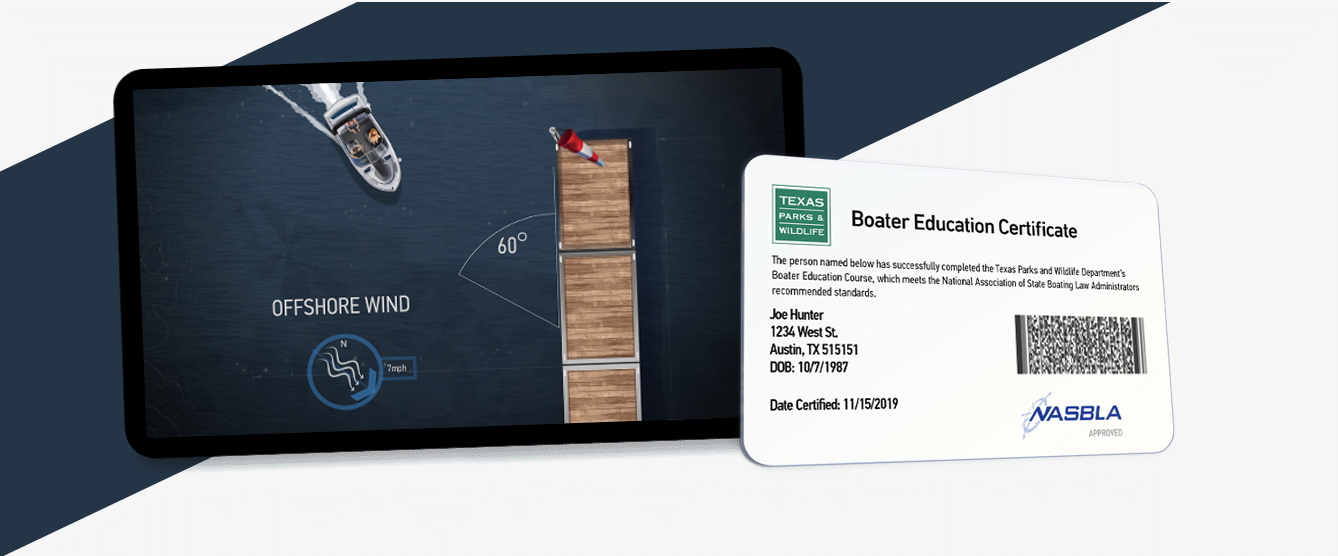
The TPWD partners with several organizations to offer approved boating safety courses. These courses cover essential topics such as:
- Navigation Rules: Understanding buoys, markers, and the rules of the road on the water to prevent collisions.
- Required Safety Equipment: Knowing what life jackets, fire extinguishers, and signaling devices are legally required on board.
- Man Overboard Procedures: What to do if someone falls into the water.
- Accident Reporting: Procedures to follow in case of an incident.
- Environmental Awareness: Best practices for protecting Texas’s aquatic ecosystems.
- Safe Operation Techniques: Understanding boat handling, speed limits, and anchoring.
Most courses are available online, offering flexibility for individuals to study at their own pace. Upon successful completion of the course and a final exam, you will be issued a Texas Boating Certificate. This certificate is generally valid for a lifetime. It’s crucial to carry your Boating Certificate with you whenever you are operating a vessel that requires it. Law enforcement officers may ask to see it during routine checks.
Out-of-State Boating Licenses
For visitors planning to enjoy Texas waterways, a common question arises regarding the validity of out-of-state boating licenses or certifications. Generally, Texas recognizes boating safety education certificates issued by other states if they are approved by the National Association of State Boating Law Administrators (NASBLA). Most state boating education courses are NASBLA-approved. Therefore, if you have a valid boating safety certificate from another state, it is likely to be recognized in Texas.
However, it is always a good practice to verify the NASBLA approval of your out-of-state certificate. If your certificate is not NASBLA-approved, or if you are unsure, it would be prudent to complete a Texas-approved course to ensure full compliance with state regulations. This ensures you are fully covered and can focus on enjoying your time on the water without any legal concerns.
Beyond the License: Essential Boating Safety Practices in Texas
While a Boating Certificate is a legal requirement for some, it is merely a stepping stone to becoming a safe and responsible boater. Texas waters, while beautiful, can also present challenges. Understanding and implementing fundamental safety practices is paramount for preventing accidents and ensuring a positive experience for everyone.
Essential Safety Equipment and Checks
Before embarking on any voyage, a thorough check of your vessel and its safety equipment is non-negotiable. The TPWD mandates specific equipment based on the type and size of the boat. This typically includes:
- Personal Flotation Devices (PFDs): One wearable PFD for each person on board, plus one throwable PFD. Children under 13 years of age must wear a PFD at all times while on board a vessel.
- Fire Extinguishers: The number and type depend on the size and engine of your boat.
- Visual Distress Signals (VDSs): Such as flares or flags, required on coastal waters.
- Sound-Producing Device: A whistle or horn to signal your presence.
- Navigation Lights: Essential for operating at night or in low visibility.
It is also vital to check weather conditions before you leave shore. Texas weather can change rapidly, especially along the coast. Always file a float plan with a trusted individual, detailing your destination, expected return time, and the number of people on board. This is a crucial step that can be life-saving in an emergency.

Responsible Boating Etiquette and Environmental Stewardship
Safe boating extends beyond just equipment; it encompasses responsible behavior and respect for others and the environment. Adhering to speed limits, maintaining a safe distance from other vessels, and being aware of swimmers and water skiers are critical. Excessive speed and wake can not only be dangerous but also cause damage to shorelines and other boats.
Furthermore, respecting Texas’s natural beauty means practicing good environmental stewardship. This includes proper disposal of waste and avoiding pollution of waterways. Many Texas lakes and rivers are popular for fishing, and it’s important to follow fishing regulations and practice catch-and-release when appropriate.
Whether you’re planning a luxurious resort stay near Galveston and intend to explore the bay, or a family trip to a cabin on a quiet lake, understanding and adhering to these boating regulations and safety practices will ensure your Texas aquatic adventures are both memorable and safe. Enjoy the vast and beautiful waterways of the Lone Star State!
LifeOutOfTheBox is a participant in the Amazon Services LLC Associates Program, an affiliate advertising program designed to provide a means for sites to earn advertising fees by advertising and linking to Amazon.com. Amazon, the Amazon logo, AmazonSupply, and the AmazonSupply logo are trademarks of Amazon.com, Inc. or its affiliates. As an Amazon Associate we earn affiliate commissions from qualifying purchases.