
Hawaii, the jewel of the Pacific, beckons with its sun-drenched beaches, lush rainforests, and vibrant culture. For many a traveler dreaming of an escape to paradise, a crucial piece of planning revolves around understanding the nuances of its weather. One of the most frequently asked questions, and a key consideration for crafting the perfect Hawaiian getaway, is: “When is the rain season in Hawaii?” While the islands are renowned for their pleasant climate year-round, understanding the subtle shifts between wetter and drier periods can significantly enhance your experience, whether you’re seeking optimal beach days, exploring verdant trails, or indulging in luxury accommodations.
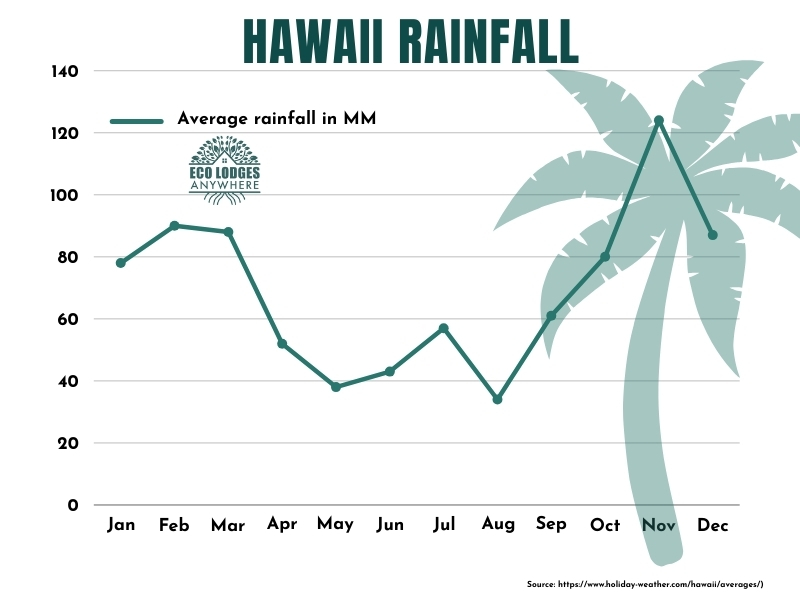
This comprehensive guide will delve into the specifics of Hawaii’s rainfall patterns, helping you time your visit to align with your desired activities and island explorations. We’ll explore how different islands experience rainfall, what to expect during the wetter months, and how to make the most of your trip regardless of the season.
Understanding Hawaii’s Unique Climate
Hawaii’s tropical location positions it in a region with a generally warm and stable climate. However, “rainy season” in Hawaii is a relative term. Unlike many destinations that experience distinct monsoon seasons with prolonged, heavy downpours, Hawaii’s precipitation is more localized and often manifests as brief, refreshing showers that clear quickly, leaving behind the scent of plumeria and a renewed vibrancy in the landscape.
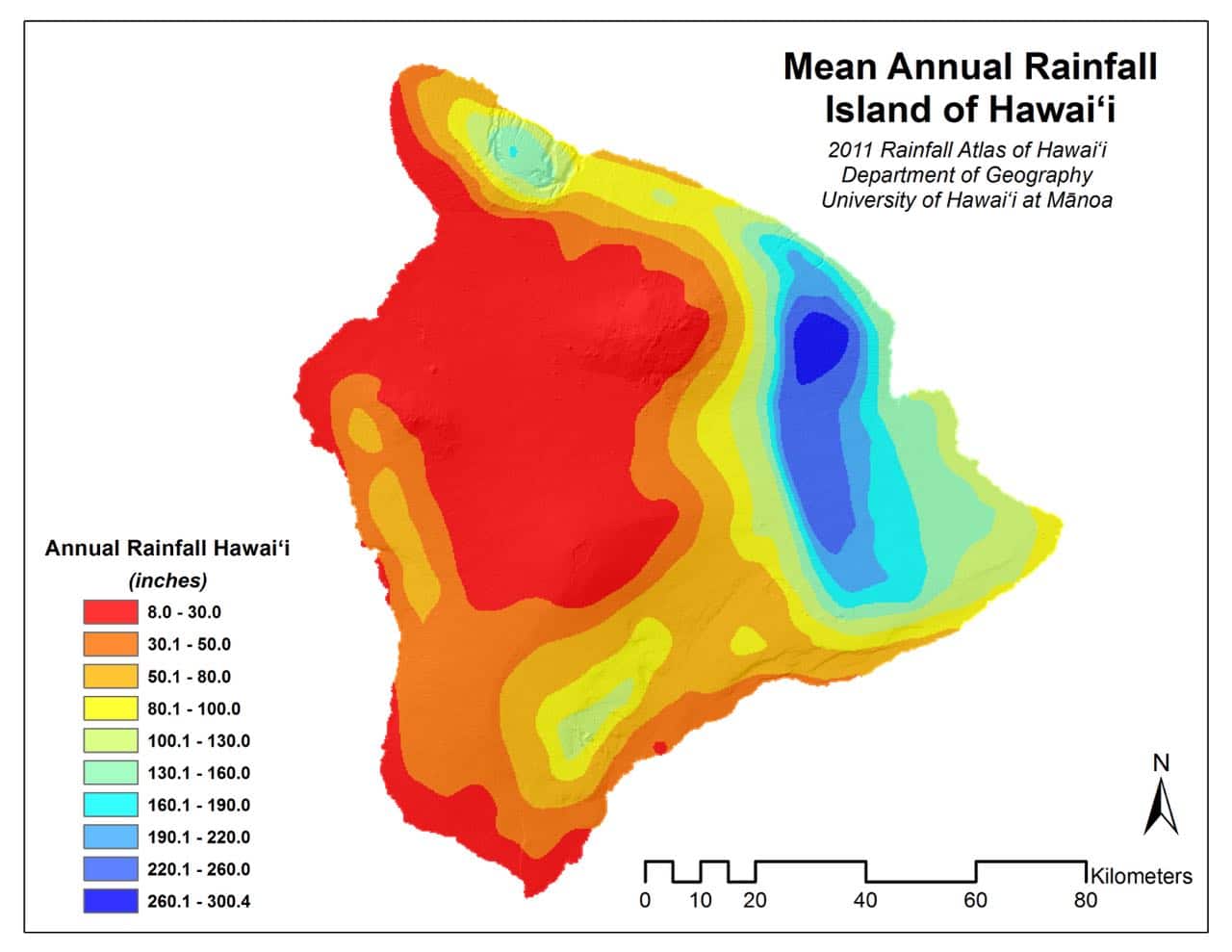
The primary driver of Hawaii’s weather patterns is the combination of prevailing trade winds, which blow from the northeast, and the islands’ dramatic topography. The taller mountains on each island act as natural barriers, forcing moist air upwards. As the air cools, it condenses, leading to increased rainfall on the windward (northeastern) sides of the islands. Conversely, the leeward (southwestern) sides tend to be drier and sunnier. This phenomenon is known as orographic rainfall and is a significant factor in the microclimates found across Hawaii.
The “Wetter” Season: November to April
When people inquire about Hawaii’s “rainy season,” they are generally referring to the period from November to April. During these months, Hawaii experiences a slight increase in rainfall, particularly on the windward coasts and at higher elevations. However, it’s crucial to dispel the myth of constant, disruptive downpours. Instead, expect a higher probability of passing showers, often occurring in the early morning or late afternoon, followed by sunshine.
The prevailing trade winds are typically stronger during these months, contributing to the increased moisture. Temperatures remain mild, with daytime highs generally in the mid-70s to low 80s Fahrenheit. This period is still an excellent time to visit, especially for those who appreciate a lusher, greener landscape and don’t mind the occasional brief shower. For surfers, the winter months bring larger swells to the north and west shores of islands like Oahu, making them prime destinations for catching impressive waves at famous surf spots like Banzai Pipeline and Waimea Bay.
Island-Specific Rainfall Patterns
The amount and timing of rainfall can vary significantly from one Hawaiian island to another, and even within different regions of the same island. Understanding these distinctions can help you tailor your itinerary for the best possible weather experience.
- Kauai: Known as the “Garden Isle,” Kauai receives the most rainfall among the major islands, particularly on its north shore and in its mountainous interior. Areas like the Na Pali Coast are famously verdant due to ample precipitation. While the south and west shores are generally drier, the occasional shower can still occur during the November to April period.
- Oahu: Hawaii’s most populated island experiences a similar pattern, with the windward (east) and north shores receiving more rain than the leeward (west) and south shores. The Koʻolau Mountains play a significant role in this distribution. This means that while towns like Honolulu and Waikiki often enjoy sunny skies, a short drive inland or to the eastern coast can lead you to rain-fed waterfalls and lush valleys.
- Maui: Maui offers a diverse range of microclimates. The iconic Haleakala National Park summit can experience chilly temperatures and mist, while the popular resort areas of Ka’anapali and Wailea on the west and south coasts tend to be drier and sunnier. The Road to Hana, on the eastern side of the island, is renowned for its frequent, refreshing showers that nourish the dense rainforest.
- Big Island of Hawaii: The largest island in the archipelago boasts the most dramatic variations. The Hilo side (northeast) is famously rainy, contributing to its lush rainforests and agricultural bounty. In contrast, the Kona side (west) is typically dry and sunny, making it a popular choice for sun-seekers and for luxury resorts like Four Seasons Resort Hualalai. The volcanic landscapes of Hawaii Volcanoes National Park can also experience different weather patterns depending on elevation and wind direction.
The “Drier” Season: May to October
The period from May to October is generally considered Hawaii’s “drier” season. During these months, the trade winds tend to be lighter and more variable, and the atmosphere is typically more stable, leading to less frequent rainfall across most of the islands. This is often the most sought-after time for visitors planning a Hawaiian vacation, as it offers the highest probability of consistent sunshine, perfect for beach lounging, snorkeling, and outdoor adventures.
Temperatures during these months are slightly warmer, with daytime highs often reaching the high 80s Fahrenheit. Humidity can be higher, but the trade winds usually provide a pleasant breeze. The ocean conditions are generally calmer, making it an ideal time for swimming, paddleboarding, and boat excursions to iconic spots like Molokini Crater.
Maximizing Your Trip During the Drier Season
The drier months offer an abundance of opportunities for experiencing the best of Hawaii.
- Beach Bliss: With less chance of rain, you can spend more time soaking up the sun on world-famous beaches like Waikiki Beach on Oahu, Ka’anapali Beach on Maui, or Poipu Beach on Kauai. The calmer waters are perfect for families with children.
- Water Activities: Whether you’re looking to learn to surf in Waikiki, go snorkeling at Hanauma Bay on Oahu, or embark on a whale-watching tour (though prime whale season is typically winter), the drier months provide excellent conditions.
- Exploring Natural Wonders: Hiking through verdant trails, visiting cascading waterfalls, and exploring volcanic landscapes become even more enjoyable with a lower chance of encountering rain. Destinations like the Waimea Canyon on Kauai and the lava fields of Hawaii Volcanoes National Park are at their most accessible and visually stunning under clear skies.
- Island Hopping: If you plan to visit multiple islands, the drier season ensures a more consistent weather experience across the archipelago, allowing for seamless transitions and maximizing your sightseeing opportunities.
Beyond the Seasons: Microclimates and Local Tips
It’s essential to reiterate that Hawaii’s weather is not monolithic. The concept of microclimates means that even during the “rainy season,” you can find sunny spots, and vice versa. For instance, on a given day during the winter months, the eastern coast of Maui might be experiencing a refreshing shower, while the western shores of Maui are bathed in sunshine.
Local Tip: Always check the weather forecast for the specific region of the island you plan to visit on any given day. Websites and apps that provide detailed, localized forecasts are invaluable. Don’t let the general “rainy season” prediction deter you from visiting, as you can often find sheltered beaches or engage in activities that are less dependent on perfect weather.
For travelers looking for accommodation, consider the location of your chosen hotel, resort, or villa in relation to these microclimates. If you’re dreaming of endless beach days, opt for accommodations on the leeward (south or west) sides of the islands. If you’re drawn to lush, tropical landscapes and the dramatic beauty of rainforests, a stay on the windward (north or east) side might be more appealing, even during the wetter months. Many luxury travel packages and family trips are designed to offer a balance of activities that can be enjoyed regardless of the weather.
Packing Advice: Even during the drier season, it’s wise to pack light rain gear, especially if you plan on exploring the interior or higher elevations. A light, waterproof jacket or a small umbrella can be a lifesaver during unexpected, brief showers. For the wetter season, think layers. While temperatures are warm, frequent showers can cool things down, and the air can feel damp.
Ultimately, Hawaii’s allure lies in its natural beauty and the warmth of its people, which shine through in any season. By understanding the subtle ebb and flow of its rainfall, you can better plan your travel adventures, select the ideal accommodation, and immerse yourself fully in the unique lifestyle and tourism offerings of this Pacific paradise. Whether you choose to visit during the vibrant greenery of the wetter months or the sun-drenched days of the drier season, Hawaii promises an unforgettable experience. Remember, even a brief shower can add to the magic, painting the island with vibrant rainbows and nurturing the stunning landscapes that make Hawaii a truly special destination.
LifeOutOfTheBox is a participant in the Amazon Services LLC Associates Program, an affiliate advertising program designed to provide a means for sites to earn advertising fees by advertising and linking to Amazon.com. Amazon, the Amazon logo, AmazonSupply, and the AmazonSupply logo are trademarks of Amazon.com, Inc. or its affiliates. As an Amazon Associate we earn affiliate commissions from qualifying purchases.