
Embarking on a journey to the enchanting islands of Hawaii often conjures images of pristine beaches, volcanic landscapes, and vibrant local culture. For many, especially those residing outside the United States, the question of travel documentation, specifically the need for a passport, is a crucial first step in planning their dream vacation. Given that Hawaii is an overseas destination, it’s a common misconception that a passport is universally required. This comprehensive guide aims to clarify the passport requirements for visiting Hawaii, catering to both U.S. citizens and international travelers, while also delving into other essential aspects of Hawaiian travel to ensure a seamless and unforgettable experience.
As one of the most sought-after destinations on Earth, Hawaii offers a diverse range of experiences, from the bustling streets of Honolulu to the serene beauty of Kauai’s Na Pali Coast. Understanding the nuances of entry requirements is paramount, not just for legal compliance but also for preventing any last-minute hurdles that could dampen your excitement. Beyond passports, we’ll explore what other forms of identification are accepted, what the Real ID Act means for domestic air travel, and how international visitors can navigate the visa landscape. Furthermore, we’ll touch upon various facets of Hawaiian tourism, including accommodation options, must-see landmarks, and tips for immersing yourself in the islands’ unique lifestyle, ensuring your trip is as smooth as the ocean breeze.
Understanding Hawaii’s Status: A U.S. State
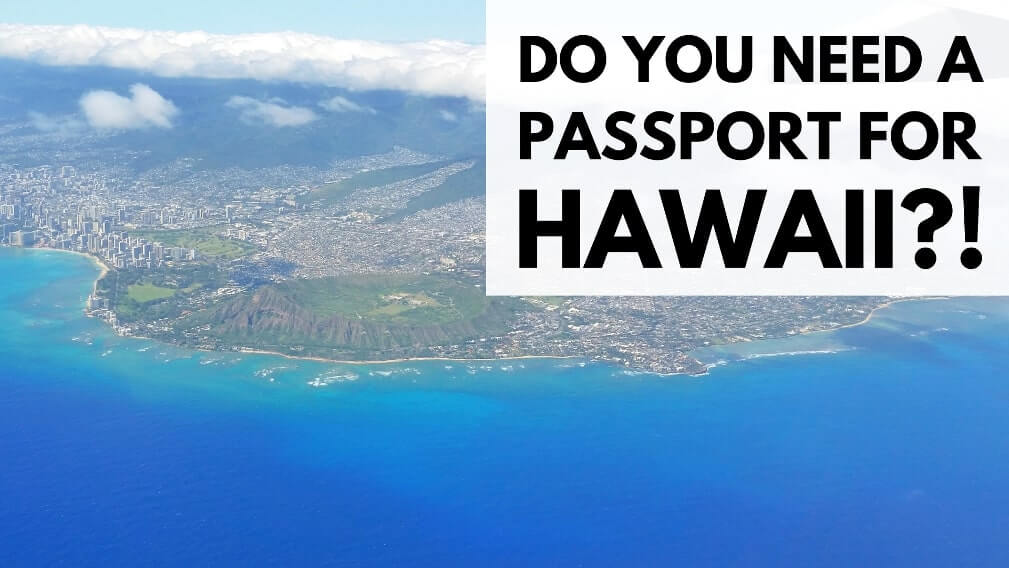
The fundamental answer to “Do you need a passport for Hawaii?” hinges entirely on your citizenship. Hawaii officially became the 50th state of the United States in 1959. This crucial fact dictates the travel documentation required, classifying journeys to Hawaii as domestic travel for U.S. citizens, similar to flying from New York to California or Alaska.
For U.S. Citizens: What You Need Instead
If you are a U.S. citizen traveling directly from the mainland United States to Hawaii without any stops in foreign countries, you do not need a passport. Your flight is considered a domestic flight, and the standard requirements for domestic air travel apply. This means you will need a valid, government-issued photo identification.
Acceptable forms of ID for domestic flights, according to the Transportation Security Administration (TSA), include:
- State-issued Driver’s License or other State Photo ID Card: As long as it meets Real ID compliance standards (more on this below).
- U.S. Passport: While not required, it is certainly an acceptable form of ID.
- U.S. Passport Card: This card is specifically designed for land and sea travel to Canada, Mexico, the Caribbean, and Bermuda under the Western Hemisphere Travel Initiative (WHTI), but it is also an accepted form of ID for domestic air travel.
- U.S. Military ID.
- Permanent Resident Card (Green Card).
- Trusted Traveler Cards: Such as Global Entry or TSA PreCheck cards.
It’s crucial to ensure your chosen ID is unexpired and in good condition. Carrying a backup form of identification is always a prudent travel tip.
Non-U.S. Citizens: Passport and Visa Requirements
For individuals who are not U.S. citizens, the rules are different and more stringent. To enter Hawaii, you will be subject to the same entry requirements as for any other part of the United States. This means:
- A Valid Passport: Your passport must be valid for at least six months beyond your intended period of stay.
- A Visa (if required): Depending on your country of origin, you may need to obtain a visa before traveling. The U.S. has a Visa Waiver Program (VWP) that allows citizens of certain countries to travel to the U.S. for tourism or business for stays of 90 days or less without a visa. If you qualify for the VWP, you must obtain an approved Electronic System for Travel Authorization (ESTA) prior to your travel.
- Other Documents: You may also be required to show proof of onward or return travel, sufficient funds for your stay, and accommodation details.
Always check the latest entry requirements with the U.S. embassy or consulate in your country well in advance of your travel date, as regulations can change. Travel documents for non-U.S. citizens are subject to scrutiny by Customs and Border Protection (CBP) upon arrival at ports of entry like Daniel K. Inouye International Airport in Honolulu.
Planning Your Hawaiian Escape: Essential Travel Documents Beyond the Passport
While the passport question for U.S. citizens is straightforward, there are other crucial document considerations that ensure a smooth journey to Hawaii.
Real ID Act: Implications for Domestic Air Travel
The Real ID Act, passed by Congress in 2005, established minimum security standards for state-issued driver’s licenses and ID cards and prohibits federal agencies from accepting licenses and ID cards from states that do not meet these standards for certain official purposes, such as entering federal facilities or boarding federally regulated commercial aircraft.
As of May 7, 2025, every traveler 18 years of age and older will need a Real ID compliant driver’s license or another acceptable form of ID to fly within the United States. Look for a star at the top of your driver’s license or state ID card to determine if it is Real ID compliant. If your state’s license is not yet compliant or you do not have a Real ID compliant card, you will need to present an alternative acceptable document (such as a U.S. passport or U.S. military ID) to fly. It’s highly advisable to obtain a Real ID compliant ID or a passport well before this deadline to avoid any travel disruptions. Check the Department of Homeland Security website for the most up-to-date information on Real ID requirements.
Documents for Minors and Special Circumstances
- Children and Infants: For domestic flights, children under 18 typically do not need to show ID when traveling with an adult companion within the U.S.. However, individual airlines may have their own policies, so it’s wise to check with your carrier. Having a birth certificate or other proof of age can be helpful, especially for infants flying on a lap or requiring specific seating.
- Unaccompanied Minors: If a minor is traveling alone, airlines will have specific requirements regarding ID and documentation. These usually involve proof of age, contact information for guardians, and sometimes a specific form provided by the airline.
- Cruises to Hawaii: If your journey to Hawaii involves a cruise that departs from and returns to a U.S. port and visits only U.S. ports, it’s considered a “closed-loop” cruise. U.S. citizens on closed-loop cruises may not need a passport but can often use a birth certificate and a government-issued photo ID. However, if the cruise makes a stop in a foreign port (like Mexico or Canada), a passport is typically required. Non-U.S. citizens will always need a passport and potentially a visa. Always confirm directly with your cruise line.
Beyond Documents: Maximizing Your Hawaii Experience
Once your travel documents are in order, the real fun of planning your Hawaiian adventure begins. Hawaii is not just a collection of islands; it’s a vibrant tapestry of natural wonders, rich history, and welcoming aloha spirit. Integrating your travel logistics with an understanding of the islands’ unique offerings will enhance your tourism experience.
Top Destinations and Landmarks in Hawaii
Each of Hawaii’s main islands offers a distinct charm and an array of attractions:
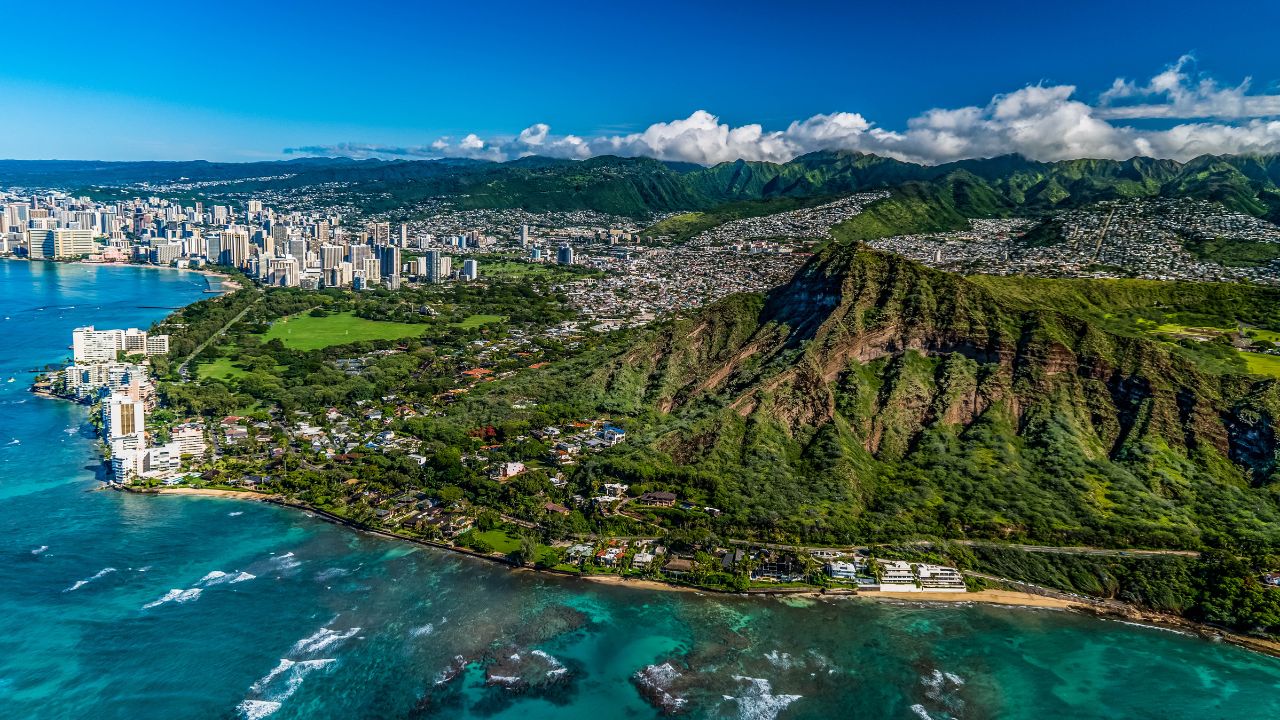
- Oahu: Home to the state capital Honolulu, Oahu blends urban sophistication with stunning natural beauty. Must-visit landmarks include Waikiki Beach, the iconic Diamond Head crater, and the historically significant Pearl Harbor memorials. The North Shore is a surfing mecca, offering a glimpse into professional surfing culture.
- Maui: Known as the “Valley Isle,” Maui boasts the scenic Road to Hana, the majestic sunrise from Haleakala National Park, and world-class beaches like Kaanapali Beach. It’s a favorite for honeymooners and family trips.
- Big Island (or Hawaii Island): The largest island, it’s famous for Hawaii Volcanoes National Park, where you can witness active volcanoes. It also offers diverse climates, from lush rainforests to black sand beaches.
- Kauai: The “Garden Isle” is characterized by its dramatic cliffs, pristine rainforests, and cascading waterfalls. The Na Pali Coast is a breathtaking spectacle best viewed by boat or helicopter, while Waimea Canyon, often called the “Grand Canyon of the Pacific,” offers stunning vistas.
- Lanai and Molokai: For those seeking a quieter escape, these smaller islands offer a glimpse into old Hawaii with less development and a focus on natural beauty and tranquility.
Accommodation Choices: From Luxury Resorts to Budget Stays
Hawaii caters to all lifestyle preferences and budget travel considerations when it comes to accommodation. Whether you’re planning a luxury travel experience or a more economical trip, the islands have options:
- Luxury Resorts: World-renowned resorts like the Four Seasons Resort Hualalai on the Big Island or The Ritz-Carlton, Kapalua on Maui offer unparalleled amenities, gourmet food, and breathtaking oceanfront views. These often include lavish suites, private villas, and extensive amenities like spas and championship golf courses.
- Boutique Hotels and Apartments: For a more intimate experience, numerous boutique hotels and vacation apartments offer unique charm and local flavor, often with personalized service. Websites offering booking and reviews are invaluable for finding these hidden gems.
- Budget Stays and Hostels: Travelers on a tighter budget can find affordable options ranging from cozy bed-and-breakfasts to hostels, particularly in popular areas like Waikiki. Exploring comparison sites and reading reviews can help uncover great value.
- Vacation Rentals: Long-term stay options like condos or private homes through platforms like Airbnb or VRBO are ideal for family trips or those desiring kitchen facilities and more space.
Early booking is always recommended, especially during peak seasons, to secure the best rates and desired locations.
Embracing Hawaiian Culture and Activities
A trip to Hawaii is incomplete without immersing yourself in its rich Polynesian heritage. From traditional luaus featuring hula dancing and delicious Hawaiian food to visiting historical sites and interacting with locals, there are countless ways to connect with the local culture.
Popular activities include:
- Water Sports: Surfing, snorkeling, scuba diving, paddleboarding, and kayaking are fundamental Hawaiian experiences. Many resorts and beaches offer rentals and lessons.
- Hiking: Explore lush rainforests, volcanic craters, and stunning coastal trails. Many national and state parks offer guided tours and well-maintained paths.
- Culinary Experiences: Savor fresh seafood, tropical fruits, and traditional dishes like poke, kalua pig, and poi. Don’t miss exploring local farmers’ markets and food trucks for authentic flavors.
- Cultural Attractions: Visit the Polynesian Cultural Center on Oahu, explore ancient temples (heiau), or take part in a lei-making workshop.
- Wildlife Viewing: Go whale watching (seasonal), swim with dolphins, or visit marine life sanctuaries.
Practical Tips for a Smooth Hawaiian Journey
Beyond documents, a few practical considerations will greatly enhance your overall Hawaiian adventure.
Pre-Travel Checklist and Booking Essentials
- Flights and Accommodation: Book your flights and hotels or resorts well in advance, especially during peak season. Utilize travel guides and reviews for informed choices. Consider long-term stay apartments for extended visits.
- Car Rental: Public transportation outside of Honolulu is limited. Renting a car is highly recommended for exploring the islands, but book early as demand is high.
- Inter-Island Travel: If you plan to visit multiple islands, factor in inter-island flights. These are frequent but also benefit from early booking.
- Travel Insurance: Consider purchasing travel insurance to cover unforeseen circumstances like trip cancellations, medical emergencies, or lost luggage.
- Packing: Pack light, breathable clothing, swimwear, reef-safe sunscreen, insect repellent, and comfortable walking shoes. Don’t forget adapters if you’re an international traveler.
- Money: While credit cards are widely accepted, it’s wise to carry some cash for smaller vendors or remote areas. Inform your bank of your travel plans to avoid issues with card usage.

Health and Safety Considerations
Hawaii is generally a safe destination, but it’s always prudent to be aware of local conditions and take precautions:
- Sun Protection: The Hawaiian sun is powerful. Use reef-safe sunscreen, wear hats, and seek shade, especially during midday.
- Ocean Safety: Be mindful of ocean currents, waves, and marine life. Swim only at lifeguarded beaches and heed warning signs. Never turn your back on the ocean.
- Hiking Safety: Stay on marked trails, carry enough water, and inform someone of your hiking plans, especially for longer treks.
- Mosquitoes: Certain areas, especially rainforests, can have mosquitoes. Use repellent to prevent bites.
- Volcanic VOG (Volcanic Smog): If visiting the Big Island, be aware of VOG from Kilauea Volcano. It can affect air quality, particularly for individuals with respiratory conditions. Check local advisories.
- Health Preparedness: Ensure you have any necessary prescription medications and consider consulting your doctor for any specific health recommendations from the Centers for Disease Control and Prevention (CDC).
In conclusion, for U.S. citizens, a passport is not required for a trip to Hawaii; a Real ID compliant state ID or other accepted forms of TSA identification will suffice. However, for international travelers from Europe, Asia, Australia, South America, Africa, and other regions, a valid passport and potentially a visa or ESTA are mandatory. Regardless of your origin, meticulous planning regarding all travel documents, accommodation, and activities will pave the way for an extraordinary Hawaiian adventure. Safe travels and aloha!
LifeOutOfTheBox is a participant in the Amazon Services LLC Associates Program, an affiliate advertising program designed to provide a means for sites to earn advertising fees by advertising and linking to Amazon.com. Amazon, the Amazon logo, AmazonSupply, and the AmazonSupply logo are trademarks of Amazon.com, Inc. or its affiliates. As an Amazon Associate we earn affiliate commissions from qualifying purchases.