
Navigating the legal landscape after the passing of a loved one in Texas can be a daunting experience. Among the many questions that arise, one of the most frequent concerns pertains to the necessity of probating a will. Probate is the legal process by which a will is validated and the deceased person’s estate is administered. While it might seem like a straightforward procedure, the requirement for probate in Texas is not a universal one. It hinges on a variety of factors, including the nature of the assets, the existence of a valid will, and the specific wishes of the testator (the person who made the will). Understanding these nuances is crucial for estate administrators and beneficiaries alike, ensuring that the deceased’s final wishes are honored efficiently and in accordance with the law.

Understanding the Probate Process in Texas
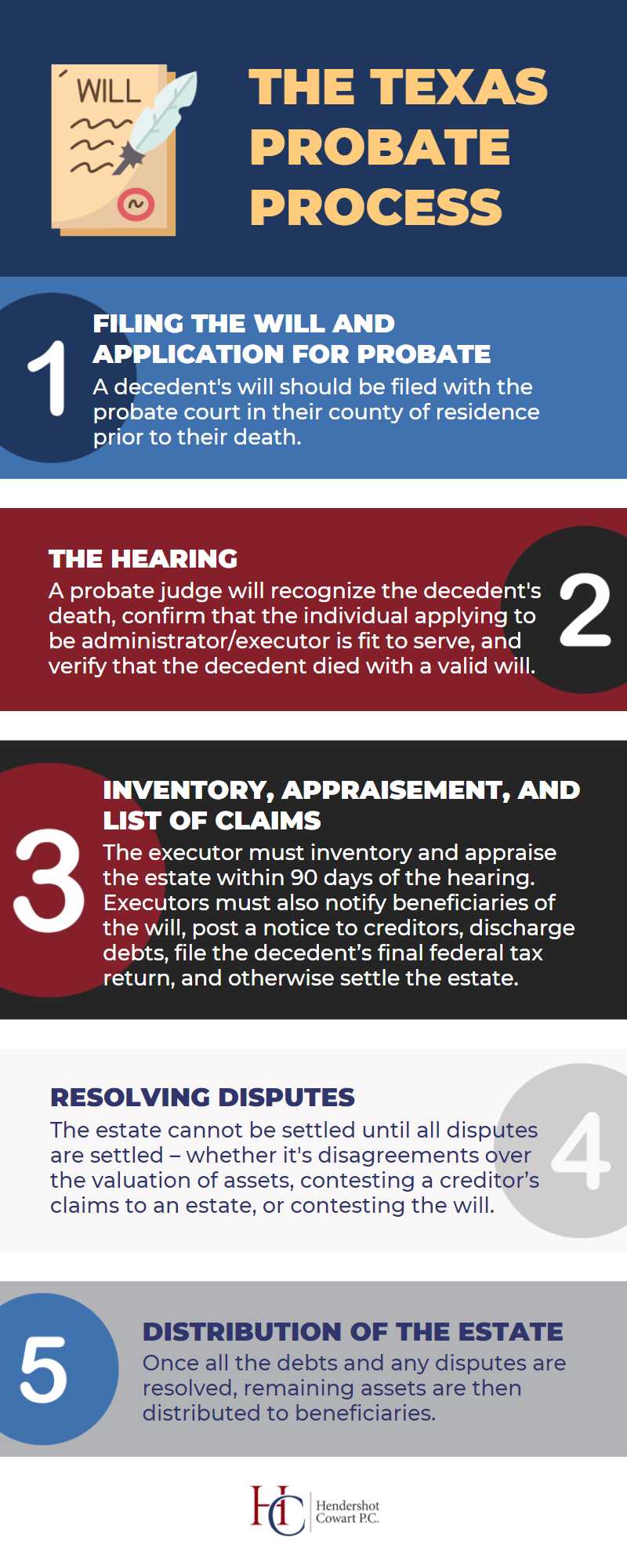
At its core, probate in Texas serves several key functions. It officially recognizes the validity of a will, appoints an executor or administrator to manage the estate, identifies and inventories the deceased’s assets, settles any outstanding debts and taxes, and ultimately distributes the remaining assets to the rightful heirs or beneficiaries. The process is overseen by a local court, typically referred to as a statutory probate court or a county court at law. The court ensures that all legal requirements are met and that the estate is settled equitably.
When is Probate Typically Required?
In most cases, if a person dies owning assets solely in their name that have a value exceeding certain thresholds, probate will likely be necessary. These assets could include real estate, vehicles, bank accounts, stocks, bonds, and other valuable possessions. Without probate, transferring ownership of these assets to beneficiaries can be problematic, as many institutions and government agencies require a court-ordered document to facilitate such transfers.
However, Texas law provides mechanisms for avoiding or simplifying the probate process in specific circumstances. These often involve situations where assets are held in joint tenancy with rights of survivorship, where beneficiaries are named on accounts (such as life insurance policies or retirement accounts), or where the estate’s total value falls below a certain statutory limit for a “small estate” administration.
Key Players in Probate
- Executor: If a will is in place, the executor is the person named in the will to manage the estate. They are responsible for carrying out the testator’s instructions and ensuring the smooth administration of the estate.
- Administrator: If there is no will (intestacy) or if the named executor is unable or unwilling to serve, the court will appoint an administrator to fulfill these duties.
- Beneficiaries: These are the individuals or entities designated to inherit assets from the estate.
- Heirs: In cases of intestacy, heirs are determined by Texas law based on familial relationships.
- Probate Court: The judicial body that presides over the probate proceedings.
Situations Where Probate May Not Be Necessary in Texas
While probate is a common legal requirement, Texas law offers several avenues through which an estate can bypass or simplify the formal probate process. These “non-probate” transfers are often designed to provide a more efficient and less costly way to distribute assets.
Assets Passing Outside of Probate
Certain types of assets are not subject to probate because their ownership automatically transfers to a designated beneficiary or a surviving owner upon the death of the original owner.
- Joint Tenancy with Right of Survivorship (JTWROS): Property, such as bank accounts or real estate, held in joint tenancy with rights of survivorship passes directly to the surviving joint owner(s) without going through probate. This is a common arrangement for married couples owning property or bank accounts.
- Beneficiary Designations: Many financial accounts, including life insurance policies, 401(k)s, IRAs, and payable-on-death (POD) or transfer-on-death (TOD) accounts, allow the account holder to name beneficiaries. Upon the account holder’s death, the asset passes directly to the named beneficiary, bypassing the probate court entirely.
- Trusts: Assets held within a living trust are typically managed and distributed by the trustee according to the trust’s terms, without the need for probate. This is a popular estate planning tool for avoiding probate and maintaining privacy.
Small Estate Affidavits
For estates with a modest value, Texas offers a streamlined process called a Small Estate Affidavit. This legal document can be used to transfer ownership of certain estate assets without the need for a formal probate court proceeding. To qualify for a Small Estate Affidavit, the deceased must have left a will (or died intestate), the value of the estate (excluding homestead and exempt property) must not exceed a statutory amount (which is subject to change, so consulting with an attorney is recommended), and all heirs must agree on the distribution of assets. This affidavit is filed with the court and, once approved, allows for the transfer of assets like bank accounts and personal property.
The Independent Administration Option in Texas
One of the most significant advantages of probating a will in Texas is the availability of “independent administration.” This legal framework allows the executor to manage the estate with minimal court supervision, significantly reducing the time, expense, and complexity of the probate process compared to many other states.
How Independent Administration Works
When a will designates an executor and grants them the authority to act as an independent administrator, they can often proceed with settling the estate without needing to obtain court approval for every step. This includes the ability to sell estate property, pay debts, and distribute assets to beneficiaries, provided they act in accordance with the terms of the will and Texas law. The court’s role is primarily limited to admitting the will to probate and appointing the independent executor. After this initial appointment, the executor can operate with considerable autonomy.
Benefits of Independent Administration
The benefits of independent administration are substantial:
- Reduced Costs: Less court involvement means fewer filing fees and attorney fees.
- Faster Resolution: The estate can often be settled more quickly without the delays associated with seeking court approval for routine actions.
- Greater Flexibility: The executor has more freedom to make decisions and manage the estate efficiently.
- Privacy: The independent administration process generally involves less public disclosure of estate affairs compared to court-supervised probate.
Even with independent administration, an executor must still adhere to legal requirements, such as notifying creditors and filing an inventory of assets. However, the simplified process makes it a highly desirable option for estates in Texas.
When You Might Still Need to Probate a Will in Texas
Despite the existence of non-probate transfers and the efficiency of independent administration, there are several compelling reasons why probating a will remains a necessary step for many estates.
Transferring Real Estate
One of the most common reasons for probating a will is to transfer title to real estate. While joint ownership with rights of survivorship can avoid probate for real property, if a property is owned solely by the deceased, a probated will or a court order is typically required to convey clear title to the beneficiaries. Lenders, title companies, and future buyers will almost always demand proof of legal authority to transfer property, which probate provides.
Resolving Disputes or Ambiguities
If there is any question about the validity of the will, its interpretation, or if beneficiaries have disputes, formal probate proceedings allow the court to address these issues. This ensures that the estate is settled according to the law and the testator’s intent, even in the face of conflict.
Accessing Certain Assets
While many financial accounts pass directly to beneficiaries, some assets may require a court-appointed representative with legal authority to access. This can include checking accounts with small balances that do not have POD designations, or assets where the beneficiary designation is unclear or missing.
Protecting the Executor
Even if beneficiaries are in agreement and assets might otherwise pass outside of probate, having a formal will probated can provide legal protection for the executor. It establishes their authority and can shield them from potential future claims from creditors or disgruntled parties, demonstrating that they acted in good faith and followed the legal process.

Complex or Large Estates
For larger or more complex estates involving multiple types of assets, business interests, or significant liabilities, formal probate, even with independent administration, provides a structured framework for managing these complexities and ensuring all legal obligations are met.
In conclusion, while Texas offers several avenues to avoid or simplify probate, the decision to probate a will is highly dependent on the specific circumstances of the estate. Consulting with an experienced probate attorney in Texas is the most effective way to determine the appropriate course of action, ensuring that the deceased’s estate is handled with accuracy, efficiency, and legal compliance.
LifeOutOfTheBox is a participant in the Amazon Services LLC Associates Program, an affiliate advertising program designed to provide a means for sites to earn advertising fees by advertising and linking to Amazon.com. Amazon, the Amazon logo, AmazonSupply, and the AmazonSupply logo are trademarks of Amazon.com, Inc. or its affiliates. As an Amazon Associate we earn affiliate commissions from qualifying purchases.