
Understanding the tax landscape is a crucial element of planning any extended stay or relocation to the Centennial State. While Colorado is renowned for its breathtaking mountain vistas, vibrant cities, and outdoor recreational opportunities, its tax structure plays a significant role in the overall cost of living and financial planning for residents and visitors alike. This guide delves into the specifics of Colorado income tax, offering insights for travelers considering a longer sojourn, those contemplating a move, or individuals with financial interests in the state.
Colorado’s Flat Tax System
Colorado distinguishes itself with a flat income tax system, a concept that has remained consistent for many years, though the rate has seen adjustments. Unlike progressive tax states where tax rates increase with income, Colorado applies a single, uniform tax rate to all taxable income, regardless of an individual’s earnings. This simplicity is often cited as an attractive feature, making tax calculations more predictable.
The Current Tax Rate
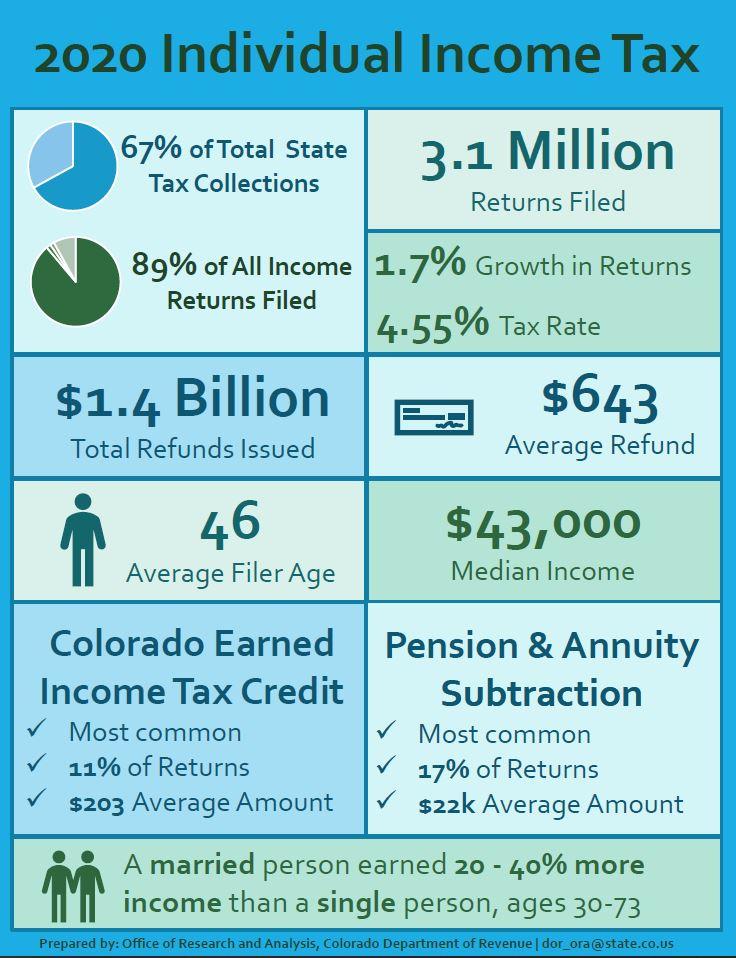
As of the most recent legislative updates and fiscal years, Colorado’s income tax rate stands at 4.40%. This rate applies to income earned by individuals and certain business entities. It’s important to note that tax rates can and do change, influenced by economic conditions, legislative decisions, and voter initiatives. Therefore, while 4.40% is the current benchmark, staying informed about potential future adjustments is always advisable for anyone with financial ties to the state.
Implications of a Flat Tax
The flat tax system in Colorado has several key implications for taxpayers:
- Uniformity: Every dollar of taxable income is taxed at the same rate. This means that whether an individual earns $50,000 or $500,000, their marginal tax rate remains 4.40%.
- Simplicity: For many, the flat tax simplifies tax preparation and financial forecasting. There are fewer brackets to navigate, and the calculation is straightforward.
- Impact on High Earners: While progressive systems aim to tax higher earners at a proportionally greater rate, Colorado’s flat tax means that high-income individuals contribute a similar percentage of their income as lower-income individuals.
- Impact on Low Earners: Conversely, low-income earners also pay the same percentage rate as higher earners, which can be a point of contention for some. However, Colorado offers various deductions and credits that can mitigate the tax burden for those with lower incomes.
What is Considered Taxable Income in Colorado?
Understanding what constitutes taxable income is as important as knowing the tax rate itself. In Colorado, taxable income generally includes income from most sources, similar to federal tax laws, but with state-specific nuances and deductions.
Common Sources of Taxable Income
- Wages and Salaries: Income earned from employment is a primary source of taxable income.
- Tips: Tips received in the course of employment are also subject to Colorado income tax.
- Interest and Dividends: Income generated from savings accounts, bonds, stocks, and other investments is typically taxable.
- Business Income: Profits derived from sole proprietorships, partnerships, and S-corporations are usually taxed at the individual level.
- Rental Income: Net income from rental properties is considered taxable.
- Retirement Income: Pensions and withdrawals from retirement accounts are generally taxable, though specific rules may apply to certain types of retirement income.
- Capital Gains: Profits realized from the sale of assets such as stocks, bonds, or real estate are taxable.
Colorado’s Treatment of Federal Deductions
Colorado generally follows federal tax law when it comes to determining adjusted gross income (AGI). This means that many of the deductions you claim on your federal return, such as deductions for student loan interest, IRA contributions, and self-employment tax, will also be reflected in your state AGI. However, Colorado does not allow all federal itemized deductions and has its own set of specific deductions and credits.
Key Colorado Income Tax Deductions and Credits
While Colorado’s flat tax rate is uniform, various deductions and credits are available to reduce an individual’s overall tax liability. These provisions are designed to offer financial relief and incentivize certain behaviors or address specific economic needs.
Standard Deduction
Similar to the federal system, Colorado offers a standard deduction. This is a fixed dollar amount that taxpayers can subtract from their taxable income if they do not itemize their deductions. The amount of the standard deduction is adjusted annually for inflation. For many taxpayers, taking the standard deduction is more beneficial than itemizing.
Itemized Deductions
Colorado allows for certain itemized deductions, though the list is more restricted than federal itemized deductions. Some common itemized deductions that may be available include:
- Medical Expenses: A portion of qualified medical expenses may be deductible if they exceed a certain threshold.
- Colorado Income Tax: Unlike some states, Colorado allows taxpayers to deduct state and local income taxes paid.
- Charitable Contributions: Donations made to qualified charitable organizations are deductible.
- Certain Other State Taxes: This can include property taxes paid on primary residences.
It is essential for taxpayers to compare the total of their potential itemized deductions against the standard deduction to determine which provides the greatest tax benefit.
Colorado Tax Credits

Tax credits directly reduce the amount of tax owed, dollar for dollar, making them generally more valuable than deductions. Colorado offers a variety of credits, including:
- Child Tax Credit: For eligible dependents.
- Dependent Care Deduction: For expenses incurred for the care of qualifying dependents.
- Property Tax and Renters’ Rebate: This program offers a rebate to eligible low-income seniors and disabled individuals for property taxes paid or rent paid on their primary residence.
- Renewable Energy Tax Credits: Incentives for investing in renewable energy systems.
- Specific Industry or Economic Development Credits: These may be available to businesses or individuals engaged in activities deemed beneficial for the state’s economy.
The availability and specific requirements for these credits can change, so consulting the latest guidance from the Colorado Department of Revenue is recommended.
Who Needs to Pay Colorado Income Tax?
The obligation to pay Colorado income tax generally falls on individuals who are considered residents of the state, or those who earn income within Colorado while being a non-resident.
Colorado Residency
Colorado defines residency based on two primary criteria:
- Domicile: A person’s permanent home, to which they intend to return whenever they are absent.
- Physical Presence: Spending a significant amount of time within the state.
If an individual establishes Colorado as their domicile and spends more than six months in the state during the tax year, they are generally considered a resident for tax purposes. This means their income from all sources, both within and outside of Colorado, is subject to the state’s income tax.
Non-Residents
Individuals who are not residents of Colorado but earn income from sources within the state are also subject to Colorado income tax on that specific income. This commonly includes:
- Wages earned by working in Colorado: If you live in a neighboring state like Wyoming, Nebraska, Kansas, Oklahoma, New Mexico, or Utah, but commute to work in Colorado, your earnings in Colorado are taxable by the state.
- Income from Colorado real estate: Rental income or profits from the sale of property located in Colorado.
- Business income generated within Colorado: Profits from a business operating within the state.
Non-residents are typically only taxed on their Colorado-sourced income, and they may be able to claim credits for income taxes paid to their state of residence on the same income, depending on reciprocity agreements between states.
Filing Your Colorado Income Tax Return
The process of filing your Colorado income tax return is generally aligned with federal filing procedures. The Colorado Department of Revenue oversees state tax administration.
Key Filing Deadlines
The annual deadline for filing Colorado income tax returns is typically April 15th, mirroring the federal deadline. If April 15th falls on a weekend or a holiday, the deadline is extended to the next business day. Extensions can be filed, usually granting an additional six months to submit the return, although taxes are still due by the original deadline to avoid penalties and interest.
Filing Forms
The primary form for individual income tax in Colorado is Form 104 Income Tax Return. This form is used to report income, calculate deductions and credits, and determine the final tax liability or refund. Taxpayers will also need to attach relevant federal forms and schedules that determine their state taxable income.
Electronic Filing
Most taxpayers choose to file their Colorado income tax returns electronically. This is often the most efficient and accurate method, and it allows for quicker processing of refunds. Numerous tax software programs and professional tax preparers offer e-filing services for Colorado returns.

Colorado’s Economic Landscape and Tax Policy
Colorado’s tax policy, including its income tax structure, is shaped by the state’s economic priorities and its commitment to fostering a business-friendly environment while providing essential public services. The state’s reliance on tourism, particularly its world-class ski resorts like Aspen Snowmass, Vail Ski Resort, and Breckenridge Ski Resort, along with its growing technology and aerospace sectors, influences its fiscal strategies.
The flat tax, while simple, is a point of ongoing discussion among policymakers and economists. Some argue it is efficient and predictable, while others advocate for a progressive system to address income inequality. Regardless of these debates, the 4.40% rate has been a consistent feature, contributing to the state’s revenue stream that funds infrastructure, education, and public safety across cities like Denver, Boulder, and Colorado Springs. For anyone planning to spend significant time in the state, whether for a prolonged vacation in places like the Rocky Mountain National Park or a permanent relocation, understanding the nuances of Colorado income tax is an indispensable part of financial preparedness.
LifeOutOfTheBox is a participant in the Amazon Services LLC Associates Program, an affiliate advertising program designed to provide a means for sites to earn advertising fees by advertising and linking to Amazon.com. Amazon, the Amazon logo, AmazonSupply, and the AmazonSupply logo are trademarks of Amazon.com, Inc. or its affiliates. As an Amazon Associate we earn affiliate commissions from qualifying purchases.