
Florida, often hailed as the “Sunshine State,” is a paradise for water enthusiasts. With its extensive coastline, shimmering bays, pristine rivers, and countless freshwater lakes, it offers an unparalleled aquatic playground. From the vibrant coral reefs of the Florida Keys to the tranquil wilderness of the Everglades, the opportunities for boating are as diverse as the state itself. Whether you dream of cruising along the Miami coastline, fishing in the Gulf of Mexico, or exploring the hidden coves of the Atlantic Ocean, Florida beckons with promises of adventure and relaxation.
However, before you cast off, a crucial question arises: do you need a boating license in Florida? The answer, while seemingly straightforward, involves understanding Florida’s specific regulations regarding boating safety education. Unlike a traditional driver’s license that requires regular renewal, Florida operates on a boating safety education identification card system. This article will delve deep into who needs this card, how to obtain it, key boating laws to be aware of, and how to make your Florida boating experience safe and unforgettable, weaving in elements of travel, tourism, and lifestyle that define this incredible destination.

Understanding Florida’s Boating Safety Education Requirements
The allure of Florida’s waters draws millions of boaters each year, from seasoned sailors to first-time renters. To ensure the safety of everyone on the water and protect the state’s delicate marine ecosystems, Florida has specific regulations in place. These regulations are primarily focused on boating safety education rather than a recurring “license” in the traditional sense. The goal is to ensure that operators possess fundamental knowledge of boating laws, safe operation practices, and navigational rules.
The Florida Fish and Wildlife Conservation Commission (FWC) is the primary agency responsible for enforcing these regulations. Their guidelines aim to minimize accidents and promote responsible boating habits across all of Florida’s diverse waterways, from the bustling intracoastal waterways of Fort Lauderdale to the serene rivers near Orlando. Understanding these requirements is the first step toward a compliant and enjoyable boating adventure.
Who Needs a Boating Safety Education Identification Card?
The core of Florida’s boating regulation revolves around the Boating Safety Education Identification Card. This card, often colloquially referred to as a “boating license” by many, is a one-time educational requirement. You do not need to renew it, unlike a driver’s license. The requirement is primarily based on the operator’s age and the type of vessel being operated.
Specifically, any person born on or after January 1, 1988, who operates a motorboat with 10 horsepower or more, including personal watercraft (PWCs) like Jet Skis, must have successfully completed an approved boating safety course and obtained a Boating Safety Education Identification Card. This applies to both residents and non-residents visiting the state. So, if you’re a tourist from California, Texas, or even a foreign country like Canada or the United Kingdom, and you fit the age criteria, you’ll need this card to operate a qualifying vessel in Florida waters.
This age cutoff is significant because it aims to ensure that newer generations of boaters are properly educated before taking to the helm. It covers a vast majority of today’s recreational boaters, especially those who grew up enjoying water sports and activities. Whether you’re planning a thrilling PWC ride in Tampa Bay or a leisurely cruise in Sarasota, if you meet the age criterion, securing this card is a prerequisite.
Exemptions to the Rule
While the general rule covers a broad demographic, there are several key exemptions designed to accommodate specific situations and experienced operators. Understanding these exemptions can save you time and effort if you fall into one of these categories:
- Persons born before January 1, 1988: If you were born on or before this date, you are exempt from the mandatory boating safety education requirement. This means you do not need the Boating Safety Education Identification Card to operate a vessel in Florida. However, it is always highly recommended that even experienced boaters consider taking a refresher course to stay updated on best practices and regulations.
- Persons operating a sailboat without an auxiliary motor: Sailboats, when operated solely under sail power, are generally exempt from the motorboat regulations. If your sailboat has an auxiliary motor, the rule applies when you are using the motor and meet the age requirement.
- Persons operating a non-motorized vessel: Kayaks, canoes, paddleboards, and other non-motorized vessels do not require the card, regardless of the operator’s age. This highlights Florida’s commitment to promoting diverse forms of water recreation.
- Persons operating a vessel within 90 days of purchase: If you have just purchased a vessel, you are allowed a 90-day grace period to complete the required course and obtain your card, provided you have a bill of sale on board.
- Persons operating a vessel while under the direct supervision of an authorized person: This exemption is particularly relevant for those learning to boat. If you are operating under the direct supervision of someone who is at least 18 years old and already possesses the required Boating Safety Education Identification Card (or is exempt due to age), you may operate the vessel without your own card.
- Persons who are licensed U.S. Coast Guard captains: Individuals holding a valid U.S. Coast Guard (USCG) license (e.g., Master or Operator of Uninspected Passenger Vessels, commonly known as an OUPV or “Six-Pack” license) are recognized as having met or exceeded Florida’s boating safety education requirements.
- Persons operating a vessel rented for 12 hours or less: If you are renting a boat for a short period (12 hours or less), and the rental company provides a temporary certificate demonstrating you’ve received basic safety instructions, you may be exempt. This is a common scenario for tourists enjoying a day on the water in places like Key West or Clearwater. However, always verify with the rental company, as they often have their own internal requirements or may insist on the card for certain vessels or durations.
It’s crucial to note that even if exempt, basic boating knowledge, understanding navigational rules, and adherence to safety protocols are paramount for everyone on the water.
Navigating the Boating Safety Course and Card Application
For those who do need the Boating Safety Education Identification Card, the process of obtaining it is straightforward and designed to be accessible. Florida offers various pathways to complete the necessary education, accommodating different learning styles and schedules. The emphasis is on imparting practical knowledge that contributes to safer waterways and more enjoyable experiences for everyone.
Choosing an Approved Course
The FWC approves several types of boating safety courses, ensuring that the content is standardized and meets state requirements. The two main formats are online courses and in-person classroom courses:
- Online Courses: These are perhaps the most popular option for their flexibility and convenience. Numerous FWC-approved online providers offer comprehensive courses that can be completed at your own pace, from anywhere with an internet connection. These courses typically include interactive modules, quizzes, and a final exam. Popular providers often include animated scenarios and real-world examples to enhance learning. This is an excellent option for busy individuals or tourists who want to complete the requirement before arriving in Florida.
- In-Person Classroom Courses: For those who prefer a more traditional learning environment, various organizations throughout Florida offer instructor-led classroom courses. These might be provided by the U.S. Coast Guard Auxiliary, the U.S. Power Squadrons, or other local boating safety organizations. Classroom settings offer direct interaction with experienced instructors and opportunities for hands-on learning or group discussions. This format can be particularly beneficial for those who have many questions or prefer a structured schedule.
Regardless of the format, an approved course will cover essential topics, including:
- Boating Laws and Regulations: State and federal laws, navigation rules (rules of the road), speed limits, and restricted areas.
- Safety Equipment: Required and recommended safety gear, such as personal flotation devices (PFDs), fire extinguishers, visual distress signals, and sound-producing devices.
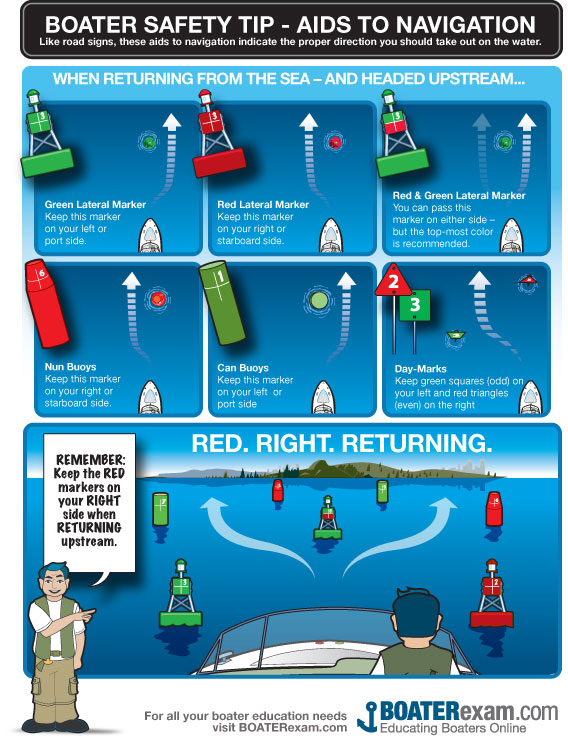
- Navigation and Aids to Navigation: Understanding buoys, markers, charts, and GPS usage.
- Safe Boating Practices: Docking, anchoring, trailering, fueling procedures, accident reporting, and emergency preparedness.
- Environmental Awareness: Protecting marine life, proper waste disposal, and avoiding sensitive areas.
- Personal Watercraft (PWC) Operation: Specific rules and safety considerations for operating Jet Skis and similar vessels.
Upon successful completion of the course and passing the final exam, you will receive a certificate of completion.
Obtaining Your Boating Safety Education ID Card
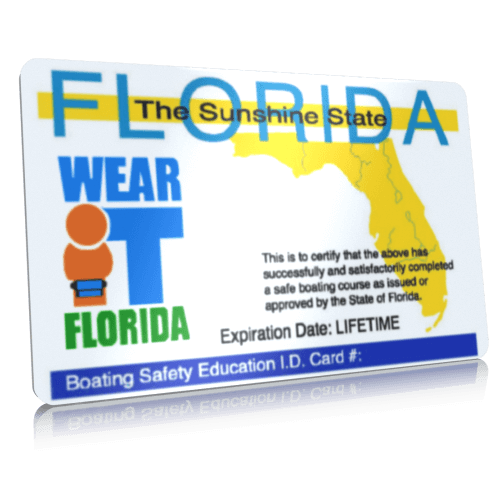
Once you have successfully completed an FWC-approved boating safety course and passed the exam, the next step is to obtain your official Boating Safety Education Identification Card. This card is your proof of compliance and must be carried with you whenever you operate a qualifying vessel.
- Application Process: Typically, the course provider will assist you with the application process or provide clear instructions. You will usually need to submit your certificate of completion to the FWC, along with a small application fee. Some online providers will even handle this submission for you.
- Receiving Your Card: After your application is processed, the FWC will mail your permanent Boating Safety Education Identification Card to you. This card is typically plastic, similar to a driver’s license, and is valid for life – it does not expire or require renewal.
- What to Carry: When operating a vessel that requires the card, you must have your Boating Safety Education Identification Card (or a temporary certificate if applicable) and a valid photo identification (like a driver’s license) on board. Law enforcement officers, such as the FWC, county sheriff’s marine patrol, or municipal police, may ask to see these documents during a stop. Failure to produce them could result in a citation.
For international visitors, it’s important to remember that while your home country’s boating license might demonstrate your proficiency, it is not a direct substitute for Florida’s specific Boating Safety Education Identification Card if you meet the age requirement. It’s always best to complete the Florida-approved course to ensure full compliance.
Key Boating Laws and Safety Tips for Florida Waters
Acquiring your Boating Safety Education Identification Card is just the beginning. To truly enjoy Florida’s magnificent waterways responsibly, you must also adhere to the state’s comprehensive boating laws and embrace a culture of safety. These regulations are designed not to restrict your fun but to ensure everyone’s well-being and preserve the natural beauty that attracts so many to Florida in the first place.
Essential Boating Regulations
Florida’s boating laws cover a wide array of topics, from vessel registration to environmental protection. Here are some of the most critical regulations every boater should be aware of:
- Vessel Registration: All motorized vessels, with a few exceptions (such as those federally documented or non-motorized), must be registered with the Florida Department of Highway Safety and Motor Vehicles (DHSMV) and display a valid registration decal. The registration number must be displayed prominently on the bow of the boat.
- Required Safety Equipment: Every vessel must carry specific safety equipment. This includes an adequate number of U.S. Coast Guard-approved Personal Flotation Devices (PFDs or life jackets) for all persons on board, visual distress signals (flares or flags) for vessels operating in coastal waters, a sound-producing device (whistle or horn), a fire extinguisher for most motorized vessels, and navigation lights for operation between sunset and sunrise. The exact requirements vary depending on the length and type of vessel.
- Boating Under the Influence (BUI): Operating a vessel under the influence of alcohol or drugs is strictly prohibited and carries severe penalties, similar to driving under the influence (DUI). Florida law states that it is illegal to operate a vessel with a blood alcohol content (BAC) of 0.08% or higher. For operators under 21, the BAC limit is 0.02%. The FWC takes BUI seriously, conducting frequent patrols, especially during holidays and peak boating seasons.
- Speed Zones and Manatee Protection: Florida is home to the endangered manatee, and many areas have strict “No Wake,” “Slow Speed,” and “Minimum Wake” zones to protect these gentle giants and other marine life. These zones are clearly marked with signs, and adherence is crucial. Violating these zones can result in significant fines. Boaters should always be vigilant for manatees and other wildlife, especially in shallow waters or grassy areas.
- Personal Watercraft (PWC) Specific Rules: PWC operators have additional regulations. For example, operating a PWC is prohibited between sunset and sunrise, and operators must adhere to minimum operating ages (generally 14 years old to operate, 18 to rent). It is also illegal to operate a PWC recklessly, harass wildlife, or jump the wake of another vessel too closely.
- Wreckage and Pollution: Boaters are legally obligated to report any boating accident that results in injury, death, or significant property damage. Additionally, it is illegal to discharge oil, fuel, or any waste into Florida waters. Boaters should use pump-out facilities and dispose of trash properly.
- Anchoring and Mooring: Be mindful of where you anchor. Avoid anchoring in sensitive habitats like coral reefs or seagrass beds. Use designated mooring buoys where available to minimize environmental impact.
These regulations, while numerous, are essential for maintaining safety, preserving the environment, and ensuring that Florida’s waterways remain a pristine destination for all.
Safety First: Tips for a Memorable Florida Boating Experience
Beyond legal compliance, adopting a safety-first mindset is paramount for a truly memorable and stress-free boating experience in Florida. The state’s beautiful waters can be unpredictable, and being prepared can make all the difference.
- Check the Weather: Florida’s weather can change rapidly, especially during the summer rainy season with sudden thunderstorms. Always check the marine weather forecast before heading out and keep an eye on the sky. If storms approach, seek shelter immediately.
- File a Float Plan: Inform a responsible person on shore of your boating plans, including your destination, expected return time, and the number of people on board. This “float plan” can be crucial in an emergency.
- Wear Life Jackets: While adults are not always required to wear PFDs, children under 6 years of age must wear a U.S. Coast Guard-approved PFD while on a vessel under 26 feet in length that is underway. It’s always a good practice for everyone to wear a life jacket, especially in rough waters or for inexperienced swimmers. Many boating accidents could have been prevented if occupants had been wearing PFDs.
- Know Your Vessel: Be familiar with your boat’s operation, including its limits, controls, and emergency procedures. Conduct a pre-departure check of your engine, fuel, battery, and safety equipment.
- Designate an Observer: When towing a skier, tuber, or wakeboarder, Florida law requires an observer, in addition to the operator, who is at least 12 years old and capable of observing the person being towed.
- Maintain a Safe Speed and Distance: Operate at a speed appropriate for conditions and maintain a safe distance from other vessels, swimmers, and dive flags. Remember, slow speeds are often required in congested areas and manatee zones.
- Carry a Communication Device: A fully charged cell phone (in a waterproof bag) or a VHF marine radio can be invaluable in an emergency.
- Avoid Overloading: Do not exceed your boat’s maximum weight or passenger capacity, as specified on its capacity plate.
- Stay Hydrated and Sun Protected: The Florida sun is intense. Drink plenty of water and use sunscreen, hats, and protective clothing to prevent dehydration and sunburn.
- Be a Good Steward: Help keep Florida’s waters clean by properly disposing of trash and avoiding damage to marine habitats.
By embracing these safety tips and adhering to regulations, your boating excursions will not only be compliant but also truly enjoyable and safe.
Exploring Florida by Boat: A Lifestyle Choice
Boating in Florida is more than just a recreational activity; for many, it’s a cherished lifestyle. It’s about freedom, exploration, and connecting with the natural world in a way few other experiences can offer. The sheer variety of boating experiences available makes Florida a top destination for aquatic adventures, fitting perfectly into the themes of travel and unforgettable experiences.
Popular Boating Destinations and Experiences
Florida’s diverse geography offers a plethora of boating destinations, each with its unique charm and attractions:
- The Florida Keys: Famous for their clear turquoise waters, vibrant coral reefs, and laid-back atmosphere, the Florida Keys are a boater’s paradise. From fishing and snorkeling around Islamorada to enjoying the lively scene in Key West, the opportunities are endless. Many boaters cruise down to the Dry Tortugas National Park for a truly remote and historical adventure.
- Gulf Coast: The Gulf Coast, stretching from Naples to the Florida Panhandle, boasts calm, shallow waters, white-sand beaches, and spectacular sunsets. Areas like Sarasota, Clearwater, and St. Petersburg offer access to barrier islands, sandbars, and excellent fishing. Anna Maria Island and Sanibel Island are renowned for their shelling and tranquil beauty.
- Atlantic Coast: On the eastern side, the Atlantic Coast provides access to deeper waters, ideal for offshore fishing and cruising. Cities like Fort Lauderdale, often called the “Venice of America,” are crisscrossed with navigable canals and host numerous marinas and waterfront dining options. Boating here offers a mix of urban sophistication and ocean adventure, with easy access to the Bahamas for longer trips.
- Inland Lakes and Rivers: Don’t forget Florida’s extensive freshwater systems. Lake Okeechobee, the largest freshwater lake in Florida, is a popular spot for bass fishing. The many springs and rivers throughout the state, such as the St. Johns River, offer unique opportunities for kayaking, canoeing, and leisurely pontoon boat rides through pristine natural settings, often encountering local wildlife like alligators and various bird species.
- Everglades National Park: For a truly wild experience, exploring the Everglades by boat offers a glimpse into a unique ecosystem. Airboats are famous here, but conventional boats can navigate designated channels, providing opportunities for wildlife viewing, fishing, and a deep connection with nature.
Each of these destinations offers distinct tourism experiences, whether you’re seeking luxury resort access via boat, budget-friendly camping on a secluded island, or family-friendly excursions.
Renting a Boat in Florida: What You Need to Know
For many tourists and visitors, renting a boat is the most convenient way to experience Florida’s waters. Florida has a thriving boat rental industry, with numerous operators offering everything from small fishing skiffs and pontoon boats to luxurious yachts.
- Requirements for Renters: As mentioned in the exemptions section, if you were born on or after January 1, 1988, and wish to rent a boat with 10 horsepower or more for a duration exceeding 12 hours, you will generally need to possess the Boating Safety Education Identification Card. For rentals of 12 hours or less, many rental companies can issue a temporary certificate after a brief safety briefing, which allows you to operate the vessel without the full card. However, always confirm with the specific rental company about their exact requirements, as some may have stricter policies.
- What Rental Companies Provide: Reputable rental companies will provide a well-maintained vessel, all required safety equipment (life jackets, flares, etc.), and a thorough orientation on the boat’s operation, local navigation, and potential hazards. They will also often provide maps of the area and highlight points of interest.
- Booking and Reviews: When planning your trip, consider booking your boat rental in advance, especially during peak seasons or for popular destinations like the Florida Keys or Miami. Checking reviews and comparing prices and vessel types across different companies can ensure you find the perfect boat for your adventure.
Renting a boat offers a fantastic way to enjoy the aquatic lifestyle without the commitment of ownership, making Florida’s waters accessible to a wider audience of travelers.
In conclusion, while Florida does not issue a traditional “boating license” that needs periodic renewal, it mandates a Boating Safety Education Identification Card for most operators born on or after January 1, 1988. This requirement reflects the state’s dedication to ensuring a safe and responsible boating environment for its residents and millions of visitors. By understanding and adhering to these regulations, completing an approved safety course, and practicing safe boating habits, you can confidently navigate the stunning waterways of the Sunshine State, creating unforgettable memories and truly embracing the unique travel and lifestyle opportunities that Florida offers. So, get educated, stay safe, and prepare to embark on incredible aquatic adventures!
LifeOutOfTheBox is a participant in the Amazon Services LLC Associates Program, an affiliate advertising program designed to provide a means for sites to earn advertising fees by advertising and linking to Amazon.com. Amazon, the Amazon logo, AmazonSupply, and the AmazonSupply logo are trademarks of Amazon.com, Inc. or its affiliates. As an Amazon Associate we earn affiliate commissions from qualifying purchases.