
Navigating the world of travel often involves a series of practical considerations, and one of the most common questions that arise when planning a getaway is about the necessity of a credit card for booking accommodation. Whether you’re dreaming of a luxurious stay at a five-star resort or a cozy apartment in a bustling city, understanding the payment landscape is crucial. This article delves into the intricacies of booking a hotel, exploring whether a credit card is an absolute requirement and what alternatives exist for those who prefer not to use one or don’t have one readily available.
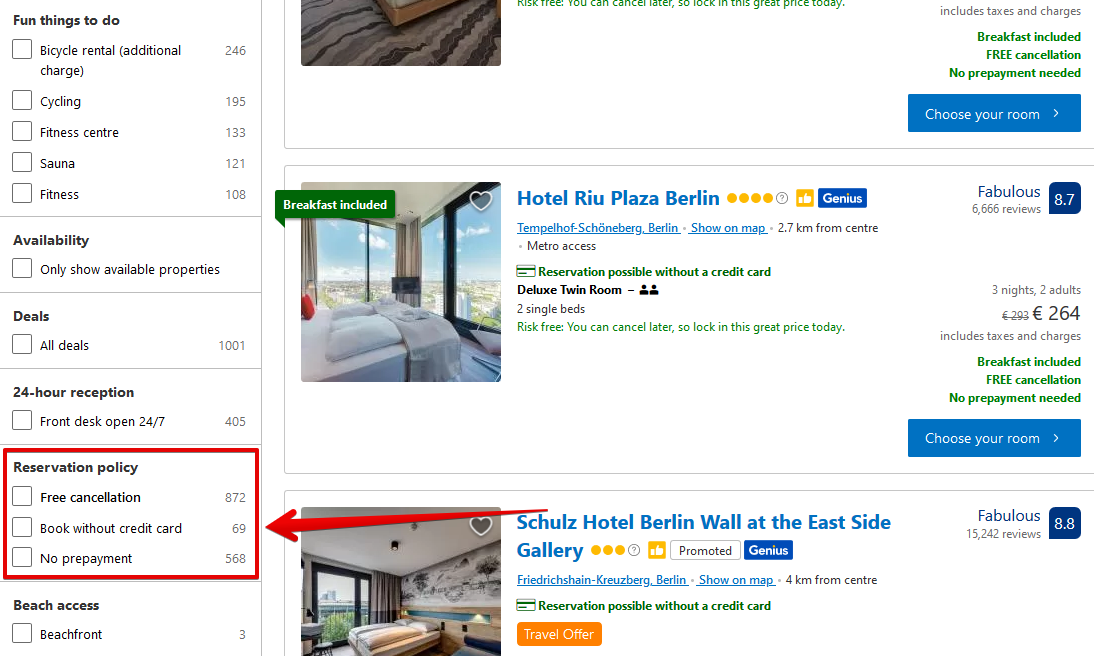
The travel industry, from booking flights to securing your lodging, has long been intertwined with credit card usage. This is primarily due to the security and convenience they offer both travelers and businesses. However, as the travel landscape evolves and more diverse payment methods emerge, the reliance on credit cards is not as monolithic as it once was. Let’s explore the nuances of this common travel query.
The Role of Credit Cards in Hotel Bookings
Credit cards have become the default payment method for many hotel bookings for several compelling reasons. Their widespread acceptance, coupled with features like fraud protection and the ability to hold reservations without immediate funds transfer, makes them a favored choice.
Why Hotels Prefer Credit Cards
Hotels, like many businesses, value security and predictability in their transactions. Credit cards offer a robust system that benefits them in several ways:
- Guaranteed Payment and Holds: When you book a hotel room, especially for popular destinations like Paris or during peak seasons, hotels often require a credit card to guarantee your reservation. This means that even if you arrive late or are a no-show, they can charge a cancellation fee. Furthermore, hotels may place a temporary hold (authorization) on your card for the estimated cost of your stay, plus an amount for incidentals like room service or mini-bar charges. This ensures that funds are available to cover potential expenses, reducing the risk for the hotel.
- Fraud Prevention: Credit card companies offer advanced fraud detection and protection mechanisms. For hotels, this translates to a lower risk of chargebacks and fraudulent bookings compared to other payment methods. The credit card network handles the verification of cardholder identity and the security of the transaction itself.
- Streamlined Operations: The integration of credit card processing systems into hotel booking platforms and at the front desk simplifies transactions. It allows for quick check-ins and check-outs, with charges being processed efficiently. This operational ease is a significant factor in why credit cards are so prevalent.
- Loyalty Programs and Perks: Many hotels and credit card companies have partnerships that offer rewards, such as points, miles, or discounts, to travelers who use specific cards. This incentivizes card usage for both parties. For example, a stay at the Bellagio Las Vegas might earn you significant rewards on a travel-focused credit card.
The Credit Card Hold Explained
A common practice when booking a hotel with a credit card is the “hold” or “authorization.” This is not a charge but a temporary reservation of funds on your credit card. The amount is usually equivalent to the room rate plus an estimated amount for incidentals. This hold prevents you from using that portion of your credit limit for other purchases until the hotel releases it, typically after you check out and your final bill is settled. It’s essential to understand that this hold is a standard procedure and should not be confused with the final charge. The duration of the hold release can vary depending on your bank and the hotel’s processing times.
Alternatives to Using a Credit Card for Hotel Bookings
While credit cards are convenient, they are not always a prerequisite for booking a hotel. Several alternative payment methods and booking strategies can be employed, especially for budget-conscious travelers or those who prefer to avoid credit.
Debit Cards: A Viable Option?
Debit cards are often seen as a close alternative to credit cards, and in many cases, they can be used to book hotels. However, there are key differences to be aware of:
- Direct Fund Deduction: Unlike credit cards, which allow you to borrow funds, debit cards draw money directly from your bank account. This means that when a hotel places a hold on your debit card, it’s actually deducting that amount from your available balance. This can impact your immediate spending power.
- Availability of Funds: You must have sufficient funds in your bank account to cover the hold and the final charges. If your account balance is insufficient, the booking might be declined, or the hotel might impose additional fees.
- Hold Release Times: The release of a hold on a debit card can sometimes take longer than with a credit card, as it involves interbank transactions. This can tie up your funds for an extended period, potentially affecting your ability to manage your daily expenses.
- Limited Protections: Debit cards generally offer fewer consumer protections against fraud and unauthorized transactions compared to credit cards. While banks may offer some recourse, the process can be more complex.

Despite these considerations, many hotels do accept debit cards for bookings. It’s always advisable to check the hotel’s specific policy or call the front desk to confirm their acceptance of debit cards and their procedures for holds. For example, a smaller, independent hotel might be more flexible than a large chain like the Marriott International.
Cash and Other Payment Methods
For travelers who prefer not to use cards at all, or for those booking directly at the hotel, cash payments are sometimes an option, though less common for initial bookings.
- Paying with Cash at Check-in: Some hotels may allow you to pay your entire bill in cash upon arrival or check-in. This often requires you to pay a substantial deposit upfront to cover the room rate and incidentals, as the hotel still needs a form of security. The amount of the deposit can be significant, so be prepared.
- Prepaid Cards and Gift Cards: Prepaid debit cards or hotel-specific gift cards can sometimes be used for bookings. However, their usability for holds can be limited. A hotel may accept a prepaid card for the final payment but might require a traditional credit card for the incidental hold. Always verify this with the hotel beforehand.
- Digital Wallets and Payment Apps: Services like PayPal or Apple Pay are becoming increasingly integrated into online booking platforms. While these can facilitate payments, they often link to a credit card or bank account, so the underlying payment method still matters. Some platforms might allow direct debit from a linked bank account via these services.
- Bank Transfers: In certain regions or for specific types of accommodation, such as long-term stays or through independent booking platforms, bank transfers might be an option. This typically involves sending the funds directly to the hotel’s bank account in advance. This method requires careful coordination and confirmation to ensure the booking is secured.
Navigating Hotel Booking Without a Credit Card
For travelers who find themselves without a credit card or simply prefer not to use one, several strategies can help secure a hotel booking.
Booking Directly with the Hotel
Often, the most flexible approach is to bypass online travel agencies (OTAs) and book directly with the hotel.
- Phone Reservations: Calling the hotel directly is a classic and effective method. During the conversation, you can openly discuss your payment preferences. They may be willing to accept a debit card with a reduced hold, a significant cash deposit, or even arrange for a bank transfer if you are booking well in advance.
- In-Person Booking: If you are already in the destination, visiting the hotel in person to make a booking and pay a deposit can be a straightforward way to secure accommodation without a credit card. This is particularly feasible if you are on a business trip to New York City and can arrange for your company to handle the payment.
Utilizing Alternative Accommodation Platforms
Beyond traditional hotels, various platforms offer accommodation options that might have more flexible payment policies.
- Vacation Rentals: Websites like Airbnb often allow for a wider range of payment methods, including debit cards and sometimes even direct bank transfers, depending on the host’s settings and the platform’s policies. Booking a villa in Tuscany might be easier without a credit card through such platforms.
- Hostels and Guesthouses: Smaller establishments like hostels or local guesthouses might be more amenable to alternative payment methods. They often operate with more flexible administrative structures and may be happy to accept cash deposits or debit card payments directly.

Understanding Hotel Policies
The most critical step for anyone trying to book without a credit card is thorough research.
- Read the Fine Print: Always check the hotel’s booking policy on their website, especially the sections on payment and cancellations. This will outline their accepted payment methods and any specific requirements.
- Contact the Hotel Directly: If the website is unclear or you have specific concerns, contact the hotel’s reservations department or front desk directly. Asking questions about their policies on debit cards, cash deposits, and holds will give you the clearest picture. For instance, if you’re planning a trip to see the Great Wall of China, understanding payment for your stay in a nearby town is essential.
Ultimately, while credit cards offer a streamlined experience for booking hotels, they are not an insurmountable barrier. With a bit of planning, communication, and an understanding of the available alternatives, you can successfully secure your accommodation for your next adventure, whether it’s a relaxing beach holiday in the Maldives or an urban exploration of Tokyo.
LifeOutOfTheBox is a participant in the Amazon Services LLC Associates Program, an affiliate advertising program designed to provide a means for sites to earn advertising fees by advertising and linking to Amazon.com. Amazon, the Amazon logo, AmazonSupply, and the AmazonSupply logo are trademarks of Amazon.com, Inc. or its affiliates. As an Amazon Associate we earn affiliate commissions from qualifying purchases.