
Embarking on a new adventure, whether it’s a year-long backpacking trip across Europe, a move to a new city, or the exciting transition to a digital nomad lifestyle, often involves streamlining your possessions. For many in the Lone Star State, this means making the crucial decision to sell their car. While the thought of exploring ancient ruins or lounging on sun-drenched beaches might fill your head, the practicalities of divesting assets like your vehicle need careful attention. One of the most common questions that arises during this process, especially in Texas, is: “Where do I sign the title when selling my car?”
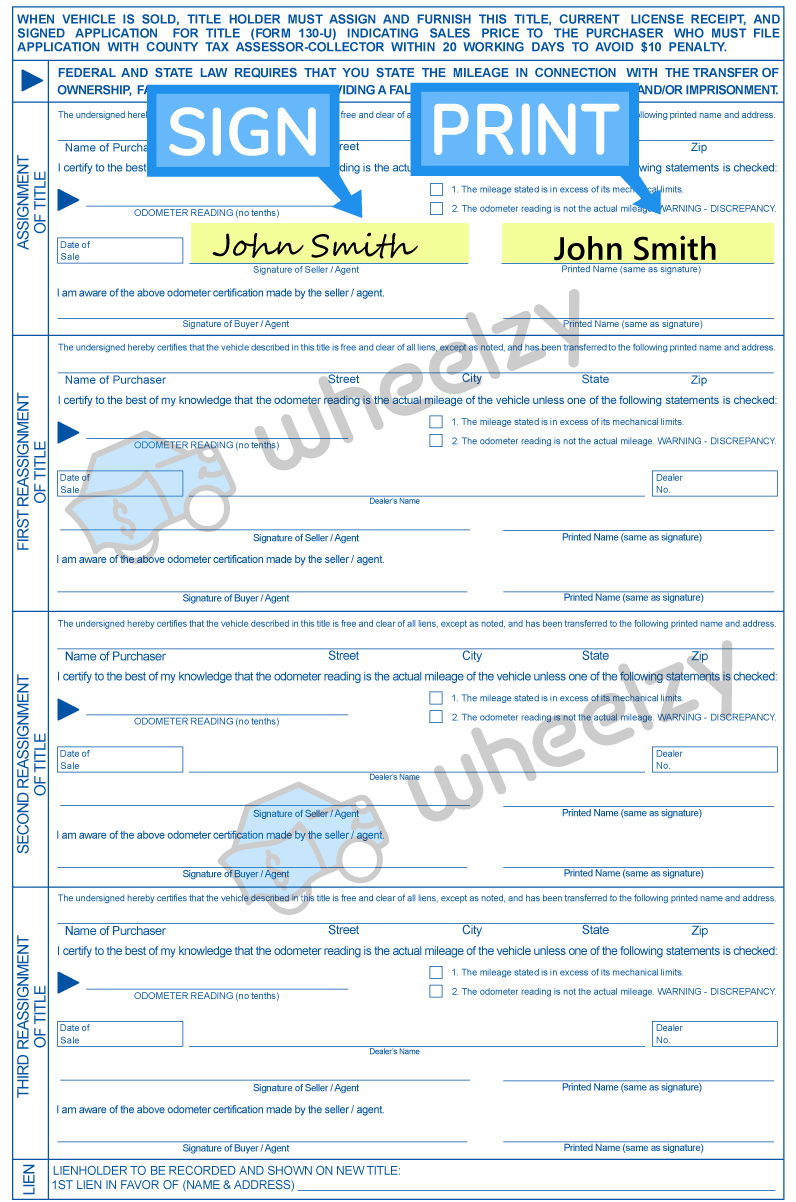
Selling your car in Texas isn’t just about handing over the keys and wishing the buyer well. It’s a legally binding transaction that requires meticulous attention to detail, particularly concerning the vehicle’s title. This document is the ultimate proof of ownership, and its proper transfer is paramount to avoid future liabilities and ensure a smooth transition for both seller and buyer. For those of us living a “life out of the box,” understanding these bureaucratic nuances is just as important as knowing how to book the best accommodation or find the most authentic local cuisine. It’s all part of managing your lifestyle effectively, freeing you up to focus on the grander adventures ahead.
This comprehensive guide will walk you through every critical step of signing your car title in Texas, ensuring you’re well-prepared for your next journey, wherever it may take you. From understanding the key sections of the title to the importance of a bill of sale and post-sale responsibilities, we’ll cover it all. Let’s dive in, so you can confidently sell your car and focus on planning your next great escape.
Navigating the Texas Car Sale for Your Next Adventure
For many, selling a car marks a significant pivot point in life. It might signify a move away from car dependency in favor of public transport in bustling cities like New York or London, or perhaps it’s to fund a dream trip that requires a significant financial commitment. Whatever your motivation, the process in Texas is straightforward once you know the rules. It starts with a clear understanding of the vehicle title itself.
Understanding the Texas Vehicle Title
The Texas Certificate of Title is more than just a piece of paper; it’s the legal backbone of your vehicle’s identity. It contains vital information about the car, including its Vehicle Identification Number (VIN), make, model, year, and most importantly, the legal owner(s). When you sell your car, you are essentially transferring this legal ownership to the new buyer.
Before you even meet a potential buyer, take the time to locate your vehicle title and inspect it. Ensure your name (or names, if there are multiple owners) is accurately listed as the legal owner. If the title is lost or damaged, you’ll need to apply for a replacement title through the Texas Department of Motor Vehicles (TxDMV). This is a crucial first step that can delay your sale and, consequently, your travel plans if not handled promptly. Think of it like securing your passport before an international trip – you wouldn’t leave it until the last minute!
The Seller’s Essential Steps
Preparation is key when selling your car. Beyond cleaning the vehicle and gathering maintenance records, there are specific steps you, as the seller, must take to ensure a legal and hassle-free transaction in Texas.
- Locate the Original Title: As mentioned, this is non-negotiable. Digital titles are not yet the standard for transfer; you need the physical document.
- Understand Your Lien Status: If you still have a loan on your car, the lender (bank or credit union) holds the title. You’ll need to pay off the loan before you can legally transfer ownership. Often, the buyer’s payment will go directly to your lender to release the lien, and then the title will be sent to you or the buyer. This requires coordination with your lender and the buyer, so plan accordingly.
- Complete the “Assignment of Title by Seller” Section: This is where the actual signing takes place. We’ll delve into the specifics of this section shortly.
- Complete the Odometer Disclosure: Federal and state laws require sellers to disclose the vehicle’s odometer reading at the time of sale. This is a critical anti-fraud measure.
- Remove Your License Plates: In Texas, license plates stay with the seller, not the vehicle. You must remove them and either transfer them to a new vehicle (if you’re buying one) or surrender them to your county tax assessor-collector’s office. Failure to do so could result in tolls or citations issued to you after the sale.
- Provide a Bill of Sale: While not always strictly required by the TxDMV for title transfer, a detailed bill of sale protects both parties and is highly recommended. It serves as a record of the transaction, including the sale price, date, and signatures.
- File a Vehicle Transfer Notification: Within 30 days of the sale, you must submit a Vehicle Transfer Notification to the TxDMV. This crucial step releases you from liability for the vehicle after the sale, protecting you from future parking tickets, tolls, or accidents involving the car. You can do this online through the TxDMV website. This is your safety net, ensuring your name is officially removed from the vehicle’s records.
Key Sections on the Texas Title for Transfer
The Texas vehicle title is a multi-part document, and each section serves a specific purpose. When selling, you’ll primarily focus on the back of the title. It’s here, amidst various boxes and lines, that the official transfer of ownership occurs.
Assignment of Title by Seller
This is the heart of the title transfer process. Located on the back of the Texas Certificate of Title, this section requires several key pieces of information and, most importantly, your signature.
Here’s a breakdown of what you’ll typically find and need to complete:
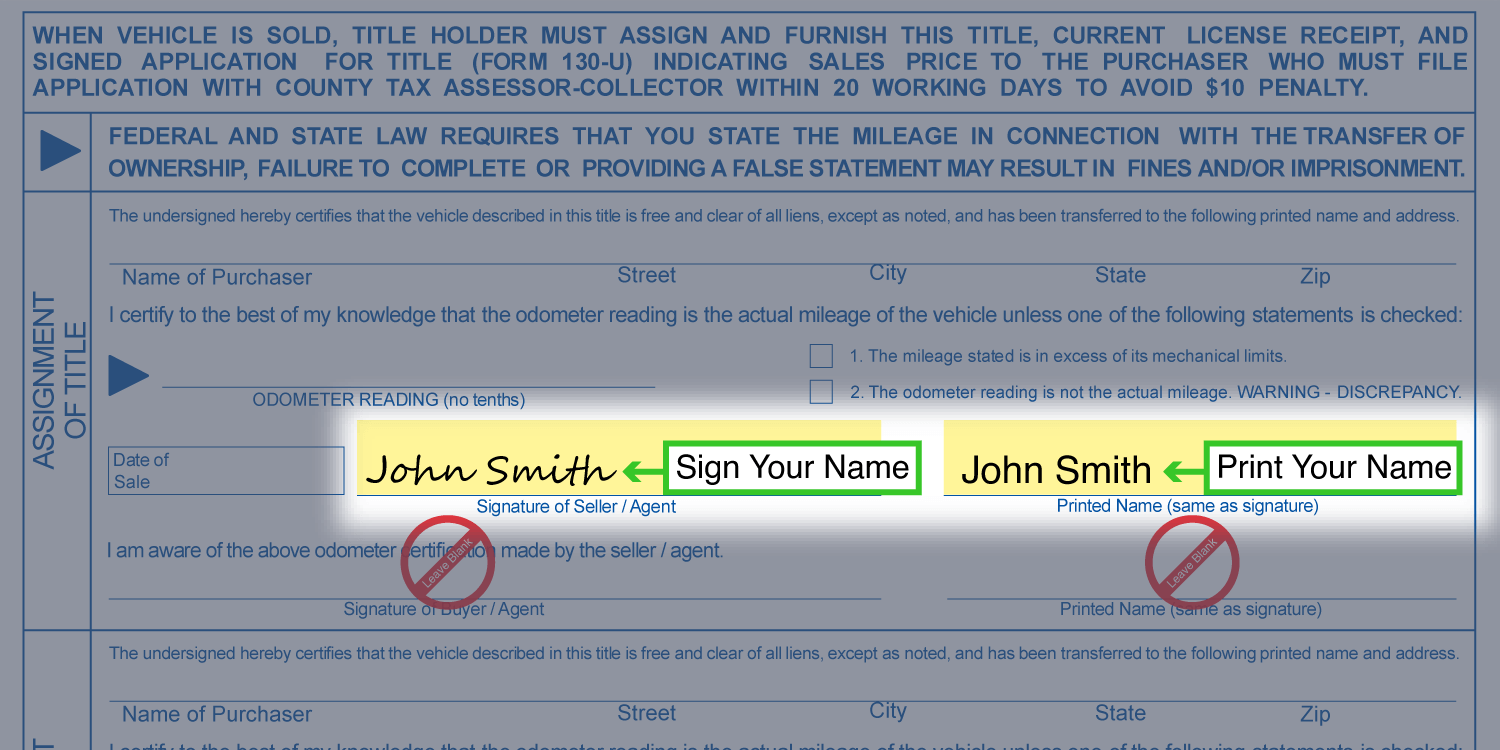
- Printed Name of Seller(s): Your full legal name(s) as it appears on the front of the title.
- Signature of Seller(s): This is the moment of truth. All owners listed on the front of the title must sign this section exactly as their name appears. If there are two owners, for example, John Doe AND Jane Doe, both must sign. If it says John Doe OR Jane Doe, only one is required, though it’s often best for both to sign if present.
- Printed Name of Buyer(s): The full legal name(s) of the person or entity purchasing the vehicle.
- Signature of Buyer(s): The buyer(s) will also sign here, acknowledging receipt of the title and agreeing to the terms.
- Date of Sale: The exact date the transaction took place. This is vital for calculating sales tax and establishing liability.
- Purchase Price: The agreed-upon selling price of the vehicle. Be accurate, as this is used to determine the sales tax the buyer will pay.
- Buyer’s Address: The physical address of the buyer.
Important Signing Tip: Signatures should be made in permanent ink (blue or black is preferred) and legible. Do not use correction fluid or cross out mistakes. If you make an error, it might be necessary to apply for a “Title Correction” or, in severe cases, a replacement title, which can cause significant delays. It’s always best to complete this section carefully and without rush, ideally with the buyer present. This ensures transparency and allows for immediate clarification of any questions. Remember, this document is a legal contract, so treat it with the same seriousness you would a lease agreement for a swanky resort suite.
Odometer Disclosure Statement
Immediately below or adjacent to the Assignment of Title section, you’ll find the Odometer Disclosure Statement. This is a federally mandated section designed to prevent odometer fraud.
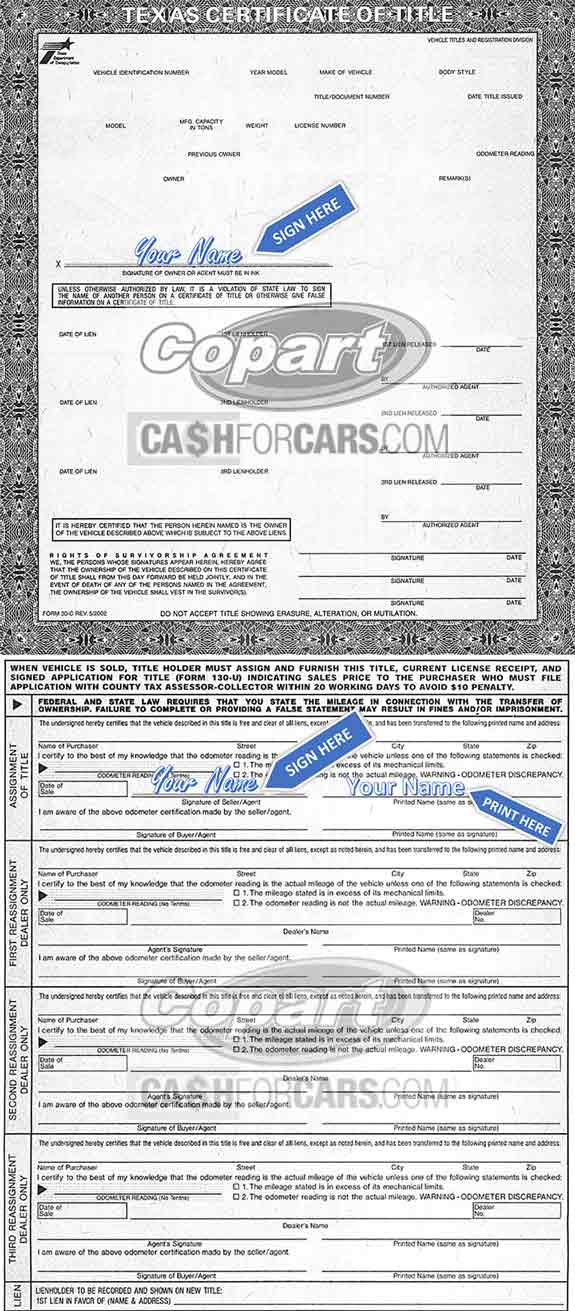
You will need to:
- Enter the Current Odometer Reading: Write down the exact mileage of the vehicle at the time of sale. This reading should be accurate and not include tenths of a mile (e.g., 123,456 miles, not 123,456.7).
- Certify Accuracy: You’ll check a box indicating whether the mileage is:
- “Actual Mileage”: The mileage shown on the odometer is the actual distance the vehicle has traveled. This is the most common scenario.
- “Not Actual Mileage”: The odometer reading differs from the actual mileage, and the difference is greater than that caused by ordinary wear or repair (e.g., the odometer has been rolled back or replaced).
- “Exceeds Mechanical Limits”: The odometer has reached its maximum reading and has rolled over (e.g., a five-digit odometer that reads 10,000 miles after 100,000 miles). This is rare for modern vehicles.
- Seller’s Signature: You, as the seller, must sign here to certify the accuracy of the odometer reading.
- Buyer’s Signature: The buyer also signs here, acknowledging the odometer disclosure.
Note: Vehicles that are 10 years old or older, or vehicles with a Gross Vehicle Weight Rating (GVWR) of more than 16,000 pounds, are often exempt from odometer disclosure requirements in Texas. However, always err on the side of caution and complete the disclosure if unsure, or consult the TxDMV website for the latest regulations.
Releasing the Lien (If Applicable)
If your car had a lien (meaning you had an outstanding loan), the original title would have typically been held by your lender. Once you pay off the loan, the lender will send you a “Release of Lien” document or, in some cases, a new title with the lienholder information removed.
If you receive a separate Release of Lien document, you’ll need to provide this to the buyer along with the signed title. The buyer will then submit both documents to their county tax assessor-collector’s office to prove that the lien has been satisfied and that they can receive a clear title. Make sure you obtain this document from your lender as soon as your loan is paid off. Without it, the buyer cannot successfully transfer the title into their name, potentially derailing your plans to visit Austin’s vibrant music scene or the historic Alamo in San Antonio on your way out of Texas.
Completing the Transaction and Embracing Your New Lifestyle
With the title properly signed and the odometer disclosed, you’re on the home stretch. However, a few more steps are essential to ensure a clean break and protect you as you transition to your new, car-free lifestyle.
The Bill of Sale and Its Importance
While the TxDMV doesn’t strictly require a separate bill of sale for title transfer, it is a universally recommended best practice for private vehicle sales. Think of it as your official receipt and record of the transaction, providing crucial details beyond what’s on the title itself.
A comprehensive bill of sale should include:
- Seller’s Full Name and Address
- Buyer’s Full Name and Address
- Vehicle Information: Make, model, year, VIN, license plate number, and current odometer reading.
- Date of Sale
- Purchase Price: Both in numerical and written form to prevent discrepancies.
- Statement of “As-Is” Sale: Most private car sales are “as-is,” meaning the buyer accepts the vehicle in its current condition with no warranties from the seller. This statement protects you from future claims about the car’s condition.
- Signatures of Both Seller and Buyer: Acknowledging agreement to the terms.
- Witness Signatures (Optional but Recommended): Adds an extra layer of authenticity.
Both you and the buyer should retain a signed copy of the bill of sale. This document is invaluable if any disputes arise later or if the buyer is delayed in transferring the title, providing a clear record of when ownership officially changed hands.
Post-Sale Responsibilities and Travel Planning
Once the papers are signed, the cash (or certified check) is in hand, and the keys are exchanged, your work isn’t quite done. Your final responsibilities as a seller in Texas are crucial for your peace of mind and future travel plans.
- Remove License Plates: As mentioned, these belong to you. Transfer them to another vehicle or surrender them to your local county tax assessor-collector’s office. You wouldn’t want to get a toll bill from a car you no longer own while you’re enjoying the Grand Canyon.
- Cancel Your Insurance: Contact your insurance provider immediately after the sale to cancel the policy on the sold vehicle. There’s no need to pay for coverage on a car you no longer own.
- Submit Vehicle Transfer Notification: This is arguably the most important post-sale step. Submit Form VTR-346, the Vehicle Transfer Notification, to the TxDMV within 30 days of the sale. This notifies the state that you are no longer the owner and helps shield you from liability for tickets, accidents, or other issues incurred by the new owner. You can do this quickly and easily online at the TxDMV website. Don’t skip this, especially if your vision involves exploring Big Bend National Park or living abroad.
- Keep Records: Store copies of the signed title (take photos!), the bill of sale, and the Vehicle Transfer Notification confirmation for your records. This is your personal safety net.
With these steps complete, you can truly breathe a sigh of relief. You’ve successfully navigated the intricacies of selling a car in Texas, freeing up resources and mental space for what truly matters: your next adventure.
Your Journey Beyond the Sale: Travel and New Beginnings
The completion of your car sale in Texas isn’t just an administrative task; it’s a symbolic act, a severing of ties to a previous chapter and a launching pad for new experiences. Whether you’re planning a minimalist trek, a luxurious stay at a Hyatt resort in the Caribbean, or an immersive cultural experience in Mexico, this newfound freedom can be transformative.
Perhaps you’re opting for a life where you primarily use ride-sharing services, public transit, or even walking and cycling, embracing a more sustainable form of tourism in cities like Portland or Amsterdam. Or maybe you’re investing the proceeds into a down payment for an RV, ready to explore the vast National Park Service lands across the United States, from Yellowstone to the Florida Keys.
The “life out of the box” philosophy often involves shedding the unnecessary to gain invaluable experiences. Selling a significant asset like a car in Texas exemplifies this. It’s about optimizing your resources, both financial and mental, so that you can fully immerse yourself in the wonders of the world, whether that’s admiring the Texas State Capitol in Austin, exploring the dynamic Dallas skyline, or experiencing the historic Fort Worth Stockyards.
No matter your chosen path, understanding the practical steps, like where to sign your car title, ensures that your transition is smooth and secure. It paves the way for unforgettable travel experiences, allowing you to fully enjoy the journey ahead, without any lingering worries about past possessions. So, sign that title, file that notification, and open the door to a world of possibility, because your next great adventure is waiting.
LifeOutOfTheBox is a participant in the Amazon Services LLC Associates Program, an affiliate advertising program designed to provide a means for sites to earn advertising fees by advertising and linking to Amazon.com. Amazon, the Amazon logo, AmazonSupply, and the AmazonSupply logo are trademarks of Amazon.com, Inc. or its affiliates. As an Amazon Associate we earn affiliate commissions from qualifying purchases.