
Texas, a state synonymous with wide-open spaces, rugged landscapes, and a rich hunting heritage, offers a unique adventure for outdoor enthusiasts: wild hog hunting. From the rolling hills of the Hill Country to the dense piney woods of East Texas, feral hogs, or wild pigs, are abundant, providing year-round hunting opportunities. But before you pack your gear and head out into the Texas wilderness, a crucial question arises: do you need a license to hunt hogs in Texas? The answer, thankfully for many aspiring hunters, is generally no, but with important nuances and regulations to understand. This guide will delve into the licensing requirements, ethical considerations, and best practices for a successful and legal hog hunt in the Lone Star State.
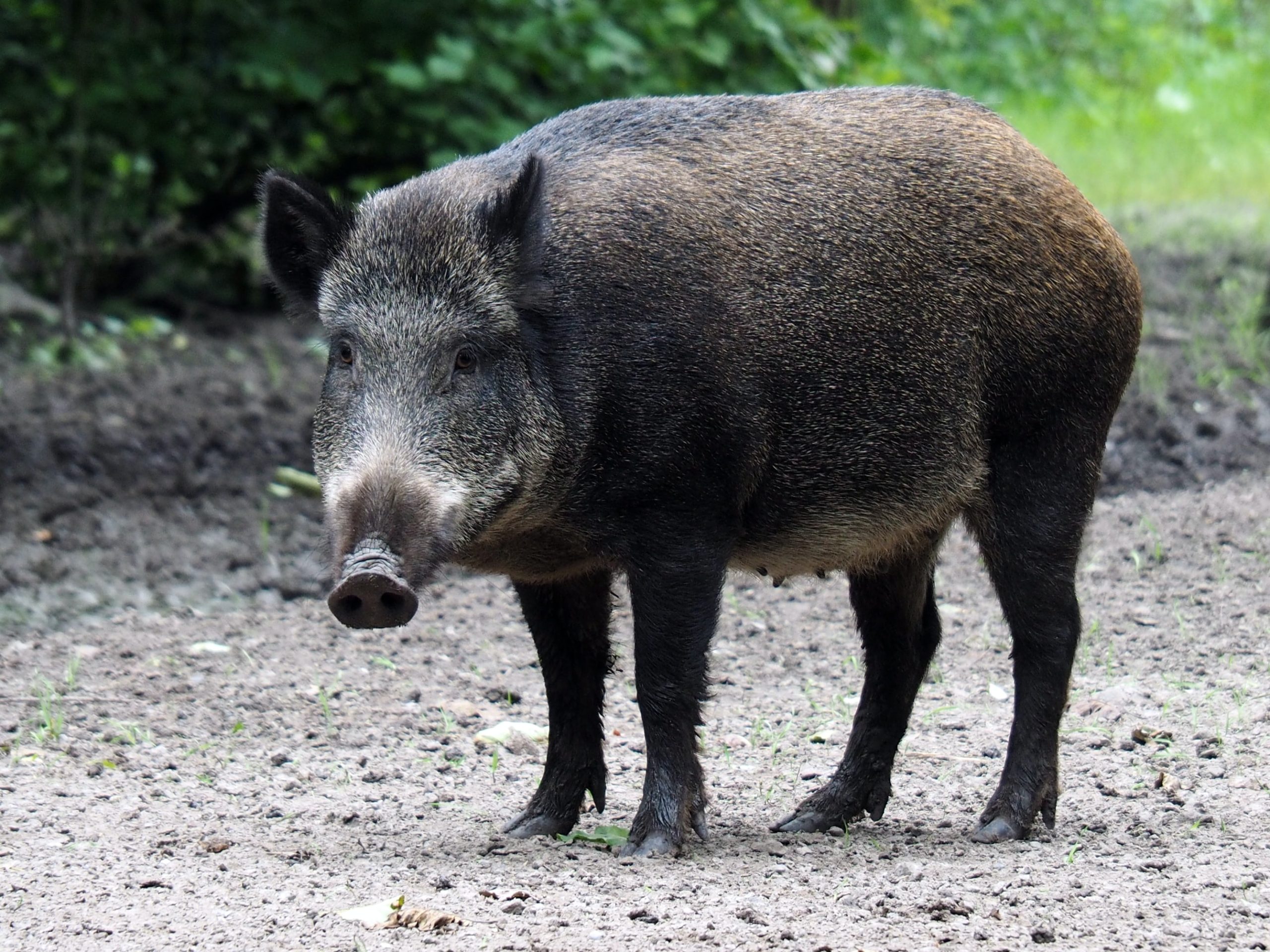
Feral hogs have become a significant presence in Texas, introduced initially for sport and later escaping captivity. Their rapid reproduction rates and adaptable nature have led to widespread populations across almost all 254 counties. While their presence can impact native ecosystems and agricultural lands, they also present a popular and accessible hunting pursuit for both Texans and visitors. Understanding the legal framework surrounding hog hunting is paramount for a responsible and enjoyable experience.
Understanding Texas Hog Hunting Regulations
The core of the licensing question for hog hunting in Texas hinges on their classification by the Texas Parks and Wildlife Department (TPWD). Unlike native game animals such as white-tailed deer or pronghorn antelope, feral hogs are classified as non-game animals. This distinction is key.
Non-Game Animal Status and Licensing
Because feral hogs are not classified as game animals, Texas law generally does not require a hunting license to hunt them. This makes hog hunting one of the most accessible forms of hunting in the state, allowing individuals to pursue these animals without the need for specific stamps or permits beyond landowner permission or a valid hunting lease. This relaxed regulation is a significant draw for individuals looking to gain hunting experience or simply enjoy the thrill of the hunt.
However, it is vital to understand that while a Texas hunting license is not mandated for the act of hunting feral hogs themselves, there are important exceptions and related requirements that must be observed.
Private Land vs. Public Land Hunting
The distinction between hunting on private land and public land is crucial. On private property, provided you have the landowner’s explicit permission or are leasing the land for hunting, you are generally permitted to hunt feral hogs without a Texas hunting license. Landowners often welcome hog hunters as a means of controlling feral hog populations that can cause considerable damage to their land, crops, and livestock.
Hunting on public land in Texas introduces a different set of rules. While feral hogs are still classified as non-game animals, the general access regulations for public hunting lands, managed by the TPWD, may still necessitate a Texas hunting license. This is because access to these areas is often regulated by the TPWD to manage wildlife and ensure fair chase principles. Therefore, if you plan to hunt hogs on a TPWD public hunting unit or an area accessible through a public hunting permit, you will likely need a valid Texas hunting license. Always check the specific regulations for the public land unit you intend to hunt, as these can vary.
Exceptions and Related Requirements
Even though a license may not be required to hunt the hogs themselves, several other Texas regulations and ethical considerations come into play:
- Method of Take: While Texas law is generally permissive regarding methods for taking non-game animals, there are still rules. For instance, spotlighting and shooting from a vehicle are prohibited except under specific circumstances, typically on private property with landowner permission and for predator control purposes (which can include hogs). It is always best to adhere to safe and ethical hunting practices.
- Baiting: The rules regarding baiting are complex and often change. Generally, baiting is prohibited for game animals. However, for non-game animals like feral hogs, baiting is permitted on private land. This means you can legally use feed or other attractants to draw hogs into a shooting location on private property. This is a significant advantage for hunters as it can greatly increase the chances of a successful hunt. However, it is essential to be aware of any specific county or local ordinances that might restrict baiting.
- Protected Species: It is absolutely imperative that hunters can accurately identify their target. While feral hogs are plentiful, it is illegal to hunt or harm any protected native Texas wildlife. This includes animals like javelinas, which can sometimes be mistaken for young hogs by inexperienced hunters. Always be 100% sure of your target before taking a shot.
- Conservation Efforts: While feral hogs are considered a nuisance by many, responsible hunting practices are encouraged. This includes not wasting harvested animals and ensuring proper field dressing and disposal of carcasses. Many hunters utilize every part of the hog, from the meat for consumption to the hide.
Preparing for Your Texas Hog Hunt
A successful and enjoyable hog hunting trip in Texas involves more than just understanding the licensing requirements. Proper planning, preparation, and respect for the environment are key.
Choosing Your Hunting Location

Texas offers a diverse range of habitats where feral hogs thrive, providing various hunting experiences:
- The Hill Country: This region, known for its scenic beauty, rolling hills, and abundant oak trees, is a prime location for hog hunting. The abundant food sources, such as acorns, support large hog populations. Many ranches in the Hill Country offer guided hunts.
- East Texas: With its dense piney woods and numerous water sources, East Texas also boasts a significant hog population. This terrain can offer excellent stalking opportunities.
- South Texas: The brush country of South Texas provides a rugged and challenging environment for hunters, with hogs often found near mesquite thickets and water.
- Public Hunting Lands: For those without access to private land, Texas offers several public hunting areas. These can be excellent opportunities, but remember to check the specific license and access requirements for each location, as mentioned earlier. Websites for Texas Parks and Wildlife will detail these opportunities and regulations.
When selecting a hunting spot, consider whether you prefer a guided hunt on a commercial ranch, hunting with friends on leased land, or exploring public hunting options. Each offers a different experience and requires varying levels of planning.
Essential Gear and Safety
Beyond your firearm or bow of choice, several other items are essential for a hog hunt in Texas:
- Appropriate Firearm/Bow: For hogs, a rifle chambered in a suitable caliber (e.g., .223 Remington, .308 Winchester, .30-06 Springfield) or a modern compound bow with appropriate draw weight is recommended. Ensure you are proficient with your chosen weapon.
- Ammunition/Arrows: Bring plenty of ammunition or arrows.
- Clothing: Durable, camouflage clothing is essential for concealment. Consider waterproof and insulated layers depending on the season and location. Sturdy hunting boots are a must.
- Optics: Binoculars are invaluable for glassing large areas and spotting game from a distance. A good scope on your rifle is also crucial for accurate shots.
- Navigation Tools: A GPS device, compass, and detailed maps of the hunting area are vital, especially if you are hunting in unfamiliar territory. Cell service can be spotty in remote areas.
- First-Aid Kit: Always carry a well-stocked first-aid kit for any minor injuries.
- Game Processing Gear: If you plan to process your hog in the field, bring a sharp hunting knife, game bags, and possibly a portable saw.
- Water and Food: Stay hydrated and nourished, especially during long days in the field.
- Insect Repellent: Texas can have significant insect populations, including ticks and mosquitoes, so repellent is a good idea.
- Wipes and Sanitizer: For hygiene in the field.
Safety should always be the top priority. Always treat every firearm as if it were loaded. Be aware of your surroundings, including other hunters, livestock, and potential hazards. If hunting with others, establish clear communication protocols and safety zones. Never take a shot if you are not 100% certain of your target and what lies beyond it.
Ethical Hunting and Hog Management
Responsible hunting goes beyond simply following the rules; it involves a commitment to ethical practices and understanding the role of hunting in wildlife management.
Respect for Wildlife and Landowners
Whether you are hunting on private land with the owner’s invitation or on public land, respect for the environment and its inhabitants is paramount. This means leaving the land as you found it, packing out all trash, and being mindful of livestock or other wildlife.
For private land hunts, maintaining a good relationship with the landowner is crucial. This involves adhering to their specific rules, reporting your successes, and ensuring you are not causing any undue disturbance or damage.
Field Dressing and Carcass Disposal
Proper field dressing and carcass disposal are essential for both meat preservation and environmental hygiene. After a successful harvest, it’s important to field dress the hog promptly to cool the meat and prevent spoilage. Texas Parks and Wildlife provides resources on safe game processing and carcass disposal guidelines. This often involves burying carcasses at a sufficient depth or transporting them to designated disposal sites to prevent the spread of disease and minimize attracting scavengers to areas where they might cause issues.

The Role of Hog Hunting in Management
Feral hogs, while a popular game animal, are considered an invasive species in Texas due to the significant damage they inflict on agriculture, native habitats, and native wildlife. They root up land, destroy crops, spread disease, and compete with native species for food and resources. Therefore, hunting plays a vital role in managing their populations. Hunters contribute to conservation efforts by helping to control their numbers and mitigate their negative impacts. By participating in hog hunting, you are actively contributing to the ecological health of Texas.
In conclusion, the question of whether a license is needed to hunt hogs in Texas is generally answered with a “no” for private land situations. However, the nuances of public land access, the importance of landowner permission, and the adherence to safe and ethical hunting practices are critical. Armed with this knowledge, you can embark on your Texas hog hunting adventure with confidence and a deep respect for the land and its wild inhabitants. Whether you’re staying at a cozy cabin near the Guadalupe River, exploring the vast ranches near San Antonio, or seeking adventure in the Big Bend National Park region (though hog hunting is not permitted within the national park boundaries themselves, surrounding areas may offer opportunities), understanding these regulations ensures a responsible and rewarding experience. Remember to always consult the latest Texas Parks and Wildlife Department regulations before embarking on any hunting trip.
LifeOutOfTheBox is a participant in the Amazon Services LLC Associates Program, an affiliate advertising program designed to provide a means for sites to earn advertising fees by advertising and linking to Amazon.com. Amazon, the Amazon logo, AmazonSupply, and the AmazonSupply logo are trademarks of Amazon.com, Inc. or its affiliates. As an Amazon Associate we earn affiliate commissions from qualifying purchases.