
Bringing a new life into the world is a transformative experience, fundamentally altering a family’s lifestyle, priorities, and even their ability to pursue passions like travel or navigate professional obligations. For expectant and new parents residing in the Golden State, understanding how maternity leave works in California is not just about legal compliance; it’s about charting a course for a balanced lifestyle that accommodates new family dynamics while still allowing for personal and professional aspirations. California is renowned for its progressive employment laws, offering some of the most comprehensive maternity and parental leave protections in the United States. These policies directly influence everything from a family’s financial stability during a critical period to their ability to plan future family adventures, whether a weekend getaway to Napa Valley or a longer trip exploring the scenic coastline.
Navigating the intricacies of maternity leave can seem daunting, with various state and federal laws intertwining to provide a safety net for parents. This guide will demystify the components of maternity leave in California, explaining how these provisions support new parents in maintaining their lifestyle, manage finances, and plan for the exciting journey ahead, impacting everything from budgeting for baby essentials to saving for that first family vacation.
Understanding California’s Maternity Leave Landscape for a Balanced Lifestyle
California’s approach to maternity leave is layered, combining federal mandates with state-specific enhancements that aim to provide robust support for parents. This comprehensive framework is designed not only to protect job security but also to offer financial assistance during a period of reduced income, thereby safeguarding a family’s lifestyle choices and preventing undue financial strain that could derail plans for family trips or career progression.
The Foundation: State and Federal Protections
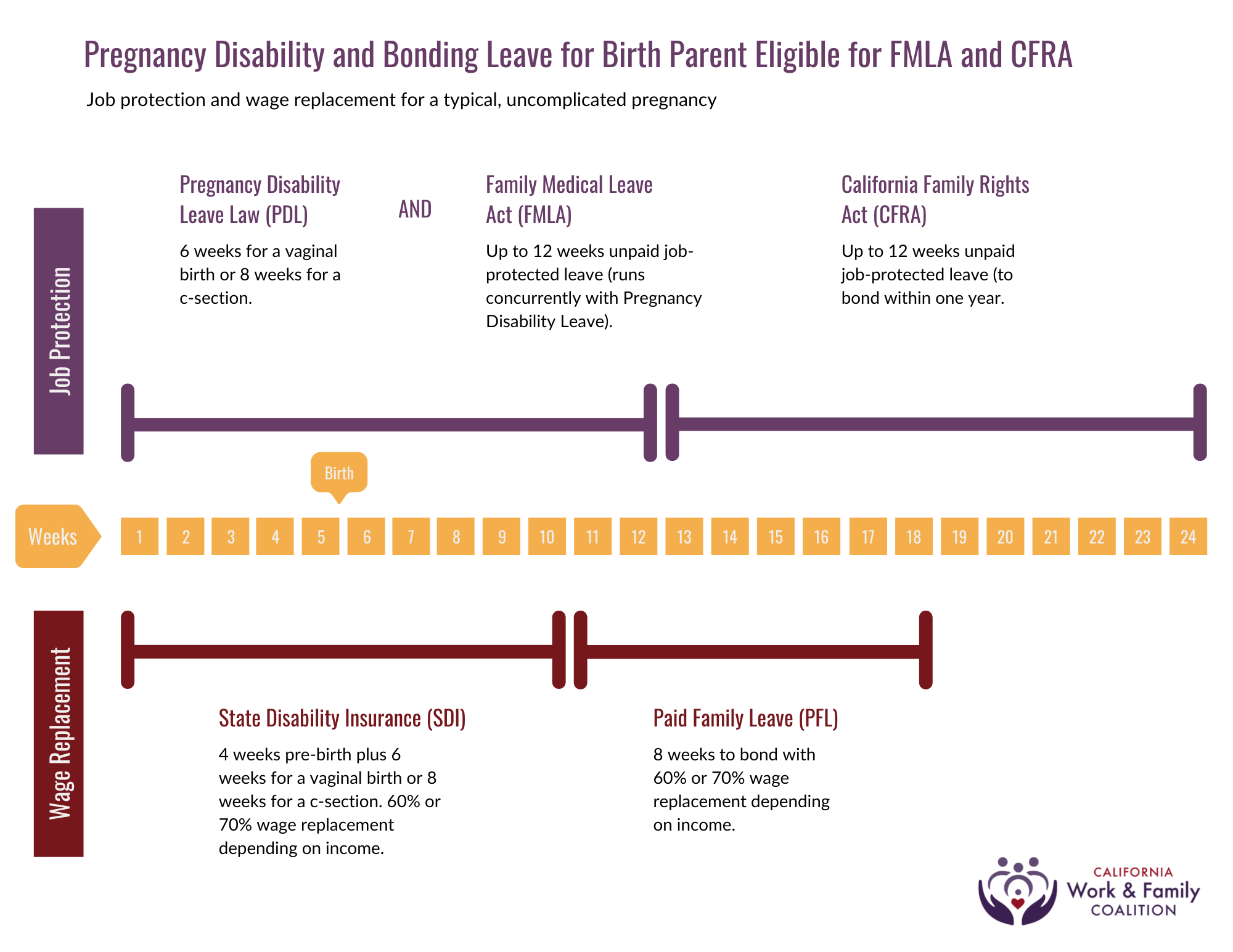
At the federal level, the Family and Medical Leave Act (FMLA) provides eligible employees with up to 12 weeks of unpaid, job-protected leave for specific family and medical reasons, including the birth or adoption of a child. To qualify, an employee must have worked for their employer for at least 12 months, accumulated 1,250 hours of service during the previous 12 months, and work at a location where the employer has 50 or more employees within 75 miles. While federal law ensures job protection, it doesn’t guarantee paid leave, which is where California’s state laws step in to offer additional benefits.
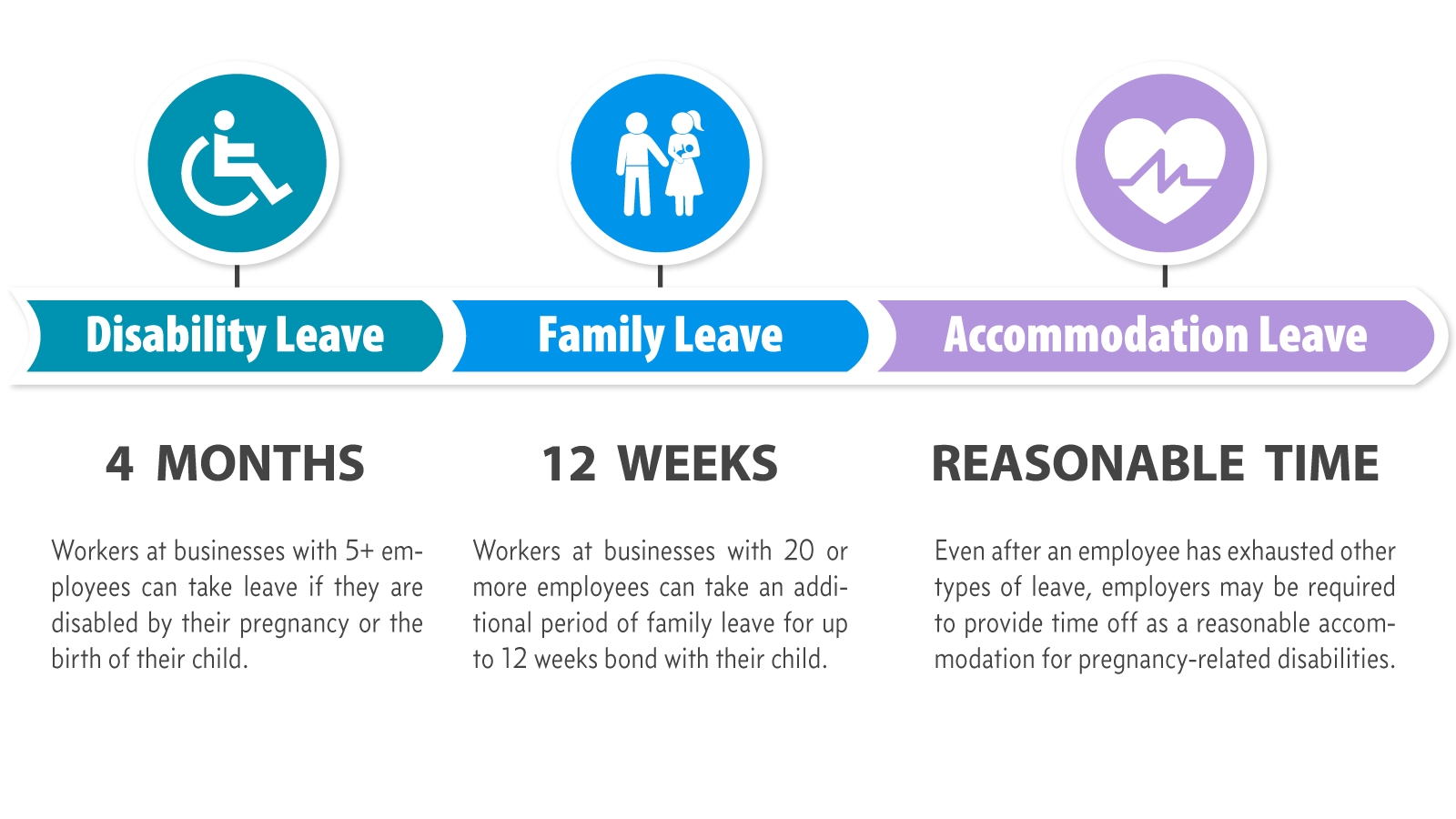
California augments FMLA with its own robust legislation. The California Family Rights Act (CFRA) offers similar protections to FMLA, providing up to 12 weeks of job-protected leave for bonding with a new child. Notably, CFRA applies to employers with five or more employees, extending its reach to many smaller businesses not covered by FMLA, which is a significant factor for those considering entrepreneurial endeavors or working in specialized niches across cities like San Francisco or Los Angeles. The Pregnancy Disability Leave (PDL) law is another crucial California protection, granting up to four months of job-protected leave for employees disabled by pregnancy, childbirth, or related medical conditions. This leave runs concurrently with FMLA but is separate from CFRA, allowing for a longer overall leave period for many mothers. For instance, a mother could take four months of PDL, followed by 12 weeks of CFRA, totaling around seven months of protected leave.
Beyond these, the New Parent Leave Act (NPLA) applies to smaller employers (20-49 employees), granting 12 weeks of job-protected leave for bonding with a new child. This ensures that even in smaller firms, often found in vibrant communities or tech startups, employees have the ability to take time off without fear of losing their position. The overall landscape demonstrates California’s commitment to supporting parents, offering peace of mind that enables families to plan for their immediate needs and long-term lifestyle goals, including potential travel with their newest family member.
Key Benefits: Paid Family Leave and State Disability Insurance
While the aforementioned acts primarily provide job protection, California also leads the nation in offering financial support during parental leave through its Paid Family Leave (PFL) and State Disability Insurance (SDI) programs. These programs are vital for maintaining a family’s financial equilibrium, allowing parents to focus on caregiving without the immediate stress of lost income, thus preserving their ability to maintain their desired lifestyle and even consider family trips post-leave.
State Disability Insurance (SDI) provides wage replacement benefits to eligible workers who are unable to work due to a non-work-related illness or injury, which includes pregnancy and childbirth. For mothers, SDI typically covers the period of physical recovery from childbirth, usually 6 weeks for a vaginal delivery and 8 weeks for a C-section, sometimes longer if there are complications. Benefits are approximately 60-70% of an employee’s regular wages, up to a maximum weekly amount. This financial assistance is crucial, allowing families to cover living expenses, including childcare or even contributing to a “baby moon” fund before the little one arrives.
Following SDI, eligible parents can transition to Paid Family Leave (PFL). PFL provides up to eight weeks of partial wage replacement benefits for individuals who need to take time off work to bond with a new child (birth, adoption, or foster care placement). Both parents can take PFL, either concurrently or consecutively, offering flexibility that can be critical for family planning, including managing the logistics of a family trip to San Diego or even coordinating business travel around a partner’s leave. The benefits are calculated similarly to SDI, providing a significant financial buffer. These paid leave programs are funded through employee payroll deductions, making them accessible to a broad range of workers across California’s diverse economy, from the tech hubs to the agricultural valleys.
Navigating Maternity Leave’s Impact on Family Travel and Lifestyle Choices
Maternity leave is more than just time off work; it’s a profound period of adjustment that reshapes a family’s daily life, financial landscape, and future aspirations. For families with a passion for travel or demanding professional lives, understanding how California’s maternity leave policies intersect with these lifestyle elements is key to seamless integration.
Financial Planning: Budgeting for New Parenthood and Future Adventures
The financial support provided by SDI and PFL is a cornerstone for maintaining a desired lifestyle during parental leave. While not a full wage replacement, these benefits significantly mitigate the financial shock of reduced income. This allows families in California to budget not only for immediate baby-related expenses but also to plan for longer-term goals, such as saving for a future “family trip” or maintaining an emergency fund. For instance, knowing you’ll receive 60-70% of your wages for several months can make the difference between putting a planned family vacation on hold indefinitely and simply adjusting its scope or timing.
Smart financial planning during maternity leave can involve setting up separate savings for travel, researching budget-friendly travel options, or even investing in travel insurance for future trips. For those accustomed to luxury travel, maternity leave might prompt a temporary shift to budget travel strategies, exploring local attractions like Yosemite National Park or the beaches near Santa Barbara instead of international destinations. Ultimately, the stability offered by California’s paid leave programs empowers parents to make conscious lifestyle choices rather than having them dictated by financial constraint.
Time Off Considerations: Balancing Recovery, Bonding, and Travel Dreams
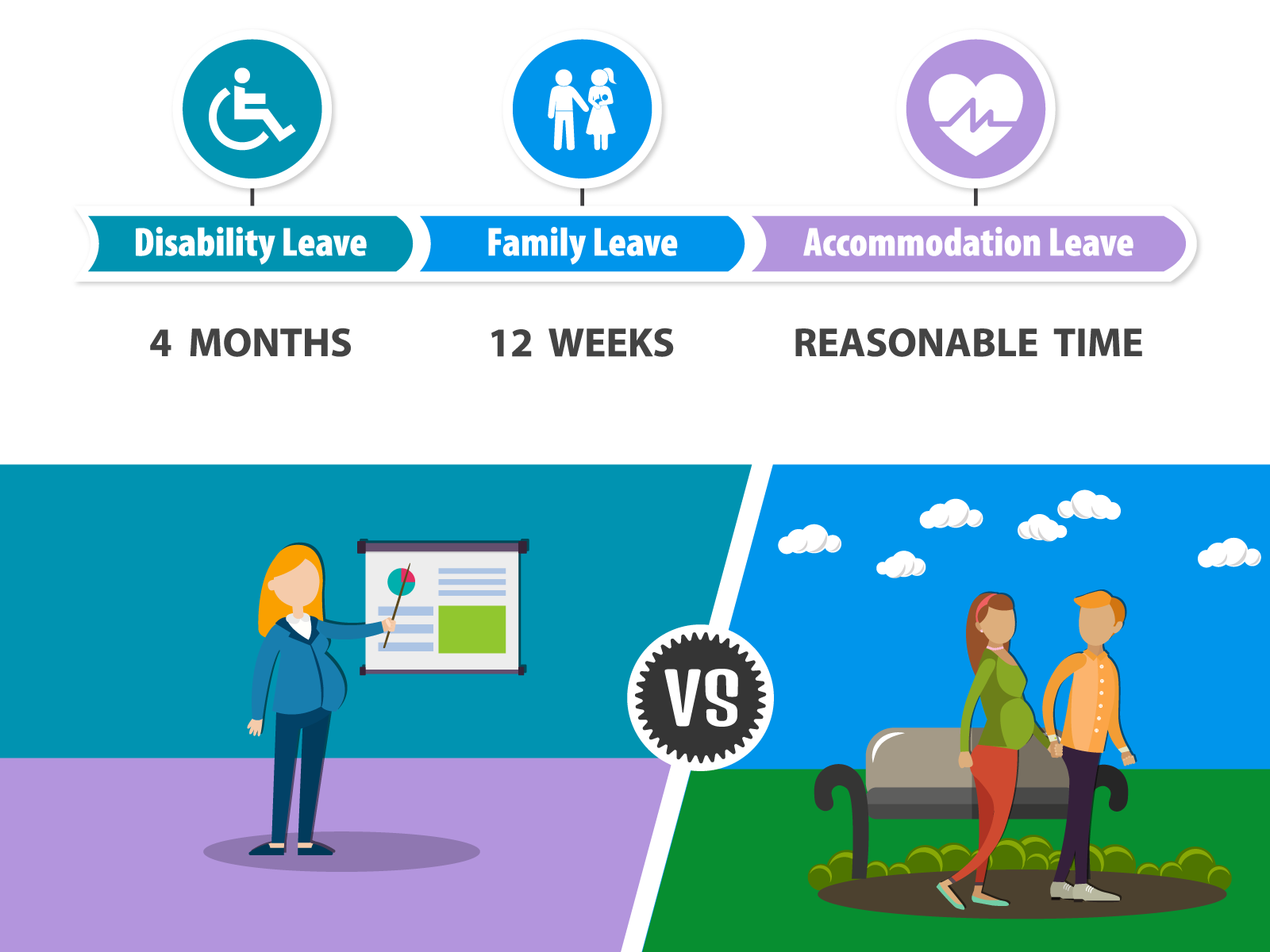
The combined duration of pregnancy disability leave and parental bonding leave in California can amount to several months, offering a substantial window for recovery, bonding, and family adjustment. This extended period is invaluable for new parents, allowing them to truly immerse themselves in their new role without the immediate pressure of returning to work. For travel enthusiasts, this also presents a unique opportunity to plan that first family trip. Whether it’s a short, accessible getaway to Palm Springs or a more ambitious road trip through the state’s national parks, the flexibility of California leave policies enables parents to think creatively about how to integrate travel into their new family lifestyle.
However, careful planning is essential. New parents must consider their physical recovery, the baby’s feeding and sleep schedule, and travel logistics when contemplating trips. The generous leave period in California provides the luxury of being able to postpone travel until both parent and baby are ready, rather than rushing due to limited time off. It also supports different models of leave-taking, such as intermittent leave for PFL, which can be useful for extending time off or gradually easing back into work while still enjoying family time or short excursions.
Employer Responsibilities and Employee Rights: Ensuring a Smooth Transition
A seamless maternity leave experience is a two-way street, requiring clear communication and adherence to legal obligations from both employees and employers. Understanding these rights and responsibilities is crucial for new parents to confidently step away from their professional lives and embrace their new family lifestyle, knowing their job and benefits are secure.
Communicating with Your Employer for a Stress-Free Return
Proactive and open communication with your employer is paramount. While California laws provide robust protections, employees generally need to give advance notice for planned leaves. For pregnancy disability, employees should notify their employer as soon as practicable, ideally at least 30 days before the leave begins if it’s foreseeable. For CFRA/PFL bonding leave, similar notice is required. This allows employers to plan for coverage during the absence and ensures a smooth transition both when you leave and when you return.
A clear understanding of your company’s specific policies, alongside state and federal laws, is beneficial. Many employers in California, particularly larger corporations in cities like San Jose or Sacramento, may offer benefits that exceed statutory requirements, such as extended paid leave or additional parental support programs. Discussing these options with HR can significantly enhance your maternity leave experience and directly impact your family’s lifestyle during this period, potentially freeing up resources for family trips or other leisure activities. Furthermore, maintaining contact during leave, as mutually agreed upon, can facilitate a smoother re-entry to the workplace.
Beyond Leave: Flexible Work Arrangements and Their Lifestyle Benefits
Upon returning from maternity leave, parents in California may also benefit from the state’s progressive stance on flexible work arrangements, which further supports a balanced lifestyle. The Fair Employment and Housing Act (FEHA) requires employers to reasonably accommodate employees with conditions related to pregnancy or childbirth, which can include modified work schedules, telecommuting, or reassignment. While not explicitly mandated for all parents returning from leave, many employers are increasingly open to flexible work options, recognizing the importance of work-life balance for retention and productivity.
These arrangements can have a profound impact on a family’s lifestyle. A flexible schedule, for instance, might allow a parent to manage childcare more effectively, attend school events, or even squeeze in short, local family outings during the week. The ability to work remotely, a trend accelerated globally, also opens up possibilities for “workcations” or extended stays in different locales, blurring the lines between business stays and family trips. By fostering an environment where parents can integrate their professional responsibilities with their family life, California employment practices contribute significantly to a healthier, more fulfilling lifestyle for its residents.
Planning for the Future: Post-Leave Lifestyle and California Living
The period immediately following maternity leave is another crucial transition, where new parents continue to integrate their professional lives with the demands and joys of parenthood. California’s framework for parental support, combined with its diverse offerings, empowers families to design a post-leave lifestyle that is both rewarding and manageable.
Integrating Travel and Family Life
For many, the desire to travel doesn’t diminish with parenthood; it simply evolves. Maternity leave helps bridge the gap, allowing families to adapt and plan. After navigating the initial months of new parenthood, families often find a renewed desire to explore. California’s vast and varied landscape, from the coastal beauty of Monterey to the historical charm of San Juan Capistrano, offers countless opportunities for family-friendly travel. Whether it’s a short drive for a glamping experience, a visit to a California theme park, or a more extended road trip, the foundation laid during maternity leave – both financially and logistically – makes these adventures more accessible.
The experience of maternity leave teaches new parents invaluable lessons in planning, adaptability, and cherishing moments. These lessons are directly transferable to planning family trips, ensuring that travel remains a fulfilling part of their shared lifestyle, rather than a distant dream. From packing essentials for a baby to adjusting itineraries for nap times, the skills honed during leave prepare families for successful and enjoyable travel experiences.
Maximizing California’s Family-Friendly Opportunities
Beyond the specifics of leave policies, living in California offers an unparalleled environment for families seeking a vibrant and diverse lifestyle. The state boasts a plethora of family-friendly attractions, from world-class museums in Los Angeles and San Francisco to expansive national parks and beautiful beaches like those in Malibu. Understanding California’s maternity leave policies helps ensure that families have the financial and temporal flexibility to take advantage of these opportunities.
From a lifestyle perspective, California’s robust support system for new parents allows them to fully engage with these offerings, fostering a rich environment for raising children. It enables parents to balance career aspirations with family life, exploring everything from local farmers’ markets to weekend getaways, and ensuring that the journey of parenthood is as fulfilling and adventuresome as the beautiful state they call home. By empowering parents with job protection and wage replacement, California maternity leave plays a pivotal role in shaping a modern, balanced lifestyle where professional growth and family well-being coexist harmoniously.
LifeOutOfTheBox is a participant in the Amazon Services LLC Associates Program, an affiliate advertising program designed to provide a means for sites to earn advertising fees by advertising and linking to Amazon.com. Amazon, the Amazon logo, AmazonSupply, and the AmazonSupply logo are trademarks of Amazon.com, Inc. or its affiliates. As an Amazon Associate we earn affiliate commissions from qualifying purchases.