
The allure of the open road, the wind in your face, and the limitless horizon — for many, this quintessential experience is best enjoyed on two wheels. Texas, a state renowned for its vast landscapes, diverse cultures, and endless adventures, offers an unparalleled backdrop for motorcycle enthusiasts. From the rugged beauty of its western deserts to the scenic byways of the Hill Country and the tranquil stretches of the Gulf Coast, the Lone Star State beckons riders to explore its wonders. But before you saddle up and embark on your Texan motorcycle odyssey, a crucial question arises: Do you need a motorcycle license in Texas?

The short answer is a resounding yes. Like all other states in the United States, Texas mandates that anyone operating a motorcycle on public roads possess a valid motorcycle endorsement on their driver’s license or a standalone Class M motorcycle license. This isn’t merely a bureaucratic hurdle; it’s a fundamental aspect of road safety, ensuring that every rider has demonstrated the necessary skills and knowledge to navigate traffic responsibly. For travelers planning a motorcycling vacation, new residents eager to embrace the state’s expansive roads, or even long-time Texans considering a lifestyle change, understanding these requirements is the first step towards an unforgettable journey. This comprehensive guide will delve into the specifics of obtaining your motorcycle license in Texas, connecting these legal necessities with the boundless travel, tourism, and lifestyle opportunities that await.
Navigating the Open Roads: Understanding Texas Motorcycle Licensing
Embracing the freedom of motorcycling in Texas begins with a clear understanding of the state’s licensing laws. These regulations are designed to protect both the rider and others on the road, ensuring a baseline level of competency and awareness. For both seasoned riders moving to the state and aspiring motorcyclists, grasping these requirements is paramount.
The Mandate for Riders: Who Needs a Class M License?
At its core, Texas law dictates that anyone operating a motorcycle or moped on a public road must have a valid Class M motorcycle license or a motorcycle endorsement added to their existing driver’s license. This applies universally to:
- Texas Residents: If you reside in Texas and wish to operate a motorcycle, you must obtain this specific license. This includes individuals who hold a standard Class C driver’s license and are looking to add motorcycle privileges.
- New Residents: Individuals moving to Texas who already hold a motorcycle license from another state or country will generally need to transfer their out-of-state license to a Texas Class M license within 90 days of establishing residency. While reciprocity agreements often simplify this process by waiving certain tests, the Class M endorsement is still a requirement on your new Texas driver’s license.
- Age Requirements: To apply for a Class M license in Texas, you must be at least 15 years old. However, there are restrictions for younger riders; those under 18 must complete a specific driver education course and meet additional requirements, often including parental consent and a longer provisional licensing period. For those aged 15 to 17, a valid Class C learner’s permit or a restricted Class A, B, or C driver’s license is also a prerequisite before applying for a Class M instructional permit.
It’s crucial to remember that merely having a standard automobile driver’s license is insufficient for operating a motorcycle legally. The distinct skills required for safe motorcycle operation necessitate a dedicated endorsement, reflecting the state’s commitment to road safety for all.
Preparing for the Journey: Key Prerequisites and the Motorcycle Safety Course
Before you can even apply for your Class M license, there are a few foundational steps, with the most significant being the mandatory completion of a motorcycle safety course. This course is not just a requirement; it’s an invaluable investment in your safety and enjoyment on the road.
- Valid Driver’s License: To be eligible for a motorcycle endorsement, you must first hold a valid Texas Class C driver’s license. If you do not have one, you will need to obtain it first, which involves passing vision, knowledge, and driving tests for a standard automobile.
- Importance of the Motorcycle Safety Foundation (MSF) Course: Texas law mandates that all applicants for a Class M license, regardless of age, must successfully complete a motorcycle operator training and safety course approved by the Motorcycle Safety Foundation or a similar state-approved program. These courses typically involve both classroom instruction and practical riding exercises, covering everything from basic control and hazard avoidance to emergency maneuvers and traffic strategies.
- Benefits Beyond Legal Compliance: While mandatory, the Motorcycle Safety Foundation course offers benefits far beyond simply fulfilling a legal requirement. It equips new riders with fundamental skills, helps experienced riders refresh their knowledge, and significantly reduces the risk of accidents. For travelers looking to rent a motorcycle for an epic journey through Big Bend National Park or a leisurely ride along the River Walk in San Antonio, having undergone this training provides confidence and prepares you for diverse riding conditions. Furthermore, many insurance companies offer discounts to riders who have completed an approved safety course, adding a financial incentive to the safety benefits.
By understanding these initial prerequisites and embracing the opportunity for professional training, aspiring riders are not just checking boxes; they are actively preparing themselves for a safer, more confident, and ultimately, more enjoyable motorcycling experience across the diverse landscapes of Texas.
Your Path to Two-Wheeled Freedom: The Texas Licensing Process
Once you’ve met the preliminary requirements, the next step is to navigate the actual application process to secure your Class M motorcycle license. This process is designed to be straightforward, leading you directly to the freedom of riding across Texas’s expansive highways and scenic backroads.
From Classroom to Cruiser: Steps to Obtain Your Motorcycle Endorsement
The journey from aspiring rider to licensed motorcyclist involves a few key bureaucratic and practical steps, primarily handled through the Texas Department of Public Safety (DPS).
- Completing the Approved Safety Course: As previously emphasized, this is the foundational step. Upon successful completion of a Motorcycle Safety Foundation-approved course, you will receive a certificate of completion. This certificate is vital as it generally waives the need for a separate motorcycle driving test at the DPS.
- Application at the DPS: With your safety course certificate in hand, your next stop will be a local DPS office. You’ll need to complete an application for a driver’s license or ID card, present proof of identity, U.S. citizenship or lawful presence, Texas residency, and your Social Security number. Don’t forget your certificate of completion from the motorcycle safety course.
- Knowledge and Road Tests (or Waiver):
- Knowledge Test: All applicants are required to pass a written knowledge test covering traffic laws and road signs specific to motorcycles. This test assesses your understanding of safe riding practices and legal regulations.
- Road Test Waiver: The beauty of completing the motorcycle safety course is that it typically waives the road skills test. This means you won’t have to perform a separate riding demonstration at the DPS, saving you time and potentially stress. If for some reason you haven’t completed the course, you would be required to take a separate motorcycle road test, demonstrating your ability to safely operate a motorcycle.
- Temporary Permits and Provisional Licenses: For younger riders (ages 15-17), a provisional Class M license is issued after meeting all requirements, with certain restrictions that typically lift upon turning 18. Similarly, instructional permits allow supervised riding for practice before the full license is obtained. This structured approach ensures that new riders gain experience under safe conditions.
Once all requirements are met and fees paid, your Class M endorsement will be added to your existing Texas driver’s license, officially granting you the right to hit the road on your motorcycle. This streamlined process is a gateway to exploring the vibrant cities like Austin or the historic charm of Fort Worth on your terms.
Beyond the License: Essential Safety Considerations and Gear
Obtaining your license is a milestone, but it’s just the beginning of a lifelong commitment to responsible riding. Safety on a motorcycle extends far beyond legal compliance and into the realm of personal preparation and protective gear.
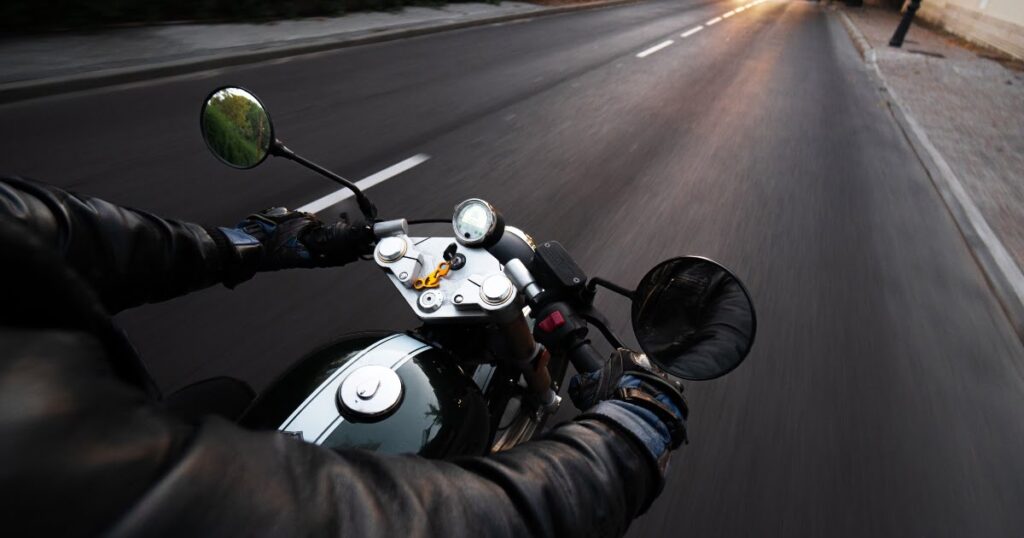
- Helmet Laws in Texas: Texas has specific helmet laws that riders must adhere to. All operators and passengers under 21 years of age are required to wear a helmet approved by the Department of Transportation (DOT). For riders 21 and over, wearing a helmet is optional if they have successfully completed a motorcycle safety course or are covered by an applicable health insurance plan providing at least $10,000 in medical benefits for injuries incurred in a motorcycle accident. While optional for some, wearing a helmet is always recommended as the single most effective way to prevent head injuries in a crash.
- Proper Riding Gear: Beyond the helmet, a full suite of protective gear is essential for any serious rider. This includes:
- Eye Protection: Goggles, a face shield, or sunglasses are crucial to protect against wind, debris, and insects.
- Gloves: Provide grip, prevent blisters, and offer protection in a slide.
- Jacket and Pants: Made from abrasion-resistant materials like leather or specialized textiles, these protect against road rash and impact.
- Sturdy Footwear: Boots that cover the ankles provide support and protection.
- Visibility: Wearing brightly colored gear or reflective materials, especially at night, greatly increases your visibility to other motorists, a critical aspect of urban riding in places like Dallas or Houston.
- Pre-Trip Checks: Before every ride, a quick check of your motorcycle’s tires, controls, lights, oil, chassis, and stands (T-CLOCS) can prevent unforeseen mechanical issues and ensure a safer journey, whether you’re commuting or embarking on a long-distance tour to El Paso.
By prioritizing safety and investing in appropriate gear, motorcyclists not only comply with Texas law but also significantly enhance their riding experience, allowing them to fully immerse themselves in the adventure of exploring the state without unnecessary risks.
Texas on Two Wheels: An Unforgettable Travel and Lifestyle Experience
Beyond the legalities and safety protocols, obtaining your motorcycle license in Texas unlocks a world of travel, tourism, and lifestyle opportunities. The state’s sheer size and diverse geography make it a premier destination for motorcycle touring, offering routes that cater to every type of rider and adventurer.
Iconic Routes and Breathtaking Destinations for Motorcyclists
Texas is a motorcyclist’s paradise, boasting scenic routes that wind through mountains, deserts, coastal plains, and bustling metropolises. Each region offers a unique flavor of adventure:
- Hill Country Rides: Located west of Austin and San Antonio, the Hill Country is arguably the most popular motorcycling destination in Texas. Its winding roads, often referred to as “The Twisted Sisters” (Ranch Roads 335, 336, and 337), carve through rolling hills, past crystal-clear rivers, and charming small towns like Fredericksburg and Luckenbach. Riders can stop at historic dance halls like Gruene Hall or explore local wineries, blending thrilling rides with cultural immersion.
- Big Bend National Park Adventures: For those seeking solitude and dramatic landscapes, a journey to Big Bend National Park in West Texas is unparalleled. The sweeping desert vistas, majestic mountains, and the Rio Grande offer a challenging yet incredibly rewarding ride. The remote nature of this region emphasizes the importance of preparedness, but the panoramic views and raw beauty are worth every mile.
- Gulf Coast Breezes: Along the state’s eastern edge, the Texas Gulf Coast provides a different kind of riding experience. Flat, open roads lead to beach towns like Galveston and Corpus Christi, where riders can enjoy the sea air, fresh seafood, and vibrant coastal culture. A ride down to South Padre Island offers stunning ocean views and a relaxed atmosphere.
- City Explorations: Even within Texas’s major urban centers, motorcycles offer a unique way to experience local attractions. In Austin, explore Sixth Street or the Capitol grounds. In San Antonio, park your bike and stroll along the River Walk or visit The Alamo. Dallas offers dynamic skyline views and cultural districts, while Houston provides access to marvels like Space Center Houston and a thriving culinary scene.
Each of these destinations, whether rural or urban, contributes to the rich tapestry of experiences available to the licensed motorcyclist, transforming a simple ride into a memorable travel narrative.
Curating Your Ride: Accommodation and Tourism for the Discerning Biker
The motorcycle lifestyle in Texas extends beyond the ride itself; it encompasses the entire travel experience, from where you stay to what cultural activities you engage in.
- Bike-Friendly Hotels and Resorts: As motorcycle tourism grows, many hotels and accommodations across Texas are becoming increasingly bike-friendly. Look for establishments offering secure parking, sometimes covered, and amenities that cater to riders, such as washing stations or repair tool access. Boutique hotels in towns like Fredericksburg or luxury resorts in the Hill Country often embrace the biker community, providing comfort and convenience after a day on the road. For budget travelers, numerous motels and campgrounds also welcome motorcyclists, offering flexible and affordable lodging options.
- Exploring Local Culture and Food: A motorcycle trip through Texas is an opportunity to dive deep into its diverse local cultures. Sample authentic BBQ in Lockhart, enjoy Tex-Mex cuisine in San Antonio, or explore the German heritage towns in the Hill Country. The mobility of a motorcycle allows for spontaneous detours to roadside attractions, historic landmarks like the Stockyards National Historic District in Fort Worth, or charming antique shops, enriching the travel experience immensely.
- Motorcycle Rallies and Events: Texas hosts several prominent motorcycle rallies that draw thousands of riders from across the country, creating vibrant communities and unforgettable experiences. The Lone Star Rally in Galveston and the Republic of Texas Biker Rally (ROT Rally) in Austin are prime examples, offering live music, vendors, group rides, and a festive atmosphere. Participating in such events is a highlight for many riders, fostering camaraderie and a sense of belonging to the broader motorcycle lifestyle.
By integrating thoughtful accommodation choices and engaging with local tourism, motorcyclists can transform a simple road trip into a rich, immersive travel experience that embodies the true spirit of discovery that Texas offers.
The Call of the Open Road: Ensuring a Responsible and Enjoyable Ride
The journey to obtaining a motorcycle license in Texas is a testament to your commitment to responsible and safe riding. Whether you’re a long-term resident or a visitor drawn by the state’s vast beauty, understanding the legal framework and embracing the unique lifestyle of motorcycling ensures a fulfilling experience.
Legalities for Visiting Riders and International Travelers
For those visiting Texas from other states or countries, the licensing requirements have specific nuances that need to be addressed to ensure a hassle-free trip.
- Reciprocity Explained: Generally, Texas honors valid motorcycle licenses issued by other U.S. states and territories, as well as those from foreign countries that have reciprocity agreements or are party to international driving permit conventions. This means that if you possess a current, valid motorcycle license from your home state or country, you are typically permitted to operate a motorcycle in Texas for a limited period, usually up to one year. However, it’s always prudent to carry your physical license and, for international visitors, an International Driving Permit (IDP) alongside your original license, translated into English if necessary.
- Renting a Motorcycle in Texas: If your plan involves flying into a major hub like Dallas or Houston and then renting a motorcycle, rental agencies will strictly enforce licensing requirements. You will need to present a valid motorcycle endorsement from your home state or country. Without it, rental companies will deny service, underscoring the universal importance of proper licensing. This also applies to any insurance coverage you might purchase through the rental agency.
- Permits for International Visitors: For travelers from countries where an International Driving Permit (IDP) is required or highly recommended, ensuring you have this document before arriving in Texas can prevent potential complications. The IDP acts as a translation of your home country’s driver’s license and is recognized by law enforcement worldwide, including in Texas.
Adhering to these legalities for visiting riders ensures that your exploration of Texas, whether through the vibrant streets of Amarillo or the serene vistas around Big Bend National Park, remains enjoyable and free from legal complications.

The Broader Lifestyle: Why a Motorcycle in Texas is More Than Just a Ride
Ultimately, a motorcycle license in Texas is not just a piece of paper; it’s a key to a distinct and enriching lifestyle. It’s about more than transportation; it’s about experience, connection, and personal growth.
- Freedom, Adventure, and Community: Riding a motorcycle in Texas embodies an unparalleled sense of freedom. It’s the adventure of discovering hidden gems on remote roads, the thrill of navigating challenging terrain, and the joy of joining a vibrant community of fellow enthusiasts. From impromptu weekend rides with friends to meticulously planned cross-state tours, motorcycling fosters a unique bond with the landscape and with other riders who share a passion for the open road.
- Budget vs. Luxury Travel Considerations: The motorcycle lifestyle is incredibly versatile. It can be an incredibly budget-friendly way to travel, with modest fuel consumption and access to affordable camping or motel accommodations. Conversely, it can also be a luxurious pursuit, involving high-end touring bikes, stays in upscale resorts in South Padre Island, and gourmet dining experiences along the route. The choice is yours, allowing you to tailor your travel to your preferences and financial plan.
- Personal Growth and Unforgettable Experiences: Learning to ride and mastering the skills for safe operation is a journey of personal growth. It builds confidence, enhances spatial awareness, and sharpens decision-making skills. The experiences gained on two wheels—witnessing breathtaking sunrises over the desert, feeling the vastness of the plains, or making new friends at a roadside diner—become indelible memories that enrich your life far beyond the duration of the ride.
In conclusion, the question “Do you need a motorcycle license in Texas?” is unequivocally answered: Yes, you do. This requirement is not an impediment but rather a foundational step towards unlocking a world of adventure, culture, and personal freedom. By embracing the licensing process, adhering to safety guidelines, and planning your journeys with care, you are not just getting a license; you are gaining access to the unparalleled beauty and spirit of Texas from a truly unique perspective. So, get licensed, gear up, and prepare to discover why the Lone Star State is a motorcyclist’s dream destination, offering an unforgettable blend of travel, tourism, and lifestyle experiences.
LifeOutOfTheBox is a participant in the Amazon Services LLC Associates Program, an affiliate advertising program designed to provide a means for sites to earn advertising fees by advertising and linking to Amazon.com. Amazon, the Amazon logo, AmazonSupply, and the AmazonSupply logo are trademarks of Amazon.com, Inc. or its affiliates. As an Amazon Associate we earn affiliate commissions from qualifying purchases.