
Florida, often lauded as the Sunshine State, beckons millions of visitors annually with its pristine beaches, world-class theme parks, and vibrant cultural destinations. From the magical realms of Walt Disney World Resort in Orlando to the bustling cityscape of Miami and the historic charm of St. Augustine, there’s an endless array of experiences for every traveler. However, for both residents and those planning a visit, understanding the state’s laws, particularly regarding firearms, is crucial for a safe and lawful lifestyle and travel. One question that frequently arises, especially in a state known for its pro-gun stance, is: “Is it legal to open carry in Florida?”

The simple answer, until recently, has been a resounding “No” in most public scenarios. However, with significant changes to firearm legislation taking effect on July 1, 2023, the nuances of carrying firearms in Florida have become even more important to grasp. While the focus of the new law was primarily on permitless concealed carry, the strict rules against open carry largely remain intact, with very specific exceptions. This comprehensive guide aims to demystify Florida’s open carry laws, providing essential information for anyone navigating the state, whether you’re planning a family trip to Universal Orlando Resort or considering a long-term accommodation in Tampa.
Understanding Florida’s Firearm Laws: Open vs. Concealed Carry
Florida’s approach to firearms, while generally supportive of gun rights, has historically drawn a clear distinction between open carry and concealed carry. This distinction is vital for understanding the legal landscape, especially for those accustomed to different regulations in other states or countries.
The General Rule: Concealed Carry with or without a License
For decades, Florida operated as a “shall issue” concealed carry state. This meant that any eligible citizen could apply for and receive a Concealed Weapon or Firearm License (CWFL) issued by the Florida Department of Agriculture and Consumer Services, permitting them to carry a firearm hidden from ordinary public view. The principle was that a firearm should not be openly displayed in most public settings.
However, a pivotal shift occurred on July 1, 2023, when Florida officially adopted what is commonly referred to as “constitutional carry” or permitless concealed carry. This new law allows eligible individuals (who are at least 21 years old and not otherwise prohibited from possessing a firearm) to carry a concealed firearm without needing a state-issued CWFL. This applies to both residents and non-residents who meet the eligibility criteria. While this change significantly broadens the ability to carry a firearm without a permit, it’s crucial to understand what didn’t change: the general prohibition on open carry.
Despite the constitutional carry law, the expectation in Florida remains that if you carry a firearm in public, it must be concealed. This means entirely enclosed in a holster, pouch, or case, and not readily observable by others. The intent is to maintain public peace and avoid potential alarm that openly displayed firearms might cause.
Limited Exceptions to Open Carry
While the default position in Florida prohibits open carry, the law does recognize several very specific and limited exceptions. These exceptions are typically tied to particular activities or circumstances where the open display of a firearm is considered justifiable or necessary. Understanding these nuances is critical, as violating the open carry statute can lead to severe penalties, including misdemeanor charges and potential fines.
Some of the primary exceptions allowing open carry include:
- Hunting, Fishing, or Camping: Individuals engaged in lawful hunting, fishing, or camping activities are permitted to open carry a firearm. This makes sense in outdoor recreational settings where a firearm might be used for self-defense against wildlife or for hunting purposes.
- Target Practice or Shooting Range: When traveling to and from, or engaging in, target practice, a shooting event, or a firearms exhibition, open carry is generally allowed. This covers the transportation of firearms to appropriate venues for sport or training.
- Workplace or Business: If a person is carrying a firearm in their place of business or employment, or while engaged in an act of self-defense as authorized by law, open carry might be permissible under very specific circumstances. This is often limited to business owners or employees in specific roles.
- Law Enforcement and Military: Uniformed law enforcement officers and active military personnel are, of course, authorized to open carry as part of their official duties.
- Self-Defense During an Attack: In the immediate moments of self-defense against an attack, if a firearm is openly displayed, it would generally be considered lawful. This is a reactive exception to an emergency situation.
It’s also important to understand the concept of “securely encased” for certain types of firearms, particularly long guns. A long gun (like a rifle or shotgun) may be openly transported in a vehicle if it is “securely encased” – meaning it’s in a gun case, a closed box, or tied down in a rack. For handguns, the rules are stricter; they must be carried concealed unless one of the specific open carry exceptions applies.
The shift to constitutional carry for concealed firearms underscores Florida’s commitment to gun rights, but it does not equate to a blanket open carry allowance. Visitors enjoying the beaches of Fort Lauderdale or exploring the shops in Sarasota should assume that open carry is generally prohibited in public spaces unless they fall squarely within one of the narrow legal exceptions. When in doubt, it is always safer to opt for concealed carry if eligible, or to not carry in public.
Navigating Florida with Firearms: What Travelers and Tourists Need to Know
For the millions of tourists and travelers who visit Florida each year, the state’s firearm laws add another layer of consideration to trip planning. Whether you’re flying into Orlando International Airport, driving down to Key West, or planning a stay at a luxury resort in Miami, understanding where firearms are prohibited is just as important as knowing how they can be carried.
Prohibited Places for Firearm Possession
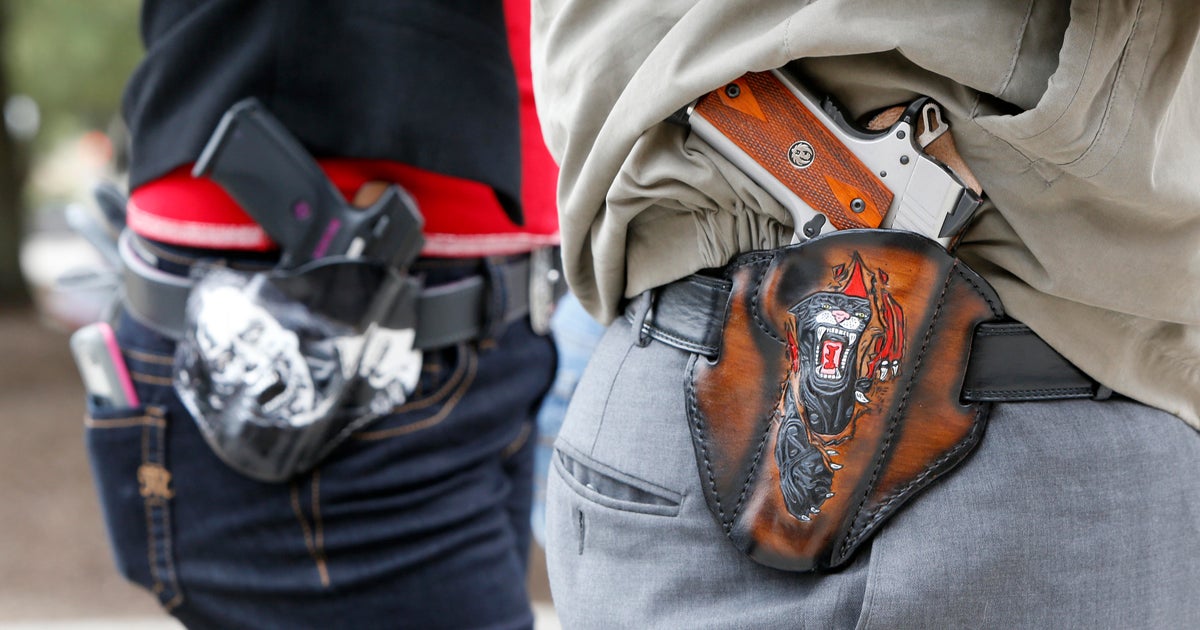
Even with constitutional carry for concealed firearms, there are numerous locations in Florida where carrying a firearm – concealed or open – is strictly prohibited. These “gun-free zones” are established to ensure public safety in sensitive areas and must be respected by all individuals, regardless of their license status or eligibility for permitless carry. Violating these prohibitions can result in serious legal consequences.
Common prohibited places include:
- Schools and Universities: Carrying a firearm on the property of any elementary or secondary school, college, or university is generally illegal. This includes school buses and school-sponsored events.
- Government Buildings: Courthouses, polling places, government meetings, and police stations are typically off-limits for firearms. This extends to legislative meetings and any office used by the Legislature or committees.
- Airports: Sterile areas of airports, beyond the security checkpoints, are strictly prohibited for firearms. While firearms can be transported in checked luggage following specific TSA guidelines, they cannot be carried into the secure boarding areas. Miami International Airport and Orlando International Airport enforce these rules rigorously.
- Bars and Establishments primarily serving alcohol: Carrying a firearm into an establishment that derives more than 50% of its gross revenue from the sale of alcoholic beverages for on-premises consumption is prohibited. This is an important distinction for those enjoying Florida’s vibrant nightlife.
- Correctional Facilities and Jails: These secure facilities are, understandably, gun-free zones.
- Professional Athletic Events: Sporting events or any professional athletic competition also prohibit firearms.
- Meeting of the governing body of a county, public school district, municipality, or special district.
- Any portion of an establishment licensed to dispense alcoholic beverages for consumption on the premises, which portion is primarily devoted to such purpose.
- Any college or university facility.
- Inside the passenger terminal and sterile area of any airport.
For tourists, this means that even if you’re lawfully carrying a concealed firearm, you cannot bring it into major attractions like Walt Disney World Resort, Universal Orlando Resort, Busch Gardens Tampa Bay, or the Kennedy Space Center Visitor Complex. These private establishments, while open to the public, have their own strict no-firearm policies, often enforced through security checkpoints. Similarly, places like Vizcaya Museum & Gardens in Miami or areas within Everglades National Park might have specific restrictions beyond state law. It’s always best to check the policies of individual venues and landmarks before visiting.
Accommodation and Hotels: Policies and Best Practices
When it comes to accommodation in Florida, the legality of possessing a firearm can become a bit more nuanced. While state law generally permits the lawful storage of a firearm in a private residence or vehicle, hotels, resorts, apartments, and villas operate on private property and can establish their own rules.
Most hotels and accommodation providers, such as those operated by Marriott International, Hilton Worldwide, or Hyatt Hotels Corporation, will have specific policies regarding firearms. While they generally cannot prohibit guests from lawfully possessing a firearm in their private room (much like a temporary dwelling), they may have rules against openly carrying firearms in common areas like lobbies, restaurants, swimming pools, or conference rooms. Some might require firearms to be stored securely in a locked safe when not on the person.
For travelers, it’s highly advisable to inquire about a specific hotel’s firearm policy prior to booking or arrival. This proactive approach can prevent misunderstandings or uncomfortable situations. When staying in any hotel, responsible firearm ownership dictates that your weapon should always be secured to prevent unauthorized access, especially if traveling with children. Using a hotel safe, a personal travel safe, or a trigger lock is a prudent tip for ensuring safety and compliance with potential policies. Many resorts and suites with extensive amenities will prioritize the safety and comfort of all guests, and their policies reflect this.
The Florida Lifestyle and Responsible Firearm Ownership
Florida’s diverse lifestyle, from the bustling energy of South Beach to the quiet tranquility of the Gulf Coast, presents a unique backdrop for discussions on personal freedoms and public safety. For those who choose to exercise their right to carry a firearm, doing so responsibly and in accordance with the law is paramount to integrating seamlessly into the state’s vibrant culture.
Balancing Rights and Responsibilities in a Tourist-Friendly State
Florida thrives on tourism and its welcoming atmosphere. The introduction of permitless concealed carry strengthens the rights of firearm owners, but it simultaneously heightens the responsibility to understand and abide by all legal nuances. For travelers, this means being aware that different states have different laws, and what might be permissible in your home state may not be in Florida.
Respect for private property rights is a cornerstone of Florida law. Even if you are legally permitted to carry a concealed firearm, a private business owner (such as a restaurant, store, or hotel) retains the right to prohibit firearms on their premises. Such prohibitions are typically indicated by clear signage. Failure to comply can result in being asked to leave, and refusal to do so could lead to trespassing charges.
The general prohibition on open carry serves a practical purpose in a state heavily reliant on tourism. It helps prevent public alarm and maintains a sense of security for a diverse population of residents and international visitors who may not be accustomed to seeing firearms openly displayed. Responsible firearm ownership in Florida means prioritizing safety, understanding the law, and being considerate of others in public spaces. This balance is key to preserving the state’s appeal as a premier travel destination.
Resources for Visitors and New Residents
Navigating firearm laws can be complex, and for those new to Florida or simply visiting, reliable information is essential. The most authoritative source for current Florida firearm statutes is the official state legislature website. Additionally, the Florida Department of Agriculture and Consumer Services, which manages the Concealed Weapon or Firearm License program, provides extensive information on eligibility, prohibited places, and reciprocity with other states.
While this article provides general information, it is not a substitute for legal advice. If you have specific questions or concerns regarding your eligibility to carry a firearm or its legality in particular circumstances, consulting with a qualified Florida attorney specializing in firearm law is highly recommended. For those interested in training, numerous certified instructors across the state offer courses in firearm safety and responsible gun ownership, which can be invaluable for both new and experienced firearm owners. Understanding the legal landscape ensures that your Florida travel, accommodation, and lifestyle experiences are not only enjoyable but also fully compliant with state law.
In conclusion, while Florida has embraced permitless concealed carry, the state largely maintains its prohibition on open carry in public places, with very limited exceptions. For anyone visiting or residing in the Sunshine State, a thorough understanding of these laws and careful adherence to them is paramount. By staying informed and practicing responsible firearm ownership, individuals can safely navigate Florida’s vibrant tourism landscape while respecting the rights and comfort of all.
LifeOutOfTheBox is a participant in the Amazon Services LLC Associates Program, an affiliate advertising program designed to provide a means for sites to earn advertising fees by advertising and linking to Amazon.com. Amazon, the Amazon logo, AmazonSupply, and the AmazonSupply logo are trademarks of Amazon.com, Inc. or its affiliates. As an Amazon Associate we earn affiliate commissions from qualifying purchases.