
For many aspiring travelers, the allure of a tropical escape often comes with the added complexity of international travel requirements. Questions about passports, visas, and customs can sometimes deter potential visitors from exploring incredible destinations. When it comes to planning a trip to Puerto Rico, a vibrant island jewel nestled in the Caribbean, one of the most frequently asked questions revolves around passport necessities. The straightforward answer for United States citizens is a resounding no, a passport is not required. However, understanding the nuances of this unique travel situation and what documents are necessary is crucial for a smooth and enjoyable journey.
This article will delve into the specifics of travel documentation for Puerto Rico, exploring why it’s considered domestic travel for U.S. citizens, what identification is acceptable, and what international travelers need to consider. Beyond the logistics, we’ll also embark on a comprehensive guide to the island itself, highlighting its rich culture, breathtaking natural beauty, diverse attractions, and myriad accommodation options, ensuring you’re fully prepared to discover all that this enchanting destination has to offer.
Understanding Puerto Rico’s Unique Status
The relationship between Puerto Rico and the United States is distinct, setting it apart from other international destinations. This political arrangement is the cornerstone of its domestic travel status for U.S. citizens.
A U.S. Territory: What Does It Mean for Travelers?
Puerto Rico holds the status of an unincorporated territory of the United States. This means that while it is under the sovereignty of the U.S. federal government, it is not formally integrated into the U.S. and operates with a unique degree of local self-governance. Crucially, all individuals born in Puerto Rico are natural-born U.S. citizens by law. This shared citizenship is the primary reason why travel between the mainland U.S. and Puerto Rico is treated as domestic travel.
When you fly from any U.S. state or territory to Puerto Rico, you are not passing through international customs or immigration checkpoints. Your flight operates much like a domestic flight from New York to California or Florida. This greatly simplifies the travel process for millions of Americans, making Puerto Rico an easily accessible Caribbean getaway without the need for extensive international travel preparations. The convenience of using the U.S. dollar as currency and having access to familiar U.S. cell phone networks without roaming charges further enhances this seamless travel experience.
Essential Travel Documents for U.S. Citizens
While a passport isn’t mandatory for U.S. citizens traveling to Puerto Rico, you will still need valid identification, especially for air travel. The Transportation Security Administration (TSA) requires all adult passengers 18 years and older to present a valid photo ID at airport security checkpoints.
Domestic Travel Simplified
For U.S. citizens, acceptable forms of identification for travel to Puerto Rico align with standard domestic air travel requirements within the United States. These include:
- State-issued driver’s license: This is the most common and widely accepted form of ID. Ensure it is REAL ID-compliant if your state has implemented it, though non-compliant licenses are still accepted for now for domestic travel.
- State-issued identification card: For non-drivers, a state ID card serves the same purpose.
- U.S. passport or passport card: Although not required, these are always valid forms of identification for domestic travel and can be convenient if you already possess them.
- Permanent resident card: Green cards are accepted for lawful permanent residents.
- U.S. military ID: For active-duty military personnel and their dependents.
- Federally recognized tribal identification: For members of federally recognized tribes.
- Department of Homeland Security (DHS) trusted traveler cards: Such as Global Entry or NEXUS cards.
For children under the age of 18 traveling with an adult, the TSA does not currently require them to present ID at the security checkpoint. However, it’s always advisable to carry a copy of their birth certificate, especially for younger children, as some airlines might request it for age verification or in case of unforeseen circumstances. When traveling with minors who are not your own children, or if only one parent is traveling, a consent letter from the absent parent(s) or legal guardian(s) can prevent potential issues, though it is rarely requested for domestic travel to Puerto Rico. Always double-check with your specific airline and the TSA website for the most up-to-date requirements before your trip.
Considerations for Non-U.S. Citizens
While U.S. citizens enjoy the convenience of domestic travel to Puerto Rico, the rules are different for international visitors.
International Travel Requirements Apply
For non-U.S. citizens, traveling to Puerto Rico is treated as entering the United States. This means that all standard U.S. entry requirements apply. International travelers will need:
- A valid passport: This is essential for all non-U.S. citizens.
- A valid U.S. visa (if required): Depending on your country of origin, you may need a visa to enter the United States and its territories, including Puerto Rico.
- ESTA authorization: Citizens of countries participating in the Visa Waiver Program (VWP) can travel to the U.S. for tourism or business for up to 90 days without a visa, provided they obtain an approved Electronic System for Travel Authorization (ESTA) prior to their travel.
Upon arrival in Puerto Rico from an international destination, non-U.S. citizens will go through U.S. Customs and Border Protection (CBP) procedures, just as they would at any international airport on the mainland U.S.. It is highly recommended that international travelers consult their country’s embassy or consulate, or the official website of the U.S. State Department, well in advance of their trip to determine specific entry requirements applicable to their nationality. Failing to have the correct documentation can result in denied boarding or entry.
Why Visit Puerto Rico? Beyond the Passport Question
Now that the passport question is settled, especially for U.S. citizens, it’s time to shift focus to the incredible experiences that await you in Puerto Rico. This island paradise offers an unparalleled blend of vibrant culture, rich history, stunning natural landscapes, and warm hospitality, making it a compelling destination for all types of travelers.
Immersive Cultural Experiences and Gastronomic Delights
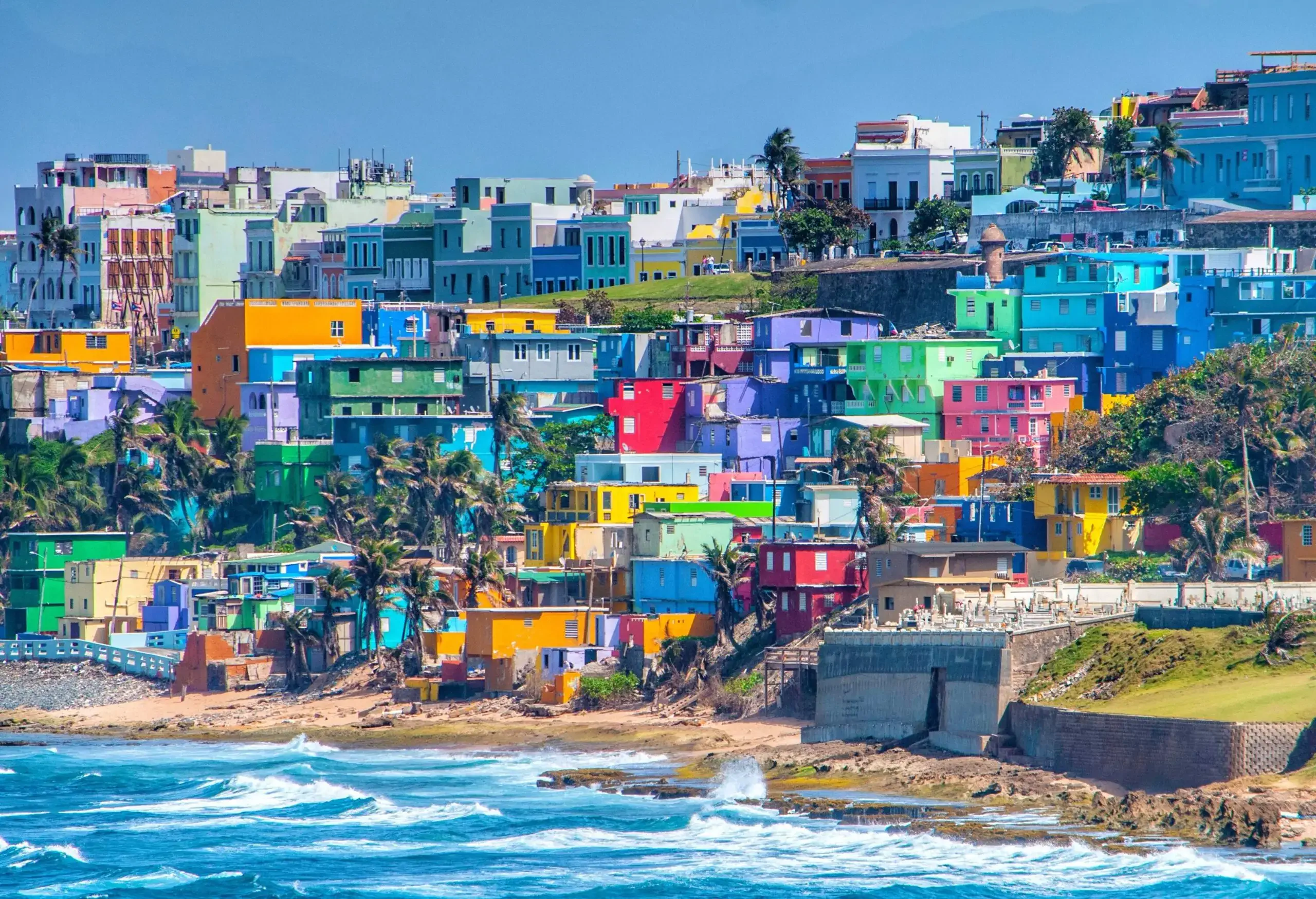
Puerto Rico is a melting pot of Taíno, Spanish, and African influences, evident in every aspect of its local culture. The capital city of San Juan is a must-visit, with its historic Old San Juan district boasting cobblestone streets, colorful colonial buildings, and impressive fortifications. Walking through Old San Juan feels like stepping back in time, where you can explore centuries of history and marvel at the stunning architecture. Key landmarks include the formidable El Morro and Castillo de San Cristóbal fortresses, both UNESCO World Heritage Sites offering panoramic ocean views and fascinating insights into the island’s strategic past. Beyond the historical sites, the city pulses with a lively art scene, vibrant street murals, and charming boutiques.
The island’s food scene is a culinary adventure, deeply rooted in its diverse heritage. Puerto Rican cuisine is known for its bold flavors and hearty dishes. Don’t leave without trying mofongo, a signature dish made from fried green plantains mashed with garlic, olive oil, and pork cracklings, often filled with various meats or seafood. Other staples include lechon (slow-roasted pork), pasteles (similar to tamales), and fresh seafood prepared with local spices. To truly immerse yourself, seek out local eateries called “chinchorros” for authentic flavors. For those interested in the island’s famous rum production, a visit to Casa Bacardi in Cataño offers a fascinating tour and tasting experience. Local festivals, music, and dance are integral to the Puerto Rican way of life, providing numerous opportunities to engage with the island’s vibrant spirit.
Diverse Landscapes and Outdoor Adventures
Puerto Rico’s natural beauty is incredibly diverse, offering everything from lush rainforests to pristine beaches and unique natural phenomena. The crown jewel of its natural attractions is El Yunque National Forest, the only tropical rainforest in the U.S. National Forest System. Here, you can embark on invigorating hiking trails that lead to stunning waterfalls like La Mina Falls and Juan Diego Falls, marvel at the diverse flora and fauna, and enjoy panoramic views from observation towers.
Another truly magical experience awaits at Puerto Rico’s three Bioluminescent Bays, which glow neon blue with microscopic organisms when agitated. Mosquito Bay on the island of Vieques is considered one of the brightest in the world, while Laguna Grande in Fajardo and La Parguera in Lajas also offer incredible nighttime kayaking tours.
For beach lovers, Puerto Rico does not disappoint. Flamenco Beach on the offshore island of Culebra consistently ranks among the world’s best, renowned for its crescent-shaped stretch of white sand and clear turquoise waters. Luquillo Beach, near El Yunque, is a popular family-friendly option with calm waters and ample amenities. The island also offers exceptional opportunities for water sports such as snorkeling, diving among vibrant coral reefs, and surfing on the west coast, particularly around Rincón. Adventure seekers can also explore the vast underground river system at Rio Camuy Cave Park, home to one of the largest cave networks in the world.
Accommodation and Lifestyle Choices
Puerto Rico caters to every travel style and budget when it comes to accommodation. For those seeking luxury travel and indulgence, the island boasts world-class resorts like the St. Regis Bahia Beach Resort and Dorado Beach, A Ritz-Carlton Reserve, offering opulent suites, pristine golf courses, and rejuvenating spa amenities. Boutique hotels, such as the historic Hotel El Convento in Old San Juan, provide unique charm and personalized service, perfect for a romantic getaway.
Family vacations will find plenty of kid-friendly resorts with extensive pool complexes, activities, and comfortable apartments or connecting rooms. For budget travel enthusiasts, there are numerous guesthouses, smaller hotels, and hostels, especially outside the major resort areas. Vacation rentals, including villas and homes booked through platforms like Airbnb or VRBO, offer flexibility and a chance to experience local living, making them ideal for long-term stays or groups. Many properties provide detailed reviews and comparison tools on our website, helping you book the perfect base for your adventure travel or relaxing escape. Even for business stays, San Juan offers modern hotels with conference facilities and easy access to the city’s commercial hubs.
Practical Tips for Your Puerto Rico Trip
To ensure your trip to Puerto Rico is as enjoyable and seamless as possible, here are some practical tips to keep in mind.
Language, Currency, and Connectivity
- Language: While Spanish is the official language and widely spoken, English is also an official language and is commonly understood in tourist areas, hotels, and major cities like San Juan. Learning a few basic Spanish phrases, however, will always be appreciated by locals and can enhance your cultural experience.
- Currency: The official currency is the U.S. dollar, which simplifies transactions for U.S. citizens. Credit cards are widely accepted, but it’s always good to carry some cash for smaller purchases, street vendors, or tips.
- Connectivity: As a U.S. territory, most major U.S. cell phone carriers treat calls and data usage in Puerto Rico as domestic, meaning no roaming charges. Wi-Fi is readily available in hotels, cafes, and many public spaces.
Health & Safety Considerations
Puerto Rico is generally a safe destination for tourists. However, like any travel destination, it’s wise to practice general travel safety. Be aware of your surroundings, especially at night, and avoid displaying large amounts of cash or expensive jewelry. When exploring natural attractions like El Yunque or the beaches, stay on marked trails and follow local guidelines. Sun protection is crucial in the Caribbean sun; regularly apply sunscreen, wear hats, and stay hydrated. Tap water is generally safe to drink, but bottled water is widely available if you prefer. In case of emergency, the local emergency number is 911, just like in the mainland U.S..
Getting Around the Island
- Rental Cars: For independent exploration of the island’s diverse regions, renting a car is highly recommended. Major international and local car rental agencies operate at Luis Muñoz Marín International Airport in San Juan and other urban centers. Driving is on the right-hand side, and road signs are generally in Spanish, though major highways often include English translations.
- Taxis & Ride-Sharing: Taxis are readily available at the airport and in tourist areas. Ride-sharing services like Uber also operate in San Juan and surrounding metropolitan areas, offering a convenient way to get around the city.
- Public Transportation: While San Juan has a limited public transportation system, including the Tren Urbano (urban train) and public buses, it does not extensively cover the entire island. For venturing outside the capital, a rental car or organized tours are your best options.
In conclusion, for U.S. citizens, traveling to Puerto Rico is an accessible and straightforward experience, requiring only a valid government-issued photo ID rather than a passport. This unique status as a U.S. territory eliminates many of the complexities of international travel, making this Caribbean gem an ideal choice for a stress-free escape. For international travelers, standard U.S. entry requirements, including a passport and potentially a visa or ESTA, apply.
Regardless of your origin, Puerto Rico promises an unforgettable journey filled with captivating history, vibrant culture, delectable cuisine, and breathtaking natural wonders. From the historic streets of Old San Juan to the mystical glow of its Bioluminescent Bays and the verdant trails of El Yunque, the island offers a rich tapestry of experiences. With a clear understanding of the necessary documentation and these practical tips, you are well-equipped to plan your perfect Puerto Rican adventure and immerse yourself in the warmth and charm of this extraordinary destination.
LifeOutOfTheBox is a participant in the Amazon Services LLC Associates Program, an affiliate advertising program designed to provide a means for sites to earn advertising fees by advertising and linking to Amazon.com. Amazon, the Amazon logo, AmazonSupply, and the AmazonSupply logo are trademarks of Amazon.com, Inc. or its affiliates. As an Amazon Associate we earn affiliate commissions from qualifying purchases.