
Navigating the vast and diverse landscape of Texas presents a unique set of opportunities for exploration and adventure. From the vibrant cultural hubs of Austin and San Antonio to the rugged beauty of the Big Bend National Park and the coastal allure of Galveston, the Lone Star State beckons travelers with an array of experiences. Whether you’re planning a leisurely road trip to soak in the scenic vistas, a culinary journey through its distinct regional flavors, or a deep dive into its rich history and local traditions, a reliable mode of transportation is often key. For many, this means relying on a personal vehicle. However, before you hit the open road and embark on your Texan adventure, a crucial question arises for residents and long-term visitors alike: “Do you need car insurance in Texas?” The answer is a resounding yes, and understanding the requirements is fundamental to a smooth and legal journey.
The Legal Imperative: Texas Minimum Liability Coverage
In Texas, driving without the legally mandated minimum amount of car insurance is not just risky; it’s against the law. The state requires all registered vehicle owners to carry proof of financial responsibility. This is primarily demonstrated through liability insurance. The core purpose of liability insurance is to protect other parties involved in an accident that you cause. It covers damages to their property and their medical expenses.
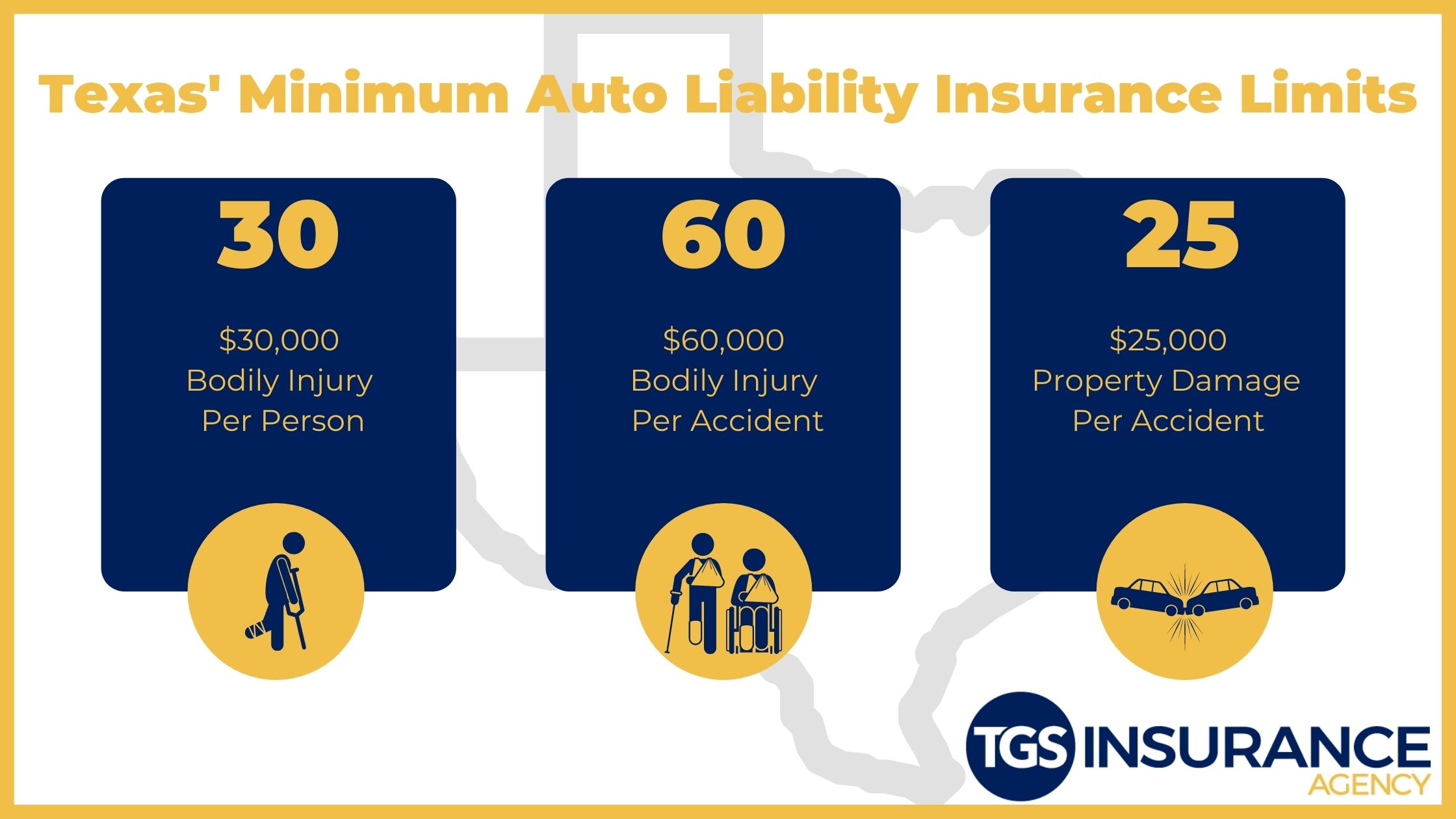
Understanding “30/60/25” Coverage
The minimum liability coverage required in Texas is often referred to as “30/60/25” coverage. Let’s break down what these numbers signify:
- $30,000 of bodily injury liability per person: This is the maximum amount your insurance company will pay for injuries to a single person in an accident for which you are at fault.
- $60,000 of bodily injury liability per accident: This is the maximum amount your insurance company will pay for all bodily injuries sustained by all individuals in an accident for which you are at fault.
- $25,000 of property damage liability per accident: This is the maximum amount your insurance company will pay for damage to another person’s property (e.g., their vehicle, fence, or building) in an accident for which you are at fault.
It’s crucial to understand that these are the minimum requirements. While meeting these minimums satisfies legal obligations, many drivers opt for higher coverage limits to ensure greater financial protection. The reality of accident costs can easily exceed these low thresholds, leaving you personally responsible for the difference.
Proof of Financial Responsibility
Beyond just having insurance, you must be able to provide proof of this financial responsibility. This typically comes in the form of an insurance card or policy document, which you are legally required to carry in your vehicle at all times. Law enforcement officers may ask to see this proof during traffic stops or after an accident. Failure to provide it can result in citations, fines, and other penalties. In some cases, especially for repeat offenses or serious violations, your driver’s license could be suspended, and your vehicle impounded.
Beyond the Minimum: Why More Coverage is Often Necessary
While the “30/60/25” coverage is the legal baseline, it’s essential for any resident or frequent visitor to consider whether this level of protection is truly adequate for their needs. The costs associated with car accidents can be staggering, far surpassing the minimum liability limits.
Medical Expenses and Lost Wages
In the event of an accident, medical expenses can quickly accumulate. Emergency room visits, hospital stays, surgeries, rehabilitation, and ongoing care can easily run into tens or even hundreds of thousands of dollars. If the other party suffers significant injuries, the $30,000 per person limit could be depleted very rapidly, leaving you exposed to substantial out-of-pocket costs. Furthermore, if the injured party is unable to work due to their injuries, they may also seek compensation for lost wages, adding another layer of financial burden.
Property Damage Costs
Vehicle repair or replacement costs are also significant. Modern vehicles are equipped with advanced safety features and technology that can be expensive to repair or replace. If you’re involved in an accident with a luxury vehicle or cause damage to significant property, the $25,000 property damage limit might not be enough.
Uninsured and Underinsured Motorists (UM/UIM)
A critical aspect of car insurance, often overlooked when focusing solely on liability, is coverage for uninsured and underinsured motorists. In Texas, it is estimated that a significant percentage of drivers operate without insurance or with insufficient coverage.
- Uninsured Motorist (UM) Coverage: This coverage protects you if you are involved in an accident with a driver who has no car insurance at all. It can help cover your medical expenses and, in some cases, damage to your vehicle if you have UM/UIM property damage coverage.
- Underinsured Motorist (UIM) Coverage: This coverage comes into play when you are involved in an accident with a driver who has insurance, but their liability limits are not high enough to cover your damages. UIM coverage can help bridge the gap between the at-fault driver’s coverage and the actual cost of your damages.
Many Texas drivers choose to add UM/UIM coverage to their policies as a safeguard against the risks posed by others on the road.
Collision and Comprehensive Coverage
Liability insurance only covers damage to other people’s property. If you want your own vehicle to be repaired or replaced after an accident, you will need collision and comprehensive coverage.
- Collision Coverage: This covers damage to your vehicle resulting from a collision with another vehicle or an object, such as a tree or a guardrail, regardless of who is at fault.
- Comprehensive Coverage: This covers damage to your vehicle caused by events other than collisions, such as theft, vandalism, fire, hail, or falling objects.
While not legally mandated, these coverages are highly recommended, especially if you have a newer or financed vehicle. Lenders often require these coverages as a condition of the loan.
Options for Car Insurance in Texas
For residents and those planning an extended stay in Texas, securing appropriate car insurance is a necessity. Fortunately, there are numerous options available to suit different needs and budgets.
Types of Insurance Providers
You can obtain car insurance through a variety of providers:
- National Insurance Companies: Large, well-established companies like State Farm, Geico, and Progressive offer a wide range of policies and are accessible nationwide.
- Regional Insurance Companies: Many companies specialize in particular regions or states and may offer competitive rates and localized customer service.
- Independent Insurance Agents: These agents work with multiple insurance companies and can help you compare quotes and find the best policy for your specific situation. They can be invaluable in navigating the complexities of insurance options.
Factors Affecting Premiums
The cost of car insurance, or your premium, is determined by a variety of factors. These can include:
- Your Driving Record: Accidents, tickets, and other violations will generally increase your premium.
- Your Age and Gender: Younger, less experienced drivers and males tend to have higher premiums.
- Your Location: Premiums can vary based on the zip code where your vehicle is primarily kept, due to factors like traffic density, crime rates, and accident frequency.
- The Type of Vehicle: Sports cars, luxury vehicles, and vehicles with higher repair costs or theft rates typically have higher premiums.
- Your Coverage Choices: Higher coverage limits and additional coverages like collision, comprehensive, and UM/UIM will increase your premium.
- Your Deductible: A higher deductible (the amount you pay out-of-pocket before your insurance kicks in) will generally result in a lower premium.
Tips for Finding Affordable Coverage
While safety and adequate protection are paramount, it’s also wise to seek affordable coverage. Here are some tips:
- Shop Around: Get quotes from multiple insurance companies before making a decision. Prices can vary significantly.
- Bundle Policies: Many insurers offer discounts if you bundle your car insurance with other policies, such as homeowner’s or renter’s insurance.
- Ask About Discounts: Inquire about all available discounts, such as those for good drivers, low mileage, safety features in your vehicle, or completing defensive driving courses.
- Increase Your Deductible: If you can afford to pay more out-of-pocket in the event of a claim, increasing your deductible can lower your premium.
- Maintain a Good Driving Record: This is one of the most significant factors in keeping your premiums down over time.
Special Considerations for Tourists and Visitors
While the legal mandate for car insurance applies primarily to registered vehicle owners residing in Texas, visitors and temporary residents should also be aware of insurance implications.
Renting a Car in Texas
If you’re visiting Texas and plan to rent a vehicle, the rental company will offer insurance options. These typically include:
- Collision Damage Waiver (CDW) or Loss Damage Waiver (LDW): This is not technically insurance, but a waiver that releases you from financial responsibility for damage to the rental car.
- Supplemental Liability Insurance (SLI): This provides liability coverage beyond the minimum required by the rental company.
Your personal auto insurance policy may extend to rental cars, and credit card companies often provide some level of coverage as a perk. It’s essential to understand your existing coverage and the rental company’s offerings before agreeing to any additional insurance. Ensure your coverage meets or exceeds the minimums required in Texas.
Bringing Your Own Vehicle from Out of State
If you are moving to Texas or bringing your vehicle for an extended stay, you will need to obtain Texas car insurance and register your vehicle with the state’s Department of Motor Vehicles (DMV). You will generally have 30 days after establishing residency to update your insurance and registration. Failure to do so can lead to penalties.

The Role of Car Insurance in Experiencing Texas
While the legal and financial implications of car insurance are paramount, it’s also worth considering how adequate coverage facilitates a richer travel experience in Texas. Knowing you are protected by robust insurance allows you to explore more confidently. Imagine a spontaneous detour to the historic Alamo in San Antonio, a scenic drive through the Texas Hill Country, or a visit to the charming town of Fredericksburg without the underlying worry of potential financial ruin in the event of an unforeseen incident.
Having the right car insurance isn’t just about complying with the law; it’s about safeguarding your peace of mind and ensuring your adventures across the vast and captivating landscapes of Texas are as enjoyable and worry-free as possible. It’s an investment in your freedom to explore, discover, and create lasting memories.
LifeOutOfTheBox is a participant in the Amazon Services LLC Associates Program, an affiliate advertising program designed to provide a means for sites to earn advertising fees by advertising and linking to Amazon.com. Amazon, the Amazon logo, AmazonSupply, and the AmazonSupply logo are trademarks of Amazon.com, Inc. or its affiliates. As an Amazon Associate we earn affiliate commissions from qualifying purchases.