
California beckons millions of visitors annually, drawn by its iconic landmarks, diverse cultural experiences, and unparalleled natural beauty. While most journeys are filled with joyous memories, understanding local laws and judicial processes forms a crucial, albeit often overlooked, aspect of responsible tourism. Navigating an unexpected legal situation in a foreign or unfamiliar jurisdiction can be daunting, and for visitors to the Golden State, comprehending the fundamentals of how bail works in California can be an invaluable piece of preparedness. This guide aims to demystify the bail system, providing essential insights for anyone traveling through this vibrant state, viewing the legal landscape as part of the broader local culture and offering practical tips should an unforeseen circumstance arise.
Understanding the Legal Landscape for Visitors
For tourists and short-term visitors, the legal system in California operates with the same principles for residents and non-residents alike, with some nuances for international travelers. If an individual is arrested, regardless of their origin, they enter the state’s criminal justice system. A key part of this system is the concept of bail, a monetary amount or other security demanded by a court to ensure an arrested person returns for their court dates after being released from custody. Its primary purpose is to compel attendance at future proceedings, not to punish.
The Initial Arrest and Booking Process
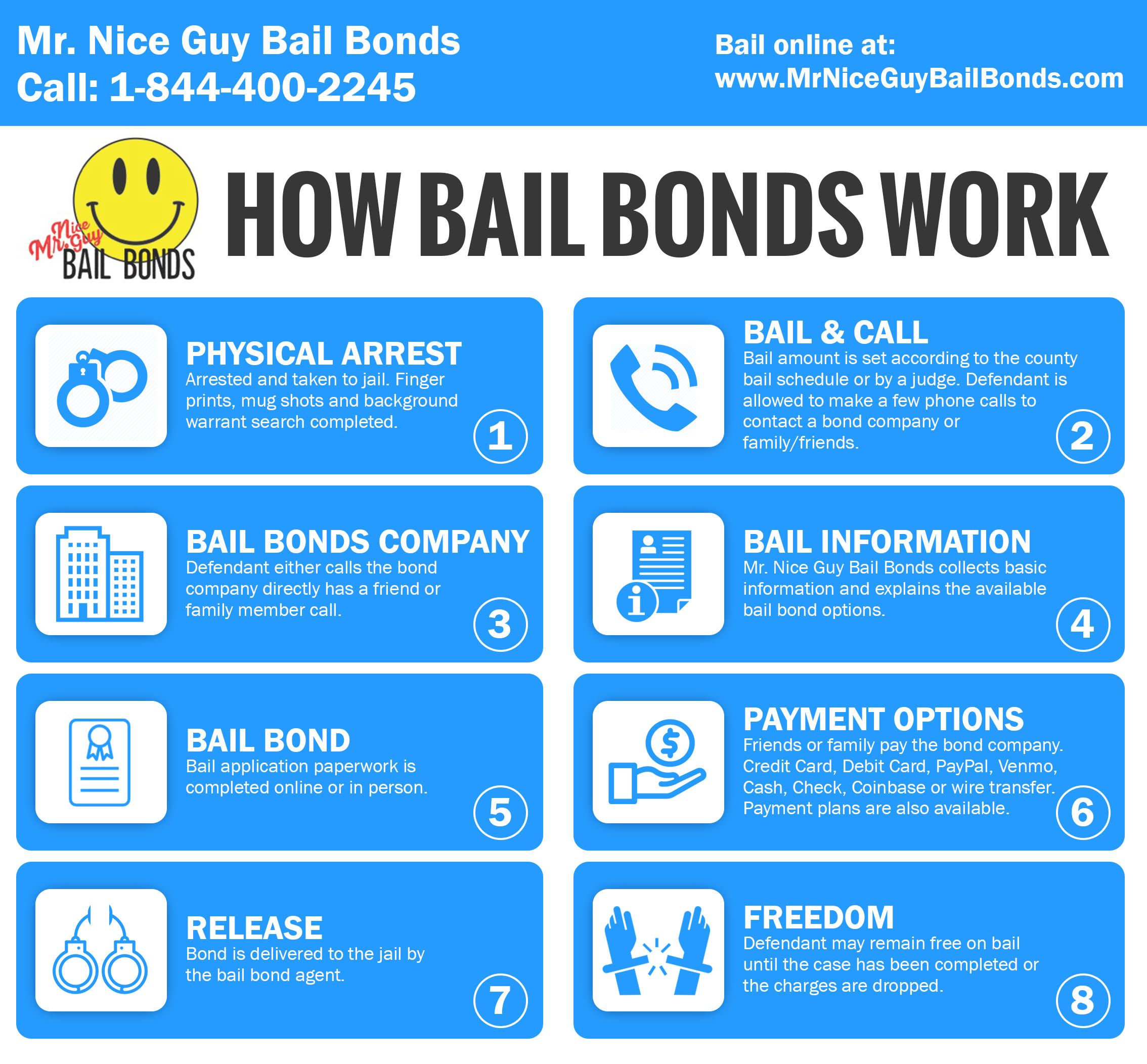
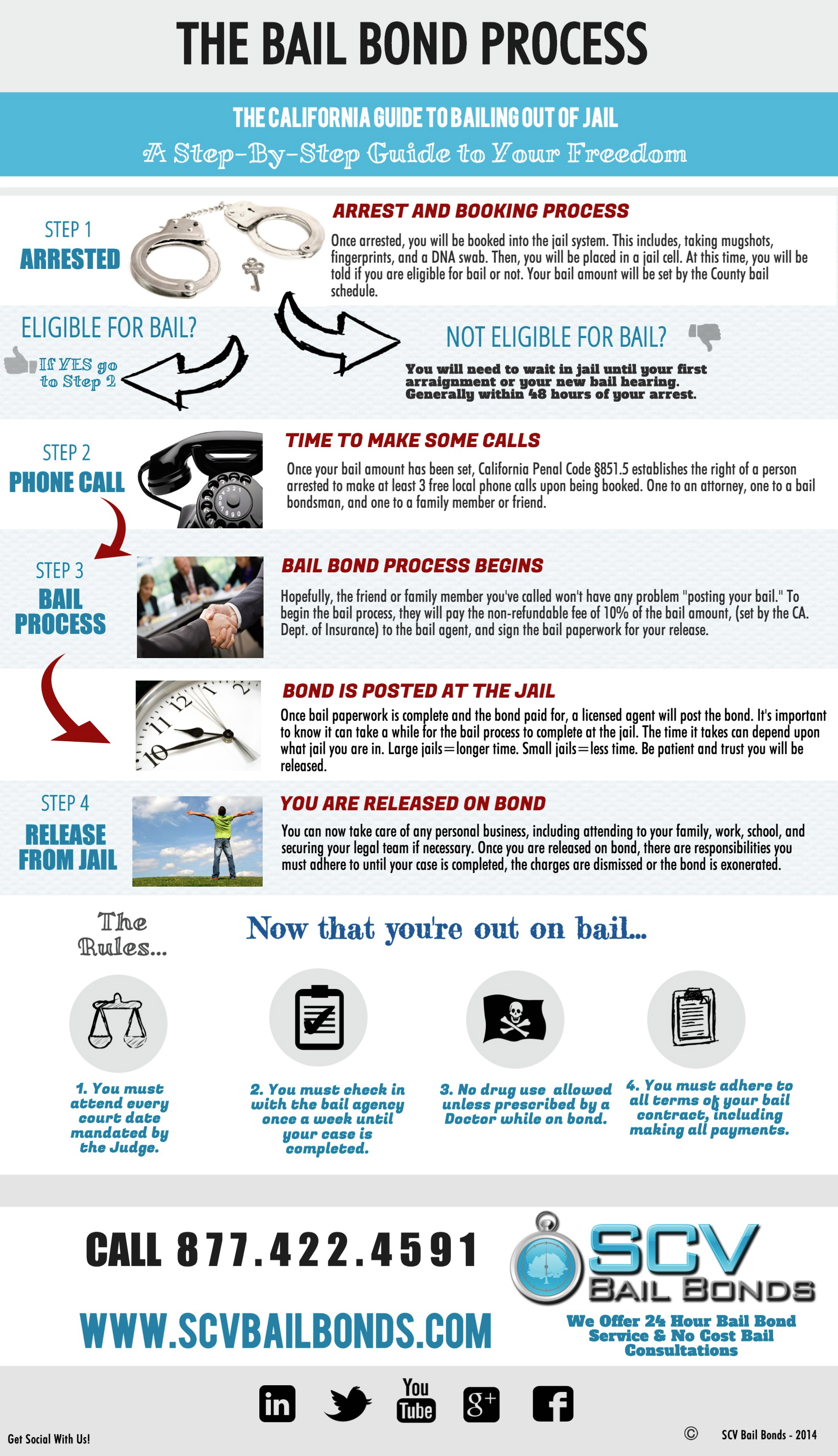
An arrest in California typically begins with law enforcement taking an individual into custody, often based on probable cause that a crime has been committed. Following the arrest, the individual is transported to a police station or county jail for booking. This process involves recording personal information, fingerprinting, photographing, and a background check. For international visitors, this stage can be particularly disorienting due to language barriers and unfamiliar procedures. During booking, arrestees are often informed of the charges against them.
Following booking, authorities typically consult a bail schedule, a pre-determined list of bail amounts set by the judges of the local Superior Court for various crimes. These schedules provide a standard amount for common offenses. However, a judge can deviate from the schedule based on the specifics of the case, the defendant’s criminal history, flight risk, and public safety concerns. For a tourist, the concept of “flight risk” might be heavily scrutinized, given their non-resident status and potential lack of ties to the local community.
Types of Bail in California
California law provides several avenues for an individual to post bail and secure release from custody pending trial. Understanding these options is critical for anyone, especially visitors who may be far from their usual support systems.
- Cash Bail: This is the most straightforward method. The full bail amount, as determined by the bail schedule or a judge, is paid directly to the court or jail. If the defendant appears for all their court dates, the full amount is returned at the conclusion of the case, regardless of the verdict. If they fail to appear, the cash bail is forfeited to the court. For a tourist, coming up with a substantial cash amount, especially in an unfamiliar currency or without immediate access to their funds, can be a significant challenge.
- Surety Bond (Bail Bond): This is the most common method for posting bail in California. It involves a third-party company, a bail bond agent, who guarantees the court that the defendant will appear. In exchange for this service, the defendant (or someone on their behalf) pays the bail bond company a non-refundable premium, typically 10% of the total bail amount. The bail bond company then posts the full bail amount with the court. If the defendant flees, the bail bond company is responsible for the full bail amount and will often employ bounty hunters to locate and apprehend the defendant.
- Property Bond: Less common, this option allows a defendant to use real estate as collateral for their release. The equity in the property must be at least twice the bail amount. If the defendant fails to appear, the court can place a lien on the property or initiate foreclosure proceedings. This option is generally impractical for tourists who typically do not own property in California.
- Own Recognizance (O.R.) Release: In some cases, especially for minor offenses or individuals with strong community ties and no flight risk, a judge may release a defendant on their “own recognizance.” This means the defendant promises to appear for all court dates without having to post any financial bail. The judge assesses factors like the severity of the crime, the defendant’s criminal history, and their ties to the community. For a tourist, demonstrating “ties to the community” can be difficult, making O.R. release less likely unless the offense is very minor and there is no perceived flight risk.
- Federal Bail: If arrested for a federal crime while in California, the process shifts to the federal justice system. Federal bail procedures are often more stringent, with a stronger emphasis on public safety and flight risk, governed by the federal Bail Reform Act. This can have significant implications for international tourists.
Navigating the Bail System as a Tourist
While the core principles of bail remain consistent, certain aspects can present unique challenges and considerations for tourists. Being arrested away from home can be incredibly stressful, and practical knowledge can make a substantial difference.
Cash Bail and Its Implications for Travelers
For visitors, raising a significant cash bail amount on short notice can be formidable. Access to personal bank accounts might be limited, and international wire transfers can take time, incurring fees and potentially attracting scrutiny. Moreover, carrying large sums of cash is generally not advisable for tourists. If cash bail is posted, and the individual adheres to all court requirements, the money is returned. However, the logistical challenge of recovering and transferring a large sum of money, especially if the tourist has already departed California, needs to be considered. It’s essential to keep all receipts and documentation related to cash bail.
The Role of Bail Bonds

For many tourists, a bail bond is the most practical solution. Paying a non-refundable 10% premium might be more manageable than the full bail amount. However, finding a reputable bail bond agent in an unfamiliar city can be tricky. It’s advisable to seek recommendations from legal counsel or official sources. Tourists should ensure they fully understand the terms of the bail bond agreement, including any collateral requirements or conditions for release, which might involve reporting to a bail agent periodically. It’s also important to be aware that the 10% premium is non-refundable, regardless of the outcome of the case.
The bail bond industry in California is regulated. All bail bond agents must be licensed by the California Department of Insurance. Checking for proper licensing and a clean record can offer some peace of mind. Many bail bond companies operate 24/7, acknowledging that arrests can happen at any time.
Recent Bail Reforms in California
California has been at the forefront of bail reform debates, aiming to reduce reliance on cash bail, which critics argue disproportionately impacts lower-income individuals. While some legislative attempts to eliminate cash bail entirely (like Senate Bill 10) have faced challenges and public referendums, the trend is towards increasing the use of risk-based assessments for pretrial release. Courts in counties like Santa Clara County and San Francisco have implemented programs that prioritize releasing defendants based on a Pretrial Release Assessment rather than their ability to pay.
These reforms mean that even for tourists, a judge might consider factors beyond the bail schedule, such as the likelihood of the individual returning for court, their flight risk, and any potential danger to the community. This could, in some instances, lead to an O.R. release even for non-residents if the circumstances warrant it. However, the perception of flight risk for someone without strong local ties remains a significant hurdle. The Eighth Amendment to the U.S. Constitution prohibits excessive bail, a principle that applies to all individuals within the U.S., regardless of their citizenship or residency status.
Tips for Tourists: What to Do If Arrested
While no one plans for an arrest during their vacation, being prepared can mitigate stress and ensure rights are protected. These tips are particularly relevant for tourists visiting cities like Los Angeles, San Francisco, San Diego, or any other part of California.
Seeking Legal Counsel and Consular Assistance
The first and most crucial step after an arrest is to assert your right to an attorney. Do not answer questions without legal representation. If you cannot afford an attorney, one will be appointed to you (a public defender). For international visitors, contacting your country’s consulate or embassy is paramount. Consular officials can provide assistance, including helping you find legal representation, informing family members, and ensuring your rights are protected under international agreements. For example, a citizen of Canada arrested in California has the right to contact the Canadian Consulate General in Los Angeles.
Understanding Your Rights in California
California law, outlined in the California Penal Code and case law, ensures certain rights for all arrested individuals. These include:
- The right to remain silent.
- The right to an attorney.
- The right to be informed of the charges.
- The right to a phone call (often within a few hours of booking).
- The right to reasonable bail (under the Eighth Amendment).
It’s vital for tourists to remember that legal systems vary significantly between countries. What might be permissible in one’s home country could lead to serious legal consequences in California. For instance, public intoxication laws or even seemingly minor offenses like jaywalking or littering can lead to an arrest and potential bail issues. Understanding and respecting local laws is a key part of cultural immersion.
Preparing for the Unexpected
While no one anticipates legal trouble while traveling, a few proactive measures can offer a safety net:
- Carry Identification: Always carry a valid form of identification, such as a passport (for international visitors) or driver’s license.
- Emergency Contacts: Keep a list of emergency contacts, including family members, legal counsel, and your country’s consulate or embassy (if applicable), in an easily accessible but secure location.
- Understand Local Laws: A quick review of local ordinances and state laws, especially regarding common tourist activities (e.g., alcohol consumption, cannabis use, traffic laws), can prevent unintentional violations. California has unique laws, particularly around cannabis, which, while legal for recreational use, still carries restrictions on public consumption and transportation across state lines.
- Financial Preparedness: While not pleasant to consider, having access to emergency funds or credit for unforeseen expenses, including potential bail or legal fees, can be incredibly helpful.
In summary, while the dream of a California vacation is almost universally positive, understanding the intricacies of the local legal system, specifically how bail works, is a vital component of responsible and informed tourism. Being aware of your rights, knowing the available bail options, and understanding where to seek help can transform a potentially catastrophic situation into a manageable challenge, allowing you to return to enjoying the wonders California has to offer.
LifeOutOfTheBox is a participant in the Amazon Services LLC Associates Program, an affiliate advertising program designed to provide a means for sites to earn advertising fees by advertising and linking to Amazon.com. Amazon, the Amazon logo, AmazonSupply, and the AmazonSupply logo are trademarks of Amazon.com, Inc. or its affiliates. As an Amazon Associate we earn affiliate commissions from qualifying purchases.