
For many embarking on a new adventure, whether it’s a cross-country move, a long-term stay, or even an extended visit to a new state, understanding the local civic landscape can be as crucial as finding the best accommodation or discovering hidden gems. California, a state renowned for its diverse landscapes, innovative spirit, and vibrant lifestyle, attracts millions of new residents and long-term visitors each year. From the bustling streets of Los Angeles to the iconic Golden Gate Bridge in San Francisco, the allure is undeniable. As you settle into your new rhythm, perhaps considering a stay in Napa Valley or exploring the natural beauty of Yosemite National Park, a fundamental question might arise for those wishing to engage with their new community: Do you need ID to vote in California?
The answer, for many, is surprisingly straightforward, yet it carries nuances that are important for every eligible voter, especially those new to the Golden State, to understand. Unlike some other states in the United States with strict photo ID requirements, California maintains a voter-friendly approach that prioritizes accessibility while ensuring election integrity. This comprehensive guide will walk you through California’s voter identification laws, clarify common misconceptions, and offer essential tips for ensuring your voice is heard, whether you’re a long-time resident or just beginning your California journey.
Understanding California’s Voter Identification Laws
California stands out with its progressive approach to voter access. The state has long championed policies aimed at making it easier for all eligible citizens to cast their ballots, understanding that civic participation is a cornerstone of a healthy community, much like experiencing the local culture is key to a fulfilling travel experience.
The General Rule: No ID Required for Most
Perhaps the most significant piece of information for potential voters in California is that, in most cases, you do not need to show identification at the polls to cast a regular ballot. This policy is a cornerstone of California’s election system, designed to remove barriers to voting and encourage broad participation. When you arrive at your polling place on Election Day, or when you submit your vote-by-mail ballot, you typically won’t be asked for a photo ID.
This approach reflects a broader philosophical stance on voting rights, emphasizing that every registered citizen should have the opportunity to vote without additional hurdles. For those who frequently move, whether for work, adventure, or simply a change of scenery, this streamlined process can be a welcome relief, allowing them to focus on adapting to their new surroundings, from finding the perfect boutique hotel in Beverly Hills to exploring the vibrant food scene in San Diego.
When ID Might Be Requested
While the general rule holds true for the vast majority of voters, there are specific, limited circumstances under which you might be asked to show identification. These situations are primarily designed to verify your identity if there’s an administrative issue or if you’re registering to vote for the first time by mail and haven’t provided sufficient verification information on your registration form.
- First-Time Voters Who Registered by Mail and Didn’t Provide ID Information: If you registered to vote by mail and did not provide your California driver’s license number, California ID number, or the last four digits of your Social Security number on your registration form, and this is your first time voting in a federal election in California, you may be asked to show ID at the polls. This is a federal requirement under the Help America Vote Act (HAVA).
- Provisional Ballots: If there is any question about your voter registration status—for example, if your name doesn’t appear on the roster at your polling place, or if you’ve moved recently and your address hasn’t been updated—you have the right to cast a provisional ballot. While you typically won’t need ID to cast a provisional ballot, providing it (along with any other relevant information) can help election officials verify your eligibility more quickly and ensure your vote is counted.
- Challenges at the Polls: Though rare, a poll worker or another voter might challenge your eligibility. In such cases, providing identification can help resolve the issue quickly, although it’s not strictly mandated by state law for regular ballots.

It’s important to remember that these are exceptions rather than the rule. For most registered voters in California, the voting process remains streamlined and free of ID hurdles.
Acceptable Forms of Identification (If Requested)
Should you fall into one of the limited categories where ID is requested, or if you simply wish to bring ID for your own peace of mind, California accepts a wide range of documents. This flexibility ensures that lack of a specific type of ID doesn’t prevent an eligible citizen from voting. Acceptable forms of identification include, but are not limited to:
- A California driver’s license or state-issued ID card
- A passport
- An employee ID card
- A student ID card issued by a college or university
- A credit or debit card
- A utility bill (with your name and current address)
- A bank statement
- A tribal identification card
- Any document issued by a governmental agency
The key is that the identification should show your name and generally confirm your identity. It does not necessarily need to be a photo ID. This broad list makes it easier for individuals from all walks of life—including students exploring campus life, professionals on temporary assignments, or retirees enjoying a long-term villa rental—to meet any potential ID request.
Navigating Voter Registration and Eligibility for Newcomers
For those just beginning to experience the wonders of California—perhaps after relocating from another state or an international destination—understanding the path to voter registration is paramount. The joy of discovering local attractions or the perfect boutique hotel is often matched by the desire to integrate and participate in the civic life of your new home.
Who Can Vote in California?
To be eligible to vote in California, you must meet several criteria:
- Be a United States citizen.
- Be a resident of California.
- Be at least 18 years old on Election Day.
- Not be currently serving a state or federal prison term for the conviction of a felony.
- Not currently be found mentally incompetent to vote by a court.
These requirements are standard across the United States with slight variations, and they apply equally to someone who has lived in California their entire life or someone who has just moved to Fresno last month.
Registering to Vote: What You Need to Know
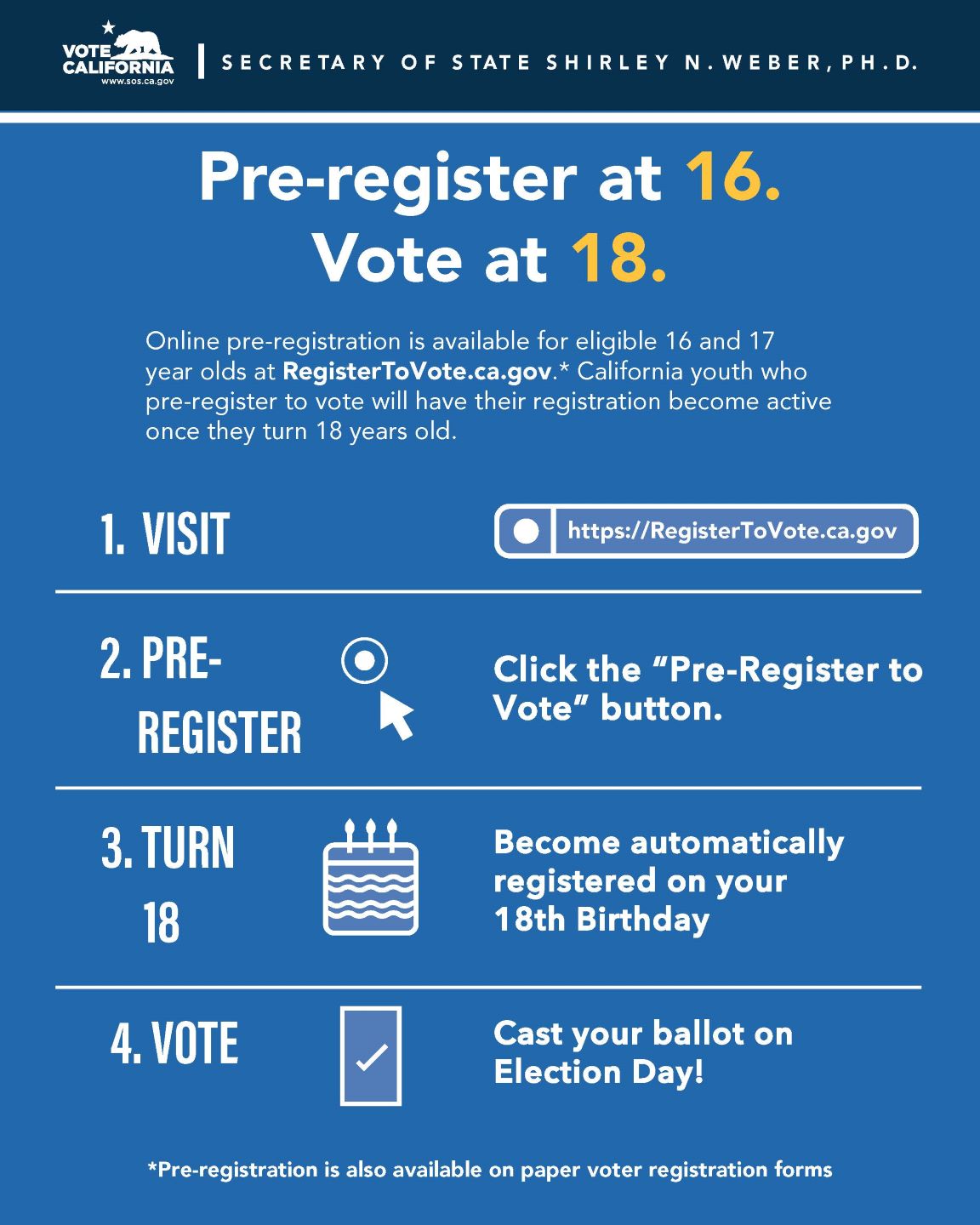
California offers several convenient ways to register to vote, reflecting the state’s commitment to accessibility. You can register online, by mail, or in person.
- Online Registration: This is often the easiest and quickest method. Visit the California Secretary of State’s website. You’ll need your California driver’s license or California ID card number, the last four digits of your social security number, and your date of birth. If you don’t have a California driver’s license or ID, you can still register online, but you’ll need to print, sign, and mail your completed form.
- Mail Registration: Pick up a voter registration form at any post office, public library, Department of Motor Vehicles (DMV) office, or county elections office (such as in Sacramento). Fill it out and mail it in.
- In-Person Registration: You can register in person at your county elections office.
- Same-Day Voter Registration (Conditional Voter Registration): California offers “Same-Day Voter Registration,” also known as Conditional Voter Registration (CVR). This means that if you miss the 15-day registration deadline before an election, you can still go to your county elections office or an authorized satellite location, register, and cast a provisional ballot. Once your eligibility is verified, your ballot will be counted. This is an incredibly valuable provision for those who might be new to an area or simply missed the deadline amidst the hustle and bustle of exploring Lake Tahoe or settling into a new apartment.
When registering, providing your California driver’s license/ID card number or the last four digits of your Social Security number is highly recommended. This information allows election officials to verify your identity electronically, avoiding the need to show ID when you go to vote, even if it’s your first time.
Special Considerations for Travelers and Relocating Individuals
For digital nomads, remote workers, and individuals who embrace a flexible lifestyle often associated with the “Life Out of the Box” philosophy, understanding residency for voting purposes is key.
- Establishing Residency: To vote in California, you must be a resident of the state. This generally means you intend to make California your primary home. Factors like where you register your car, get your driver’s license, pay taxes, and spend most of your time contribute to establishing residency. For those who frequently move or maintain residences in multiple states, this can be a complex area, and it’s essential to understand that you can only vote in one location for any given election.
- Vote-by-Mail: California now mails a ballot to every active registered voter for every election. This means that once you are registered, you will automatically receive your ballot at your registered address. This is incredibly convenient for travelers or those with busy schedules, allowing them to participate from the comfort of their home, resort, or even while managing a business stay.
- Updating Your Registration: If you move within California, it’s crucial to update your voter registration with your new address. You can do this easily online. If you move shortly before an election, you might still be able to vote at your previous polling place or use Same-Day Voter Registration at a county elections office.
Staying on top of your registration ensures a seamless voting experience, allowing you to focus on discovering new landmarks or indulging in the unique experiences California has to offer.
Ensuring Your Vote Counts: Tips for Residents and Visitors
Participating in the democratic process is a vital part of engaging with your community, whether you’re a long-term resident or someone who has chosen California for an extended retreat. Just as you’d research the best hotels or plan your destinations, taking a few proactive steps can ensure your vote is securely cast and accurately counted.
Proactive Steps Before Election Day
- Verify Your Registration Status: A few weeks before any election, it’s wise to double-check your voter registration status. You can do this easily online via the California Secretary of State’s website. Confirm your address is current and that you are indeed registered. This step is particularly important if you’ve recently moved, whether to a new city like San Diego or just across town.
- Understand Your Ballot: With vote-by-mail being the standard, you’ll receive your official ballot well in advance of Election Day. Take the time to research the candidates and propositions. Many county election offices provide voter information guides, and non-partisan organizations also offer valuable resources. Informed voting is empowered voting.
- Know Your Polling Place (if voting in person): While most Californians vote by mail, some prefer to cast their ballot in person. Your county election official will provide information on your assigned polling place. You can also find this information online. Knowing where to go and when can save you time and stress on Election Day.
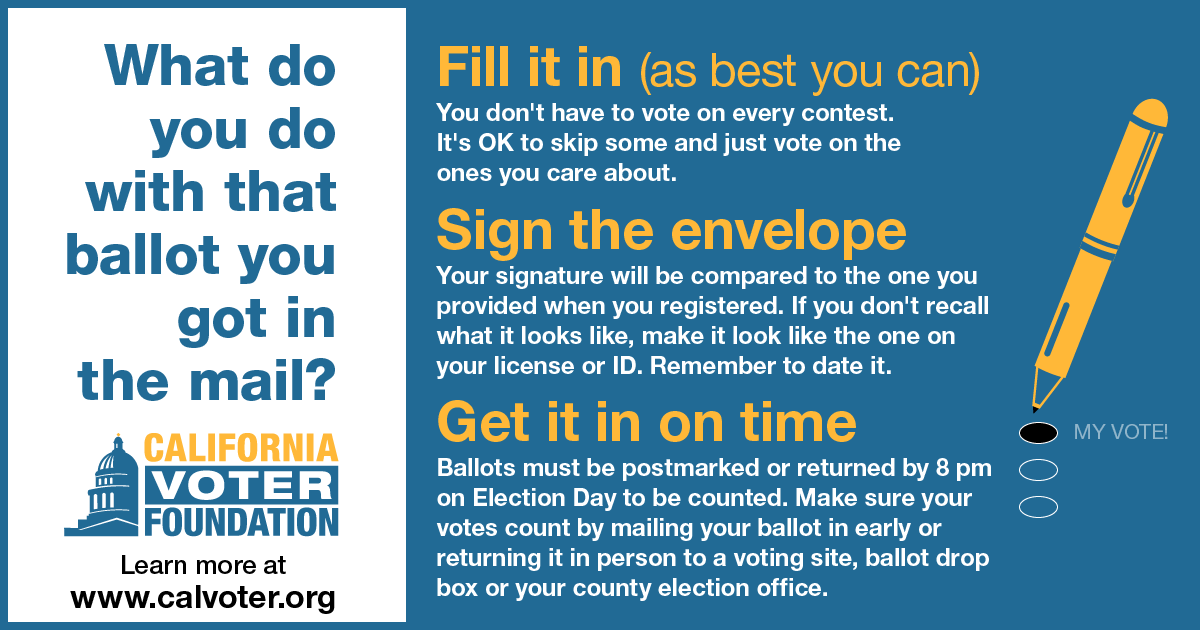
- Sign Your Ballot Envelope Carefully: When returning your vote-by-mail ballot, your signature on the return envelope is crucial. It is compared to the signature on file from your voter registration to verify your identity. If the signatures don’t match, election officials will contact you to confirm your identity, but a clear, consistent signature helps avoid delays.
Resources for Voters
California provides a wealth of resources to help voters navigate the electoral process:
- California Secretary of State: The official go-to source for all election-related information, including voter registration, election dates, and official guides.
- County Elections Offices: Each county, from vast Los Angeles County to more rural areas near Death Valley National Park, has an elections office that can provide localized information, assist with registration, and answer specific questions.
- Non-Partisan Voter Information Websites: Organizations like the League of Women Voters offer excellent non-partisan information about candidates and ballot measures.
Leveraging these resources ensures that whether you’re planning your next adventure or simply trying to get involved in your local community, you have all the tools necessary to make your vote count.
The Broader Context: Why Voter ID Laws Matter
While the specifics of California’s voter ID laws might seem a niche topic for a travel and lifestyle website, understanding the mechanics of civic participation is an integral part of truly experiencing and belonging to a place. Just as exploring local culture enriches your tourism experience, understanding the local governance empowers you as a temporary or permanent resident.
Perspectives on Voter Access and Security
The debate surrounding voter ID laws across the United States often centers on two core principles: voter access and election security. States requiring strict photo ID argue that it’s essential to prevent voter fraud and ensure the integrity of the ballot box. Conversely, states like California, which largely eschew photo ID requirements, emphasize that such laws can disproportionately disenfranchise eligible voters—particularly the elderly, low-income individuals, students, and minorities—who may not have easy access to government-issued photo identification.
California’s system attempts to strike a balance, focusing on robust voter registration verification and signature matching for mail-in ballots as primary security measures, rather than an ID check at the polls. This approach is intended to maximize participation while still maintaining confidence in election outcomes. For individuals experiencing California from a “Life Out of the Box” perspective, understanding these underlying philosophies provides deeper insight into the state’s social and political landscape.
Staying Informed While Exploring California’s Diverse Landscapes
For those who view life as a continuous journey, filled with discovery and immersion, staying informed extends beyond simply knowing where to find the best hotels or the most breathtaking landmarks. It also involves understanding the civic fabric of the places you inhabit. Whether you’re considering a permanent move to California, enjoying a long-term apartment stay in San Francisco, or even just passing through on an extended road trip, being aware of local laws and customs—including voting regulations—enriches your overall experience.
Engaging with the electoral process, even in a small way, connects you to the decisions that shape the communities you visit and call home. It’s a testament to the belief that every voice matters, whether that voice is from a tech innovator in Silicon Valley, a farmer in the Central Valley, or a digital nomad enjoying the coastal breeze. The ability to vote, unencumbered by excessive ID requirements, is a reflection of California’s commitment to broad democratic participation, a core aspect of its dynamic and inclusive lifestyle.
In conclusion, for most eligible citizens in California, the answer to “Do you need ID to vote in California?” is generally no. The state’s voter-friendly laws prioritize accessibility, ensuring that whether you’re new to the state or a long-time resident, your path to the ballot box is as clear and welcoming as the Golden State itself. By taking a few simple steps to register and verify your information, you can ensure that your voice contributes to the future of this incredible state, truly living a life where every experience, including civic engagement, is explored to its fullest.
LifeOutOfTheBox is a participant in the Amazon Services LLC Associates Program, an affiliate advertising program designed to provide a means for sites to earn advertising fees by advertising and linking to Amazon.com. Amazon, the Amazon logo, AmazonSupply, and the AmazonSupply logo are trademarks of Amazon.com, Inc. or its affiliates. As an Amazon Associate we earn affiliate commissions from qualifying purchases.