
Planning a tropical getaway often comes with a checklist of logistical considerations, and chief among them is usually the dreaded passport question. For travelers from the United States, the prospect of visiting a Caribbean paradise like Puerto Rico might spark confusion regarding entry requirements. The simple answer, which is a delightful relief for many, is that U.S. citizens generally do not need a passport to travel to Puerto Rico.
This unique travel perk stems from Puerto Rico’s status as an unincorporated territory of the United States. It’s considered domestic travel for U.S. citizens, much like flying from California to Florida. This ease of access makes Puerto Rico an incredibly appealing destination for those seeking an exotic escape without the hassle of international travel documentation. From its vibrant culture and stunning natural beauty to its historical landmarks and world-class accommodation options, Puerto Rico offers an unparalleled blend of Caribbean charm and American familiarity.
However, while a passport isn’t mandatory for U.S. citizens, there are still essential documents you’ll need, and the rules differ significantly for non-U.S. citizens. This comprehensive guide will demystify the travel requirements, offer practical tips for planning your trip, and delve into the myriad experiences awaiting you on this captivating island, ensuring your journey is as smooth and enjoyable as possible.
Understanding Puerto Rico’s Unique Status for U.S. Citizens
The relationship between the United States and Puerto Rico is foundational to understanding its travel requirements. As a U.S. territory, Puerto Rico operates under U.S. federal laws, its currency is the USD (United States Dollar), and its residents are U.S. citizens. This intricate connection translates directly into simplified travel for mainland Americans, but it also means international visitors must adhere to standard U.S. entry regulations.
Travel Requirements for U.S. Citizens
For citizens of the United States, a trip to Puerto Rico is essentially a domestic flight. This means you do not need to present a valid U.S. passport at the airport or upon arrival. Instead, you will need to provide a government-issued photo identification that is compliant with the REAL ID Act.
Commonly accepted forms of identification include:
- State-issued driver’s license: This is the most widely used and accepted form of ID for domestic air travel. Ensure it is REAL ID compliant (marked with a star or other specific indicator).
- State-issued identification card: Similar to a driver’s license but without driving privileges.
- U.S. military ID: For active duty military personnel and veterans.
- Permanent resident card (Green Card): For lawful permanent residents of the United States.
- U.S. Passport or Passport Card: While not required, these are always accepted and can serve as a backup.
- Trusted Traveler Program cards: Such as Global Entry, NEXUS, SENTRI, or FAST cards.
It’s crucial to check that your chosen ID is valid and not expired before your trip. The TSA (Transportation Security Administration) website provides a comprehensive list of acceptable IDs for air travel. For minors traveling with an adult, usually no ID is required for children under 18 when traveling with a companion within the United States. However, it’s always wise to carry a birth certificate or other proof of age, especially for older children who might be mistaken for adults. For unaccompanied minors, airlines have specific policies and requirements that should be reviewed well in advance.
The primary benefit of this “no passport needed” policy is the sheer convenience and spontaneity it offers. Travelers can decide on a whim to visit Puerto Rico without the several-week wait for passport processing or renewal, making it an ideal last-minute getaway. This also significantly reduces potential travel anxieties and streamlines the airport experience.
Travel Requirements for Non-U.S. Citizens
For individuals who are not U.S. citizens or lawful permanent residents, traveling to Puerto Rico is considered international travel, and standard U.S. entry requirements apply. This means you will need a valid passport from your country of origin.
Depending on your nationality, you may also require a U.S. visa. The specific type of visa will depend on the purpose of your visit (tourism, business, study, etc.) and the duration of your stay. Visitors from countries participating in the Visa Waiver Program (VWP) may be eligible to travel to the United States for tourism or business for stays of 90 days or less without a visa, provided they obtain an approved Electronic System for Travel Authorization (ESTA) prior to departure.
Upon arrival at Luis Muñoz Marín International Airport (SJU) in San Juan, international travelers will go through CBP (U.S. Customs and Border Protection) inspections, just as they would when entering any other part of the United States. It is essential for non-U.S. citizens to thoroughly research and fulfill all necessary visa and documentation requirements well in advance of their travel dates to avoid any complications.
Beyond the Passport: Preparing for Your Puerto Rico Adventure
While the passport hurdle is removed for U.S. citizens, a well-planned trip involves more than just entry documents. Puerto Rico offers a diverse landscape of experiences, from historic cityscapes to lush rainforests and pristine beaches, and preparing adequately will enhance your enjoyment of all of it.
Essential Travel Documents and Practical Tips
Beyond your primary identification, consider carrying a few other documents and preparing for practical aspects of your trip:
- Copies of Important Documents: Keep digital and physical copies of your ID, flight details, hotel reservations, and travel insurance information in a separate, secure location. This can be a lifesaver if your originals are lost or stolen.
- Health and Safety:
- Travel Insurance: While Puerto Rico is part of the U.S. healthcare system, your specific health insurance plan might have different coverage for out-of-state or territorial travel. Check with your provider. Consider travel insurance for trip cancellations, medical emergencies, and lost luggage.
- Medications: Bring an adequate supply of any prescription medications in their original containers, along with a copy of your prescription.
- Sun Protection: The Caribbean sun is intense. Pack high-SPF sunscreen, a hat, and sunglasses.
- Insect Repellent: Especially if you plan to visit natural areas like El Yunque National Forest or bio-luminescent bays.
- Currency and Banking: The official currency is the USD. Credit cards are widely accepted, but it’s always good to have some cash for smaller vendors, tips, or in areas where card machines might not be readily available. ATMs are plentiful, especially in urban areas.
- Language: Spanish is the official language, but English is widely spoken, particularly in tourist areas, hotels, and major cities like San Juan. Learning a few basic Spanish phrases can enhance your cultural experience and is always appreciated by locals.
- Time Zone: Puerto Rico observes Atlantic Standard Time (AST), which is equivalent to Eastern Daylight Time (EDT) year-round. It does not observe daylight saving time.
Navigating Your Trip: Getting There and Around
Getting to Puerto Rico is straightforward, and once there, a variety of transportation options allow you to explore the island at your own pace.
- Flights to Puerto Rico: The primary gateway to Puerto Rico is Luis Muñoz Marín International Airport (SJU), located in Carolina, just a short drive from San Juan. It’s a major hub with direct flights from numerous cities across the United States, Canada, and other Caribbean islands. Smaller airports like Rafael Hernández Airport (BQN) in Aguadilla also serve the western part of the island.
- Transportation on the Island:
- Rental Cars: For maximum flexibility and to explore beyond the main tourist hubs, renting a car is highly recommended. Major international car rental agencies operate at SJU and other locations. Roads are generally well-maintained, though signage might be predominantly in Spanish outside of San Juan. Remember to drive on the right side of the road.
- Taxis & Ride-sharing: Taxis are readily available at the airport and in tourist areas. Ride-sharing services like Uber are also active in San Juan and its immediate vicinity, offering a convenient way to get around the city.
- Public Transportation: While public buses (AMA Metro Bus) operate in the San Juan metropolitan area, they might not be the most efficient or comprehensive for tourists looking to explore extensively. The Tren Urbano (urban train) connects specific points within San Juan and neighboring municipalities.
- Ferries: To visit the smaller islands of Vieques and Culebra, you’ll need to take a ferry from Fajardo or Ceiba. These offer an authentic local experience and are essential for reaching some of Puerto Rico’s most stunning beaches.
Exploring the Richness of Puerto Rico: Destinations and Experiences
Puerto Rico is a land of vibrant contrasts, where ancient history meets modern luxury, and lush rainforests give way to sun-drenched beaches. Catering to every type of traveler, the island’s diverse offerings are a testament to its unique blend of cultures and landscapes.
Iconic Landmarks and Natural Wonders
The island is dotted with historical treasures and breathtaking natural attractions that promise unforgettable experiences.
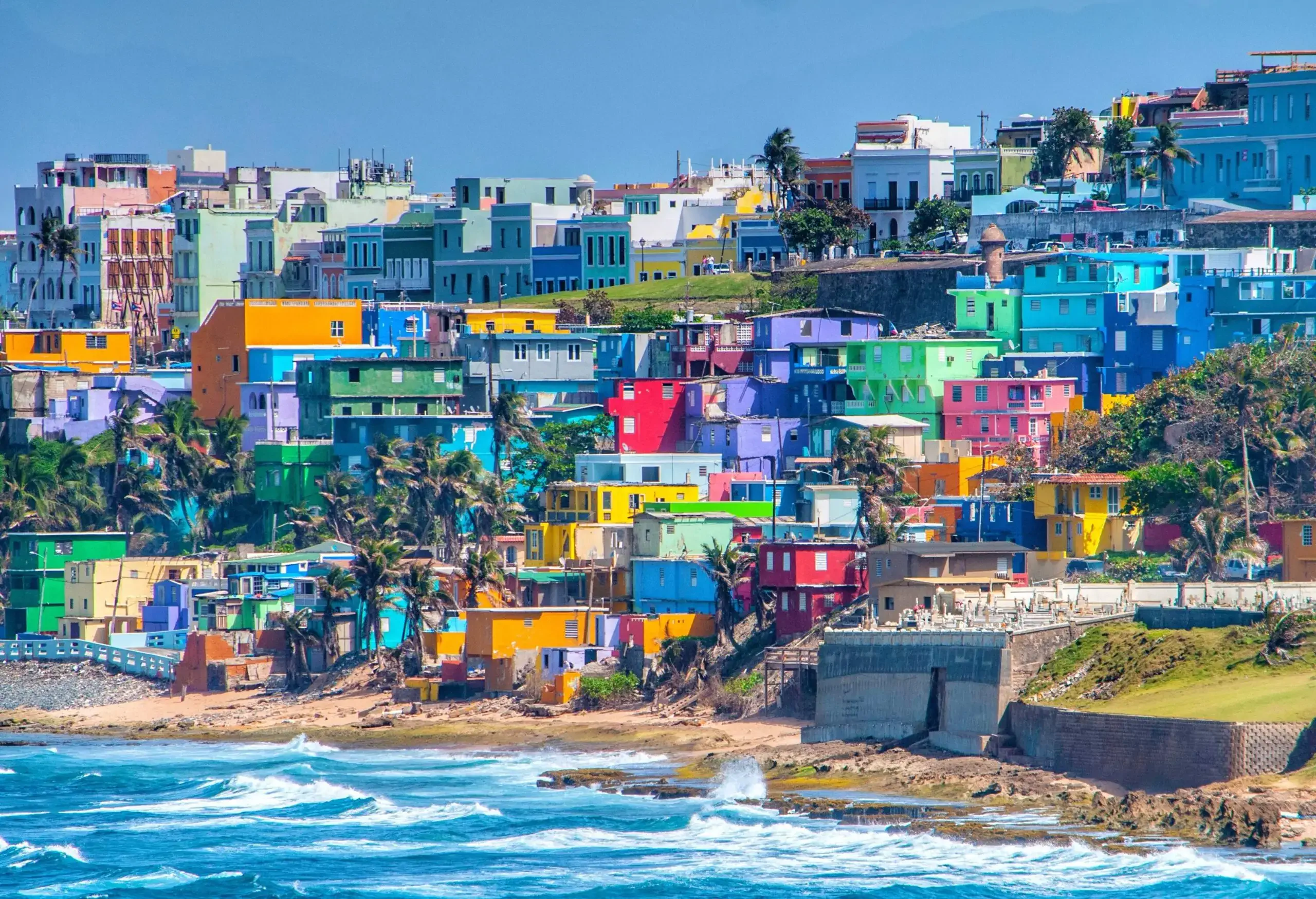
- Old San Juan: This historic district is a UNESCO World Heritage Site and the heart of Puerto Rico’s cultural identity. Wander through cobblestone streets lined with colorful colonial buildings, explore centuries-old fortifications like El Morro (Castillo San Felipe del Morro) and San Cristóbal Fort, and soak in the lively atmosphere of plazas and street art. Old San Juan is also home to charming boutique hotels, diverse restaurants, and vibrant nightlife.
- El Yunque National Forest: The only tropical rainforest in the U.S. National Forest System, El Yunque National Forest is a paradise for nature lovers. Hike through lush trails, discover cascading waterfalls like La Coca Falls and Juan Diego Falls, and marvel at the incredible biodiversity, including the iconic Coquí frog.
- Bio-luminescent Bays: Puerto Rico is home to three of the world’s five bio-luminescent bays, where microorganisms light up the water at night. The brightest and most famous is Mosquito Bay on Vieques, followed by Laguna Grande in Fajardo and La Parguera on the southwestern coast. Kayaking or electric boat tours offer a magical, unforgettable experience under the stars.
- Culebra & Flamenco Beach: A short ferry ride or flight from the main island will take you to Culebra, renowned for Flamenco Beach. Consistently ranked among the world’s best beaches, Flamenco Beach boasts soft white sand, calm turquoise waters, and unique WWII tanks adding to its picturesque charm.
- Ponce: Known as the “Pearl of the South,” Ponce offers a different architectural and cultural flavor. Explore its historic downtown with unique neoclassical buildings, visit the Parque de Bombas (old firehouse), and delve into art at the acclaimed Museo de Arte de Ponce.
Culture, Cuisine, and Accommodation
Puerto Rico’s vibrant culture, delicious food, and diverse accommodation options are integral to its appeal.
- Local Culture and Lifestyle: Puerto Rico’s culture is a captivating fusion of Spanish, African, and Taíno influences. Immerse yourself in the infectious rhythms of salsa music, witness vibrant street festivals like the San Sebastián Street Festival in Old San Juan, and engage with the warm and welcoming locals. The island offers a rich tapestry of experiences, from quiet mornings on a remote beach to bustling evenings in a lively plaza.
- Gastronomy: Puerto Rico is a foodie’s paradise. Don’t leave without trying mofongo (a savory dish of fried plantains mashed with garlic, olive oil, and pork cracklings), lechón (spit-roasted pork), pasteles (similar to tamales), and fresh seafood. The island is also famous for its rum production, and a tour of the Bacardi Distillery (Casa Bacardi) offers insight into its history and a chance to sample world-renowned spirits. From fine dining in Condado to casual food kiosks along the coast, there’s a culinary adventure for every palate.
- Accommodation Options: The range of accommodation in Puerto Rico caters to every budget and travel style:
- Luxury Resorts: For those seeking an opulent experience, resorts like the Condado Vanderbilt Hotel in San Juan or the El Conquistador Resort in Fajardo offer lavish suites, infinity pools, spas, and exclusive amenities. These are perfect for luxury travelers, honeymooners, or those planning business stays with leisure components.
- Boutique Hotels: Old San Juan is famous for its charming boutique hotels housed in historic colonial buildings, providing an intimate and culturally immersive stay.
- Apartments and Villas: For families, groups, or long-term stays, renting an apartment or a private villa, often found through platforms like Airbnb or VRBO, provides more space, privacy, and kitchen facilities. This is an excellent option for family trips or those seeking budget travel alternatives without sacrificing comfort.
- Budget-Friendly Guesthouses: Throughout the island, especially outside the major tourist hubs, you can find quaint and affordable guesthouses and smaller hotels that offer an authentic local experience.
- Comparison and Booking: Websites specializing in accommodation booking and reviews can help you compare prices, read guest feedback, and secure the best deals, whether you’re looking for a resort suite, a cozy guesthouse, or a long-term apartment rental.
Making the Most of Your Puerto Rico Getaway
To truly savor all that Puerto Rico has to offer, a little strategic planning goes a long way. From timing your visit to budgeting and responsible tourism, these tips will help you craft an unforgettable experience.
Planning Your Itinerary and Budgeting
- Best Time to Visit: The dry season, from December to May, offers pleasant temperatures and lower humidity, making it ideal for outdoor activities and beach excursions. This is also peak tourist season, so expect higher prices and larger crowds. The wet season, from June to November, includes hurricane season (especially August to October), but also offers lush landscapes and potentially lower travel costs. If traveling during the wet season, consider travel insurance and keep an eye on weather forecasts.
- Crafting Your Itinerary: Puerto Rico has something for everyone. Consider mixing historical exploration in Old San Juan with adventure in El Yunque National Forest, relaxation on Flamenco Beach, and cultural immersion in Ponce. Factor in travel time between locations, especially if renting a car. For a shorter trip (3-5 days), focus on San Juan and a nearby natural attraction. For longer stays (7-10+ days), you can comfortably explore multiple regions of the island.
- Budget Considerations:
- Flights: Book in advance, especially during peak season, for the best fares to SJU.
- Accommodation: Prices vary widely based on type (luxury resort vs. guesthouse) and location. Booking accommodations well in advance, particularly for popular resorts or during high season, is crucial to secure your preferred options and potentially better rates. Utilize comparison websites to find deals.
- Activities: Many natural attractions, like beaches, are free. Tours (bio bay, rainforest hikes) will add to your budget. Consider package deals if offered by hotels or tour operators.
- Food: Eating out can range from budget-friendly street food and kiosks to high-end restaurants. Self-catering in an apartment or villa can save on food costs.
- Transportation: Rental car costs, fuel, and tolls should be factored in if you plan to explore extensively.
Safety and Responsible Tourism
Like any travel destination, awareness and respect are key to a safe and enjoyable trip.
- General Safety: Puerto Rico is generally safe for tourists, especially in well-trafficked areas. As always, exercise common sense: be aware of your surroundings, avoid walking alone at night in poorly lit areas, and don’t display excessive wealth. Secure your valuables.
- Respecting Local Culture: Embrace the local customs, traditions, and pace of life. A little effort to speak Spanish or understand local etiquette goes a long way. Support local businesses and artisans.
- Environmental Responsibility: Puerto Rico’s natural beauty is a precious resource. Practice Leave No Trace principles in natural areas, dispose of waste properly, and respect wildlife. When visiting beaches or bio-bays, avoid using chemical sunscreens that can harm delicate ecosystems; opt for reef-safe alternatives.
In conclusion, for U.S. citizens, the answer to “Do you need a passport for Puerto Rico?” is a resounding no, making it one of the most accessible international-feeling destinations without the usual passport requirements. This ease of travel, combined with the island’s captivating blend of vibrant culture, rich history, diverse landscapes, and array of accommodation options – from luxurious resorts to charming guesthouses – positions Puerto Rico as an ideal choice for your next adventure. Whether you’re seeking a historical deep dive in Old San Juan, an eco-adventure in El Yunque National Forest, or simply a relaxing beach holiday on Flamenco Beach, Puerto Rico promises an enriching and unforgettable experience. So pack your bags, grab your government-issued ID, and prepare to be enchanted by the “Island of Enchantment.” Start planning your Puerto Rico getaway today!
LifeOutOfTheBox is a participant in the Amazon Services LLC Associates Program, an affiliate advertising program designed to provide a means for sites to earn advertising fees by advertising and linking to Amazon.com. Amazon, the Amazon logo, AmazonSupply, and the AmazonSupply logo are trademarks of Amazon.com, Inc. or its affiliates. As an Amazon Associate we earn affiliate commissions from qualifying purchases.