
The chilling narrative of The Texas Chainsaw Massacre, a 1974 horror film, has cemented its place as a cult classic, haunting the imaginations of audiences for decades. Its raw, almost documentary-style realism and visceral horror often lead viewers to a persistent, unsettling question: is this truly based on a true story? The film itself famously opens with a text crawl proclaiming its origins in actual events, a clever cinematic device designed to amplify its terror. However, the reality behind this iconic horror masterpiece is, in fact, far more nuanced than a simple “yes” or “no,” weaving together threads of genuine historical crime, masterful filmmaking, and ingenious marketing.
For enthusiasts of both cinematic history and unique travel experiences, understanding the true story behind the film offers a fascinating journey into the intersections of fiction and reality, leading to real-world landmarks and attractions that have become destinations in their own right. This exploration peels back the layers of myth to reveal the inspirations, the strategic choices, and the enduring cultural impact that continues to draw visitors to related sites today.

The Disturbing Genesis: Unpacking the Ed Gein Connection
While The Texas Chainsaw Massacre paints a terrifying picture of a cannibalistic family in the heart of Texas, the primary, unsettling inspiration for its most iconic villain, Leatherface, and the macabre aesthetics of the horrific household, originates hundreds of miles away in the snowy Midwest. This genesis points directly to the infamous serial killer Ed Gein.
The Butcher of Plainfield: A Real-Life Horror
Ed Gein, a name that sends shivers down the spine of true crime aficionados, was a grave robber and murderer from the quiet, unsuspecting town of Plainfield, Wisconsin. Dubbed “The Butcher of Plainfield,” his chilling crimes, which came to light in the late 1950s, shocked the entire nation and left an indelible mark on the annals of criminal history.
Gein’s reign of terror, though limited in terms of direct murders, was utterly horrifying in its pathology. He was found to have exhumed numerous corpses from local cemeteries, bringing them back to his isolated farmhouse where he engaged in grotesque activities. He fashioned trophies, furniture, and household items from human remains – bones, skin, and organs. Lampshades made of human skin, bowls from skulls, and even a “body suit” crafted from various human parts were among the ghastly discoveries made by authorities. The sheer depravity and isolation of his actions created a palpable sense of unease that permeated small-town America, making national headlines and exposing a darkness previously unimaginable.

His direct murders were few: Mary Hogan, a tavern owner who disappeared in 1954, and Bernice Worden, a hardware store owner murdered in 1957. It was during the investigation into Bernice Worden’s disappearance that police discovered the unspeakable horrors within Gein’s farmhouse. The image of a reclusive, disturbed individual living amidst the remains of the dead provided a potent, if distorted, blueprint for future horror narratives. For those interested in the darker aspects of human history and psychology, the true story of Ed Gein remains a chilling landmark in the study of serial killers, sparking continuous debate and fascination.
Fictionalizing the Macabre: From Wisconsin to the Silver Screen
It is crucial to understand that while Ed Gein’s grim legacy served as a significant inspiration, The Texas Chainsaw Massacre is not a direct adaptation or biopic of his life. Director Tobe Hooper and co-writer Kim Henkel skillfully extracted specific elements of Gein’s disturbing reality and wove them into a completely fictionalized narrative. The unsettling atmosphere of a disturbed individual creating horrors from human remains, the isolated rural setting, and the macabre use of body parts as decor were all direct nods to Gein’s crimes.
However, the film took considerable artistic liberties. Ed Gein himself did not use a chainsaw as his weapon, nor did he wear the skin of his victims as a mask in the terrifying, iconic manner of Leatherface. The cannibalistic family, the specific plotline of stranded youths, and the relentless pursuit by a chainsaw-wielding killer were all products of Hooper and Henkel’s creative genius. They recognized the potent psychological impact of Gein’s reality – the idea that such horror could exist in the quiet corners of America – and amplified it, crafting a narrative that felt disturbingly plausible. This creative process, transforming real-world horror into cinematic terror, is a fascinating study for anyone interested in the art of storytelling and the lifestyle of filmmaking. It also highlights how certain historical events can become a source of inspiration for tourism, drawing people to locations or stories linked to their origins.
Texas’s Iconic (and Infamous) Filming Locations
Despite the chilling inspiration stemming from Wisconsin, The Texas Chainsaw Massacre famously transplants the horror to the sun-baked, desolate landscapes of Texas, crafting an indelible setting that has become a landmark in horror cinema. The physical locations used for filming have taken on a life of their own, drawing fans and curious travelers eager to connect with a piece of film history.
The Original Farmhouse: A Cinematic Landmark’s Journey
The iconic house featured prominently in the movie, often simply referred to as “the Texas Chainsaw Massacre house,” played a character as significant as any of the actors. This dilapidated, imposing farmhouse, with its unsettling Victorian aesthetic and isolated presence, perfectly encapsulated the film’s gritty realism and suffocating sense of dread. Originally, this house stood in Granger, Texas, a small town near the more well-known city of Round Rock. Its appearance – weathered, peeling paint, ominous porch, and dense, overgrown surroundings – conveyed a sense of neglect and forgotten history, making it an ideal backdrop for the horrors unfolding within its fictional walls.
The power of location in filmmaking cannot be overstated, and this farmhouse became instantly recognizable to generations of horror fans. For many, a visit to where cinematic history was made is a compelling aspect of travel, offering a tangible link to stories that have shaped popular culture. However, like many film sets, the original structure did not remain in its initial location, embarking on its own remarkable journey, eventually transforming from a haunted cinematic prop into a vibrant, unexpected attraction.
Visiting the Grand Central Café: A Unique Culinary and Cultural Experience
In a twist of fate that is as fascinating as it is unique, the infamous Texas Chainsaw Massacre house was meticulously disassembled and painstakingly relocated. Today, it stands proudly and beautifully restored in Kingsland, Texas, roughly an hour northwest of Austin. Far from its chilling cinematic past, this architectural landmark now operates as The Grand Central Café, a charming and unique dining establishment that has become a genuine tourist draw.
For fans of the film, visiting The Grand Central Café offers a fascinating blend of cinematic history and local charm, providing a distinctive travel experience unlike any other. Stepping inside, guests can appreciate the historical architecture while enjoying a delicious meal, surrounded by subtle nods to the building’s storied past. It’s a perfect example of how pop culture can revitalize and repurpose historical structures, turning them into thriving hubs for tourism and local commerce.
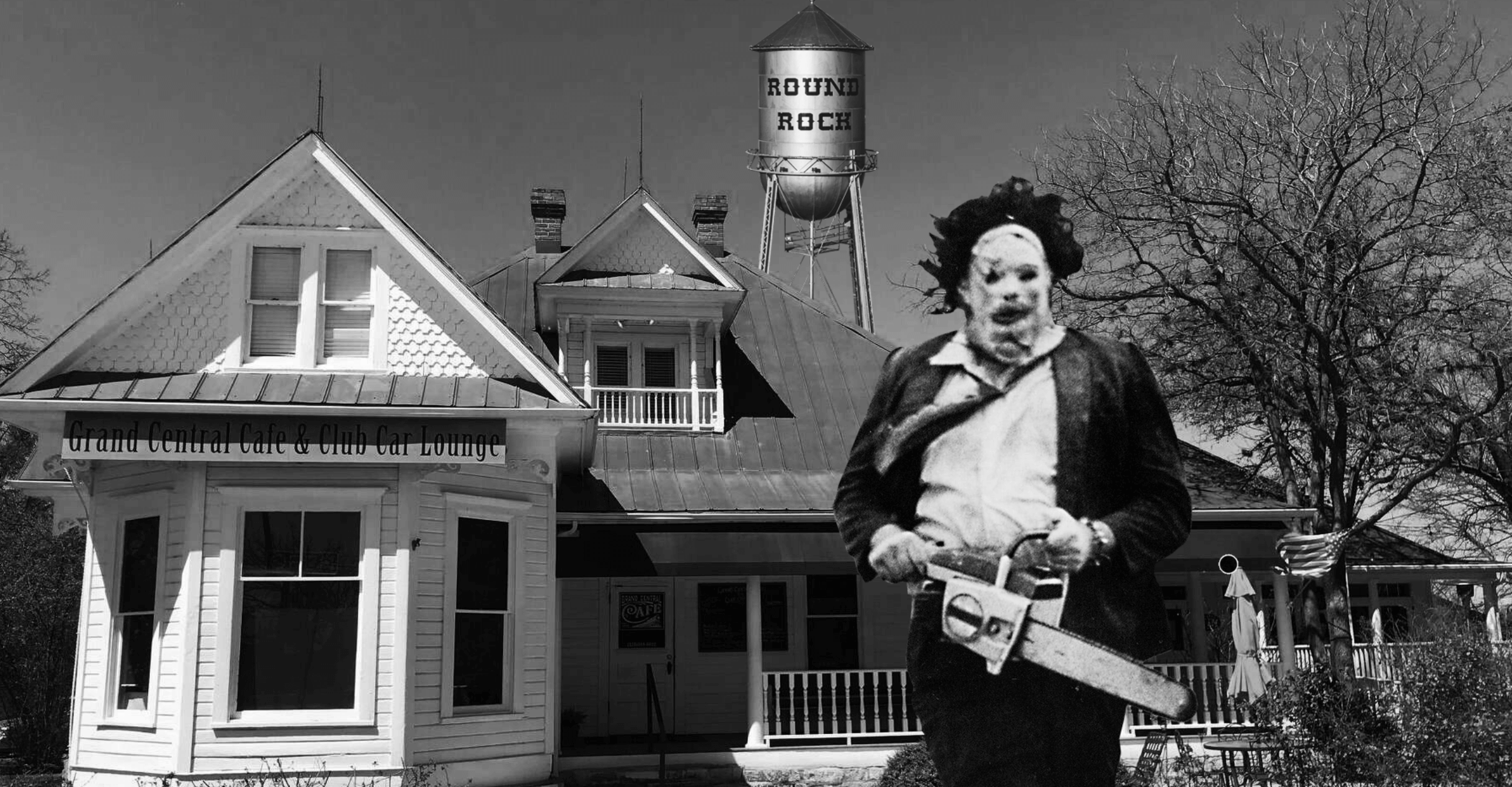
This unique destination appeals not only to horror enthusiasts but also to those who appreciate quirky roadside attractions and offbeat cultural experiences. It’s a testament to the enduring power of film and its ability to transform locations into living landmarks. Visitors often combine their culinary adventure with exploring other local sights in Kingsland or enjoying the natural beauty of the Texas Hill Country, making it a compelling stop on any Texas road trip. For an unforgettable accommodation experience nearby, there are various resorts and hotels offering comfort after a day of cinematic exploration, catering to every lifestyle and budget.
The Power of Myth: How “True Story” Claims Shaped a Legend
The opening narration of The Texas Chainsaw Massacre – “The film you are about to see is an account of the tragedy which befell a group of five youths… The events of that day, as we now understand them, are all the more tragic in that they are true” – became an integral part of the film’s terrifying allure. This claim, while misleading in its directness, was a deliberate and exceptionally effective marketing ploy.
Crafting a Terrifying Reality: Marketing Genius and Societal Reflection
Director Tobe Hooper and co-writer Kim Henkel understood the profound psychological impact such a statement would have on audiences. Their goal was to enhance the film’s visceral impact, making the fictional horrors feel terrifyingly real and immediate. This was not merely a manipulative trick but a brilliant piece of psychological marketing that resonated deeply with the societal climate of the early 1970s.
The era was marked by widespread distrust in authority and institutions, fueled by pivotal events such as the protracted and deeply divisive Vietnam War and the shocking political scandal of Watergate. Public faith in “truth” and official narratives had been severely shaken. In such a climate, a film claiming to be “true events” tapped into a collective anxiety, a primal fear that such atrocities could, and indeed did, happen in the real world, perhaps just down a lonely country road. This made the fictional terror all the more potent, transforming The Texas Chainsaw Massacre from a mere horror film into a cultural phenomenon that blurred the lines between fantasy and grim reality.
The success of this marketing strategy cemented the film’s legendary status and contributed significantly to its enduring myth. It served as a blueprint for countless horror films that followed, demonstrating the immense power of a “based on a true story” tag, regardless of its literal accuracy. This aspect of the film’s history offers a fascinating glimpse into the evolution of cinematic marketing and its profound influence on public perception, becoming a key element in its tourism appeal as people seek out the “truth” behind the legend.
Beyond the Screen: The Enduring Legacy and Travel Implications
The Texas Chainsaw Massacre‘s influence extends far beyond the confines of the horror genre, permeating independent filmmaking, popular culture, and even the realm of travel and tourism. Its raw, documentary-style approach, achieved on a shoestring budget and through independent production, set a new standard, inspiring generations of filmmakers to push boundaries and challenge conventions.
Dark Tourism and Cinematic Pilgrimages
For fans of cinema history, aficionados of “true crime,” and those intrigued by the concept of “dark tourism,” visiting the real-life locations or the sites inspired by the film offers a uniquely compelling travel experience. Dark tourism refers to visiting places associated with death, tragedy, or the macabre. In this context, sites like The Grand Central Café in Kingsland aren’t just restaurants or historical structures; they are cultural landmarks, drawing visitors from across the globe keen to connect with a piece of cinematic legend and the unsettling history that inspired it.
These cinematic pilgrimages represent a unique aspect of lifestyle travel, where individuals seek out destinations that resonate with their specific interests, often blending pop culture with historical curiosity. Exploring these sites provides a different lens through which to appreciate film, the complexities of history, and the sometimes disturbing origins of popular culture. It’s an opportunity to immerse oneself in the narrative beyond the screen, to walk the ground where the fictional horrors were filmed, and to ponder the real-life events that sparked such a powerful story. For many, this form of tourism is about more than just entertainment; it’s about understanding the impact of stories on our collective consciousness and witnessing how fear can become a cultural attraction.
The Intersection of Horror, History, and Heritage Travel
The enduring fascination with “true crime” stories continues to fuel interest in films like The Texas Chainsaw Massacre. While the direct answer to whether it’s a true story is unequivocally “no” in the literal sense, its foundation in the grim reality of human depravity, coupled with clever marketing and masterful filmmaking, has ensured its place as one of the most impactful and unsettling films ever made. It remains a powerful reminder of how fiction can terrifyingly echo reality, leaving a profound impact on culture and shaping unique avenues for travel and exploration.
From the quiet, unnerving history of Plainfield, Wisconsin to the bustling, reimagined farmhouse in Kingsland, Texas, the legacy of The Texas Chainsaw Massacre invites a compelling journey. It’s a travel guide not just to physical locations, but to the very essence of how dark narratives become intertwined with our understanding of history, local culture, and the human psyche. Whether one is seeking thrilling experiences, historical insights, or simply a unique meal in a legendary setting, the world inspired by this film offers an unforgettable destination for the adventurous traveler. Understanding its true origins deepens appreciation for both the film itself and the surprising ways in which horror can intersect with tourism and become an unexpected landmark.
LifeOutOfTheBox is a participant in the Amazon Services LLC Associates Program, an affiliate advertising program designed to provide a means for sites to earn advertising fees by advertising and linking to Amazon.com. Amazon, the Amazon logo, AmazonSupply, and the AmazonSupply logo are trademarks of Amazon.com, Inc. or its affiliates. As an Amazon Associate we earn affiliate commissions from qualifying purchases.