
The allure of an all-inclusive resort is undeniable. Imagine a vacation where your biggest decision of the day is whether to lounge by the pool or explore a pristine beach, all without the constant worry of each individual expense. This seamless experience is precisely what draws millions of travelers to destinations like the Riviera Maya or the Dominican Republic each year. However, nestled within this bubble of curated relaxation, a question often surfaces, a subtle undercurrent of uncertainty in an otherwise carefree environment: “Do you tip at all-inclusive resorts?”
The short answer, as is often the case with travel nuances, is a bit more complex than a simple yes or no. While the concept of “all-inclusive” implies that gratuities are covered, the reality on the ground can vary significantly based on the resort’s policies, the destination’s culture, and individual traveler expectations. Understanding these factors is key to navigating the tipping landscape and ensuring your appreciation for excellent service is expressed appropriately, without overspending or appearing inconsiderate.
This article will delve into the intricacies of tipping at all-inclusive resorts, drawing upon the broad spectrum of travel, hotel, and tourism knowledge. We’ll explore the rationale behind tipping, common practices in popular destinations, and practical advice to help you make informed decisions during your next sun-soaked getaway.
The All-Inclusive Concept and Tipping Expectations
At its core, the “all-inclusive” model is designed to offer a predictable budget and a hassle-free vacation. This typically means that your accommodation, meals at designated restaurants, drinks, and often non-motorized water sports or entertainment are bundled into a single upfront price. The intention is for guests to relax and enjoy their stay without needing to constantly reach for their wallets.
However, this does not always translate to a zero-tipping environment. Several factors contribute to the persistence of tipping at many all-inclusive properties:
- Service Staff Wages: While the resort has received payment from you, the wages paid to many service staff, particularly in regions where all-inclusive resorts are prevalent like Cancun or Punta Cana, may still be quite low. Tips can represent a significant portion of their income, supplementing their base salary and acknowledging their direct contributions to your experience.
- Destination Culture: The tipping culture of the destination country heavily influences expectations. In many Latin American and Caribbean nations, tipping is deeply ingrained in the service industry. Even at resorts that are technically “all-inclusive,” local customs and the staff’s reliance on gratuities can still make tipping a customary practice. For instance, in Mexico, while some resorts might include service charges, many guests still opt to tip for exceptional service.
- Tiered Service Levels: Not all service is created equal, and tipping can be a way to acknowledge above-and-beyond efforts. While your buffet meal might be adequately covered by the resort fee, the bartender who remembers your drink order, the server who goes the extra mile to accommodate dietary needs, or the bellhop who efficiently handles your luggage might be more deserving of a direct gratuity.
- Resort Policies and Staff Incentives: Some resorts may have policies that explicitly encourage or discourage tipping. Others might have internal incentive programs where tips are pooled and distributed, or where individual staff members are encouraged to earn tips directly. It’s always a good idea to check the resort’s specific policies, often found in your welcome packet or on their website. For example, while a resort like the Excellence Playa Mujeres might have a more nuanced tipping policy compared to a budget-friendly option in Jamaica, understanding these differences is key.
Understanding What’s “Included”
It’s crucial to distinguish between what the resort package truly covers and what it doesn’t. While your food and basic drinks are typically included, exceptional service often falls into a grey area. The “all-inclusive” label is a marketing term that signifies a comprehensive package, but it doesn’t inherently negate the value of personal service.
Consider the difference between a general service charge that might be added to your bill (which may or may not be distributed to staff) and a direct tip to an individual who has made your stay more pleasant. Many travelers choose to tip specifically for services that enhance their personal experience, such as:
- Exceptional Room Housekeeping: A clean and well-maintained room is fundamental, but a housekeeper who consistently goes the extra mile – perhaps by arranging towels creatively or leaving a special note – is often appreciated with a tip.
- Attentive Restaurant and Bar Staff: The server who remembers your name and preferences, the bartender who crafts the perfect cocktail, or the waiter who ensures your water glass is never empty are all prime candidates for a tip.
- Bell Staff and Concierge Services: Whether it’s helping with luggage or providing valuable local recommendations for excursions outside the resort, these individuals often provide essential support.
- Tour Guides and Drivers: If your all-inclusive package includes excursions, tipping the guides and drivers who enrich your experience is also a common practice, reflecting their knowledge and effort.
Tipping Etiquette in Popular All-Inclusive Destinations
The tipping landscape can differ significantly from one popular all-inclusive destination to another. Understanding these regional nuances can prevent awkwardness and ensure you’re aligning with local expectations.
Mexico and the Caribbean
Destinations like Mexico, the Dominican Republic, Jamaica, and St. Lucia are heavily reliant on tourism, and tipping is a well-established part of their service culture.
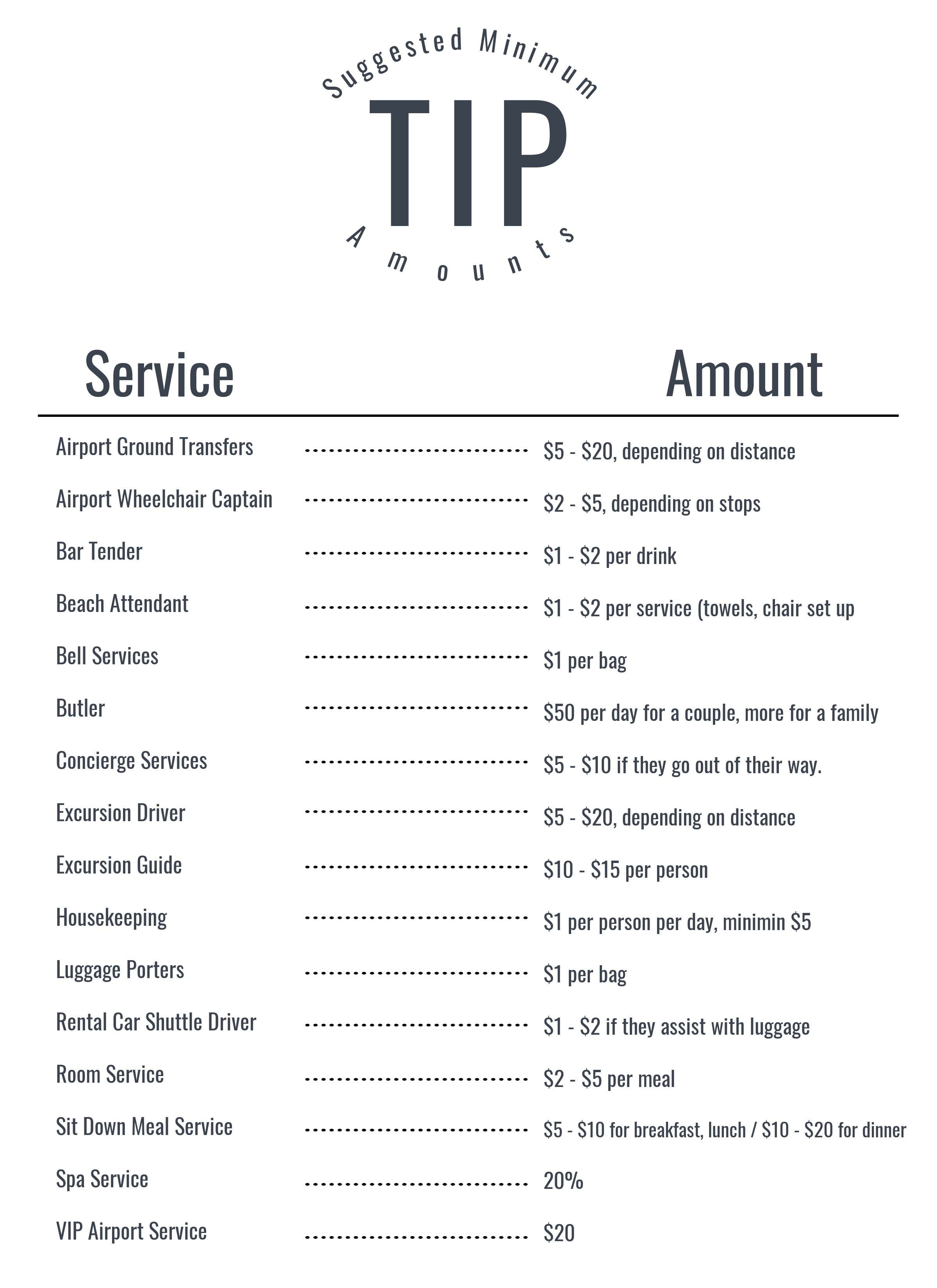
- Mexico: In Mexico, a common practice at all-inclusive resorts is to tip approximately $1-$2 USD per person per day for housekeeping, $3-$5 USD per day for your preferred bartender or server, and $5-$10 USD for bellhops and the concierge. For special occasions or particularly excellent service, increasing these amounts is appreciated. Some travelers opt to leave tips in USD, as it’s widely accepted, but using local currency (Mexican Pesos) can also be appropriate. For example, at a resort like the Secrets Maroma Beach Riviera Cancun, staff often appreciate direct tips for exceptional service, even if a service charge is included.
- Dominican Republic: Similar to Mexico, tipping is customary in the Dominican Republic. For housekeeping, $1-$3 USD per day is standard. Bar and restaurant staff can be tipped $2-$5 USD per day or per service. Bellhops and porters usually receive $1-$3 USD per bag. Many travelers find it convenient to tip in USD. At resorts such as the Hard Rock Hotel & Casino Punta Cana, while the all-inclusive nature is paramount, staff still often rely on gratuities to supplement their income.
- Jamaica: In Jamaica, tipping is also expected. A daily tip of $1-$2 USD for housekeeping is common. Bar staff and waitstaff might receive $2-$5 USD per day or per shift. Porters can be tipped $1-$2 USD per bag. It’s worth noting that some Jamaican resorts may include a 10% service charge, but many guests still tip directly for outstanding service.
- St. Lucia: For St. Lucia, a common guideline is to tip around 10-15% for excellent service at restaurants and bars if a service charge isn’t already included. For housekeeping, $2-$5 USD per day is a good starting point. Bellhops and porters can be tipped $2-$5 USD.
Other Popular All-Inclusive Regions
While the Caribbean and Mexico are prime examples, all-inclusive resorts are found globally, each with its own tipping nuances.
- Europe: In many European countries, particularly those with strong social welfare systems, tipping is generally less expected or a smaller gesture than in the Americas. Service charges are often included in bills, and a small tip of 5-10% for exceptional service might be given, or simply rounding up the bill. However, at all-inclusive resorts catering to international tourists, some tipping may still be observed, though it’s less of a societal expectation.
- Asia: Tipping practices in Asia are incredibly diverse. In some countries, like Thailand, tipping is a common way to show appreciation, even at resorts. In others, like Japan, tipping is generally not practiced and can even be considered impolite. For all-inclusive resorts in regions like parts of Vietnam or Indonesia, while not always mandatory, a small tip for outstanding service is often welcomed.
When in doubt, a good rule of thumb is to observe other guests, discreetly ask the resort concierge, or do a quick online search for the specific destination’s tipping customs before your trip.
When in Doubt: Observe and Ask
The most effective strategy for navigating tipping at an all-inclusive resort, especially if you’re visiting a new destination, is to be observant and proactive.
- Observe Other Guests: Pay attention to what other travelers are doing. If you see guests consistently leaving tips for room service, bartenders, or servers, it’s a strong indicator that this is a common practice.
- Consult Resort Information: Many resorts provide information about tipping in their guest directories, welcome packets, or on their websites. This is often the most reliable source for understanding their specific policies and recommendations.
- Ask the Concierge or Guest Services: The concierge or guest services desk are excellent resources for local etiquette. They can provide guidance on appropriate amounts and when tipping is most customary. They are there to help you have a smooth experience.
- Err on the Side of Generosity (Within Reason): If you’re unsure and have received genuinely good service, it’s generally better to leave a small tip than none at all. This is especially true in destinations where service staff rely heavily on gratuities. You can always adjust your tipping based on your overall experience.
Practical Tips for Tipping at All-Inclusive Resorts
To make the tipping process as smooth and stress-free as possible, consider these practical tips:
- Carry Small Bills: Have a supply of small denominations in the local currency or USD. This makes it easy to tip for individual services without needing to make change. Many travelers find it convenient to exchange a larger bill for smaller ones at the front desk upon arrival.
- Tip for Service, Not Just Presence: While it’s good to acknowledge general service, focus your tips on individuals who have provided exceptional or consistent service. This could be the waiter who made your dinners memorable, the bartender who always had a smile and your drink ready, or the housekeeping staff who kept your room immaculate.
- Tip When You Receive Service: It’s often best to tip at the time of service or at the end of your stay for ongoing services. For example, leave your daily housekeeping tip on the pillow or nightstand each morning. Tip bartenders and servers throughout your stay as you receive their service.
- Consider a “End-of-Stay” Tip: For staff you’ve interacted with consistently throughout your trip, such as your favorite bartender, a dedicated server, or your regular housekeeping attendant, a more substantial tip at the end of your stay can be a significant gesture of appreciation.
- Factor Tipping into Your Budget: When planning your all-inclusive vacation budget, remember to allocate a reasonable amount for tips. This helps avoid any surprises and ensures you can tip as you feel is appropriate without straining your finances.
- Avoid Tipping for Included “Free” Services: If your resort offers complimentary activities or services that are clearly part of the all-inclusive package and don’t involve direct personal service (e.g., using the gym, attending a general show), tipping is usually not expected.

Should You Tip if a Service Charge is Included?
This is a common point of confusion. Many all-inclusive resorts, particularly larger chains, will include a service charge of 10-15% on your bill, often stated as a “service fee” or “gratuity.”
- Check if it’s distributed: The crucial question is whether this service charge is actually distributed to the staff who served you. In some cases, it goes directly to the resort’s general fund. In others, it’s pooled and distributed among staff, but the individual recognition might be lost.
- Personal Recognition: If you’ve received truly exceptional service from a particular individual, a direct tip is still a meaningful way to show your personal appreciation. It bypasses any internal distribution systems and goes directly to the person who made your experience special.
- When in Doubt, Ask: If you’re unsure about the resort’s service charge policy, discreetly ask the front desk or concierge. They can clarify how the service charge is handled and whether additional tipping is customary.
Ultimately, the decision to tip at an all-inclusive resort is a personal one, influenced by a combination of destination culture, resort policies, and your own sense of value for the service received. By understanding the nuances and employing practical strategies, you can ensure your gratitude is expressed effectively, enhancing both your vacation experience and the livelihoods of the dedicated staff who make it all possible. Whether you’re enjoying the vibrant nightlife of Cancun, the tranquil beaches of St. Lucia, or the luxurious amenities of a Riviera Maya resort, a little thoughtful tipping can go a long way in creating a truly memorable and rewarding travel experience.
LifeOutOfTheBox is a participant in the Amazon Services LLC Associates Program, an affiliate advertising program designed to provide a means for sites to earn advertising fees by advertising and linking to Amazon.com. Amazon, the Amazon logo, AmazonSupply, and the AmazonSupply logo are trademarks of Amazon.com, Inc. or its affiliates. As an Amazon Associate we earn affiliate commissions from qualifying purchases.