
Puerto Rico, often called the “Island of Enchantment,” is a vibrant Caribbean gem that captivates travelers with its stunning beaches, lush rainforests, rich history, and lively culture. From the cobblestone streets of Old San Juan to the bioluminescent bays of Vieques and Fajardo, this destination offers an unparalleled array of experiences for every kind of visitor, whether they seek luxury resorts or authentic local immersion. However, beyond its sun-kissed shores and vibrant nightlife, Puerto Rico holds a unique and often misunderstood political status that profoundly shapes its identity, governance, and daily life. Understanding the type of government Puerto Rico has is crucial for appreciating the island’s complexities and its distinct position on the global stage. It’s not a state, nor is it an independent nation in the traditional sense, but rather an unincorporated territory of the United States. This distinct relationship creates a fascinating blend of self-governance and federal oversight, influencing everything from its economic policies to its legal system, and even the nuances of its local culture and tourism industry.
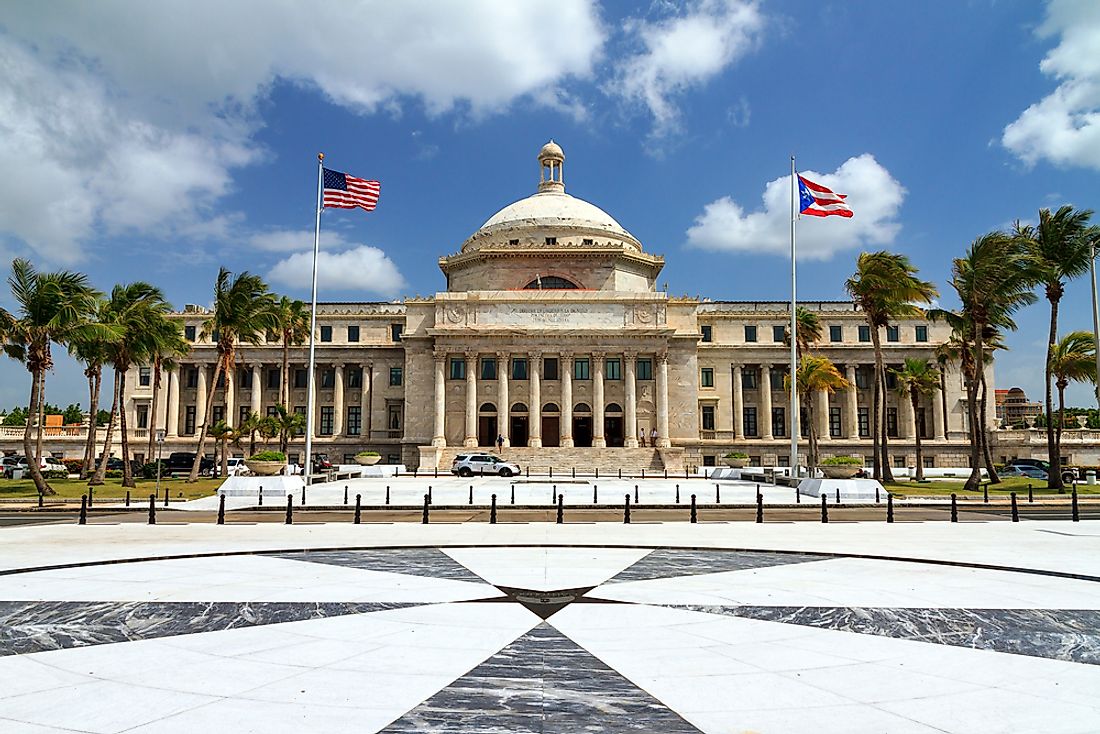
For travelers, this unique political framework translates into a distinct experience. U.S. citizens can visit Puerto Rico without a passport, using the U.S. dollar and enjoying the familiarity of federal services, yet they are immersed in a culture rich with Spanish heritage and Latin American flair. This blend creates a destination that feels both accessible and exotically different, a true testament to the island’s enduring spirit. This article delves into the intricacies of Puerto Rico’s governmental structure, exploring its historical evolution, its current operational framework, and the implications of its unique status for both its residents and the millions of visitors who flock to its shores each year.
The Unique Political Status of Puerto Rico
To truly grasp Puerto Rico’s governmental structure, one must first understand its classification as an unincorporated territory of the United States. This designation means that while it belongs to the United States, it is not considered an integral part of the country in the same way a state is. Unlike the fifty states, Puerto Rico does not have full sovereignty nor does it have the same rights and responsibilities as a state. This status grants Puerto Ricans U.S. citizenship and many protections under the U.S. Constitution, yet it withholds full political representation and certain federal benefits. This arrangement, often referred to as a commonwealth (Estado Libre Asociado in Spanish), is a complex legal and political relationship that has evolved over more than a century and remains a subject of intense debate.
A Commonwealth of the United States
As a commonwealth, Puerto Rico has a significant degree of local self-government, with its own constitution, executive, legislative, and judicial branches. This allows the island to manage its internal affairs, including local laws, taxes, and public services, much like a state would. The residents of Puerto Rico elect their own Governor and a bicameral Legislative Assembly, giving them direct control over their daily governance. However, major decisions that affect the island’s relationship with the United States ultimately rest with the U.S. Congress. This duality means that while Puerto Rico enjoys autonomy in many respects, it remains subject to federal laws and the ultimate authority of the U.S. federal government. For instance, trade, defense, immigration, and currency are all controlled by the United States. This unique political structure offers a fascinating lens through which to view the island’s distinctive character, influencing everything from the architecture of its historic landmarks to the vibrancy of its local festivals, and the appeal of its varied accommodations, which cater to a diverse range of visitors from both the mainland U.S. and international locales.
Historical Roots: From Spanish Colony to U.S. Territory
The current political status of Puerto Rico is deeply rooted in its colonial past. For over 400 years, Puerto Rico was a Spanish Colony, a period that indelibly shaped its language, culture, and traditions. This long history under Spanish rule is still evident in its beautiful colonial architecture in Old San Juan, the enduring influence of Catholicism, and the island’s rich culinary traditions. The transition from Spanish to U.S. control occurred in 1898, at the conclusion of the Spanish-American War. Under the terms of the Treaty of Paris, Spain ceded Puerto Rico to the United States, marking the beginning of a new chapter in its history as a U.S. territory.
Initially, Puerto Rico was governed directly by the U.S. military. Over time, Congress passed several acts to establish civilian governments and define the island’s relationship with the mainland. The Foraker Act of 1900 established a civilian government and classified Puerto Rico as an unincorporated territory. Later, the Jones-Shafroth Act of 1917 granted U.S. citizenship to Puerto Ricans and established a locally elected Senate, further expanding self-governance. The most significant step towards greater autonomy came in 1952, when Puerto Ricans ratified their own constitution, establishing the Commonwealth of Puerto Rico. This move was seen as a compromise, allowing local self-rule while maintaining ties with the United States. This historical evolution is palpable across the island, from the formidable walls of Fort San Felipe del Morro and Castillo de San Cristóbal – historic landmarks that once defended the Spanish Empire – to the modern infrastructure found in cities like San Juan, reflecting decades of U.S. influence and investment. These historical layers make Puerto Rico an incredibly rich destination for history buffs and cultural explorers alike.
How Puerto Rico’s Government Functions
Despite its territorial status, Puerto Rico operates with a governmental structure that largely mirrors that of the United States, complete with a separation of powers into executive, legislative, and judicial branches. This framework ensures a system of checks and balances, providing stability and order for its residents. However, it’s important to remember that this local autonomy functions within the overarching framework of U.S. federal law and constitutional authority. This dual system can sometimes lead to complexities, particularly in areas where local and federal regulations intersect, such as environmental protection or economic policy. For visitors, understanding this structure helps to clarify why certain services and standards, such as those related to hotels and tourism, align closely with U.S. norms while still being infused with a distinct local flavor.
Branches of Government: Executive, Legislative, and Judicial
-
Executive Branch: The highest elected official in Puerto Rico is the Governor, who serves as the head of the Executive Branch. The Governor is elected by popular vote for a four-year term and is responsible for implementing state law, managing the island’s budget, and overseeing various government agencies and departments. The Governor’s office is located in La Fortaleza in Old San Juan, itself a historic landmark and a UNESCO World Heritage Site. This branch is critical in shaping the island’s economic development, public health initiatives, and tourism strategies, all of which directly impact the visitor experience, from infrastructure improvements to cultural event funding.
-
Legislative Branch: Puerto Rico has a bicameral Legislative Assembly, consisting of the House of Representatives and the Senate. Members of both chambers are elected by popular vote, also for four-year terms. The Legislative Assembly is responsible for creating and approving local laws, passing the budget, and providing oversight of the Executive Branch. Debates and decisions made within this body directly influence local policies on education, healthcare, infrastructure, and other vital aspects of island life, which indirectly shapes the environment tourists experience, from road quality to the preservation of natural attractions like El Yunque National Forest.
-
Judicial Branch: The Judicial Branch is headed by the Supreme Court of Puerto Rico, whose justices are appointed by the Governor with the advice and consent of the Senate. Below the Supreme Court are various appellate and trial courts that handle civil and criminal cases. While Puerto Rico has its own local judicial system based on a blend of civil and common law traditions, it is also subject to the jurisdiction of the U.S. federal court system, including the U.S. District Court for the District of Puerto Rico and ultimately the U.S. Supreme Court. This means that certain cases, particularly those involving federal law or the U.S. Constitution, can be heard in federal courts. This dual legal system provides a robust framework for justice, ensuring that both local and federal laws are upheld, which contributes to the overall safety and regulatory environment that travelers often take for granted when visiting.
The Role of the Resident Commissioner
One of the most distinctive aspects of Puerto Rico’s governmental setup is the role of its Resident Commissioner. This official is elected by Puerto Ricans to represent the island in the U.S. House of Representatives in Washington D.C.. The Resident Commissioner serves a four-year term, unlike other members of Congress who serve two-year terms. While they can participate in committee debates, introduce legislation, and vote in committees, they do not have a vote on the final passage of bills on the House floor. This non-voting status is a direct consequence of Puerto Rico’s territorial relationship with the United States and symbolizes the lack of full political representation for Puerto Ricans at the federal level, despite their U.S. citizenship. The Resident Commissioner’s primary role is to advocate for Puerto Rico’s interests in Congress, lobby for federal funding, and influence legislation that affects the island. This position is vital for securing resources for infrastructure, disaster relief, and economic development, which in turn impacts the quality of hotels, attractions, and overall visitor experience.

Implications for Visitors and Lifestyle in Puerto Rico
The unique governmental status of Puerto Rico has profound implications that extend far beyond political theory, directly shaping the daily lifestyle of its residents and the experience of its millions of visitors. For anyone considering travel to the island, understanding these practical consequences can enhance their appreciation of Puerto Rico’s distinct charm and navigate its vibrant landscape with greater ease. The blend of U.S. federal norms with a strong local culture creates a destination that is both familiar and exotic, offering a fascinating paradox for the discerning traveler.
U.S. Citizenship and Travel Ease
One of the most significant practical benefits of Puerto Rico’s relationship with the United States is the ease of travel for U.S. citizens. No passport is required for entry from the mainland U.S., simplifying the travel process and making it as straightforward as domestic travel within any other U.S. state. The currency is the U.S. dollar, eliminating the need for currency exchange and simplifying transactions. Additionally, common U.S. federal agencies such as the Federal Bureau of Investigation ([FBI]), Drug Enforcement Administration ([DEA]), and Homeland Security operate on the island, contributing to a familiar legal and security framework. This makes Puerto Rico an incredibly convenient and accessible Caribbean destination, especially for those seeking a tropical getaway without the complexities of international travel. From booking accommodations in San Juan to renting a car for exploring the island’s diverse destinations like Ponce or Rincón, the processes are largely similar to those found on the mainland, reducing potential hurdles for tourists and encouraging robust tourism growth.
Cultural Blending and Economic Impact
The political status has also fostered a unique cultural blend in Puerto Rico. While Spanish remains the dominant language and the island’s heritage is distinctly Latin American, the pervasive influence of the United States is evident in many aspects of daily life, including popular culture, business practices, and infrastructure. This cultural fusion is a significant draw for tourism, offering visitors a taste of both Old World charm and New World convenience. From the flavors of its cuisine to its vibrant music and art scenes, Puerto Rico presents a rich tapestry of traditions.
Economically, the relationship with the U.S. means Puerto Rico benefits from federal aid, access to U.S. markets, and programs like Social Security, Medicare, and Medicaid. However, it also faces economic challenges, including limitations on its ability to forge independent trade agreements and the impact of federal regulations that may not always align with local needs. These economic realities influence everything from the availability of luxury hotels and resorts in areas like Dorado to the development of eco-tourism initiatives and the preservation of natural wonders. The interplay between local government policies and federal mandates shapes the island’s infrastructure, public services, and overall economic vitality, which are all crucial elements of a successful tourism destination.
Navigating Puerto Rico: Tourism and Local Life
For those planning a trip, understanding the governmental context enriches the travel experience. While local laws govern most day-to-day interactions, the presence of U.S. federal law provides a familiar legal framework. For example, the U.S. Postal Service operates throughout the island, and U.S. banks are prevalent, offering reliable financial services. This blend of familiarity and distinctiveness allows visitors to feel secure while exploring a rich and unique culture.
When visiting landmarks such as El Morro or walking the colorful streets of Old San Juan, one can observe the intricate layers of Spanish colonial influence intertwined with the modern amenities and services brought by its U.S. association. The local government plays a crucial role in preserving these historical sites and promoting cultural tourism, ensuring that Puerto Rico’s heritage remains vibrant and accessible. Meanwhile, federal funding often contributes to environmental protection efforts for natural attractions like the Bioluminescent Bays in Mosquito Bay or La Parguera and Guánica, safeguarding these natural wonders for future generations of visitors. From the charming boutique hotels in historic districts to modern resorts along the coast, the accommodation landscape reflects the island’s ability to cater to diverse traveler needs within this unique political context.
The Ongoing Debate: Statehood vs. Independence vs. Enhanced Commonwealth
The question of Puerto Rico’s ultimate political status is not static; it is a continuously evolving and often passionate debate that lies at the heart of the island’s identity. For decades, Puerto Ricans have grappled with three primary options for their future: becoming the 51st U.S. state, gaining full independence as a sovereign nation, or retaining and enhancing the current commonwealth status. Each option carries profound implications for the island’s economy, culture, political representation, and its relationship with the rest of the world. This ongoing discussion is a vital part of Puerto Rico’s modern narrative and shapes much of its political discourse.
Public Opinion and Plebiscites
The debate over Puerto Rico’s status has led to numerous plebiscites (non-binding referendums) over the years, allowing citizens to express their preference. These votes often reflect the deeply divided public opinion on the island. Support for statehood typically emphasizes equal rights, full federal representation, and potentially greater economic stability through full integration with the United States. Advocates for independence champion national sovereignty, cultural self-determination, and the ability to forge independent international relations and economic policies. Those who prefer the commonwealth status often value the blend of local autonomy with the benefits of U.S. citizenship and federal assistance, albeit with calls for an “enhanced” commonwealth that grants greater powers.
The results of these plebiscites have often been contentious and complicated by boycotts from certain political factions, leading to mixed signals for the U.S. Congress, which ultimately holds the power to change Puerto Rico’s status. For instance, recent plebiscites have shown a majority vote for statehood among participants, but turnout issues and non-binding nature mean the issue remains unresolved. These political currents influence voter behavior, local policy-making, and even public sentiment towards mainland U.S. tourists and businesses on the island.

Future Outlook and its Impact on the Island’s Identity
The future political status of Puerto Rico remains uncertain, but it is undoubtedly the most defining political question for the island. A shift to statehood would fundamentally alter Puerto Rico’s governance, granting full voting representation in Congress and electoral votes for the President of the United States, while also requiring full federal taxation. Independence would mean a complete break from the United States, establishing Puerto Rico as a sovereign nation capable of making its own treaties, controlling its borders, and fully managing its economy, but potentially losing federal aid and the convenience of U.S. citizenship for its residents. Maintaining an enhanced commonwealth would seek to modify the existing relationship, granting more autonomy while preserving some ties.
The outcome of this debate will profoundly impact the island’s economic trajectory, its social fabric, and its global identity. For the tourism sector, each scenario presents different challenges and opportunities. Statehood could bring more federal investment in infrastructure and potentially simplify travel for some, but might also lead to higher costs of living and doing business. Independence could foster a stronger emphasis on Puerto Rican culture and unique attractions, potentially appealing to a niche of travelers seeking a purely independent Caribbean experience, but might introduce new visa requirements or economic uncertainties. Regardless of the path taken, the resilience and vibrant spirit of the Puerto Rican people, along with the island’s stunning natural beauty and rich cultural heritage, will undoubtedly continue to make it a compelling and cherished destination for travelers worldwide, whether they stay in grand resorts or charming apartments.
In conclusion, Puerto Rico stands as a unique entity on the world stage, governed by a complex and evolving relationship with the United States. It is a commonwealth, an unincorporated U.S. territory that enjoys significant self-governance through its own constitution and elected officials, yet remains subject to the ultimate authority of the U.S. Congress. This intricate balance, born from centuries of colonial history and ongoing political debate, shapes every facet of life on the island. For visitors, this translates into a seamless travel experience for U.S. citizens, a familiar economic landscape with the U.S. dollar, and the comfort of federal regulations. Yet, beneath this veneer of familiarity lies a vibrant, distinctly Puerto Rican culture, rich in Spanish heritage and Caribbean soul, waiting to be explored. Understanding its governmental structure not only answers the question of “What type of government does Puerto Rico have?” but also unlocks a deeper appreciation for this enchanting island’s past, present, and the fascinating possibilities of its future.
LifeOutOfTheBox is a participant in the Amazon Services LLC Associates Program, an affiliate advertising program designed to provide a means for sites to earn advertising fees by advertising and linking to Amazon.com. Amazon, the Amazon logo, AmazonSupply, and the AmazonSupply logo are trademarks of Amazon.com, Inc. or its affiliates. As an Amazon Associate we earn affiliate commissions from qualifying purchases.