
For anyone considering a visit, a relocation, or even a new business venture in the Heart of Dixie, understanding the local tax landscape is a fundamental step. Whether you’re planning a luxurious escape to a Gulf Shores resort, exploring the historic landmarks of Montgomery, or considering a long-term stay in vibrant Birmingham, financial planning plays a crucial role in shaping your experience. So, to answer the pivotal question: Yes, Alabama does have a state income tax. While some states have opted for no income tax, Alabama maintains a progressive income tax system, meaning higher earners pay a larger percentage of their income in taxes. This article will delve into the specifics of Alabama’s income tax, exploring its implications for individuals, businesses, and tourists, all while weaving in considerations relevant to travel, accommodation, and lifestyle choices within this captivating Southern state.
Understanding Alabama’s Income Tax System
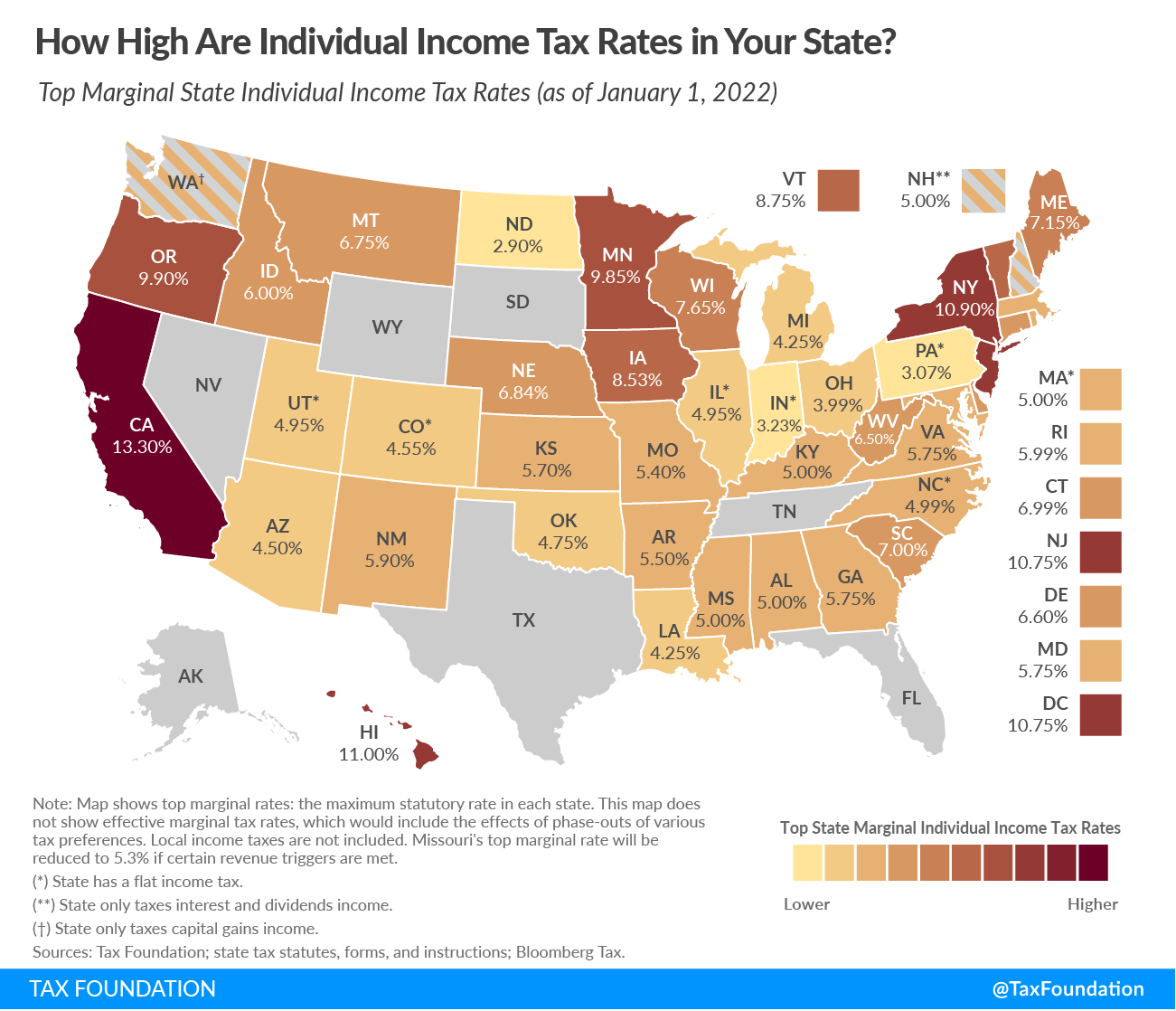
Alabama‘s state income tax structure is designed to be progressive, with rates that increase as taxable income rises. For the most recent tax year, the state income tax rates range from 2% to 5% of taxable income. This means that individuals with lower incomes pay a smaller percentage, while those with higher incomes face the maximum 5% rate. It’s important to note that these rates apply to a taxpayer’s taxable income, which is determined after various deductions and exemptions have been applied.
Individual taxpayers in Alabama are eligible for several deductions that can reduce their taxable income. These include a standard deduction, personal exemptions, and certain itemized deductions similar to those found at the federal level. For instance, taxpayers can deduct expenses such as medical and dental expenses (above a certain threshold), home mortgage interest, state and local taxes paid (with some limitations), and charitable contributions. Understanding these deductions is key for residents and those considering a move, as they directly impact the final tax liability.
Businesses operating within Alabama are also subject to state income tax, although the structure can vary depending on the type of business entity. Corporations, for example, pay a flat corporate income tax rate. Pass-through entities like partnerships, S-corporations, and sole proprietorships typically have their profits “pass through” to the owners’ personal income tax returns, where they are taxed at the individual income tax rates. This distinction is vital for entrepreneurs and investors looking at the economic landscape for business stays or long-term investment in the state. The specific tax treatment can influence decisions regarding business formation, investment in local accommodations, and the overall economic viability of ventures, from boutique hotels to large-scale attractions.
For visitors and short-term travelers, the direct impact of Alabama’s state income tax is generally minimal. Tourists are not typically subject to state income tax on income earned outside the state or for short visits. However, anyone earning income from sources within Alabama – for example, through temporary work or certain business activities during an extended stay – would likely be liable for state income tax on that Alabama-sourced income. This is an important consideration for digital nomads, temporary contractors, or seasonal workers who might choose to experience Alabama’s lifestyle for more than just a vacation.
How Does it Compare to Neighboring States?
When evaluating Alabama’s tax environment, it’s often helpful to compare it to its neighbors and other popular tourist destinations within the United States. Alabama shares borders with Florida, Georgia, Mississippi, and Tennessee, each with its own distinct tax policies.
Florida and Tennessee, notably, do not impose a state income tax on wages (though Tennessee historically taxed interest and dividends, this has been phased out). This makes them attractive destinations for those seeking to minimize their income tax burden. However, these states often compensate for the lack of income tax with higher sales taxes, property taxes, or other fees. Georgia and Mississippi, like Alabama, do levy a state income tax, though their rates and structures differ.
This comparison highlights that while Alabama has an income tax, it’s part of a broader package of state and local taxes. The overall cost of living, including sales tax, property tax, and other fees, must be considered holistically when planning travel budgets, assessing accommodation costs, or making relocation decisions. For instance, a luxurious villa in Gulf Shores might have different total costs compared to a similar property in Florida once all taxes are factored in.
Broader Tax Implications for Travelers, Residents, and Businesses
While state income tax is a significant component of the financial landscape, it’s crucial to understand other taxes that impact various stakeholders in Alabama. These include sales tax, property tax, and potentially lodging taxes, which are particularly relevant for tourism and accommodation.
Sales Tax and Tourism
For travelers and tourists, sales tax is often the most frequently encountered tax. Alabama has a statewide sales tax rate of 4%. However, local jurisdictions – cities and counties – can and do add their own sales taxes, leading to a combined rate that can be considerably higher. In some areas, the total sales tax can reach upwards of 10% or more. This applies to most retail purchases, including meals at restaurants, souvenirs from local boutiques, and tickets to attractions.
For example, when enjoying the vibrant food scene in Mobile or shopping for unique finds in Huntsville, tourists will see this sales tax added to their bills. While not directly related to income, this tax impacts the overall cost of a vacation or a business trip. Savvy travelers planning budget travel will factor these cumulative costs into their expenditure estimations, knowing that even small percentages can add up over a multi-day experience. This also applies to the cost of services, such as tours or guided experiences, which contribute to the overall tourism economy.

Property Tax and Accommodation
Property tax in Alabama is generally considered to be among the lowest in the United States. This is a substantial draw for those considering permanent relocation, long-term stays, or investment in rental properties, including vacation homes or apartments. While property values vary significantly across the state – from the bustling urban centers of Birmingham and Huntsville to the serene coastal areas of Orange Beach and Dauphin Island – the low effective property tax rates make homeownership or real estate investment more accessible compared to many other states.
For the accommodation sector, low property taxes can contribute to more competitive pricing for hotels, resorts, and vacation rentals. This can translate into better value for travelers seeking a comfortable suite, a family-friendly resort, or a charming villa for their stay. Lower operational costs due to property taxes can allow hoteliers to invest more in amenities, enhancing the guest experience, or offer more attractive booking rates, further boosting Alabama’s appeal as a travel destination.

Lodging Tax and Local Economy
Beyond sales tax, many cities and counties in Alabama impose a specific lodging tax (also known as a hotel tax or occupancy tax) on hotel rooms, short-term rentals, and other temporary accommodations. These taxes are typically a percentage of the room rate and are added to the guest’s bill. The funds generated from lodging taxes are often earmarked for tourism promotion, local infrastructure projects, and supporting cultural events, directly benefiting the tourism ecosystem.
For instance, a stay at a luxury hotel in Tuscaloosa or a charming bed and breakfast in Auburn will include this additional tax. While it increases the immediate cost for the traveler, it also contributes to the funding of visitor centers, attractions, and local festivals, which enhance the overall experience for future visitors. For those managing accommodation businesses, understanding and correctly remitting these taxes is a critical operational aspect, affecting pricing strategies and profitability.
Lifestyle and Economic Impact: Why Taxes Matter in Alabama
The interplay of various taxes in Alabama significantly influences lifestyle choices, economic development, and the overall appeal of the state for different demographics. From luxury travel enthusiasts to families planning budget-conscious trips, and from remote workers considering a new home to entrepreneurs eyeing investment opportunities, the tax environment is a critical piece of the puzzle.
Attracting Residents and Businesses
Alabama’s relatively low property taxes, coupled with a moderate state income tax, contribute to a generally affordable cost of living. This affordability is a significant draw for individuals and families considering relocation, whether for career opportunities, retirement, or simply a change of pace. The state’s diverse economy, spanning aerospace in Huntsville (often dubbed the Rocket City), automotive manufacturing, healthcare in Birmingham, and extensive port activities in Mobile, offers a wide array of job markets. The tax structure can influence a business’s decision to establish or expand within the state, impacting job creation and economic growth. A favorable tax environment can encourage new businesses, which in turn can lead to increased demand for accommodation, from corporate apartments for business stays to long-term housing options for employees.
Tourism and Visitor Experiences
For the tourism sector, the overall tax burden can subtly shape visitor perceptions and choices. While the income tax doesn’t directly affect most tourists, the combined effect of sales tax and lodging tax influences the total cost of a vacation. However, Alabama offers incredible value through its diverse attractions, which often outweigh these tax considerations.
From the pristine beaches of the Gulf of Mexico to the historical depth of the Civil Rights Movement sites, and from the marvels of space exploration at the US Space & Rocket Center to the cultural richness of its culinary scene, Alabama provides a wealth of experiences. The funding generated by tourism-related taxes often circles back into maintaining and enhancing these attractions, such as the Vulcan Park and Museum in Birmingham or the USS Alabama Battleship Memorial Park in Mobile, ensuring that visitors continue to enjoy high-quality travel experiences. The famous Robert Trent Jones Golf Trail, for instance, provides world-class golf destinations that attract visitors, and the sustainability of such landmarks benefits from local tax revenues dedicated to tourism. Even events at the iconic Flora-Bama Lounge & Package are supported by a healthy tourism economy.
Budgeting for an Alabama Adventure
Whether you’re planning a weekend getaway or a month-long exploration of Alabama, understanding the tax structure helps in accurate budgeting.
- For Accommodations: When booking hotels, suites, resorts, apartments, or villas, remember to factor in the local lodging tax on top of the advertised rate. Comparing prices across different types of accommodation and locations can reveal significant differences in overall cost.
- For Dining and Shopping: Budget for the combined state and local sales tax on meals, groceries, and any retail therapy you indulge in. Local food experiences, from upscale dining to casual eateries, will all have this added cost.
- For Experiences: While some attraction tickets might include taxes, others may add them at the point of purchase. Always check the total price.
By being aware of these financial nuances, travelers can make informed decisions, ensuring their Alabama adventure is as enjoyable and stress-free as possible. It empowers them to explore local culture, engage in activities, and enjoy the diverse experiences Alabama has to offer, from historic tours to natural wonders, without unexpected financial surprises.
Conclusion
In summary, yes, Alabama does have a state income tax, featuring a progressive rate system from 2% to 5%. This affects residents, businesses operating within the state, and potentially individuals earning income from Alabama sources. For the average tourist, the direct impact of state income tax is negligible, as it primarily concerns income earned. However, sales tax and local lodging taxes are significant considerations for anyone visiting, impacting the cost of everything from hotel stays and vacation rentals to dining and souvenir purchases.
Alabama’s overall tax environment, characterized by moderate income taxes, generally low property taxes, and variable sales/lodging taxes, creates a unique financial landscape. This landscape contributes to the state’s affordability, attractiveness for relocation, and its vibrant tourism industry. Whether you’re planning an epic road trip through its scenic routes, seeking a luxurious resort experience on the coast, exploring its rich history, or considering a new place to call home, understanding these financial aspects is key to maximizing your experience in Alabama – a state that truly offers something for every lifestyle.
LifeOutOfTheBox is a participant in the Amazon Services LLC Associates Program, an affiliate advertising program designed to provide a means for sites to earn advertising fees by advertising and linking to Amazon.com. Amazon, the Amazon logo, AmazonSupply, and the AmazonSupply logo are trademarks of Amazon.com, Inc. or its affiliates. As an Amazon Associate we earn affiliate commissions from qualifying purchases.