
Understanding the nuances of state taxation is crucial for any traveler, especially those who might be working remotely or considering extending a visit for business purposes. For many, the question of how their earned income, particularly overtime pay, is treated by state tax laws can be a significant factor in financial planning. When it comes to Alabama, the state’s approach to taxing overtime is generally straightforward, aligning with its broader income tax policies.
Alabama’s Income Tax Framework
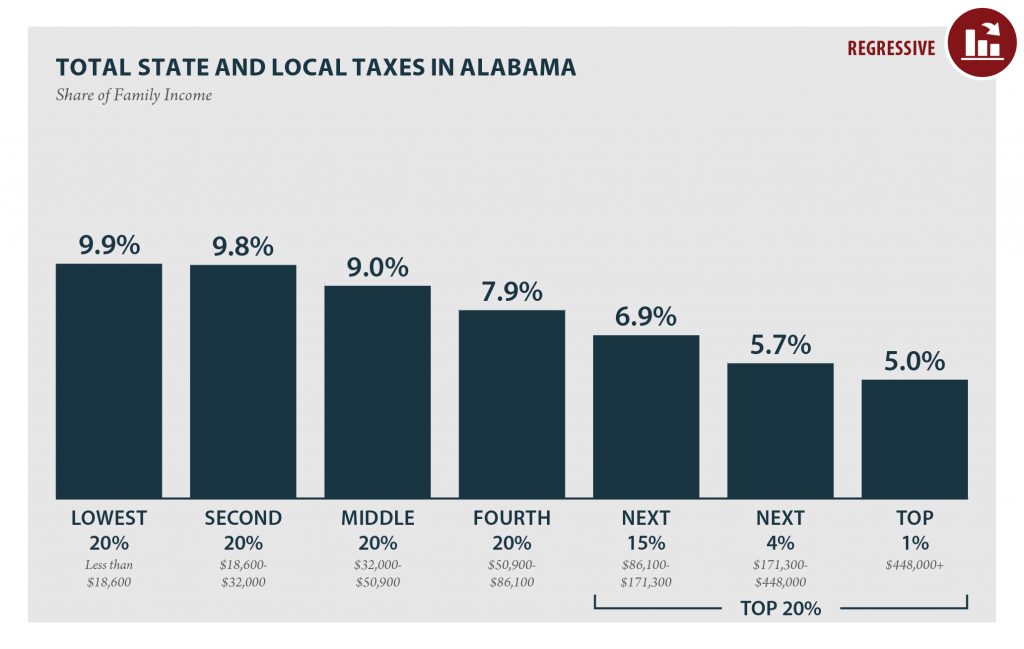
Alabama operates under a progressive income tax system, meaning that tax rates increase as income levels rise. This system is applied to various forms of income, including wages, salaries, and other forms of compensation. The state’s Department of Revenue is responsible for administering and enforcing these tax laws.
Key Components of Alabama Income Tax
- Filing Status: Like most states, Alabama recognizes different filing statuses, such as single, married filing jointly, married filing separately, and head of household. Your filing status can significantly impact your overall tax liability.
- Deductions and Exemptions: Taxpayers can reduce their taxable income through various deductions and exemptions. These can include standard deductions, itemized deductions (though less common due to state-specific limitations), and personal exemptions for the taxpayer, spouse, and dependents.
- Tax Brackets: Alabama employs a system of tax brackets, with different tax rates applied to different income ranges. Understanding these brackets is essential for estimating your tax burden.
- Filing Deadline: The deadline for filing state income tax returns in Alabama is typically April 15th, coinciding with the federal tax filing deadline.
Overtime Pay and General Income Taxation
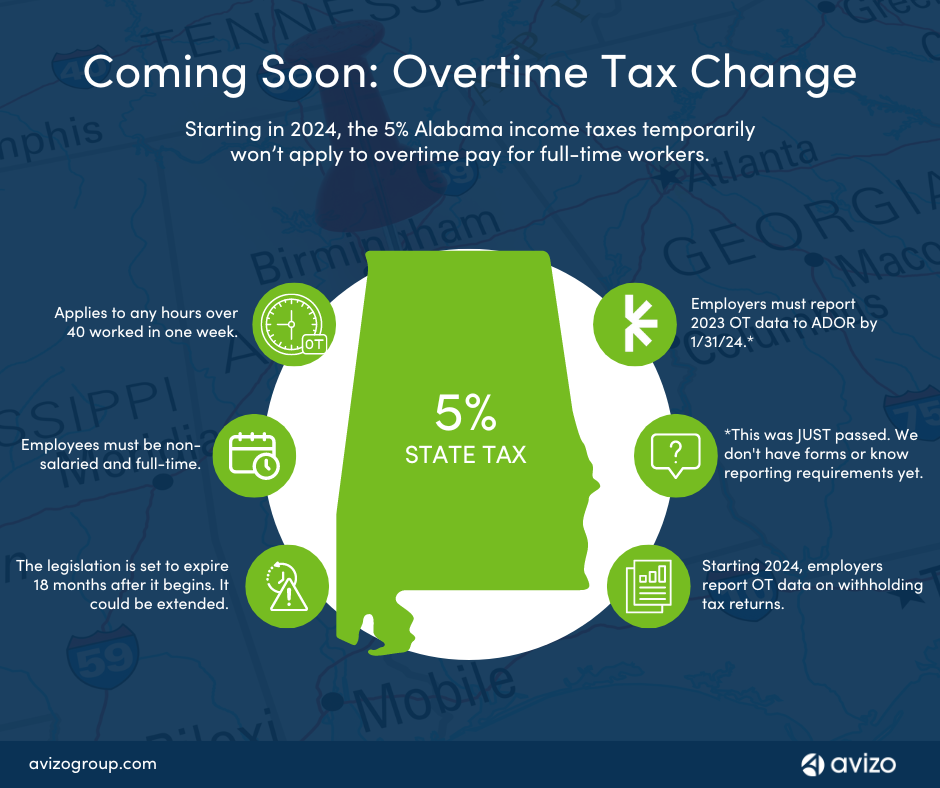
In Alabama, overtime pay is treated as regular wages. This means that it is subject to the same state income tax rules as your base salary. There is no special exemption or different tax rate applied specifically to overtime earnings. When you receive overtime pay, it is added to your total income for the tax year and taxed according to the state’s progressive tax brackets, after considering any applicable deductions and exemptions.
This treatment is consistent with federal tax law, where overtime pay is also considered taxable income and subject to standard income tax withholding. The employer is responsible for withholding the appropriate amount of state income tax from your paycheck, including from any overtime wages earned.
Specific Considerations for Travelers and Remote Workers
For those who are visiting or working temporarily in Alabama, understanding the state’s tax laws is paramount to avoid unexpected financial obligations. The primary factor determining whether you owe state income tax in Alabama is your residency status and the source of your income.
Residency and Tax Liability
- Residents: If you are a legal resident of Alabama, you are generally required to pay state income tax on all your income, regardless of where it is earned. This includes any overtime pay you receive from an employer located within the state.
- Non-Residents: If you are not a resident of Alabama but earn income within the state, you may be subject to Alabama income tax on that specific income. This is often referred to as non-resident income tax. For temporary workers or those on short-term assignments in Alabama, understanding the thresholds for becoming a taxable non-resident is crucial. Most states, including Alabama, have specific rules regarding the number of days you can work in a state before triggering tax liability. For instance, if you are working remotely from a vacation rental in Gulf Shores for a few weeks, your primary tax obligations usually remain with your home state. However, if your work is performed physically within Alabama, even if your employer is elsewhere, you might owe tax on those earnings.
Working Remotely in Alabama
The rise of remote work has introduced complexities for state taxation. If you are a remote worker whose home state is not Alabama, but you decide to work from Birmingham or another Alabama city for an extended period, you should investigate Alabama’s nexus rules. Typically, physical presence is the key factor. If you are physically present and working in Alabama, even for a short duration, it’s advisable to consult with a tax professional to determine your specific tax obligations. Your employer may also be required to withhold Alabama income tax on your behalf, depending on the specifics of your employment arrangement and the length of your stay.
Income from Out-of-State Employers While in Alabama
If you are employed by a company based outside of Alabama but are physically working and earning overtime within the state, that overtime income is generally taxable by Alabama. The fact that the employer is not headquartered in Alabama does not exempt the income earned within its borders from taxation. This is a common scenario for contractors, consultants, or temporary employees on assignment. The key is the situs of the work performed.
Minimizing Tax Liability Through Planning
While Alabama taxes overtime pay as regular income, strategic planning can help manage your tax obligations effectively, especially for those who travel or work across state lines.
Understanding Tax Credits and Deductions
- Federal vs. State: Remember that federal tax laws and Alabama state tax laws operate independently. While you might claim certain deductions or credits on your federal return, they may not be available or may have different rules on your Alabama return.
- Withholding Adjustments: If you anticipate significant overtime in Alabama or are working there temporarily, review your W-4 (federal) and A-4 (state) withholding forms. Adjusting your withholding can help ensure you don’t overpay or underpay taxes throughout the year. This is particularly important if you have multiple sources of income or complex tax situations.
Seeking Professional Advice
Navigating state income tax laws, especially when dealing with multiple states or non-traditional work arrangements, can be complex. If you are unsure about your tax liability in Alabama regarding your overtime pay, or if you are a non-resident working in the state, consulting with a qualified tax professional is highly recommended. They can provide personalized advice based on your specific circumstances and ensure compliance with all relevant tax regulations. This is especially true if your travel involves significant durations in a state like Alabama or if you’re considering relocating for work or leisure.

Conclusion on Alabama Overtime Taxation
In summary, Alabama does tax overtime pay. It is treated as regular earned income and is subject to the state’s progressive income tax rates after applicable deductions and exemptions. For travelers and remote workers, the critical factors are residency status and the physical location where the income is earned. By understanding these principles and seeking professional guidance when necessary, individuals can effectively manage their tax obligations while enjoying the unique experiences Alabama has to offer, from the historic streets of Montgomery to the beautiful coastlines near Orange Beach.
LifeOutOfTheBox is a participant in the Amazon Services LLC Associates Program, an affiliate advertising program designed to provide a means for sites to earn advertising fees by advertising and linking to Amazon.com. Amazon, the Amazon logo, AmazonSupply, and the AmazonSupply logo are trademarks of Amazon.com, Inc. or its affiliates. As an Amazon Associate we earn affiliate commissions from qualifying purchases.