
Understanding eligibility for food assistance programs can feel like navigating a labyrinth, especially when considering the nuances of specific states. In California, the Supplemental Nutrition Assistance Program, commonly known as CalFresh, provides vital support to low-income individuals and families. This program is designed to ensure that vulnerable populations have access to nutritious food, playing a crucial role in public health and well-being. Determining who qualifies involves a careful examination of income, household size, and specific circumstances.
Understanding CalFresh Eligibility Criteria
The California Department of Social Services oversees the CalFresh program, adhering to federal guidelines established by the U.S. Department of Agriculture (USDA). Eligibility is not a one-size-fits-all determination; rather, it is a multifaceted assessment that considers several key factors. These include gross monthly income, net monthly income, household size, and asset limits. The program aims to assist those who are struggling to afford adequate food due to low wages, unemployment, disability, or other challenging life situations.

Income Limits
A primary determinant of eligibility is a household’s income. CalFresh utilizes two income tests: gross monthly income and net monthly income.
- Gross Monthly Income: This is the total monthly income your household receives before any deductions are taken. For most households, the gross monthly income must be at or below 200% of the federal poverty level for their household size.
- Net Monthly Income: This is your gross monthly income minus certain allowed deductions. These deductions can include a standard deduction, a dependent care deduction, medical expenses for elderly or disabled individuals, and shelter costs that exceed half of your net income. For most households, the net monthly income must be at or below 100% of the federal poverty level for their household size.
There are some exceptions to these income rules. For instance, households with an elderly or disabled member may be subject to different calculations or might be exempt from the gross income test. It is essential to consult the official CalFresh guidelines or a local county social services office for the most precise and up-to-date income thresholds, as these can vary based on household size and are subject to annual adjustments.
Asset Limits
In addition to income, households must also meet certain asset limits. Assets are resources that a household owns and could convert to cash. Common examples include:
- Checking and savings accounts
- Cash on hand
- Stocks and bonds
- Vehicles (with some exceptions)
The current asset limit for most households applying for CalFresh is $3,500. However, households with at least one member who is age 60 or older or is disabled may have a higher asset limit of $5,500. Certain assets are typically excluded from this calculation, such as the home you live in and one vehicle per adult household member. Again, these limits are subject to change, so verifying current figures is recommended.
Household Composition and Size
The number of people in your household significantly impacts eligibility, as income limits are directly tied to household size. A household for CalFresh purposes generally includes individuals who live together and customarily purchase and prepare meals together. This can include spouses, children, parents, and even unrelated individuals who share living expenses and food. Special rules apply to certain situations, such as college students, individuals living with parents, or those who are temporarily separated from their families. Understanding who constitutes your “household” for application purposes is a critical first step.
Specific Eligibility Scenarios
Beyond the general income and asset criteria, several specific circumstances can influence eligibility for CalFresh benefits. These often address unique needs or situations that might otherwise exclude individuals who are genuinely food insecure.
Elderly or Disabled Individuals
Households that include an elderly member (age 60 or older) or a disabled member often have a more flexible eligibility process. As mentioned, they may have higher asset limits. Furthermore, some elderly or disabled individuals may be exempt from certain work requirements or may have different rules regarding medical expenses. If a household includes someone who is receiving certain disability benefits, they might also be automatically eligible for CalFresh, regardless of income.
Students
College students face unique challenges when trying to access food assistance. Federal regulations have specific rules for student eligibility. Generally, students enrolled at least half-time are not eligible for CalFresh. However, there are several exceptions that can make students eligible, including:
- Being enrolled less than half-time.
- Participating in a federal or state work-study program.
- Having a disability that prevents them from meeting work requirements.
- Being a recipient of Temporary Assistance for Needy Families (TANF) or Supplemental Security Income (SSI).
- Being a student parent who is responsible for the care of a dependent child under age 6.
- Being a student parent who is responsible for the care of a dependent child age 6 to 11, where the state determines that adequate child care is unavailable.
- Participating in an approved job training program.
Students must meet all other eligibility requirements in addition to any student-specific criteria.
Work Requirements
For many able-bodied adults without dependents, CalFresh participation may be subject to work requirements. This typically involves registering for work, participating in a work program, or accepting suitable employment. There are time limits associated with receiving benefits if these work requirements are not met, often referred to as the Able-Bodied Adults Without Dependents (ABAWD) time limit. However, there are exemptions to these work requirements, such as for individuals who are medically certified as physically or mentally unfit for employment, are caring for a child or incapacitated person, or are participating in a substance abuse treatment program. Exemptions and requirements can be complex, and it’s vital for individuals to understand their specific obligations.
Immigrant Status
Immigrants in California may be eligible for CalFresh depending on their immigration status and how long they have resided in the United States. Generally, legal permanent residents (green card holders) are eligible after meeting a five-year waiting period, although there are exceptions for certain categories of immigrants and for children. Refugees, asylees, and certain other humanitarian immigrants may be eligible immediately upon arrival. Non-immigrants, such as tourists or those on temporary visas, are typically not eligible. The specific rules surrounding immigrant eligibility are intricate, and it is advisable for individuals to consult with a CalFresh representative or an immigration legal service provider for clarity.
How to Apply for CalFresh
Applying for CalFresh in California is a streamlined process designed to be accessible to those in need. The application can typically be submitted online, by mail, by fax, or in person at a local county social services office.
The Application Process
- Gather Necessary Information: Before starting, it’s helpful to gather documents that prove identity, income, household expenses, and residency. This can include pay stubs, bank statements, rental agreements, utility bills, and identification cards.
- Complete the Application: Fill out the application form completely and accurately. Missing information can delay the process.
- Submit the Application: Submit the application through your preferred method.
- Interview: Most applicants will need to participate in an interview, usually conducted by phone, to review the application and answer any questions.
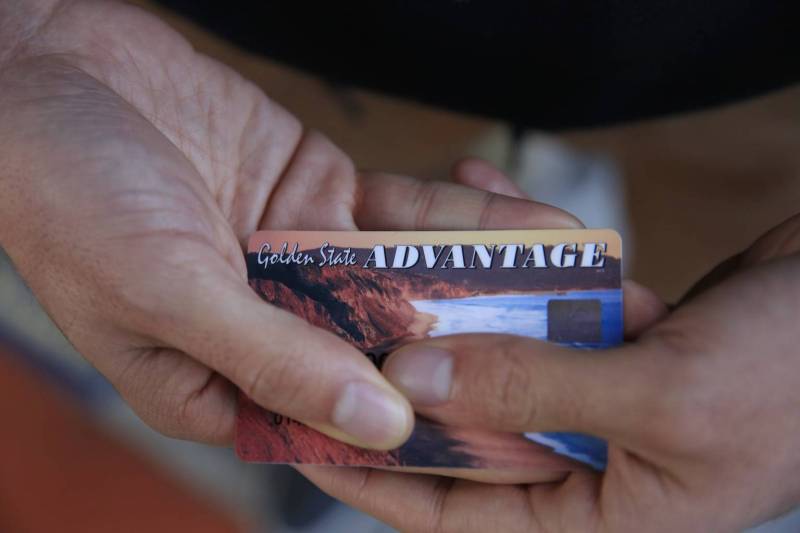
- Decision: Once the application and interview are complete, a decision will be made regarding eligibility. If approved, benefits are typically issued via an Electronic Benefit Transfer (EBT) card, similar to a debit card.

Resources and Support
Navigating the application process can sometimes be overwhelming. Fortunately, several resources are available to assist individuals:
- County Social Services Offices: These offices are the primary point of contact for CalFresh applications and assistance. They offer in-person support and can answer specific questions.
- California Department of Social Services (CDSS) Website: The official CDSS website provides comprehensive information about the CalFresh program, including eligibility requirements, application forms, and links to county offices.
- Community Organizations and Non-profits: Many local organizations and non-profits in California offer free assistance with CalFresh applications, providing guidance and support to those who need it.
- 2-1-1 Helpline: Dialing 2-1-1 connects individuals to a wide range of local health and human services, including food assistance programs.
By understanding the eligibility criteria and the application process, individuals and families in California can effectively access the vital food assistance provided by the CalFresh program, ensuring that essential nutritional needs are met.
LifeOutOfTheBox is a participant in the Amazon Services LLC Associates Program, an affiliate advertising program designed to provide a means for sites to earn advertising fees by advertising and linking to Amazon.com. Amazon, the Amazon logo, AmazonSupply, and the AmazonSupply logo are trademarks of Amazon.com, Inc. or its affiliates. As an Amazon Associate we earn affiliate commissions from qualifying purchases.