
For anyone considering a move to Alaska, an extended stay, or even just planning a long-term visit, understanding the state’s tax structure is paramount. It can significantly impact one’s budget, financial planning, and overall lifestyle experience in the Last Frontier. The question, “Does Alaska have a state income tax?” is one of the most frequently asked, and the answer often surprises many, especially those from states with heavy tax burdens. The unique financial landscape of Alaska is a major draw for individuals and businesses alike, offering distinct advantages that set it apart from nearly every other state in the United States. This comprehensive look delves into Alaska’s tax policies, exploring not just the absence of income tax but also other critical financial aspects that contribute to its distinctive economic environment.

Alaska’s Unique Tax Landscape: No Income, No Sales Tax
Alaska stands out in the United States for its remarkably low individual tax burden. This isn’t just about the absence of one type of tax; it’s a combination of factors that create a highly attractive financial environment for residents. Understanding these various components is crucial for anyone planning to integrate into the Alaskan lifestyle, whether temporarily or permanently.
Absence of State Income Tax
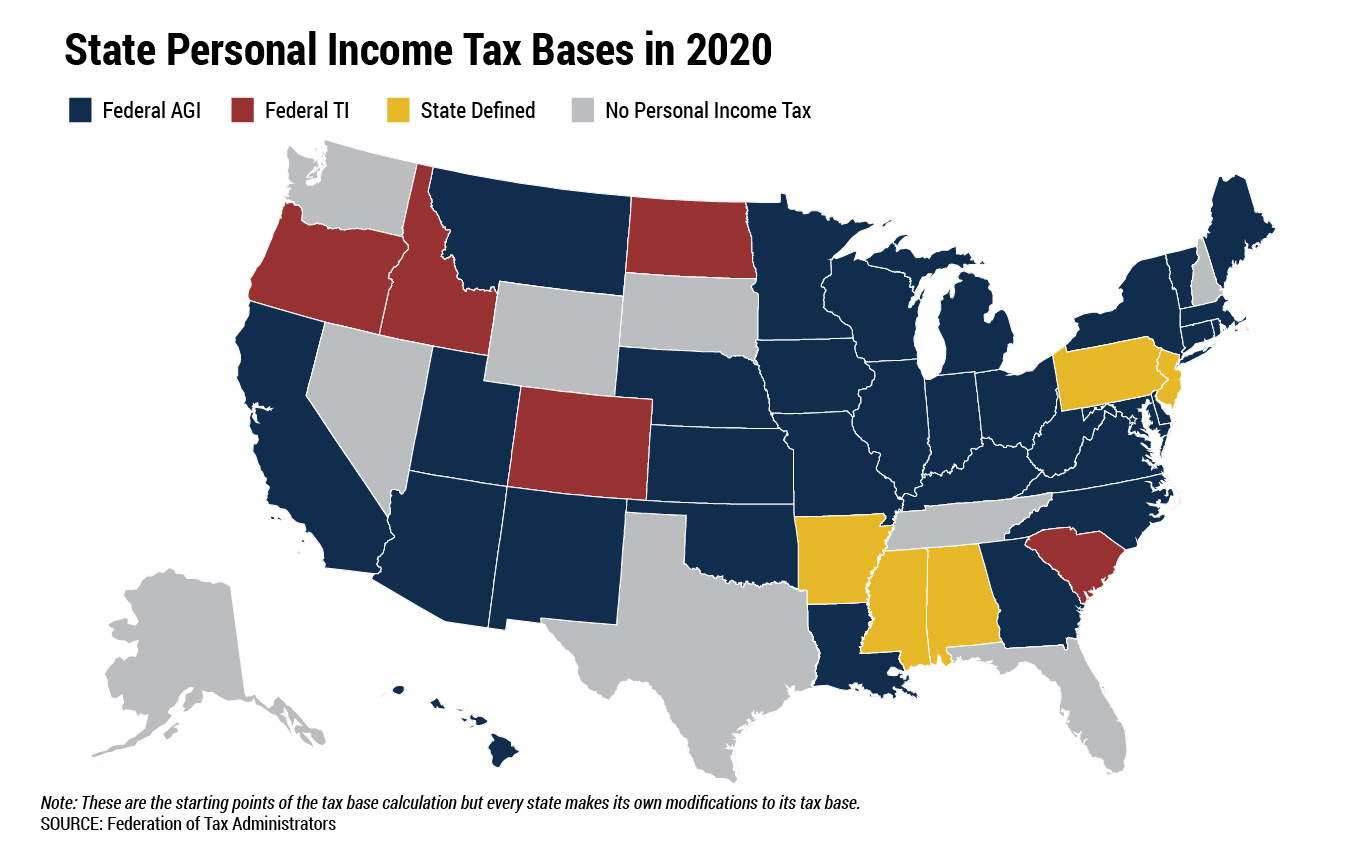
The most significant aspect of Alaska’s tax structure is the complete absence of a statewide individual income tax. This means that residents do not pay a percentage of their earnings to the state government. This policy is a direct result of the state’s vast natural resource wealth, primarily from oil and gas. Instead of taxing individual incomes, the state government historically relies heavily on revenues generated from oil severance taxes, royalties, and investments from its Permanent Fund. For individuals, this translates into higher take-home pay compared to counterparts in states with comparable salaries but significant state income taxes. This financial advantage can be a powerful motivator for professionals, remote workers, and retirees seeking to maximize their income and savings. The absence of this tax simplifies personal financial planning considerably, removing a major layer of complexity often found in other states.
No Statewide Sales Tax
Adding to the financial allure, Alaska is one of only a handful of states in the United States that does not levy a statewide sales tax. This means that when you purchase goods or services in most parts of the state, you won’t see an additional percentage tacked onto the price for state sales tax. This significantly reduces the cost of everyday consumption, from groceries to clothing to retail goods. For budget-conscious travelers or long-term residents, the lack of statewide sales tax can lead to substantial savings over time. However, it’s important to note a crucial caveat: while there is no statewide sales tax, local jurisdictions, such as cities and boroughs, have the authority to impose their own local sales taxes. For example, Juneau, Ketchikan, and Sitka have local sales taxes, which can vary. Therefore, while the general rule holds true, it’s always wise to check local regulations for specific communities.
Property Taxes and Local Levies
While Alaska offers significant tax breaks on income and sales at the state level, it’s not entirely tax-free. Property taxes are a primary source of revenue for local governments, including boroughs and municipalities. The amount of property tax an individual pays will depend on the assessed value of their property and the local mill rate set by the specific jurisdiction. Property tax rates can vary considerably across the state. For instance, a property in Anchorage will have a different tax rate than one in Fairbanks or a rural borough. These local taxes fund essential services such as schools, public safety, and infrastructure. Prospective homeowners or those considering long-term rentals should factor property taxes into their overall cost of living calculations. Additionally, some communities might have other local fees or taxes, such as bed taxes for accommodations or specific business license fees, which primarily impact tourism and local commerce rather than individual residents directly.
The Permanent Fund Dividend: A Financial Perk of Alaskan Residency
Beyond the absence of major state-level taxes, Alaska offers a unique and highly anticipated financial benefit to its qualified residents: the Permanent Fund Dividend (PFD). This annual payment is a direct result of the state’s forward-thinking approach to managing its natural resource wealth and is a significant component of the Alaskan lifestyle.
Eligibility and Purpose
The Alaska Permanent Fund was established in 1976 through a constitutional amendment, diverting a portion of the state’s oil revenues into an endowment fund. The fund’s primary purpose is to perpetually preserve and grow a portion of Alaska ‘s oil wealth for future generations. The PFD program, initiated in 1982, distributes a share of the fund’s earnings directly to eligible Alaskan residents each year. To be eligible for the PFD, an individual must have been an Alaska resident for a full calendar year preceding the application, intend to remain an Alaska resident indefinitely, and not have claimed residency in any other state or country. There are also specific rules regarding absences from the state, which are designed to ensure the dividend goes to bona fide residents. The PFD serves as a powerful incentive for residency and contributes significantly to the economic well-being of many Alaskan families.
Historical Dividend Amounts
The amount of the annual PFD is not fixed; it fluctuates based on a five-year average of the Permanent Fund’s investment earnings and specific legislative formulas. Over the years, the dividend has varied significantly, reflecting both the performance of the fund and political decisions regarding its distribution. Historically, payments have ranged from a few hundred dollars to over $2,000 per eligible individual. For instance, in 2023, the dividend was $1,312 per person. While the PFD is not designed to be a sole source of income for most, it provides a valuable financial boost, helping residents cover expenses, save, or invest. For families, the collective dividend can represent a substantial annual sum, making it a critical consideration for those weighing the financial benefits of living in Alaska.
Economic Impact on Residents
The PFD has a profound economic and social impact on Alaska residents. It acts as a direct wealth transfer, particularly benefiting lower and middle-income households and stimulating local economies annually. The infusion of cash each fall often leads to increased consumer spending, supporting local businesses and creating a predictable economic cycle. For many, it’s a welcome bonus that can go towards necessities, home improvements, education, or even travel. From a lifestyle perspective, the PFD embodies a unique aspect of Alaskan life, reinforcing a sense of shared ownership in the state’s natural resources and providing a tangible benefit for enduring the challenges and embracing the beauty of the Last Frontier. It contributes to a unique sense of economic security and community, distinguishing Alaska from other regions.
Understanding the Cost of Living in Alaska Beyond Taxes
While Alaska’s favorable tax policies are a significant draw, a complete financial picture requires understanding the overall cost of living. Despite the tax advantages, certain expenses in Alaska can be considerably higher than the national average, primarily due to its remote location, challenging climate, and logistical complexities.
Housing and Utilities
Housing costs in Alaska can be a mixed bag. In major urban centers like Anchorage, Juneau, and Fairbanks, housing prices can be comparable to, or even higher than, many other mid-sized United States cities. Rental markets can be competitive, particularly in areas with limited supply or high demand during peak seasons. Utilities, especially heating, are a significant expense, given the long, cold winters. Heating oil, natural gas, and electricity costs can be substantially higher than in the Lower 48. Proper insulation and energy-efficient homes are highly valued. Water and sewer services are also typically higher. For individuals considering a move, thorough research into specific community housing and utility costs is essential for accurate budgeting.
Groceries and Goods
The cost of groceries and consumer goods in Alaska is generally higher than in the contiguous United States. This is primarily due to transportation costs. Most goods must be shipped long distances, either by sea or air, which adds significantly to their retail price. Fresh produce, in particular, can be expensive and sometimes less varied, especially outside of the brief growing season. Residents often adapt by buying in bulk when possible, utilizing local farmers’ markets for seasonal items, and adjusting their consumption habits. While the absence of a statewide sales tax offers some relief, it typically does not fully offset the increased base prices of goods. Budgeting for higher food and general merchandise expenses is a critical component of living in Alaska.
Transportation Challenges
Transportation within and to Alaska presents unique challenges and costs. Fuel prices are generally higher than the national average, reflecting the logistical difficulties of supply. Maintaining a vehicle capable of handling diverse Alaskan road conditions and extreme weather is often a necessity, leading to potentially higher maintenance and repair costs. For inter-state travel or even travel between many Alaskan communities, flying is often the only practical option, and airfare can be expensive, especially to remote villages. Shipping a personal vehicle to Alaska when relocating also involves significant expense. Public transportation options are limited outside of major cities. These factors make transportation a notable component of the overall cost of living and a significant consideration for lifestyle planning, impacting everything from daily commutes to recreational pursuits.
Financial Considerations for Relocating or Long-Term Stays in Alaska
For those drawn to the allure of Alaska’s tax benefits and unique lifestyle, understanding the broader financial ecosystem is crucial for a successful transition. Beyond the immediate tax advantages and elevated cost of some goods, the job market, business environment, and seasonal employment opportunities play a pivotal role in one’s long-term financial stability.
Job Market and Wages
The Alaskan job market is distinct, often characterized by strong sectors such as oil and gas, fishing, tourism, and government. Wages in these key industries can be competitive, and sometimes higher than national averages, to compensate for the higher cost of living and the remote nature of many jobs. However, the availability of jobs can be seasonal, particularly in tourism and fishing, which flourish during the warmer months. For year-round residents, stable employment often requires specialized skills in high-demand fields like healthcare, education, or infrastructure maintenance. Remote work opportunities are also growing, allowing individuals to leverage Alaska’s tax benefits while working for companies located elsewhere. Prospective residents should thoroughly research job prospects in their field and consider the seasonality of the local economy when planning a move.
Business Incentives
For entrepreneurs and businesses, Alaska’s tax structure can be a significant advantage. The absence of state corporate income tax (though a corporate income tax does exist for corporations, it is structured differently than personal income tax, and many small businesses are pass-through entities not subject to it), combined with no statewide sales tax, can reduce operational costs and enhance profitability. The state also offers various programs and incentives designed to support local businesses, particularly those in emerging sectors or those that provide essential services to remote communities. This can include grants, loans, and tax credits for specific industries or activities, such as energy efficiency or rural development. For those considering starting a business or relocating an existing one, the Alaskan environment offers unique opportunities for growth, though it also comes with the challenges of a smaller market and logistical hurdles.

Planning for Seasonal Employment
Many individuals are drawn to Alaska for seasonal work, especially in the thriving tourism and fishing industries. These jobs can offer competitive wages and housing assistance, making them attractive for those looking for temporary employment or a unique experience. However, planning for seasonal employment requires careful financial management. While income during the season can be substantial, it’s crucial to budget for off-season expenses or to secure additional employment during the slower months. For some, the Permanent Fund Dividend can provide a crucial financial bridge during the slower parts of the year. For others, a combination of seasonal work and remote employment, or careful saving, is key. Understanding the cyclical nature of many Alaskan industries is vital for anyone considering a long-term lifestyle based on seasonal work.
In conclusion, Alaska does not have a state income tax, nor does it have a statewide sales tax, making it a unique financial haven in the United States. These significant tax advantages, combined with the annual Permanent Fund Dividend, present a compelling case for individuals and businesses seeking to optimize their financial well-being. However, these benefits are balanced by a generally higher cost of living, particularly for housing, utilities, and consumer goods, driven by the state’s remote geography and logistical challenges. A holistic understanding of Alaska’s economic landscape, including its job market, local taxes, and the nuances of seasonal living, is essential for anyone planning to embrace the adventurous and financially distinctive Alaskan lifestyle.
LifeOutOfTheBox is a participant in the Amazon Services LLC Associates Program, an affiliate advertising program designed to provide a means for sites to earn advertising fees by advertising and linking to Amazon.com. Amazon, the Amazon logo, AmazonSupply, and the AmazonSupply logo are trademarks of Amazon.com, Inc. or its affiliates. As an Amazon Associate we earn affiliate commissions from qualifying purchases.