
For many, the allure of the Sunshine State lies in its perpetual warmth, vibrant natural beauty, and endless opportunities for outdoor adventure. From the sun-drenched beaches of Miami to the magical theme parks of Orlando and the serene beauty of the Florida Keys, Florida offers an unparalleled escape. However, a significant consideration for any visitor, especially those prone to seasonal allergies, is the state’s notorious pollen season. Unlike many northern climes where winter offers a clear reprieve, Florida’s subtropical and tropical environments mean that pollen is a near year-round phenomenon. Understanding when different types of pollen are most prevalent, and critically, when they might finally subside, is key to planning a comfortable and enjoyable trip.
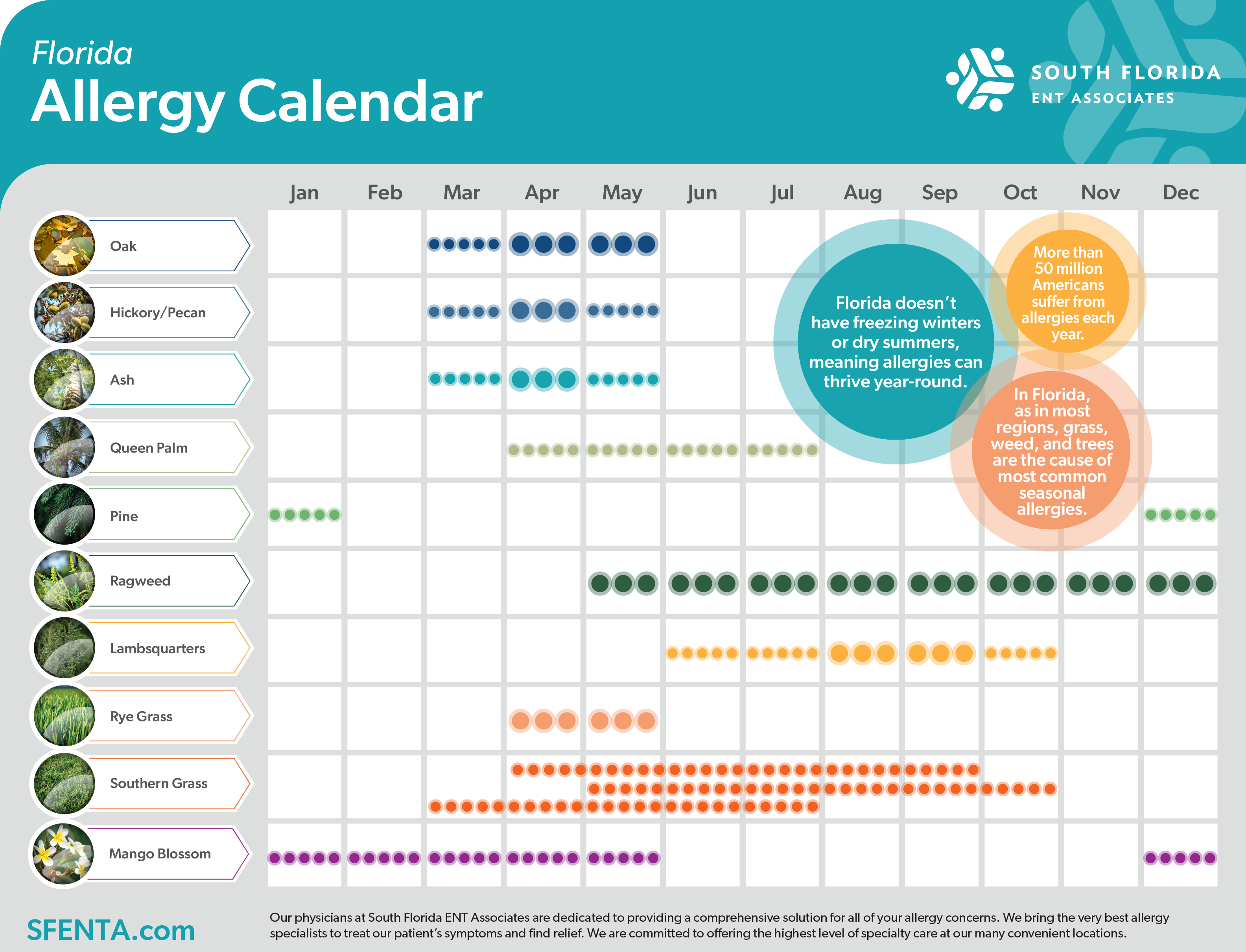
The question of “when does pollen season end in Florida?” is more complex than a simple date on the calendar. Instead, it’s a dynamic cycle influenced by the state’s diverse ecosystems, varying plant life, and consistent warmth. For tourists envisioning a perfect getaway, navigating this unique environmental aspect requires insight and strategic planning. This guide aims to demystify Florida’s pollen patterns, offering essential tips to help allergy sufferers still experience the best of what this incredible destination has to offer, regardless of the pollen forecast.
Understanding Florida’s Unique Pollen Landscape
Florida’s expansive coastline, lush interior, and varied climates create a complex tapestry of flora, ensuring that something is almost always in bloom, and consequently, releasing pollen. This constant botanical activity is a double-edged sword: it contributes to the state’s verdant beauty but also to its persistent allergen levels. Unlike regions with distinct four seasons and a dormant winter period, Florida’s mild temperatures mean plants can grow and reproduce continuously.
The Sunshine State’s Diverse Botanical Ecosystems
From the temperate forests of North Florida to the subtropical wetlands of Central Florida and the tropical mangroves of South Florida, the state harbors an incredible array of plant species. Each region has its dominant pollen producers, contributing to different allergen profiles throughout the year. For instance, the northern parts of the state share more in common with southeastern United States pollen patterns, experiencing significant tree pollen in late winter and spring. As one moves south, the influence of tropical and subtropical plants becomes more pronounced, extending certain pollen seasons or introducing new allergens. This botanical diversity means that a “pollen season” in Jacksonville might look quite different from one in Key West at the same time of year.
Primary Pollen Producers Across the Seasons
To truly understand when pollen “ends” in Florida, it’s crucial to identify the major culprits that dominate the air at different times:
- Tree Pollen (Late Winter to Late Spring): This is often considered the peak pollen season in many parts of Florida. Trees like oak, pine, cedar, cypress, and maple release massive amounts of pollen from late December through May. Oak pollen, in particular, is notorious for its visibility, often coating cars and outdoor surfaces in a yellowish dust. While the peak varies by specific tree type and region, late spring usually sees a significant reduction in tree pollen counts.
- Grass Pollen (Spring to Early Fall): Bermuda grass, ryegrass, and various other turf grasses are significant contributors from April through October. This pollen type can be problematic for a long stretch, especially in agricultural areas and suburban landscapes with extensive lawns. Unlike trees, grasses often have multiple growth cycles throughout the warmer months, leading to prolonged exposure.
- Weed Pollen (Late Summer to Winter): As tree and grass pollens begin to wane, weeds like ragweed, pigweed, and plantain step up to the plate, particularly from August to November. Ragweed, a major allergen nationwide, flourishes in Florida’s late summer and fall, extending allergy misery for many well into what others might consider the “clear” season.
Considering these staggered seasons, a full “end” to pollen in Florida is rare. Instead, it’s a continuous hand-off between different plant types. The closest one might come to a low-pollen period is during periods of heavy rain, which washes pollen out of the air, or occasionally in the dead of winter in South Florida where certain plant cycles might briefly overlap with cooler, drier conditions.
Navigating Peak Pollen Periods for Tourists
For tourists, the implications of Florida’s prolonged pollen seasons are significant. Planning your visit around these peaks can make a substantial difference in your enjoyment, particularly if you have allergies or asthma. Understanding the general trends allows for more informed decisions regarding travel dates and activities.
Winter and Spring: The Airmageddon of Trees and Grasses
The period from January to May is arguably the most challenging for allergy sufferers in much of Florida. Tree pollen, especially from oaks and pines, dominates the landscape, creating high allergen counts. This coincides with many popular tourist times, including spring break, Easter, and early summer vacations. Visitors planning trips to cities like Orlando, Tampa, or Gainesville during these months should be particularly vigilant. While the visual impact of pine pollen may be striking, it’s often the less visible oak and other hardwood pollens that cause more severe allergic reactions. Grass pollen also begins its ascent during this period, extending the period of high airborne allergens.
Summer and Fall: Weeds Take Center Stage
As the intense tree pollen season tapers off in late spring, the focus shifts to grass and weed pollens, which peak during the humid summer and fall months. From June through October, Bermuda grass and various weeds, most notably ragweed, become the primary irritants. While tree pollen counts are generally lower, they are not entirely absent. This period, especially from August through November, can be challenging for those sensitive to weed pollen. Cities like Sarasota, Fort Lauderdale, and agricultural areas often experience significant levels during this time. The frequent summer thunderstorms can offer temporary relief by washing pollen from the air, but levels quickly rebound once conditions dry.
Regional Variations in Pollen Activity
It’s vital for tourists to recognize that “Florida” is not a monolithic entity when it comes to pollen.
- North Florida (e.g., Tallahassee, Jacksonville): Experiences more defined tree pollen seasons akin to the rest of the Southeast, with significant peaks in late winter and spring, followed by strong weed pollen in the fall.
- Central Florida (e.g., Orlando, Tampa): Has a similar pattern to North Florida but with a more extended growing season for all plant types, meaning pollen levels can remain elevated for longer stretches.
- South Florida (e.g., Miami, Fort Lauderdale, Key West): Experiences milder tree pollen seasons but can have year-round issues with grass and mold, alongside various tropical plant pollens. The “end” of pollen here is even less distinct, with a continuous cycle of blooming plants.
Therefore, for those seeking the lowest possible pollen counts, late fall and early winter (November to early January) might offer a relative lull, especially in South Florida, before tree pollen starts its cycle anew. However, even then, localized plant activity or unusually warm spells can trigger unexpected pollen surges.
Essential Tips for Tourists During Pollen Season
While a definitive “end” to pollen season in Florida is elusive, careful planning and proactive measures can significantly mitigate the impact on your vacation. Tourists can still enjoy the vast majority of Florida’s attractions by being prepared.
Planning Your Visit Strategically
One of the most effective strategies is to align your travel dates with periods when your specific allergens are less prevalent. If you know you’re highly sensitive to tree pollen, consider visiting in late fall or early winter. If ragweed is your nemesis, a spring trip might be preferable.
- Check Pollen Forecasts: Utilize online resources like the National Allergy Bureau or local weather apps that provide daily pollen counts for specific Florida cities. This allows you to monitor conditions leading up to and during your trip.
- Consider Coastal vs. Inland: Coastal breezes can sometimes help disperse pollen, offering a slight reprieve compared to inland areas where pollen can settle more readily. However, coastal environments can also have unique local flora contributing to allergens.
Managing Allergies While Exploring Florida
Even with careful planning, it’s wise to be prepared for potential allergy flare-ups.
- Pack Allergy Medications: Bring a supply of your preferred over-the-counter or prescription allergy medications (antihistamines, nasal sprays, eye drops). It’s easier to have them on hand than to search for them in an unfamiliar city.
- Stay Hydrated: Drinking plenty of water can help keep your mucous membranes moist, potentially reducing irritation.
- Shower and Change Clothes After Outdoor Activities: This helps remove pollen particles from your skin and hair, preventing them from spreading indoors.
- Wear Sunglasses: Protecting your eyes from airborne pollen can reduce irritation and itchiness.
- Keep Windows Closed: In your accommodation and rental car, keep windows shut to prevent pollen from entering, especially during high-pollen days. Utilize air conditioning with a good filter.
Embracing Indoor and Water-Based Activities
When pollen counts are particularly high, or if you find yourself struggling with symptoms, consider pivoting to activities that minimize exposure.
- Theme Parks and Indoor Attractions: Many of Florida’s world-class theme parks offer numerous indoor rides, shows, and dining experiences. Museums, aquariums, and shopping centers like those in Orlando and Miami are excellent pollen-free options.
- Water Activities: The vast majority of Florida’s pollen issues are related to airborne particles. Activities like swimming, snorkeling, diving, and boating are fantastic ways to enjoy the Sunshine State without direct exposure to land-based allergens. The ocean air is often much clearer than inland air. Explore the clear springs of Central Florida or the coral reefs of the Keys.
Beyond the End Date: Adapting to Florida’s Climate
The concept of a definitive “end” to pollen season is largely a myth in Florida. Instead, it’s about understanding the continuous cycle of plant life and how it impacts the air quality. For tourism, this means adopting a mindset of adaptation rather than avoidance.
The Impact on Outdoor Attractions and Activities
From hiking through state parks to enjoying al fresco dining, many of Florida’s most beloved tourism experiences are outdoors. Pollen can certainly affect these. Nature trails might have higher concentrations of pollen from local trees and grasses. Outdoor seating at restaurants might expose you to more allergens. However, this doesn’t mean these activities are off-limits. It simply means being prepared. If planning a hike in a heavily wooded area, check pollen counts and consider wearing a mask. For outdoor dining, choose breezy locations or tables away from dense foliage. The key is awareness and preparation, allowing you to still engage with the natural beauty responsibly.

Preparing for a Comfortable Florida Experience
Ultimately, a successful allergy-friendly trip to Florida hinges on preparation and flexibility. While you might not find a single date when pollen “ends,” you can certainly find periods when your specific triggers are lower, or environments where you’ll experience less exposure. By understanding Florida’s unique botanical rhythms, utilizing available resources like pollen forecasts, and packing essential medications, tourists can minimize allergy symptoms and maximize their enjoyment of this vibrant destination. Don’t let the pollen deter you; with the right approach, Florida’s magic is accessible to everyone, year-round.
LifeOutOfTheBox is a participant in the Amazon Services LLC Associates Program, an affiliate advertising program designed to provide a means for sites to earn advertising fees by advertising and linking to Amazon.com. Amazon, the Amazon logo, AmazonSupply, and the AmazonSupply logo are trademarks of Amazon.com, Inc. or its affiliates. As an Amazon Associate we earn affiliate commissions from qualifying purchases.